In a landmark verdict that has sent shockwaves through the foundations of the Norwegian monarchy, an Oslo court on Monday sentenced Marius Borg Høiby, the 29-year-old son of Crown Princess Mette-Marit, to four years in prison. The ruling marks the conclusion of a high-profile legal saga that stripped away the veneer of royal privilege, exposing a disturbing pattern of abuse, substance misuse, and sexual violence that occurred in the shadows of the nation’s most prominent family.
Høiby, who has been in custody since February, was found guilty of two counts of rape and 32 other offences, including repeated domestic abuse against former partners, traffic violations, and drug-related charges. While the prosecution had aggressively sought a sentence of seven years and seven months, the four-year term stands as a stern indictment of a man who, until recently, occupied a unique and ambiguous position on the periphery of the royal household.
A Dark Chronology: From Allegations to Conviction
The unraveling of Marius Borg Høiby’s life began in earnest on August 4, 2024, when Oslo police apprehended him following a violent altercation at an apartment in the capital. Initial reports painted a grim picture: authorities discovered a knife embedded in a wall and a shattered chandelier, physical remnants of a volatile domestic dispute.
However, the investigation quickly spiraled far beyond a singular incident of assault. As detectives delved into Høiby’s digital life, they recovered incriminating video evidence from his personal devices—footage that depicted sexual acts performed on women who appeared to be asleep or unconscious. In a chilling revelation, investigators discovered that the victims themselves were largely unaware of the crimes; it was the police, upon discovering the videos during their forensic search, who initiated the rape charges.
Key Phases of the Legal Crisis:
- August 2024: Arrest following an assault on a then-girlfriend; subsequent discovery of illicit video evidence on personal devices.
- February 2025: The commencement of the trial, which spanned nearly seven weeks of testimony.
- March 19, 2025: Conclusion of court proceedings.
- June 2026: Final sentencing, resulting in a four-year prison term.
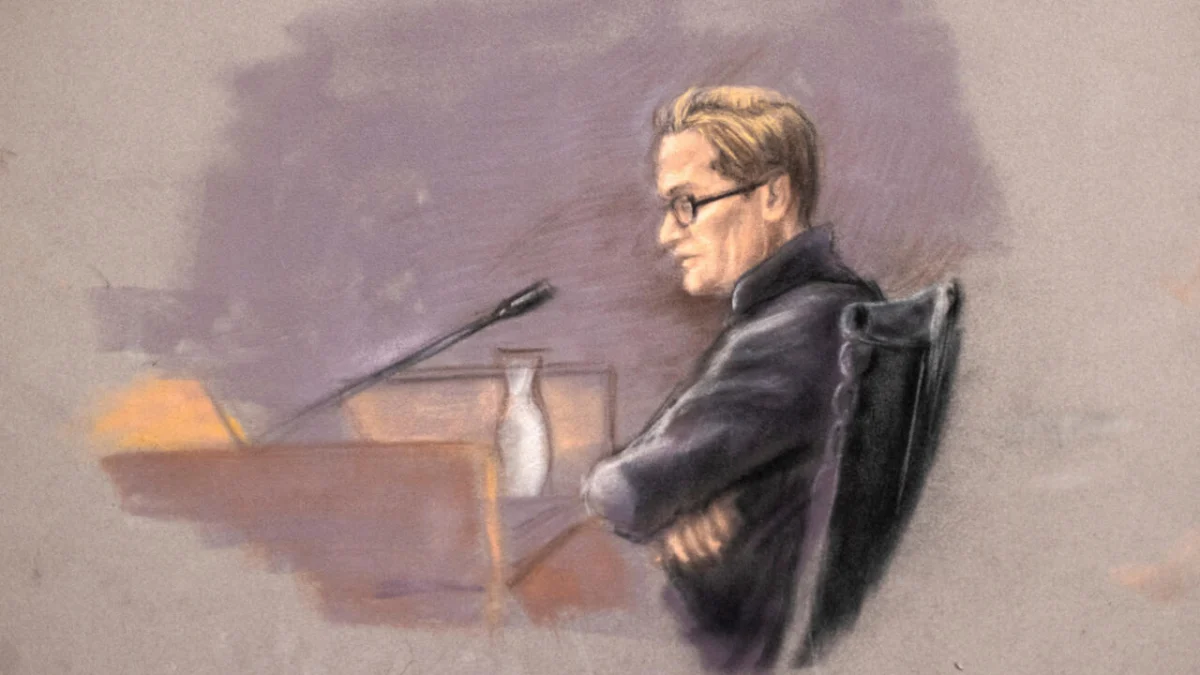
Throughout the trial, the defense team, led by Ellen Holager Andenaes, attempted to mitigate the severity of the charges by highlighting Høiby’s cooperation with some aspects of the investigation. However, the court remained unmoved by the plea for an 18-month sentence, emphasizing that the nature of the offenses—particularly the sexual violations—demanded a rigorous judicial response.
The Anatomy of the Scandal: Life Behind Closed Doors
The trial offered an uncomfortable window into a life of unchecked excess. Høiby, who has no formal royal duties or steady employment, testified with a raw, if controversial, candor. "I’m mostly known as my mother’s son, not anything else," he told the court. "I’ve had an extreme need for recognition my whole life. And that manifested itself in a lot of sex, a lot of drugs, and a lot of alcohol."

The testimonies revealed a disturbing "reign of terror," as described by prosecutors, involving multiple women. One particularly harrowing account involved a rape occurring in 2018 within the walls of the crown prince couple’s official residence. The gravity of the verdict was underscored by the emotional collapse of one of the victims in the courtroom as the judge delivered the guilty findings.
Legal arguments throughout the proceedings focused heavily on the definition of consent. Prosecutors successfully argued that while some encounters may have begun consensually, they crossed into criminality when the victims fell into a state of unconsciousness, rendering them incapable of granting further permission. Høiby’s defense countered by questioning his perception of these events, but the court’s ruling suggests that the digital evidence—the videos captured by the defendant himself—served as the primary, irrefutable witness.
Official Responses and the Stance of the Judiciary
The reaction from the Norwegian legal community has been one of staunch defense of the rule of law. Prosecutor Sturla Henriksbo hailed the verdict as a triumph for the justice system, noting that the sentence, while shorter than his initial request, remains "lengthy and strict."
"I think this verdict is a victory for our justice system," Henriksbo stated following the proceedings. "It shows that no one is beyond the law, regardless of who you are or who you are related to."
Conversely, the defense has signaled a potential challenge. "It is only natural to consider appealing the serious charges for which he was convicted and which he did not admit," said defense attorney Ellen Holager Andenaes. The decision to appeal rests on the tension between Høiby’s admitted personal struggles and the court’s interpretation of his criminal intent.
Implications for the Monarchy
The Norwegian monarchy, which has historically enjoyed high levels of public support and a reputation for being accessible and modern, now finds itself at a precarious crossroads. This scandal is not an isolated incident; it follows closely on the heels of intense public scrutiny regarding Crown Princess Mette-Marit’s past association with the late American sex offender Jeffrey Epstein.

A Reputation Under Siege
The cumulative effect of these revelations has put the royal family on the defensive. While the institution remains popular, there is a growing national conversation about transparency and the "closed doors" of royal life. Critics argue that the monarchy has been shielded from the same level of accountability that ordinary citizens face, a narrative that the recent sentencing of the Crown Princess’s son has simultaneously challenged and reinforced.
The internal state of the family is also in flux. Crown Princess Mette-Marit, 52, is currently facing her own private battle, suffering from an incurable lung disease that has recently deteriorated. She is reportedly on a waiting list for a lung transplant, adding a layer of personal tragedy to the institutional crisis the family is navigating.
Societal Reflections: A "Well-Functioning Democracy"?
The case of Marius Borg Høiby has triggered a wider debate in Norway about class, privilege, and the treatment of women. The fact that the victims did not initially file charges—and were only alerted to their victimization through police investigation—highlights a systemic issue regarding the exploitation of vulnerable individuals.
"Does Norway look closely enough at what goes on behind closed doors?" has become a recurring question in local media. The trial exposed a subculture of extreme partying, substance abuse, and a perceived entitlement that some commentators link to the proximity of power. By sentencing the son of a Crown Princess to a substantial prison term, the Norwegian court has sent a message that the social standing of one’s family will not provide immunity from the consequences of predatory behavior.
Conclusion
As Marius Borg Høiby prepares to serve his sentence, the long-term impact on the House of Glücksburg remains to be seen. The case has undoubtedly tarnished the image of the royal family, forcing a reckoning that will likely persist for years to come. For the victims, the verdict provides a measure of closure, but for the nation of Norway, the trial serves as a sobering reminder that even the most esteemed families are not immune to the darkest human failings.
The courtroom in Oslo has affirmed a fundamental tenet of democracy: that the law is a level playing field. Whether the monarchy can recover its former standing in the eyes of the public will depend on how it navigates the remainder of this crisis, and whether it can emerge from the shadows of its own internal scandals with renewed integrity.