The landscape of action gaming in 2026 has become defined by a singular, rigid philosophy: the "masocore" standard. From the precision-heavy demands of Onimusha: Way of the Sword to the crushing, mathematically tuned boss encounters found in 007 First Light and Beast of Reincarnation, the genre has prioritized mechanical mastery. These titles demand that players achieve the physical dexterity of professional athletes, treating every encounter as a high-stakes exam of reflex and memorization.
Amidst this hegemony of difficulty, S-Game’s Phantom Blade Zero, launching October 29 for PlayStation 5 and Windows PC, arrives as a jarring, beautiful, and occasionally frustrating outlier. It is a game that prioritizes the visual poetry of martial arts—the sweeping, gravity-defying choreography of 1990s Wuxia cinema—over the sheer, punishing burden of player performance. Yet, as I navigated its steam-choked, fantastical world, I found myself grappling with a central tension: at what point does "accessibility" stop serving the spectacle and start stifling the very thrill of the fight?
A Tale of Shadows and Steel: The Narrative Framework
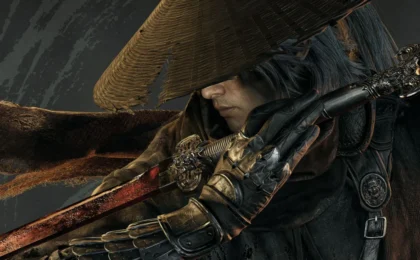
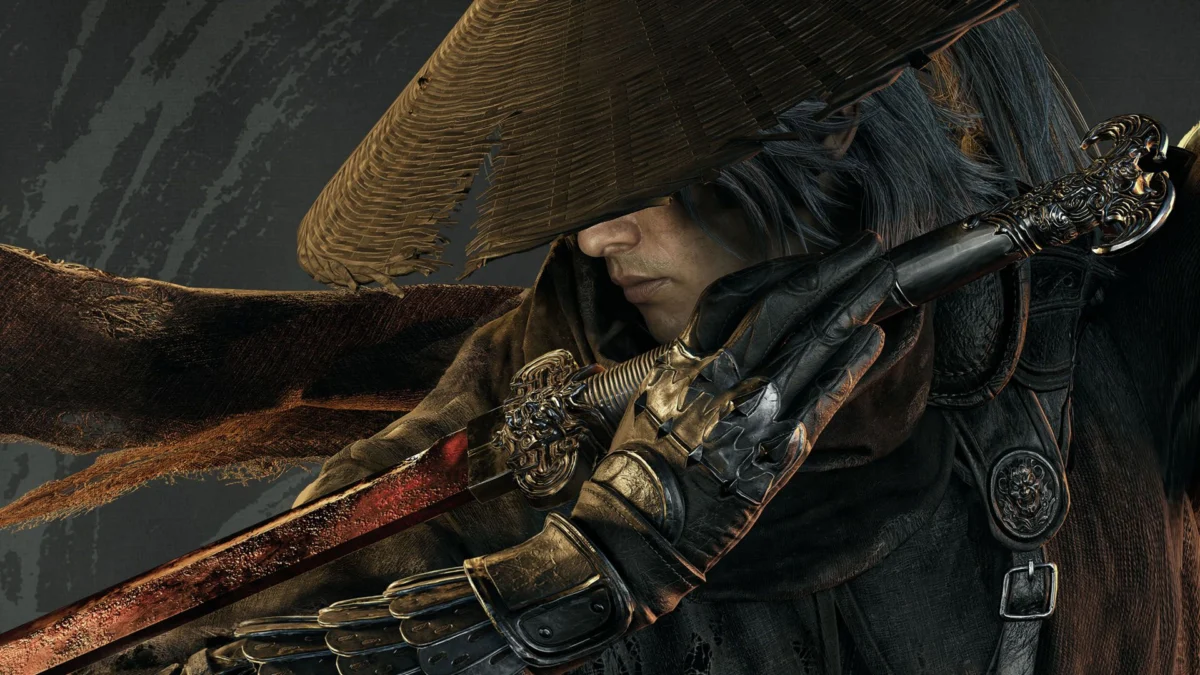
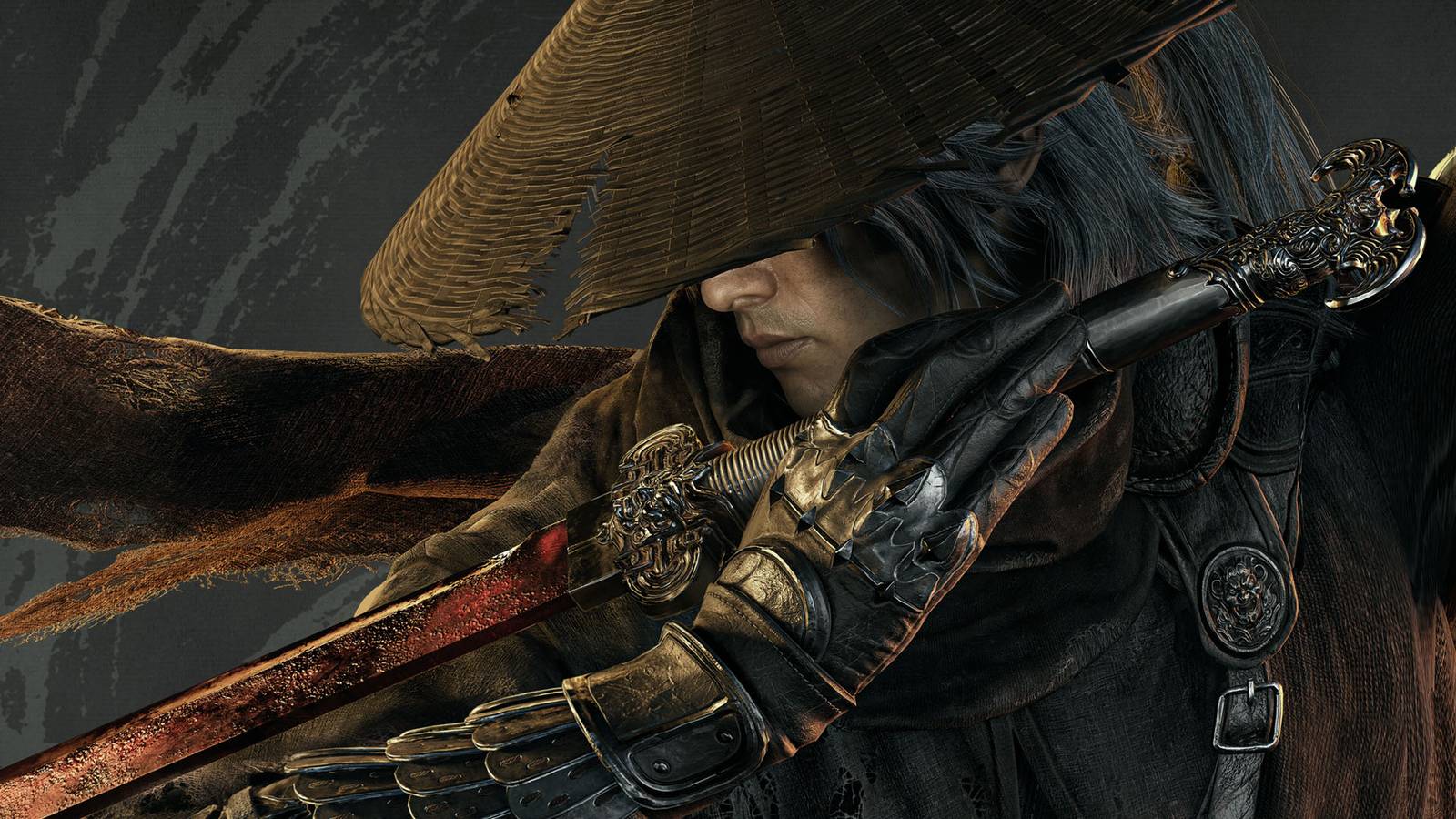
The story of Phantom Blade Zero centers on Soul, a somber, archetypal swordsman—an "edgelord" by design, but a vessel for the game’s narrative ambition. Soul is a former member of "The Order," a clandestine organization exerting immense influence over the Wilun region. His predicament is urgent and tragic: a magically implanted artificial heart is failing, granting him a mere 66 days to unravel a web of conspiracies before his life expires.
For those expecting a handheld, exposition-heavy narrative, the opening hours will feel overwhelming. Terms like "Sha-Chi" (the mystical energy source) and "Maskwalkers" are introduced without a glossary or a cinematic prologue to ground them. There is an intentionality to this, reminiscent of high-concept Chinese donghua like Lord of Mysteries or the intricate plotting of Mo Dao Zu Shi.
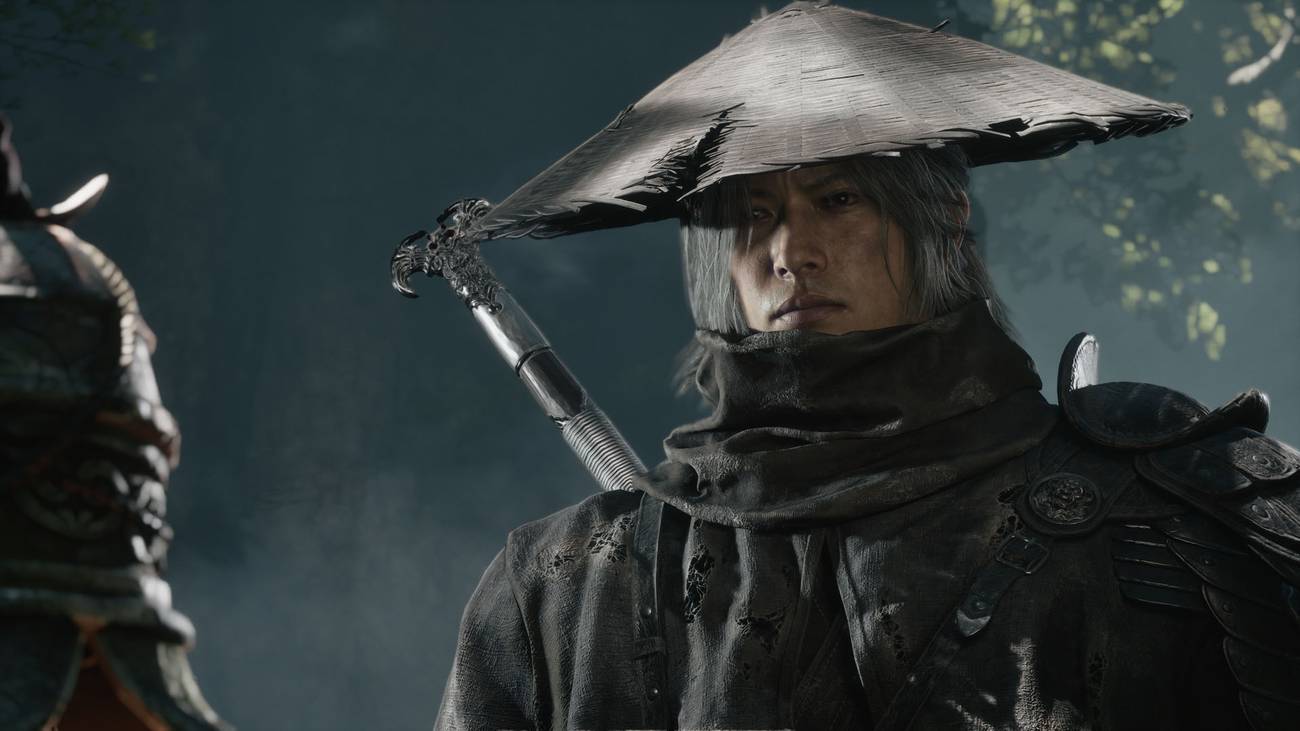
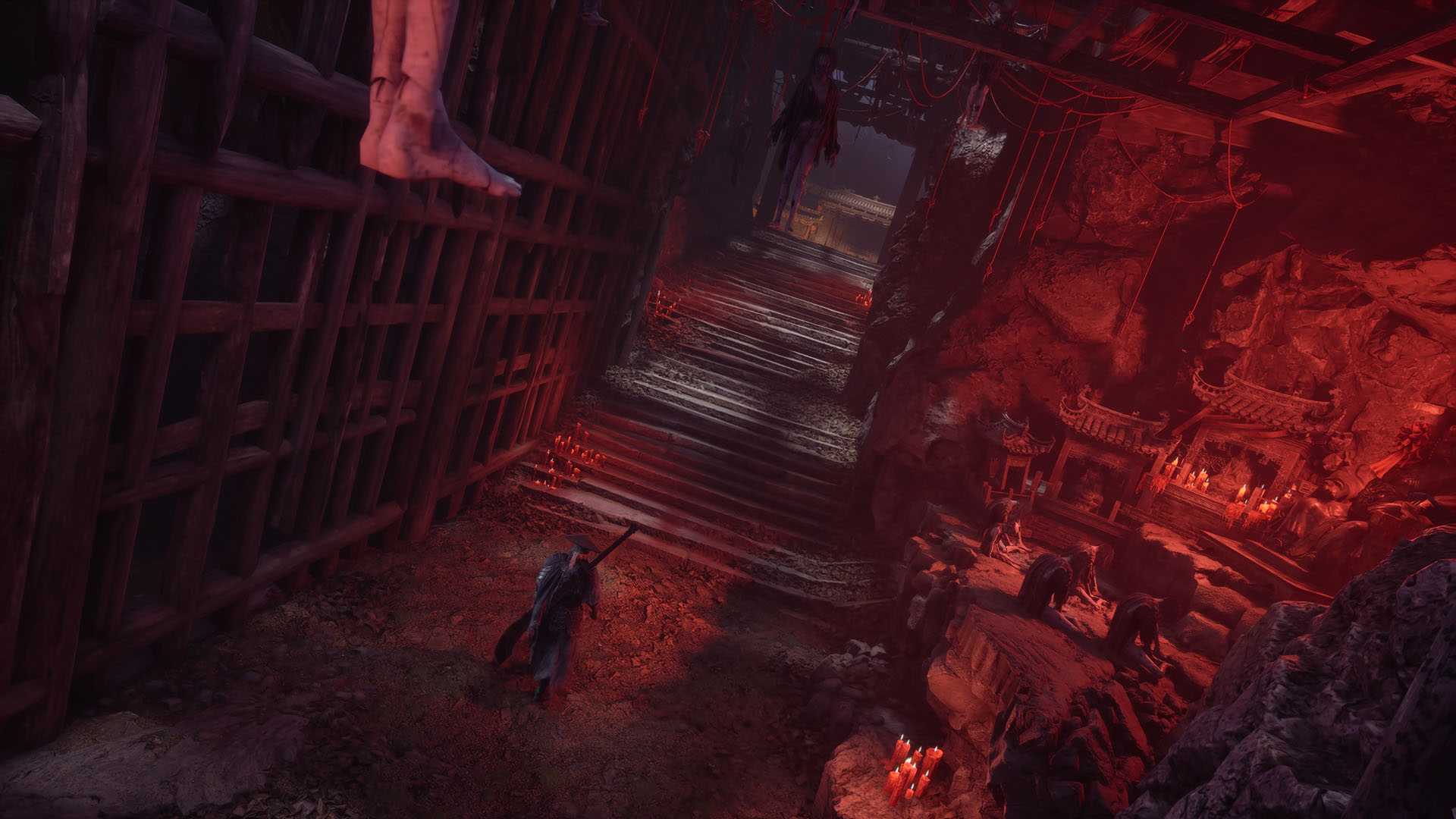
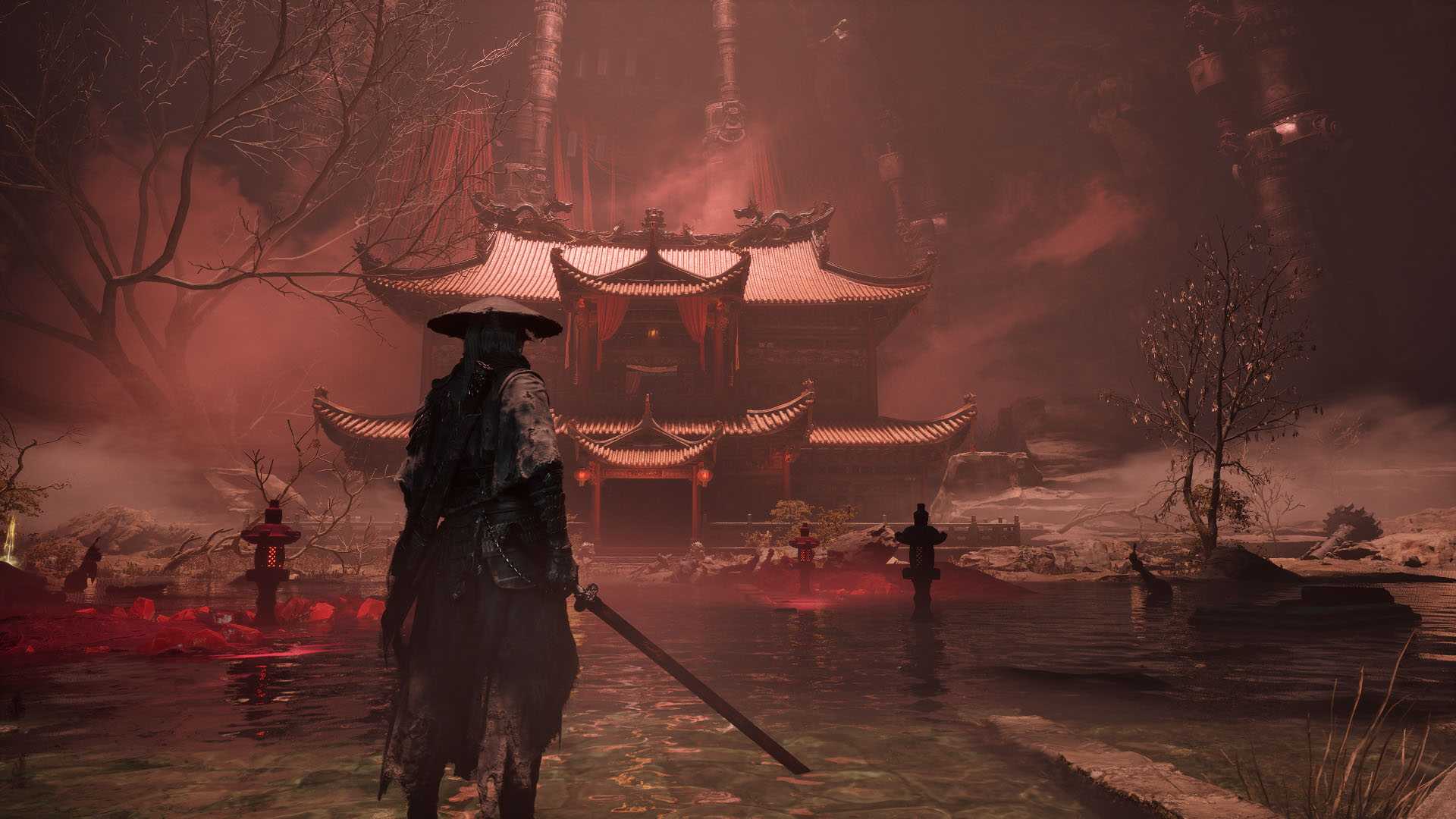
S-Game refuses to coddle the player with "as-you-know" dialogue. Instead, the world’s history is woven through environmental storytelling, fragmented notes, and the brief, biting dialogue of NPCs. While the primary plot involving Soul’s survival feels somewhat two-dimensional, the world-building is undeniably rich. It is a fusion of traditional Chinese mythology and brutalist steampunk, where lush, ancient landscapes are punctured by monolithic towers that vent plumes of scalding steam. The tragedy of the world isn’t always found in Soul’s personal quest for redemption, but in the collateral damage—the everyday soldiers who, consumed by the corruption of the world, transform into monsters that you are eventually forced to put down.
Chronology of a Wuxia Dream
The development of Phantom Blade Zero has been a journey toward reconciling the cinematic with the interactive. S-Game founder Soulframe Liang has been vocal about his desire to translate the "sleek, breathtaking moves" of classic 1990s kung fu cinema into a playable format. To ensure this authenticity, the team brought on creative consultant Donnie Yen, the legendary martial artist and actor behind Ip Man, alongside director Kenji Tanigaki, whose work on The Furious represents the gold standard for contemporary action choreography.
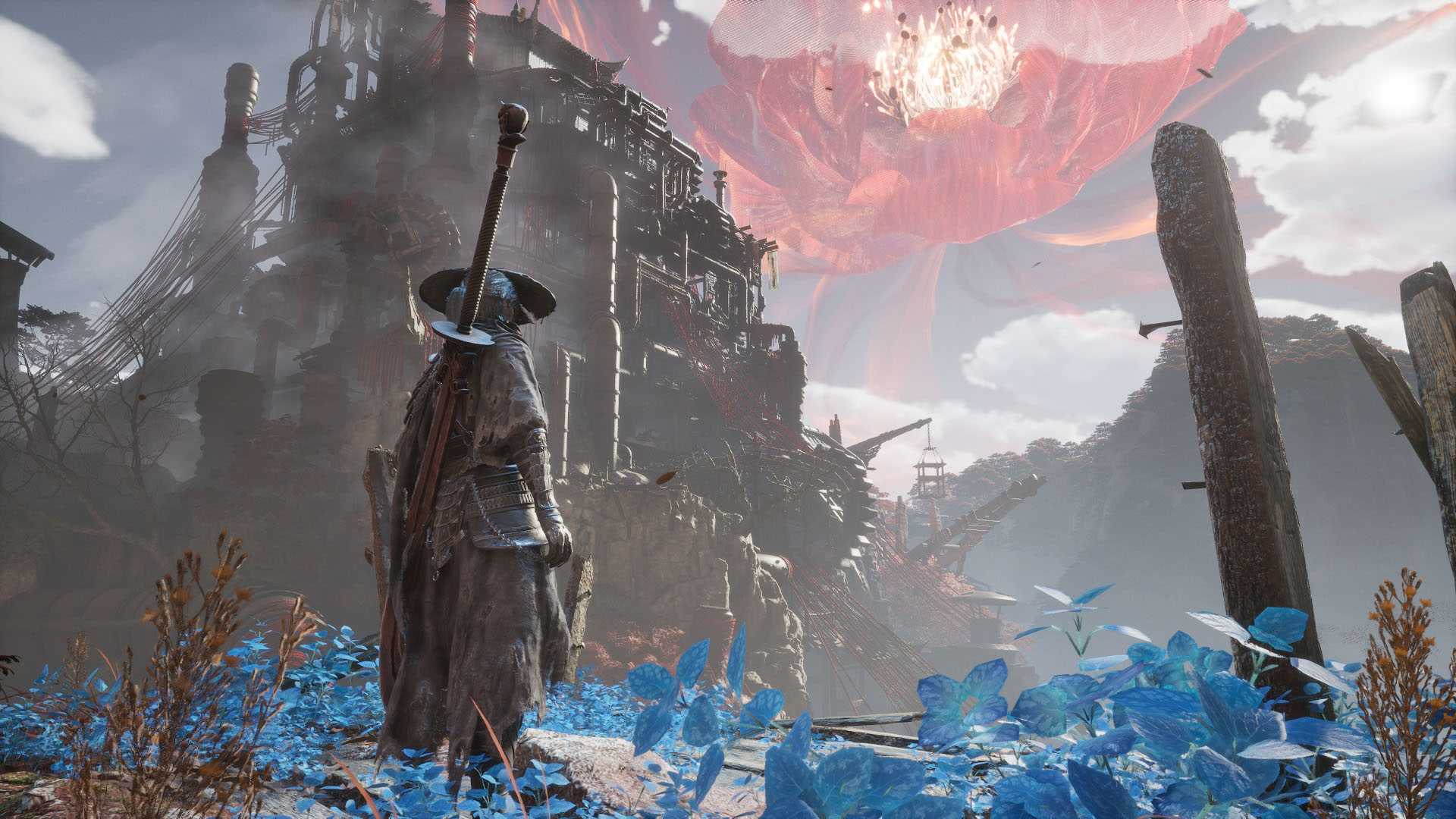
The result is a game that feels like a meticulously scripted fight scene. The movement system is fluid, allowing Soul to transition seamlessly from a double-sword slash to a mid-air rotation, or a leg-sweep that hits two targets simultaneously. With 30 primary weapons and 25 secondary tools—ranging from long-reaching spears to bizarre, mystical apparatuses like a dragon-head nozzle that sprays pressurized water—the sheer variety of animations keeps the spectacle fresh. Unlike the staccato, blocky movements of many Western action titles, Soul’s body behaves as if it is suspended by invisible wires, adhering to a visual script that emphasizes grace over raw power.
Mechanics and the Illusion of Choice
Under the hood, Phantom Blade Zero employs a hybrid system. It utilizes standard hack-and-slash inputs while introducing a stamina-based "Sha-Chi" bar to manage the flow of combat. Heavy attacks and defensive maneuvers deplete this bar, theoretically forcing the player to choose between aggression and caution.
However, this system suffers from a lack of mechanical teeth. The introduction of a "weapon swapping" mechanic—which instantly refills the Sha-Chi bar upon switching between two equipped primary weapons—renders the stamina management nearly irrelevant after the first ten hours of gameplay. As players acquire talismans that boost recharge rates and reduce stamina consumption, the strategic depth of the combat system begins to erode.
The Conflict of Design
- The Stamina Paradox: By providing tools to effectively bypass stamina limits, the game unintentionally minimizes the tension of combat.
- Visual Cues: The game uses color-coded flashes (red for unavoidable dodges, blue for parries) to telegraph enemy attacks. While this makes the game accessible, it trains the player to react to stimuli rather than anticipate flow, turning combat into a "Simon Says" style reaction test.
- The "Lily" Problem: Certain items, such as the Scarlet Wraithblade, create zone-of-effect hazards that drain enemy HP and Sha-Chi with minimal effort. I found myself relying on this single item throughout the campaign, effectively "solving" the combat encounters by simply waiting for the cues to appear.
Implications for the Genre
The core issue facing Phantom Blade Zero is that it is a victim of its own ambition. It succeeds in creating the most beautiful, authentic martial arts choreography in the history of the medium. When you are in the flow state, chaining moves together, you truly feel like a hero of a Wuxia epic. But the game fails to balance this with a sense of genuine peril.
When a boss fight is designed to look like a cinematic performance, but the player is relegated to pressing a single button to trigger a scripted finish, the power fantasy vanishes. You stop being the protagonist and start being an observer, a stagehand waiting for the cue to reset the scene. The "wires" of the cinematic experience become visible, and the immersion breaks.
Official Stance and Reception
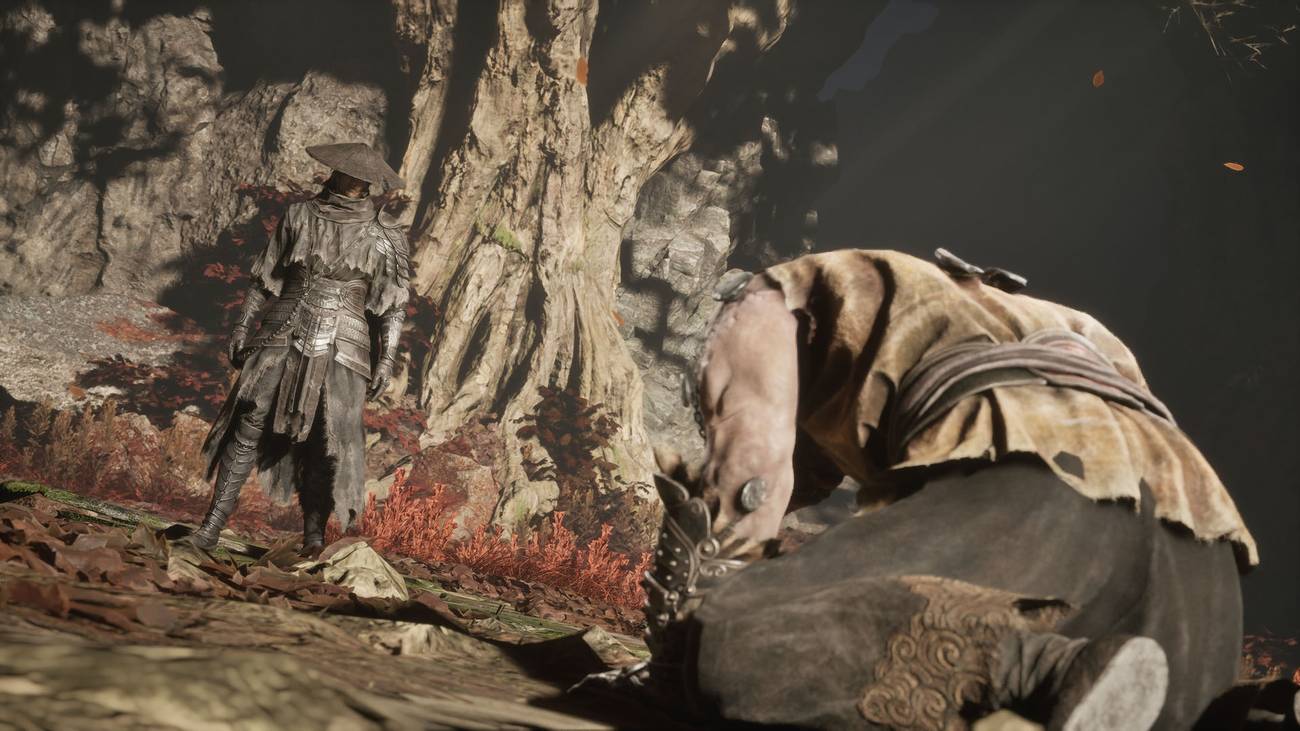
While S-Game has maintained that Phantom Blade Zero is designed to be a "true" martial arts game, the divide in player feedback is inevitable. The studio has successfully carved out a niche for players who are tired of the "git gud" culture of modern action games. There is a sincere, undeniable artistry here that deserves recognition. The game is not "easy" in the traditional sense—early encounters with enemies like Jing Ye, the Outlaw, provide a brutal wake-up call—but it is a game that provides too many exits for players who find themselves struggling.
Final Verdict: Beauty, Broken
Phantom Blade Zero is a fascinating study in design contradictions. It is an exhilarating, gorgeous, and emotionally resonant piece of fiction that captures the spirit of Wuxia film with uncanny accuracy. Yet, in its quest to ensure that the spectacle never stops, it has neutered the very danger that makes a victory feel earned.
The game’s failure is not in its mechanics, but in its lack of trust. It does not trust the player to handle the chaos without a safety net, and it does not trust the beauty of its combat to stand on its own without telegraphing every movement. For fans of the aesthetic, this will be a must-play experience—a digital film where you are the lead performer. But for those looking for a rigorous, high-stakes action game, the lack of agency may prove to be a persistent, nagging disappointment. Phantom Blade Zero is a masterclass in motion, but a cautionary tale in balance. It is a show worth watching, even if, eventually, the illusion of the performance begins to wane.