For decades, Doctor Who has stood as a pillar of British cultural identity—a mercurial, ever-changing sci-fi odyssey that thrived on its ability to reinvent itself. Yet, as of late 2026, the TARDIS has effectively been grounded. Following the tumultuous dissolution of its partnership with Disney and a period of agonizing uncertainty, the franchise now faces an uncertain future as it enters a competitive tender process.
In his candid new memoir, The Queerest of Folk, former showrunner Russell T. Davies provides the most detailed account yet of the series’ decline. Moving beyond the fan-fueled debates that often blame creative choices, Davies points to a more grounded, structural reality: the paralysis of a massive institution unable to navigate a rapidly shifting media landscape.
The Anatomy of a Slow-Motion Crisis
The narrative of Doctor Who’s recent years is defined by a clash between the show’s legacy and the cold, hard realities of corporate media. When Davies returned to the helm to spearhead the "New Who" revival, the goal was ambitious: to propel the series into a global, multi-platform powerhouse through a high-profile partnership with Disney.
However, as details from Davies’ memoir suggest, this partnership was fundamentally mismatched. While Disney brought international visibility, the cultural and operational friction between a public-service broadcaster like the BBC and a global streaming behemoth created a bottleneck. According to Davies, the show wasn’t killed by a single bad episode or a controversial casting choice; it was "publicly hung" by a systemic inability to make decisions.

The BBC, described by Davies as a "vast institution" prone to bureaucratic inertia, found itself caught in a pincer movement. It was squeezed by aggressive, right-wing media outlets eager to pounce on any perceived mismanagement, and a hemorrhaging of key internal allies. The departure of figures like Chief Content Officer Charlotte Moore—whom Davies identifies as one of the franchise’s most steadfast champions—left the show without a clear path forward during its most critical juncture.
A Chronology of the Decline
To understand the current state of Doctor Who, one must look at the timeline of the last two years:
- 2024-2025: The Disney partnership matures, but internal friction increases. While the show gains a wider audience, the creative oversight required to satisfy both a British public broadcaster and a global streamer creates a "pretty poor fit."
- Late 2025: The Disney partnership officially concludes. The show enters a state of limbo. Production teams, writers, and cast members are left in the dark regarding the future of the franchise.
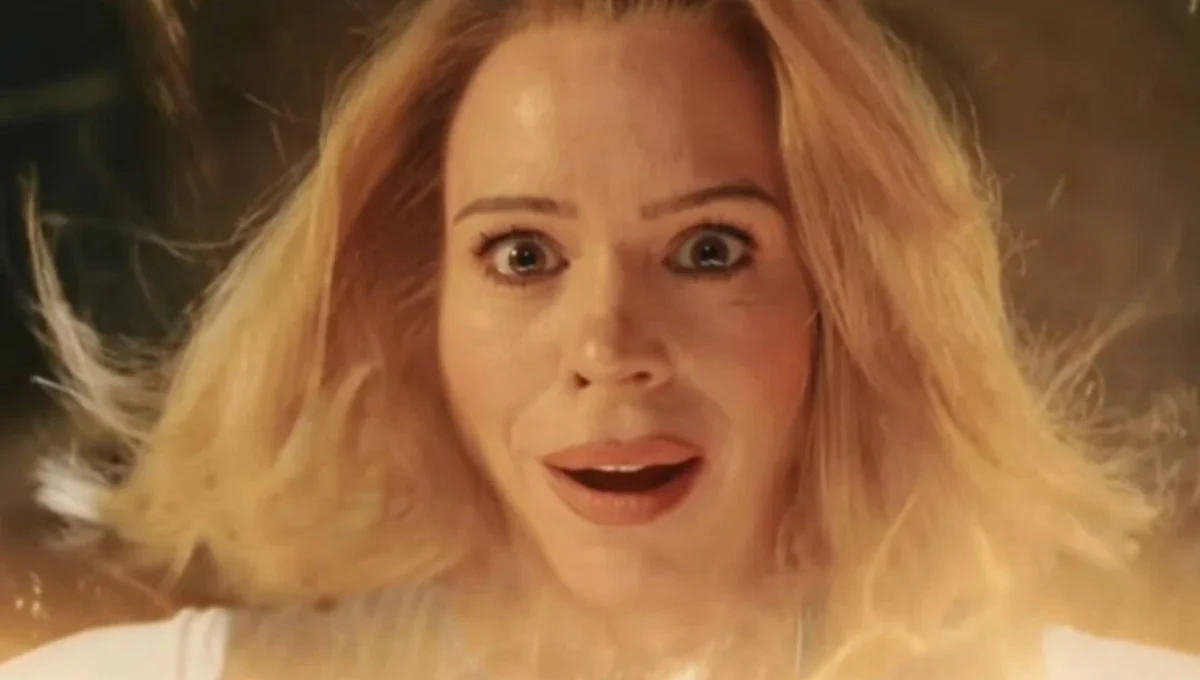
- The "Piper" Gamble: Facing a potential series finale with no resolution, Davies orchestrates a desperate, eleventh-hour pivot. He pitches the regeneration of Ncuti Gatwa’s Fifteenth Doctor into a version played by series icon Billie Piper. The goal was simple: demand the world’s attention.
- 2026: The competitive tender process begins. The BBC, facing the lowest cash reserves in a decade, decides to open the show’s future to external bids, effectively ending the current iteration of the production.
The Rose Tyler Intervention: A Strategic Hail Mary
Perhaps the most fascinating revelation in The Queerest of Folk concerns the finale of the second season of the Disney-era revival. Initially, the production had filmed an ending that was intentionally open-ended—a move that Davies feared would signal to audiences that the show was dead, not just resting.
Davies recounts calling an emergency Zoom meeting with BBC executives to propose the surprise casting of Billie Piper. The goal was to inject a sense of legacy and urgency into the finale. Piper agreed to the role, and the scene was shot. While it succeeded in drawing massive, immediate attention to the show, Davies admits that the attention was a double-edged sword. It provided a spark, but it could not overcome the underlying financial and structural fires burning within the BBC.

Supporting Data: The Financial Context
The crisis at the heart of Doctor Who cannot be separated from the broader financial health of the BBC. As of September 2026, reports indicate that the BBC’s cash reserves have plummeted to their lowest level in a decade. This fiscal tightening made the high-cost, high-reward model of the recent Doctor Who seasons increasingly difficult to justify to a board of governors and a skeptical public.
When Davies pitched a follow-up Christmas special—a classic, high-concept episode involving Daleks in a rural English village—the BBC executives expressed genuine enthusiasm. However, enthusiasm did not translate into the necessary capital or speed. The decision-making process remained bogged down by internal deliberation and the looming reality of the competitive tender. As Davies noted, there was little fiscal sense in investing heavily in a one-off special when the entire production structure of the show was being dismantled for a new era.
Official Responses and Internal Sentiment
Davies’ memoir is notable not just for its criticisms, but for its tone of weary acceptance. He does not express bitterness toward the institution, but rather a profound frustration with the slowness of a bureaucratic giant.
"This new plan sets the show free," Davies writes, reflecting on the transition. "The future can be planned by a brand-new team. Clean and bold and bright."
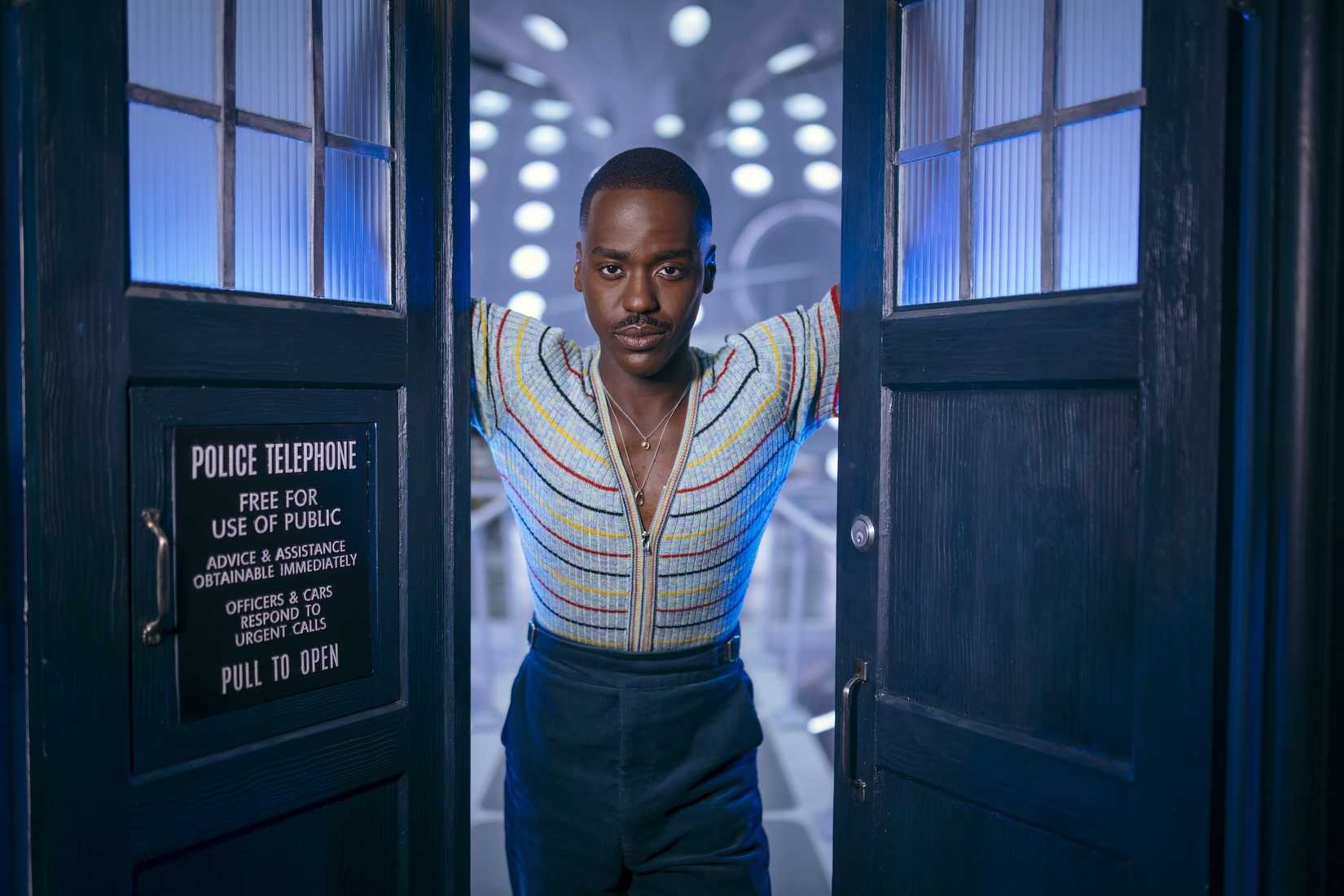
However, industry analysts remain skeptical. While the "competitive tender" process is designed to find a new, sustainable direction for the show, it inherently creates a period of creative and logistical instability. The task left to the next showrunner is daunting: they must reconcile the loose ends of the Fifteenth Doctor’s final arc—specifically the lingering mystery of Billie Piper’s involvement—while navigating a budget that likely shrinks with every passing quarter.
Implications for the Future of British Television
The collapse of the current Doctor Who iteration serves as a cautionary tale for public service broadcasting in the streaming era. The show’s struggle highlights the difficulty of balancing traditional institutional values—such as public accountability and domestic cultural relevance—with the demands of global scale and commercial viability.
- Creative Legacy: By leaving the show in a state of flux, the BBC faces the risk of alienating a generation of viewers who were brought in by the "New Who" revival.
- Institutional Reform: The ordeal has reignited debates about whether the BBC can continue to act as a production hub for high-budget, global-facing franchises without structural overhauls.
- The "Tender" Uncertainty: The competitive tender means that the next version of Doctor Who could look radically different. Whether that means a pivot to lower-budget animation, a complete reboot, or a change in the show’s fundamental tone, the "timey-wimey" nature of the franchise is, for the first time, being tested by real-world financial laws.
As Davies steps away, he leaves behind a franchise that is, in his own words, "free." Whether that freedom leads to a bold, bright rebirth or a further slide into irrelevance remains to be seen. For the legions of Whovians who have followed the Doctor through every incarnation, the message is clear: the show has survived regenerations, cancellations, and hiatuses before. But this time, the enemy isn’t a Dalek or a Cyberman—it’s the clock, and the slow, grinding gears of a corporation struggling to find its place in a changing world.