For many homeowners, the kitchen serves as the heart of the home, and the countertop is its centerpiece. Granite has long reigned supreme in this space, celebrated for its rugged durability, superior heat resistance, and natural elegance. However, the allure of high-end stone often hits a wall when faced with the reality of renovation budgets. In an attempt to bridge the gap between aesthetic desire and financial constraint, many homeowners turn to "modular" granite—pre-cut, prefabricated mini-slabs marketed as a budget-friendly, DIY-friendly alternative.
While these products promise the luxury of natural stone at a fraction of the cost, industry experts and disgruntled homeowners alike warn that the "convenience" often masks significant long-term drawbacks. From structural instability to aesthetic limitations, the transition from dream kitchen to reality can quickly devolve into a narrative of buyer’s remorse.
The Rise of Modular Granite: A Chronology of Convenience
The concept of modular granite emerged as a response to the growing demand for home improvement accessibility. Historically, installing granite was an exclusive, high-cost process: a professional fabricator would visit a home, take precise measurements, cut a massive slab to fit, and transport it via specialized equipment.
In the early 2000s, as the "big-box" retail boom transformed the DIY landscape, manufacturers began producing pre-cut, modular granite sections. These were designed to be sold off the shelf, appealing to the burgeoning demographic of homeowners looking to upgrade their kitchens without the "middleman" costs of professional templating and custom installation. By the 2010s, these products were widely available, marketed as a "weekend project" solution that promised to cut professional labor costs by hundreds, if not thousands, of dollars.
However, as these installations aged, the narrative shifted. Homeowners began reporting widespread issues ranging from persistent cracking along seams to fading sealant integrity, leading to a surge in demand for professional repairs—or, more commonly, complete tear-outs and replacements.
Structural Vulnerabilities: Why Thinness is a Liability
The primary allure of modular granite is its weight—or lack thereof. Because these slabs are pre-cut into manageable, smaller sizes, they are significantly thinner than the standard 3-centimeter (1 ¼ inch) slabs used by professional fabricators.
The Problem of Seams
Professional stone installation relies on minimizing the number of seams to maintain structural integrity and visual flow. Modular granite, by definition, is composed of several small pieces that must be joined together to span the length of a standard kitchen cabinet run. Every seam represents a point of failure. These joints are prone to shifting as the home settles, leading to visible, unsightly gaps or hairline fractures.
Fragility and Impact Resistance
The reduced thickness of modular granite makes the stone inherently more brittle. Unlike full-slab granite, which possesses enough mass to absorb accidental impacts from heavy cookware or dropped appliances, modular pieces are highly susceptible to cracking during the installation process itself. Once installed, the lack of a continuous, robust foundation beneath these thinner pieces increases the likelihood of "stress cracks," particularly around sink cutouts or cooktop openings.
Aesthetic Limitations and Sourcing Hurdles
Beyond the structural concerns, modular granite presents a significant hurdle for those prioritizing kitchen design.
The "Cookie-Cutter" Aesthetic
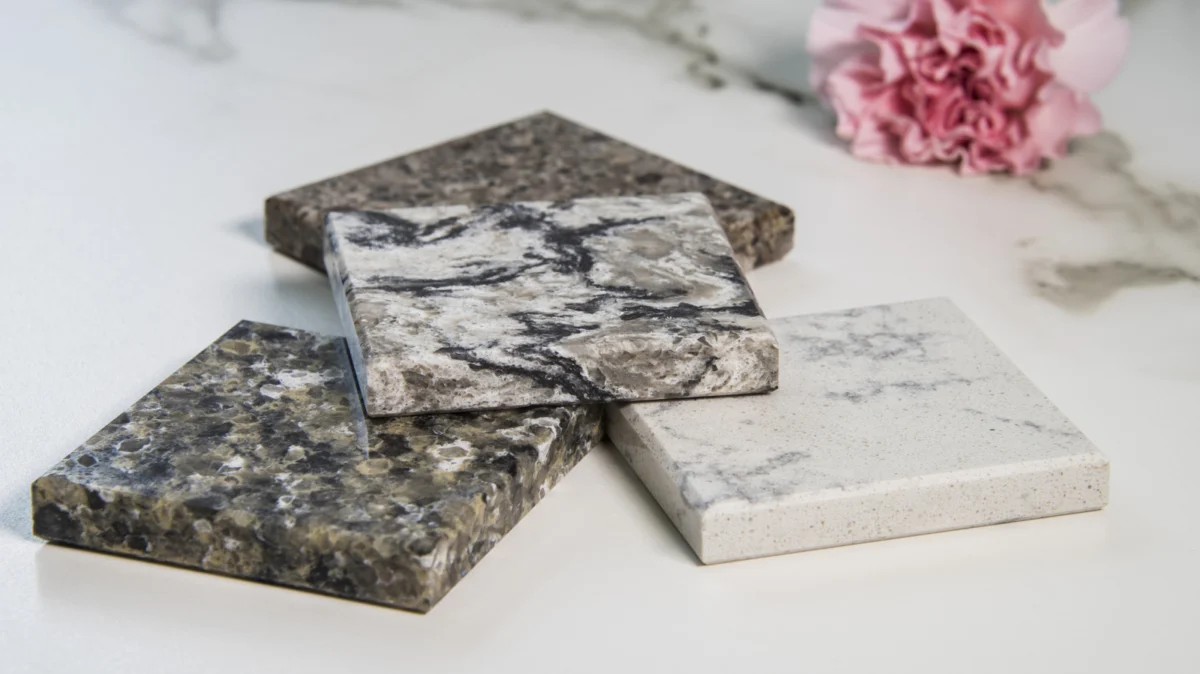
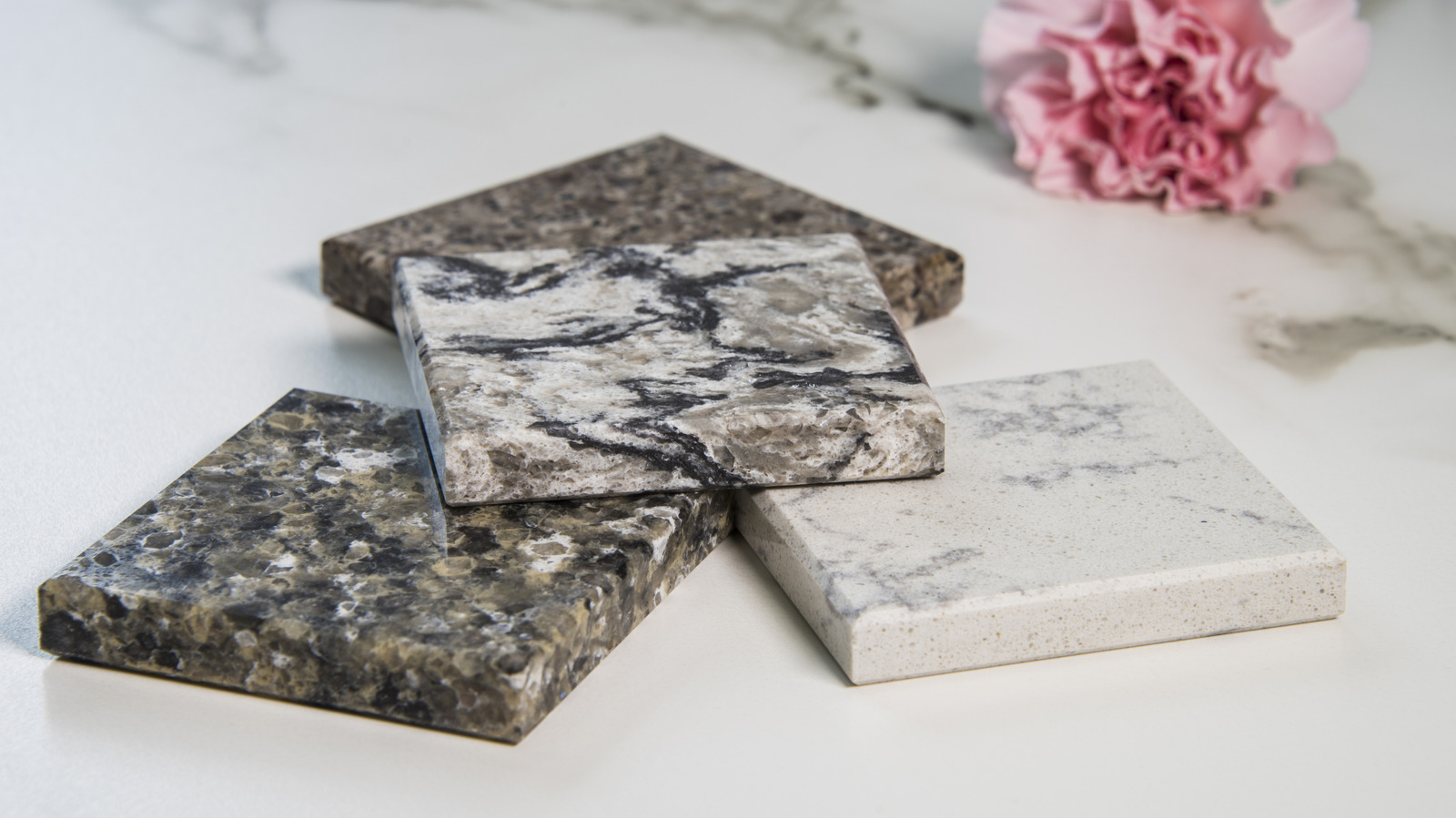
Because modular granite is mass-produced, the variety of patterns and colors is severely limited. Natural stone is prized for its unique, one-of-a-kind veining and movement. Modular options, by contrast, are often sourced from the same small batches, resulting in a look that feels more like synthetic laminate than the high-end natural stone it purports to be.
The Sourcing and Logistics Nightmare
Because modular granite is not a staple in high-end stone yards, availability is inconsistent. If a homeowner decides to expand their kitchen or accidentally damages a section, finding an exact match for a modular slab purchased years prior is nearly impossible. Furthermore, because these products are frequently shipped via standard freight, the risk of damage in transit is exponentially higher than the risk associated with professional slab delivery, where the stone is stabilized on A-frames and handled by specialists.
Expert Perspectives: Why Professionals Advise Caution
The consensus among interior designers and stone fabricators is clear: the perceived cost savings of modular granite are often illusory.
"When you factor in the potential for breakage during installation, the cost of specialized adhesives and sealants, and the inevitable need to replace the counters within a few years due to seam failures, the math simply doesn’t add up," notes a senior consultant at a prominent stone restoration firm.
Official industry guidance suggests that the "price per square foot" of modular stone fails to account for the hidden costs of labor. A professional installation includes the expertise to reinforce the cabinetry beneath, ensure proper leveling, and execute near-invisible seams using color-matched epoxy resins—skills that the average DIYer typically lacks.
Better Alternatives: Achieving Luxury on a Budget
Homeowners seeking the durability of granite without the high price tag have several viable, superior alternatives that do not sacrifice quality.
1. The Value of "Entry-Level" Slab Granite
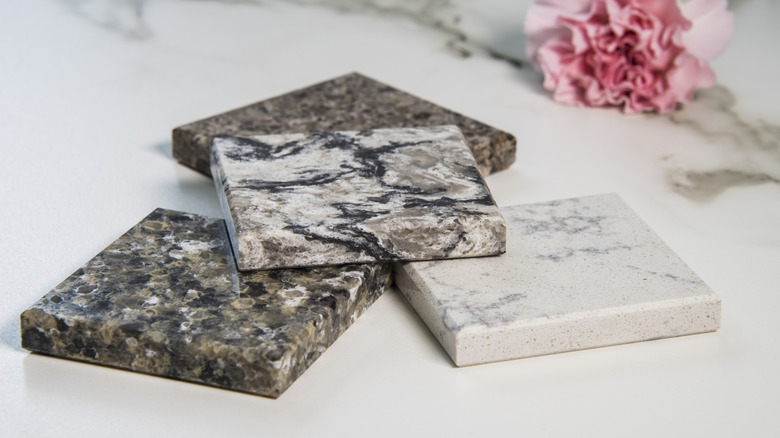
It is a common misconception that all granite is prohibitively expensive. "Entry-level" granite, often sourced from domestic quarries or regions with high production volume, can be surprisingly affordable—frequently priced around $95 per square foot installed. By choosing a standard, readily available stone rather than an "exotic" slab, homeowners can secure the beauty and durability of natural stone while benefiting from professional, seamless installation.
2. Strategic Design Choices
To manage costs, homeowners are advised to opt for simple edge profiles. Complex edge treatments, such as ogee or mitered edges, require significant labor hours, driving up the final price. An "eased edge"—a simple, crisp, square profile—is not only more modern but significantly cheaper to fabricate.
3. Engineered Quartz: The Modern Contender
For those who prioritize consistency, engineered quartz offers a compelling alternative. While some argue that natural stone holds more prestige, quartz is manufactured with high-performance polymers, making it non-porous and incredibly resistant to staining. Because it is engineered, the manufacturing process allows for precise color control, eliminating the need for homeowners to hunt for "matching" slabs.
4. The "Island Focus" Strategy
If the budget is tight, designers suggest a "mixed-material" approach. Rather than covering every surface in premium, expensive stone, invest in a single, high-impact slab for a freestanding kitchen island. Use a more affordable, complementary material (or even a high-quality laminate or butcher block) for the surrounding perimeter counters. This strategy creates a focal point that commands attention, elevating the entire kitchen’s aesthetic without the cost of a full-scale premium stone installation.
Implications for Resale Value
In the real estate market, kitchen upgrades are among the most scrutinized investments. A home with professionally installed, high-quality stone countertops is often viewed as a "turnkey" asset. Conversely, kitchens featuring poorly installed modular granite—complete with visible, cracked seams and mismatched stone patterns—can actually become a deterrent to potential buyers.
Prospective buyers often interpret signs of "DIY-style" countertop failure as a warning sign of deeper, systemic issues within the home’s maintenance history. When evaluating long-term value, the "cost" of a countertop must be viewed through the lens of longevity. A professional installation that lasts 20 to 30 years is far more economical than a "budget" modular installation that requires replacement within five to seven years.
Conclusion: The Wisdom of Investment
The impulse to save money during a renovation is understandable, particularly in the face of rising material costs. However, modular granite represents a classic case of the "cheap being expensive." By bypassing the professional fabrication process, homeowners sacrifice the durability, aesthetic integrity, and long-term value that define the granite experience.
For those committed to the look of stone, the path to success lies in patience and strategic planning: consulting with local stone warehouses, considering entry-level granite slabs, or exploring high-quality quartz. Ultimately, the kitchen is an investment in both lifestyle and property value; choosing longevity over short-term convenience ensures that the heart of the home remains strong, beautiful, and a source of pride for years to come.