In the modern kitchen, we are often inundated with high-tech gadgets promising to streamline our morning routines. From touch-screen air fryers to Wi-Fi-enabled coffee makers, the culinary landscape has become increasingly digitized. Yet, amidst the clutter of novelty appliances and single-use plastic gizmos, there remains a humble, indestructible hero waiting on the dusty shelves of your local thrift store: the vintage metal egg poacher.
For the home cook who finds joy in the ritual of brunch, this classic tool is not merely a piece of hardware; it is a solution to one of the most notoriously temperamental tasks in the kitchen. As the trend of "slow living" and mindful cooking gains momentum, rediscovering these old-school kitchen essentials has become more than a hobby—it is a culinary statement.
The Evolution of the Egg Poacher: A Chronology of Convenience
To understand why the vintage egg poacher remains relevant, one must look at the evolution of breakfast preparation. In the early 20th century, as households moved away from wood-burning stoves to gas and electric ranges, cookware manufacturers began designing specialized tools to assist with delicate tasks.
- The Early 1900s: Poaching was a high-skill technique reserved for professional chefs. The traditional "whirlpool" method—cracking an egg into a vortex of boiling, vinegar-spiked water—was the standard. It required precision, timing, and a fair amount of luck to prevent the yolk from breaking or the white from scattering.
- The Mid-Century Boom: Post-WWII, the rise of the domestic kitchen as a hub of entertainment led to an explosion in specialty cookware. It was during this era that the metal egg-poaching tray became a staple in American homes. These trays were designed to sit atop a standard saucepan, utilizing steam and indirect heat to create perfectly uniform, tear-drop-shaped eggs.
- The Modern Era: Today, we see a divergence. We have high-end electric egg cookers costing upwards of $50, which occupy significant counter space. Simultaneously, we have seen a resurgence in vintage hunting. Collectors and home chefs alike are realizing that the heavy-gauge aluminum or stainless steel poachers from decades past are not only more durable but often more effective than their contemporary, plastic-heavy counterparts.
The Anatomy of the Perfect Poach
Why does the vintage poacher continue to outperform its modern, trendy rivals? The answer lies in thermodynamics and material science.
The Material Advantage
Many modern budget-friendly poachers are constructed from flimsy silicone or thin, non-stick coated plastics. While these may work for a few months, they often warp under heat or degrade, leaving behind unappetizing chemical residues. A vintage stainless steel or heavy-gauge aluminum poacher offers superior thermal conductivity. These materials distribute heat evenly across the cups, ensuring the egg white sets firmly while the yolk remains at the desired temperature—whether you prefer a jammy, soft-boiled texture or a firmer finish.
The Mechanics of Success
The "tray" design works by separating the poaching process from the chaos of boiling water. By cracking the egg into a greased cup suspended over simmering water, the cook creates a gentle, moist environment. This eliminates the "straggly whites" problem associated with the traditional poaching method. For the host preparing brunch for four or more people, this consistency is not just a convenience; it is a necessity.
Supporting Data: The Economics of Thrifting
When evaluating the value of an item, one must consider both the monetary cost and the "cost of frustration."
- Monetary Value: A quick survey of secondary market platforms and local charity shops reveals that vintage egg poaching sets can be acquired for between $5 and $15. In contrast, a high-rated modern electric poaching station often retails for $35 to $50.
- Longevity: Most vintage kitchenware from the 1950s-70s was built with a "repair, don’t replace" ethos. A stainless steel poacher has no electronic components to fail, no heating elements to burn out, and no plastic parts to crack. It is a piece of equipment that, with basic maintenance, will outlive its owner.
- Environmental Impact: By opting for a thrifted tool, you are extending the lifecycle of a manufactured good, thereby reducing the demand for new production and diverting metal waste from landfills.
The Social Implications: Why Brunch Culture Demands Efficiency
Brunch has become the quintessential social meal of the 21st century. It is a time for connection, conversation, and slow mornings. However, the host is often tethered to the stove, frantically managing pots and pans while their guests enjoy themselves in the living room.
Professional chefs often emphasize that "mise en place" (everything in its place) is the secret to successful hosting. The egg poacher is the ultimate tool for this philosophy. Because the poacher holds multiple eggs simultaneously, the host can crack the eggs, set the timer, and return to their guests. When the timer pings, the eggs are ready to be plated all at once. This synchronization is the difference between a stressed host and a relaxed, professional-level brunch experience.
Addressing the Critics: Is it Really Necessary?
Minimalists are quick to point out that any kitchen tool that isn’t used daily is a candidate for the donation bin. They argue that a simple sieve or even a well-practiced hand can achieve a poached egg without the need for a dedicated tray.
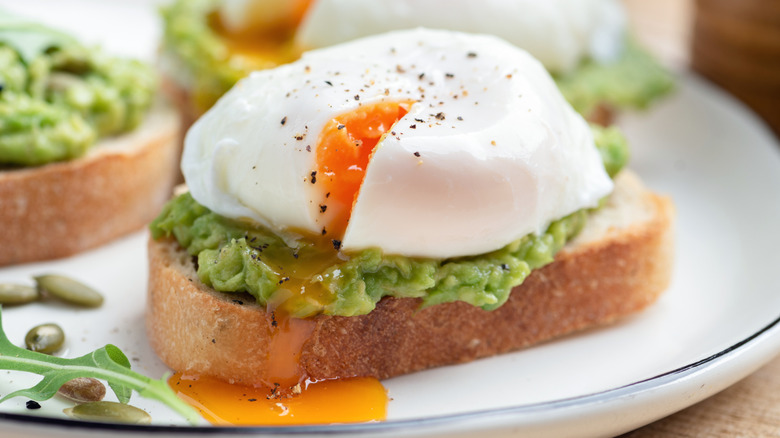
While this is technically true, it ignores the reality of human error. Even professional chefs have off days. A tool that provides a "safety net"—ensuring that your eggs look as good as they taste—is not "clutter." It is an investment in the quality of your output. When hosting, the visual presentation of an egg perched atop avocado toast or a bed of sautéed spinach is part of the experience. The vintage poacher guarantees that presentation without the anxiety of a ruined yolk.
How to Source and Restore Your Find
If you are convinced that a vintage poacher belongs in your kitchen, here is how to navigate the hunt:
- Scout the "Hard Goods" Section: Avoid the racks of mugs. Head straight for the cookware section, usually located near the pots and pans. Look for metal racks or trays that look like they might fit over a pot.
- Inspect the Integrity: Ensure the cups are not deeply dented. A minor warp is fine, but a damaged cup will result in misshapen eggs. Check for rust; while surface oxidation can be scrubbed away, deep structural corrosion should be avoided.
- The Cleaning Process: Once home, perform a deep clean. Even if the item looks pristine, boil a pot of water with a splash of white vinegar and let the poaching cups sit in the steam for 10 minutes. This will sanitize the surface. Follow up with a light seasoning of the metal cups using a high-smoke-point oil (like avocado or grapeseed) to ensure a non-stick surface for your first use.
Final Reflections
In an age of disposability, there is something deeply satisfying about using a tool that has likely served several other families before arriving at your door. The vintage egg poacher is a testament to the idea that some problems were solved perfectly decades ago.
The next time you find yourself browsing a thrift store, skip the novelty items. Look for the heavy, utilitarian metal tray. It may look like a relic of a bygone era, but in the context of your modern kitchen, it is a secret weapon that promises to elevate your brunch game from chaotic to curated. It is a small, quiet, and incredibly effective way to embrace a more intentional approach to cooking—one perfectly poached egg at a time.