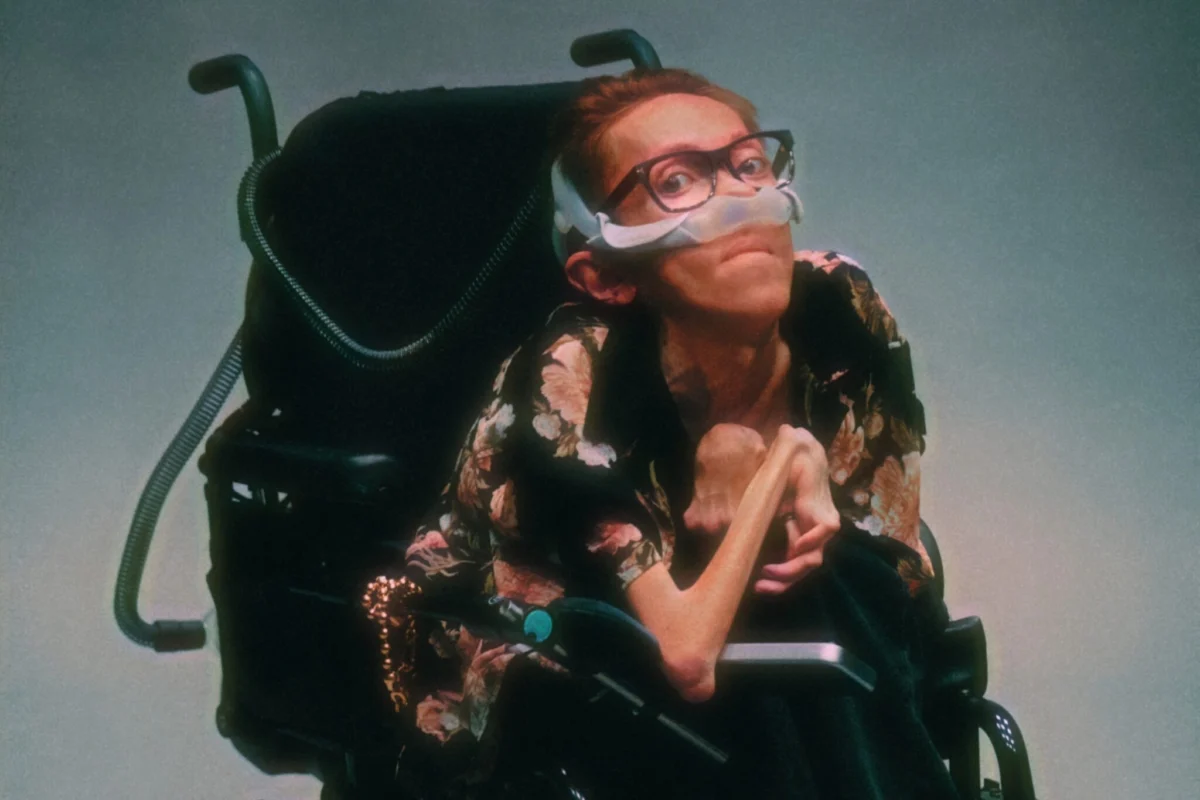
In the gleaming, high-stakes ecosystem of Hollywood, it is rare to find an artist who possesses both the razor-sharp wit of a seasoned stand-up and the audacity to take on the industry’s most formidable power brokers on the record. Steve Way, 35, is that rarity. An actor and comedian whose career has been defined by a refusal to be sidelined, Way sits at a unique intersection of artistic brilliance and systemic exclusion. Currently delivering an acclaimed performance in Hulu’s Furious, Way is simultaneously navigating a career without the traditional safety net of an agent or manager—a reality he attributes directly to the industry’s pervasive bias against performers with disabilities.
The Reality of Representation: A Lone Wolf in the Industry
Steve Way’s professional journey is a study in persistence. Despite a 15-year career in stand-up comedy and a standout three-season run on Ramy Youssef’s eponymous dramedy Ramy, Way finds himself operating as a one-man show. When asked about his lack of representation, he is blunt. "I don’t have representation. And we know why," he says, gesturing toward the motorized wheelchair he uses due to his diagnosis of muscular dystrophy, which he received at age four.
Way’s experience with the agency world has been, in his estimation, a series of dead ends. His first agent produced no tangible results, and a subsequent representative left his agency, opting not to bring Way into the fold. This leaves him in a precarious position: the burden of finding work, networking, and advocating for his own place in an industry that remains largely inaccessible to disabled talent falls entirely on his shoulders.
He speaks of the industry with a mix of exhaustion and biting humor. In a recent interview, he famously—and audaciously—referred to WME executive chairman Ari Emanuel as a “prick,” a remark made with a smirk that belies a deeper frustration. "I want an agency to whore me out," Way says with his characteristic candor. "Let’s make a ton of money together. Let’s change the world. Just get Ari on the phone. Ari loves me. Except he won’t hire me."

A Career Defined by "Furious"
If Ramy served as his breakout, Hulu’s Furious is his arrival as a serious dramatic actor. The series, created by Elizabeth Meriwether—the powerhouse behind New Girl and The Dropout—represents a turning point. The genesis of the role was unconventional: a chance meeting at a 2025 WGA panel on disability representation.
Way recalls the encounter with characteristic humor: "I did the panel really high," he admits. After finishing a stand-up tour, he was in a state of professional limbo. When asked about his current projects during the panel, he didn’t mince words: "I’m unemployed. If anyone wants to put me in their stuff, I’ll join gladly."
Meriwether, hearing the raw, unfiltered truth of his situation, acted. Two months later, Way received word that she had written a part specifically for him. In Furious, Way plays Alden, the love interest of a character portrayed by Lola Petticrew. The performance is nuanced, balancing the dark, thriller-esque elements of the plot with a grounded, human reality. Alden is a man who acknowledges his mortality but refuses to be defined by his limitations. For Way, the experience of working on Furious was transformative, primarily due to the presence of an on-set accessibility coordinator who ensured he could focus entirely on his craft.
Challenging the Narrative: The Politics of Care
Beyond the screen, Way is a vocal advocate for shifting the cultural perception of disability. He rejects the narrative that disabled people are a “burden.” Instead, he views his life and the lives of his peers through a lens of interdependence.

"Everything is transactional," Way notes. "And as a disabled person, it’s very empowering to understand that. Caregiving is a two-way street." He draws a parallel to the everyday acts of assistance that define modern life—from ride-sharing to food delivery—arguing that society’s discomfort with disability stems from a denial of our shared reliance on one another.
In Furious, this dynamic is explored through the relationship between Alden and his caregiver, Catherine. Way describes their bond as the most honest in the show, built on the necessity of boundaries and clear communication. It is a radicalized vision of intimacy that he summarizes with a phrase borrowed from fellow actor-producer Danny Kurtzman: "Disabled love is the best love."
The "Noes" and the Path Forward
Despite the critical success of Furious, the path ahead remains steep. Way has twice attempted to develop his own series—projects that would feature an entirely disabled cast and explore the systemic failures of care facilities—only to see them passed over by major streamers like Apple TV and NBCUniversal.
"It’s about the inner workings of a facility for disabled people," Way explains. "We want to have a full disabled cast and show what it’s like to live in one building with not enough caregivers, with an administration who has no idea what they’re doing, in a country that doesn’t treat us the best." He remains undeterred, slyly calling out Netflix as a potential home for the project, much like he holds out hope for an HBO special for his stand-up hour.

He admits that the constant rejection has numbed him to the “noes.” Having outlived his original life expectancy—doctors once told him he would not live past 18—Way approaches his career with the perspective of someone who has already defied the odds. "I didn’t think I could have a career of any kind, because everyone told me I wouldn’t live long," he says. "Then, when I was 25, my doctors told me I’m good. I was like, ‘Fuck! What now?’ I wasn’t good at anything besides telling jokes."
Implications for Hollywood
The case of Steve Way highlights a glaring gap in Hollywood’s push for diversity, equity, and inclusion. While the industry has made strides in visibility, the infrastructure for sustaining disabled talent remains underdeveloped. When an actor of Way’s caliber is forced to initiate his own opportunities, negotiate his own contracts, and serve as his own publicist, the industry fails to capture the full breadth of human experience that could be represented on screen.
However, the tide may be turning. For the first time, Way has a publicist, a development he describes as "wonderful." It is a small step, but for a performer who has spent years in the trenches, it signifies a shift from constant, solitary outreach to a more sustainable, professional engagement.
As he continues to push boundaries, both in his performance in Furious and his relentless pursuit of his own creative projects, Steve Way remains a vital, if disruptive, voice. He is not looking for charity; he is looking for an opportunity to prove, as he puts it, that he isn’t just a "fluke." "The only thing that’s gonna stop me is my heart," he says. In an industry that often favors the path of least resistance, Way’s refusal to stop is exactly the kind of friction Hollywood needs.