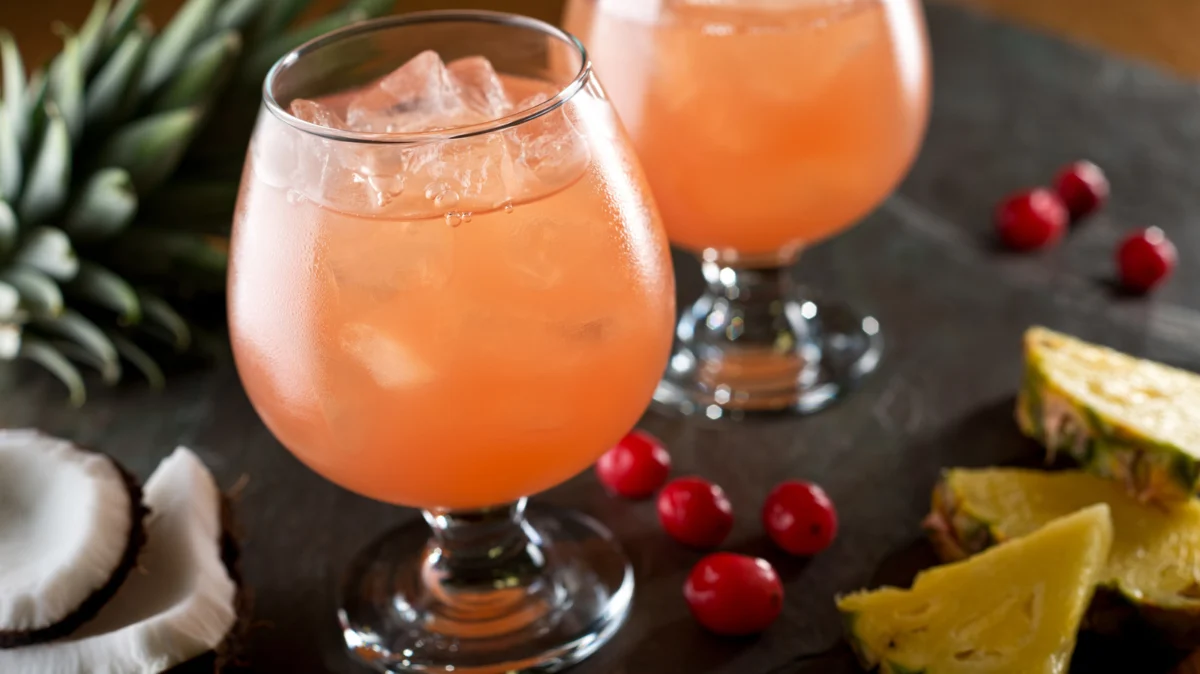
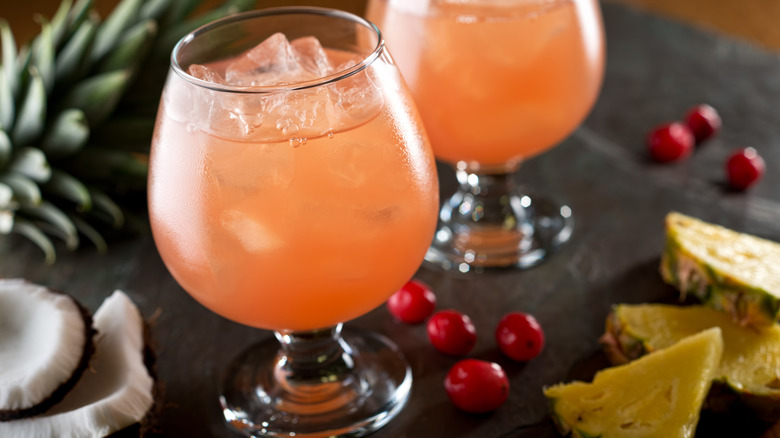
As the mercury rises and the days grow longer, the search for the perfect warm-weather libation intensifies. While the classic cocktail canon is filled with complex recipes requiring artisanal syrups and precise measurements, there is an enduring appeal to the minimalist approach. Enter the Bay Breeze: a three-ingredient marvel that balances the sharp acidity of cranberry with the lush, tropical sweetness of pineapple.
While the traditional recipe calls for vodka, a growing movement among home mixologists and professional bartenders suggests that a simple, strategic swap can elevate this drink from a standard highball to a sophisticated summer staple. By replacing the neutral kick of vodka with the velvety, coconut-infused profile of Malibu rum, you transform the beverage into an instant poolside essential.
The Core Transformation: Why Malibu Changes the Game
At its heart, the Bay Breeze is designed to be refreshing. Traditionally, the use of vodka is a functional choice; its lack of flavor profile allows the marriage of pineapple and cranberry juice to take center stage. However, this neutrality can sometimes lead to a "thin" mouthfeel or a drink that lacks character.
Malibu, often misunderstood by purists, serves as the perfect modifier for this specific flavor profile. Technically categorized as a coconut-flavored liqueur rather than a standard white rum—due to its lower ABV—it brings a syrupy, viscous texture to the glass. This texture creates a better "body" for the cocktail, allowing it to coat the palate more effectively. The subtle notes of toasted coconut and Madagascar vanilla inherent in the liqueur don’t just sit alongside the fruit juices; they integrate with the pineapple, amplifying the tropical essence of the drink to a degree that vodka simply cannot achieve.
The Evolution of the Summer Highball: A Chronological Perspective
To understand the current popularity of the Malibu Bay Breeze, one must look at the evolution of the highball format over the last half-century.
- The 1970s and 80s (The Rise of the Fruit-Forward Highball): During this era, the cocktail scene moved away from the heavy, spirit-forward drinks of the mid-century and toward accessible, fruit-juice-based combinations. The Bay Breeze (often referred to as a "Hawaiian Sea Breeze") emerged as a staple of beach bars and resort culture, prized for its vibrant red-to-gold color gradient and ease of preparation.
- The 1990s and 2000s (The Malibu Boom): As the brand Malibu became a global phenomenon, consumers began experimenting with the liqueur beyond its traditional pairing with cola or orange juice. This was the period where the "Rum Bay Breeze" gained traction in domestic settings, as the brand’s approachable sweetness appealed to a broader demographic than traditional, high-proof white rums.
- The 2020s (The Minimalist Cocktail Revival): In recent years, a shift toward "three-ingredient cocktails" has taken hold. With inflation and the rising cost of complex bar ingredients, consumers are seeking high-impact, low-effort drinks. The Malibu Bay Breeze has emerged as a poster child for this movement, favored for its ability to provide a "vacation in a glass" with minimal grocery shopping.
Anatomy of the Perfect Pour: The Methodology
Achieving the perfect balance in a three-ingredient cocktail requires attention to ratios. Because Malibu is sweeter and less potent than 80-proof vodka, the standard 1:1:1 ratio used for some highballs should be adjusted to ensure the drink remains crisp rather than cloying.
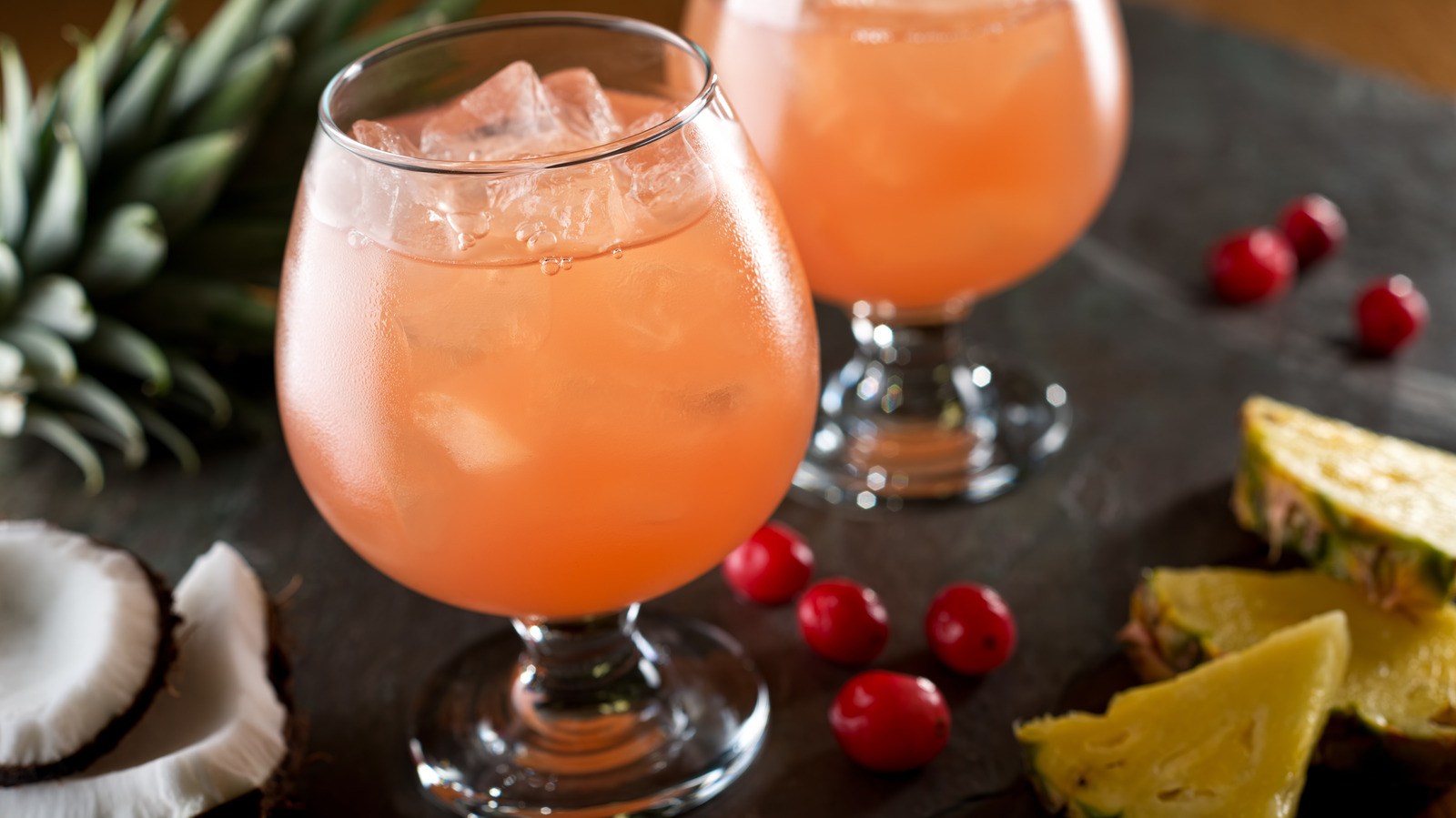
The Ideal Build:
- The Base: Start with 2 ounces of Malibu rum. Pour this over a glass filled with fresh, cracked ice. Using fresh ice is crucial to prevent early dilution, which can make the coconut profile feel watery.
- The Tropical Component: Add 3 ounces of high-quality pineapple juice. If you can source pressed, unfiltered pineapple juice, the texture will be significantly creamier and more aromatic.
- The Tart Counterbalance: Top with 2 ounces of cranberry juice. The acidity of the cranberry is the "anchor" of the drink; it cuts through the sugar of the liqueur and the pineapple, providing the necessary tension to keep the drink refreshing.
- The Garnish: A dehydrated lime wheel or a fresh pineapple wedge is not merely aesthetic. As you sip, the aromatic oils from the garnish interact with the coconut notes, tricking the brain into perceiving a more complex flavor profile.
Customization and Complexity: Tailoring the Experience
The beauty of the Malibu Bay Breeze lies in its modularity. Once the base is established, it becomes a canvas for further experimentation.
Adjusting for Sweetness and Acidity
If the drink feels too tart, there is no need to add sugar directly. Instead, consider an infusion. A pineapple-infused simple syrup, or even a drop of coconut-cream concentrate, can round out the edges. Conversely, for those who find the drink too sweet, a dash of freshly squeezed lemon or lime juice acts as a "flavor bridge," brightening the pineapple and separating the distinct notes of the cranberry.
The Role of Grenadine
For those seeking a more decadent experience, a small float of grenadine at the bottom of the glass adds a depth of pomegranate-like sweetness. This not only enhances the visual appeal—creating a deeper sunset hue—but also adds a layer of tannin that balances the creamy coconut notes of the rum.
Transitioning to Evening: The Malibu Black Variation
As the sun sets and the atmosphere shifts from casual daytime sipping to evening lounging, the flavor profile of the drink can be adjusted accordingly. For a "nighttime" version of the Bay Breeze, mixologists recommend switching from original Malibu to Malibu Black.
Malibu Black features a higher ABV and a more robust rum base. It trades the light, airy coconut profile for notes of dark caramel, cinnamon, and toasted oak. When mixed with the same ratio of pineapple and cranberry, the result is a deeper, spicier, and more contemplative cocktail that holds its own against the cooling evening air.
Implications for the Modern Home Bar
The shift toward upgrading the Bay Breeze with Malibu is a microcosm of a larger trend in beverage consumption: the democratization of mixology. The "10x better" sentiment associated with this swap speaks to the consumer’s desire for cocktails that are not only easy to make but also highly personal.
This trend has significant implications for how we view home hospitality. By focusing on high-quality fruit juices and purposeful spirit swaps, the average person can host guests with a level of sophistication that was previously gated behind expensive equipment and professional training. The Malibu Bay Breeze proves that you don’t need a library of tinctures or an array of bitters to craft a memorable drink; you simply need an understanding of how to balance sweetness, acidity, and texture.
Final Thoughts: The Art of Simple Sophistication
The Bay Breeze remains a classic for a reason—it is the quintessential summer drink. However, by embracing the unique characteristics of coconut rum, we elevate it from a simple mixed drink to a thoughtful, balanced cocktail. Whether you are hosting a large-scale summer barbecue or simply looking for a quiet moment of refreshment on your patio, the Malibu-infused Bay Breeze offers a reliable, delicious, and deeply satisfying experience.
As we move through the summer months, keep this recipe in your rotation. Experiment with the ratios, explore the differences between standard and black rum, and don’t be afraid to experiment with citrus garnishes. After all, the best part of a three-ingredient cocktail is that there is always room to make it your own. By keeping the ingredients simple and the quality high, you ensure that every sip feels like a celebration of the season.