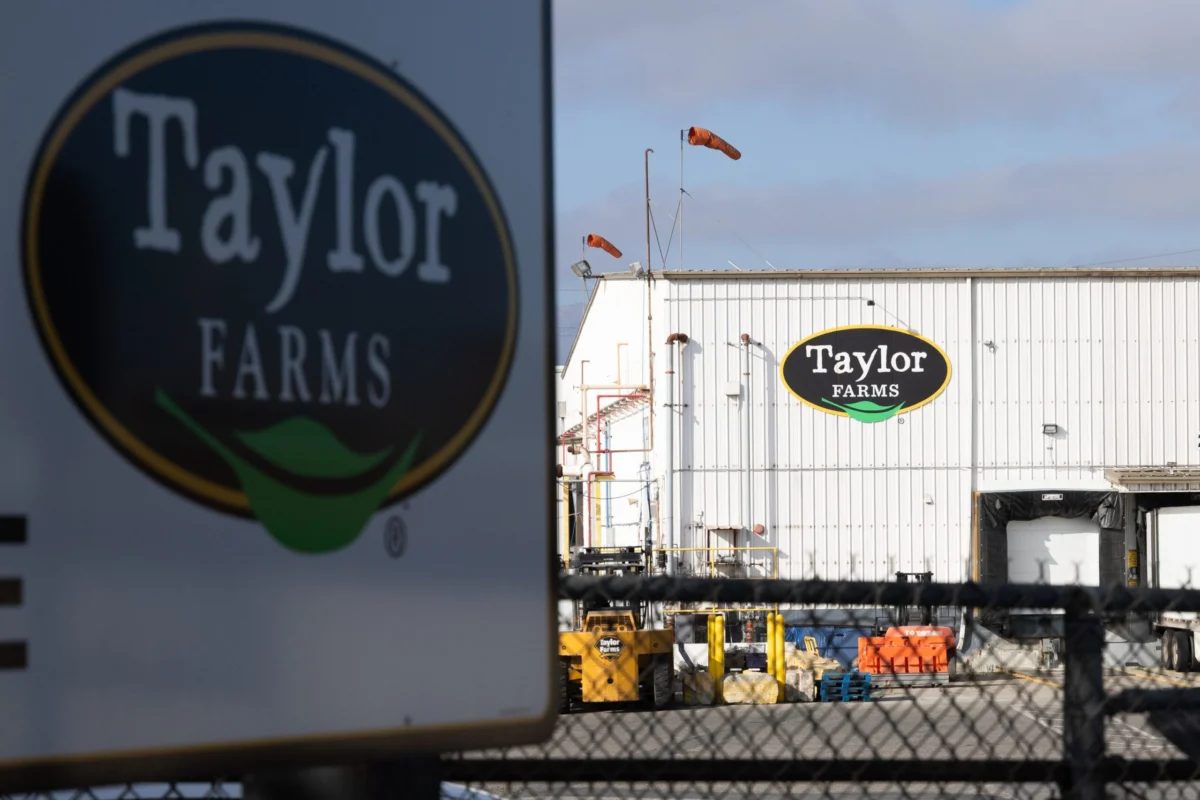
In a significant escalation of a developing public health crisis, Taylor Farms, one of North America’s largest fresh produce processors, has announced a major expansion of its voluntary recall of iceberg lettuce products. The move comes as federal health officials link the California-based company’s supply chain in central Mexico to a massive and growing outbreak of Cyclospora cayetanensis, a resilient parasite that has sickened thousands across the United States.
The recall expansion, confirmed late Friday, signals a broadening of the risk beyond initial reports, now encompassing 27 states and dozens of product lines. As the Centers for Disease Control and Prevention (CDC) and the Food and Drug Administration (FDA) intensify their investigation, the food service industry is reeling from the logistical challenge of purging contaminated greens from a complex, international supply chain.
Main Facts: The Scope of the Contamination
The expanded recall focuses on shredded iceberg lettuce and various salad mix products sourced from a specific growing region in central Mexico. According to a statement released by Taylor Farms, the company has identified a specific "implicated lot" as the likely source of the contamination.
Geographic Reach and Affected Products
The recall now impacts a vast geographic footprint, with products distributed to 27 states, including major population hubs such as Texas, Florida, Pennsylvania, Illinois, and New Jersey. The risk is not confined to grocery store shelves; much of the affected lettuce was destined for industrial food service providers, restaurants, and institutional kitchens.
Taylor Farms has identified 25 specific shredded lettuce and salad mix products sold under eight different brand codes. While the company has not publicly released the full list of retail brand names or the specific grocery chains involved, the recall includes products with "best by" dates extending as late as August 3. This indicates that contaminated products may still be in consumer refrigerators or restaurant walk-in coolers.
The Role of Sysco and Taco Bell
Sysco, the nation’s largest food distributor, has taken the unprecedented step of halting all distribution of Taylor Farms iceberg lettuce sourced from Mexico. In a directive issued to its thousands of clients—which include hospitals, schools, and major restaurant chains—Sysco instructed customers to immediately cease use and destroy any remaining inventory of the implicated products.
The recall follows the identification of the parasite in food served at Taco Bell restaurants in five Midwestern states: Indiana, Kentucky, Michigan, Ohio, and West Virginia. While Taco Bell has stated it has successfully removed the affected ingredients from its supply chain nationwide, the ripple effects of the contamination are now being felt far beyond the fast-food sector.
Chronology: From Isolated Cases to a National Emergency
The timeline of the 2026 Cyclospora outbreak reveals a rapid transition from localized clusters of illness to a full-scale national health investigation.
- Early July 2026: Health departments in the Midwest began reporting an unusual spike in gastrointestinal illnesses. Initial patient interviews pointed toward a common link: consumption of fresh produce at quick-service restaurants.
- Mid-July 2026: The CDC and FDA officially launched a joint investigation after laboratory tests confirmed the presence of Cyclospora in patients across five states. The investigation quickly narrowed its focus to shredded lettuce served at Taco Bell locations.
- July 22, 2026: Federal officials publicly identified lettuce from a Mexican supplier as the likely vector. Taco Bell began a voluntary removal of shredded lettuce from its regional supply chain.
- July 23, 2026: Taylor Farms, identifying itself as the processor for the implicated lettuce, issued its initial recall notice. The company suspended all sourcing from the specific lot in central Mexico.
- July 24, 2026 (Friday): Following further tracing and data from the CDC, Taylor Farms expanded the recall to include 25 products and eight brand codes, extending the reach to 27 states. Sysco followed suit by halting distribution of all Mexican-sourced iceberg lettuce from Taylor Farms.
Supporting Data: A Historic Surge in Infections
The statistical data provided by the CDC paints a grim picture of the current outbreak compared to historical norms. The 2026 season has seen a catastrophic increase in Cyclospora cases, overwhelming many local health departments.
Infection Statistics
As of the latest reporting period, the CDC has confirmed at least 1,645 cases of cyclosporiasis across the U.S. linked to this season. Of those, 141 individuals have required hospitalization due to severe dehydration and complications. Perhaps most concerning is the CDC’s announcement that it is currently investigating more than 5,000 additional "potential" cases that may be linked to this specific outbreak.
To put these numbers in perspective, at this same point in the previous year, only 249 cases had been reported nationwide. The nearly seven-fold increase in confirmed cases suggests either a much higher level of contamination in the food supply or a more virulent strain of the parasite.
The Nature of the Pathogen
Cyclospora cayetanensis is a microscopic, single-celled parasite. Unlike bacteria such as E. coli or Salmonella, which can often be mitigated through certain washing techniques, Cyclospora is notoriously difficult to remove from fresh produce. The parasite is typically transmitted when food or water is contaminated with infected human feces. In the context of large-scale agriculture, this often occurs through contaminated irrigation water or during the washing and processing stages if the water source is not properly treated.
The CDC describes the resulting illness as an intestinal infection marked by "frequent and sometimes explosive bowel movements." Other symptoms include loss of appetite, weight loss, stomach cramps, bloating, increased gas, nausea, and fatigue. If left untreated, the symptoms can last from a few days to a month or longer, and may recur in cycles.
Official Responses: Industry and Government Statements
The response from the corporate entities involved has been one of rapid containment and damage control, while government agencies focus on public warnings and trace-back efforts.
Taylor Farms
In their Friday statement, Taylor Farms emphasized their commitment to consumer safety: “We are actively removing the implicated products from the marketplace. We have stopped sourcing lettuce from the implicated lot in central Mexico and are working around the clock with health officials to ensure the integrity of our supply chain.” The company has faced criticism, however, for not immediately providing a comprehensive list of retail brand names, leaving some consumers uncertain about the products in their homes.
Taco Bell
A spokesperson for Taco Bell addressed the company’s role in the initial discovery: “Taco Bell worked swiftly to voluntarily remove the product from restaurants, and the affected ingredient has been removed from our supply chain nationwide. Our priority is the health and safety of our customers and team members.”
Federal Agencies (CDC and FDA)
The CDC has issued a standing warning to consumers, particularly those in the affected 27 states, to be vigilant. “If you have shredded lettuce or salad mixes in your home and cannot confirm the source or the brand code, it is safest to discard them,” a CDC spokesperson stated. The FDA is currently conducting an "on-site" assessment of the supply chain logistics, focusing on how the parasite entered the water or soil in the Mexican growing region.
Implications: Supply Chain Vulnerability and Food Safety Policy
The Taylor Farms recall highlights several systemic vulnerabilities in the modern global food supply chain, particularly regarding "ready-to-eat" (RTE) produce.
The Risk of Processed Greens
Shredded lettuce is particularly susceptible to large-scale outbreaks. The process of shredding increases the surface area of the vegetable, providing more "nooks and crannies" where parasites like Cyclospora can cling. Furthermore, when lettuce from various farms is mixed in large processing vats, a single contaminated head of lettuce can potentially contaminate thousands of pounds of product.
International Sourcing and Oversight
The fact that the contamination originated in central Mexico raises ongoing questions about the oversight of imported produce. While the Food Safety Modernization Act (FSMA) granted the FDA more authority to oversee foreign suppliers, the sheer volume of produce crossing the border makes physical inspection of every shipment impossible. This outbreak may lead to calls for stricter water-testing requirements for international growers who export to the U.S. market.
Economic and Consumer Impact
The economic fallout for Taylor Farms and its partners will likely be substantial. Beyond the immediate loss of product and the cost of the recall, the long-term damage to consumer confidence in "bagged salads" can be long-lasting. For the restaurant industry, the disruption in the lettuce supply—coupled with the negative publicity of a parasitic outbreak—comes at a time when many businesses are already struggling with rising food costs.
As the investigation continues, health officials expect the number of confirmed cases to rise. The 5,000 pending cases currently under review suggest that the 2026 Cyclospora outbreak may become one of the most significant foodborne illness events in recent American history. For now, the message from officials is clear: when in doubt, throw it out. Consumers experiencing prolonged gastrointestinal distress are urged to contact their healthcare providers and request specific testing for Cyclospora, as it requires a different diagnostic test than more common bacterial infections.