Two micrograms. It is a measurement that defies the human imagination—a speck of matter weighing significantly less than a microscopic fragment of a grain of table salt. Yet, this near-imperceptible amount of vitamin B12 acts as a fundamental pillar of human physiology. It is the essential chemical spark required to synthesize DNA, maintain the integrity of our nervous system, and facilitate the constant, rapid production of red blood cells.
As we approach 2026, marking the centennial of one of the most transformative discoveries in the history of clinical medicine, the story of B12 remains as relevant as ever. Despite its critical role, B12 deficiency is a pervasive, often overlooked, and frequently misunderstood condition that plagues millions globally.
A Century of Discovery: From Liver Diets to Molecular Science
The narrative of B12 is rooted in a medical crisis that was, until the 1920s, a death sentence. Pernicious anemia, a condition characterized by the body’s inability to produce sufficient healthy red blood cells, was once universally fatal. In 1926, physicians George Minot and William Murphy stunned the medical community by reporting that a diet rich in raw liver could induce a miraculous recovery in patients who had been on the brink of death.
This breakthrough did not emerge from a vacuum; it was the culmination of an unexpected scientific detour. Years earlier, pathologist George Whipple had observed that dogs suffering from anemia due to blood loss recovered more quickly when fed liver. While Whipple’s anemia was caused by physical blood loss—and pernicious anemia is, in fact, an absorption failure—the link between liver and hematopoiesis (blood formation) was established.
Scientists spent the following decades isolating the specific "blood-forming factor" within the liver. The result was the discovery of a deep red, cobalt-containing compound now known as cobalamin, or vitamin B12. This discovery not only saved countless lives but also earned Minot, Murphy, and Whipple the Nobel Prize in Physiology or Medicine in 1934.
The Mechanics of Deficiency: Why Modern Diets and Aging Fail
Despite our advanced understanding of B12, deficiency remains remarkably common. The challenge lies in the complexity of how the human body processes this nutrient. Unlike other vitamins that can be absorbed through simple osmosis, B12 requires a sophisticated "chaperone" system.
The Absorption Hurdle
Vitamin B12 is naturally found primarily in animal-based foods: meat, fish, eggs, and dairy. For vegans and vegetarians, supplementation is a biological necessity. However, even for those who consume adequate amounts, the biological pathway to absorption is fraught with potential failure points:
- Stomach Acid Levels: The process begins in the stomach, where acid is required to cleave B12 from the food matrix. As we age, many individuals produce less stomach acid, rendering them incapable of extracting the vitamin from their meals.
- The Intrinsic Factor: Once released, B12 must bind to a protein called "intrinsic factor," produced by the stomach lining. Autoimmune gastritis—a condition where the immune system mistakenly attacks these cells—can destroy the body’s ability to produce this vital protein.
- Clinical Interventions: Modern medical treatments, including certain diabetes medications (like metformin) and common acid-reflux drugs, can inadvertently inhibit the absorption of B12, leading to gradual, sub-clinical deficiency.
Symptoms: The "Great Masquerader" of Aging
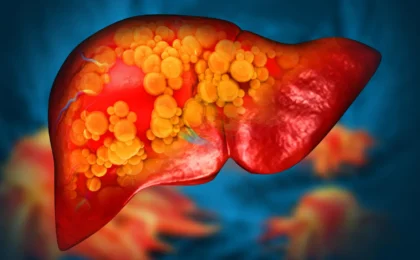
The insidious nature of B12 deficiency is that its symptoms are rarely alarming in their early stages. Because the body stores several years’ worth of B12 in the liver, depletion occurs slowly, often masking itself as the general decline associated with aging.
Patients frequently report:
- Persistent Fatigue: A crushing, unrelenting exhaustion that does not resolve with sleep.
- Neurological Disturbance: Numbness or tingling in the extremities (paresthesia), which can progress to balance and coordination issues.
- Cognitive Decline: Often labeled "brain fog," this can manifest as memory lapses or difficulty concentrating.
Medical professionals caution that these symptoms are non-specific. Attributing them to "getting older" is a dangerous clinical assumption. Anyone experiencing these changes, particularly those in high-risk categories such as the elderly or those on restrictive diets, should prioritize blood testing over self-diagnosis.
Rethinking Fatigue: Beyond Anemia
For decades, the medical establishment viewed B12-related fatigue solely through the lens of anemia. The logic was simple: without B12, bone marrow cannot produce healthy red blood cells, leading to "megaloblastic anemia," where cells are too large and inefficient at carrying oxygen.

However, recent research suggests that the fatigue associated with low B12 levels may have a deeper, cellular origin. Vitamin B12 serves as a co-factor for only two enzymes in the human body. While one governs DNA synthesis, the other is crucial for mitochondrial function. Mitochondria are the powerhouses of our cells, responsible for converting nutrients into usable energy.
The Mitochondrial Connection
A groundbreaking study published in 2026 has shed light on how low B12 interferes with mitochondrial DNA. Using skeletal muscle models, researchers observed that insufficient B12 levels led to a direct reduction in energy production. A secondary study involving aged mice further supported this, showing that B12 supplementation significantly improved the structural integrity and number of mitochondria in muscle tissue.
This suggests that even before a patient becomes "anemic" in the traditional clinical sense, they may be suffering from a cellular energy crisis. This provides a compelling scientific rationale for the profound exhaustion reported by patients whose blood counts are only marginally low.
Official Guidance and the "Wellness" Trap
As the popularity of "wellness clinics" and boutique "medispas" grows, so too does the marketing of B12 injections for non-deficient individuals. These clinics often promise increased metabolism, weight loss, and athletic performance.
However, medical bodies, including the NHS, maintain a strict stance: there is no evidence that B12 injections provide a performance boost to individuals with already normal levels.
For those with a diagnosed deficiency—particularly those with absorption issues—intramuscular injections of hydroxocobalamin are the gold standard of care, bypassing the malfunctioning digestive system entirely. For the rest of the population, however, the "B12 shot" is an unnecessary expense. The clinical consensus is clear: if you are tired, the priority must be a diagnostic workup to identify the root cause, rather than seeking a synthetic "quick fix."
Implications for the Future
As we look toward the next century of nutritional science, vitamin B12 remains a testament to the fact that biology is often governed by the infinitesimal. We have moved from identifying B12 as a survival factor against a fatal disease to understanding it as a master regulator of cellular energy and aging.
The implications for public health are significant. With a rapidly aging global population and a shifting landscape of dietary habits, the medical community must pivot toward better screening protocols. We are learning that "normal" lab ranges might not be "optimal" for every individual, particularly as we attempt to preserve mitochondrial health in our later years.
Ultimately, the story of B12 reminds us that health is not merely the absence of disease, but the presence of the right chemical balance at the microscopic level. Whether it is a grain of salt or a microgram of cobalamin, the smallest components of our diet continue to dictate the largest outcomes for our long-term vitality.
If you are concerned about your vitamin B12 levels, consult your primary healthcare provider. A simple serum B12 test, often accompanied by tests for methylmalonic acid (MMA) or homocysteine, can provide a clear picture of your status and help determine if supplementation or medical intervention is required.