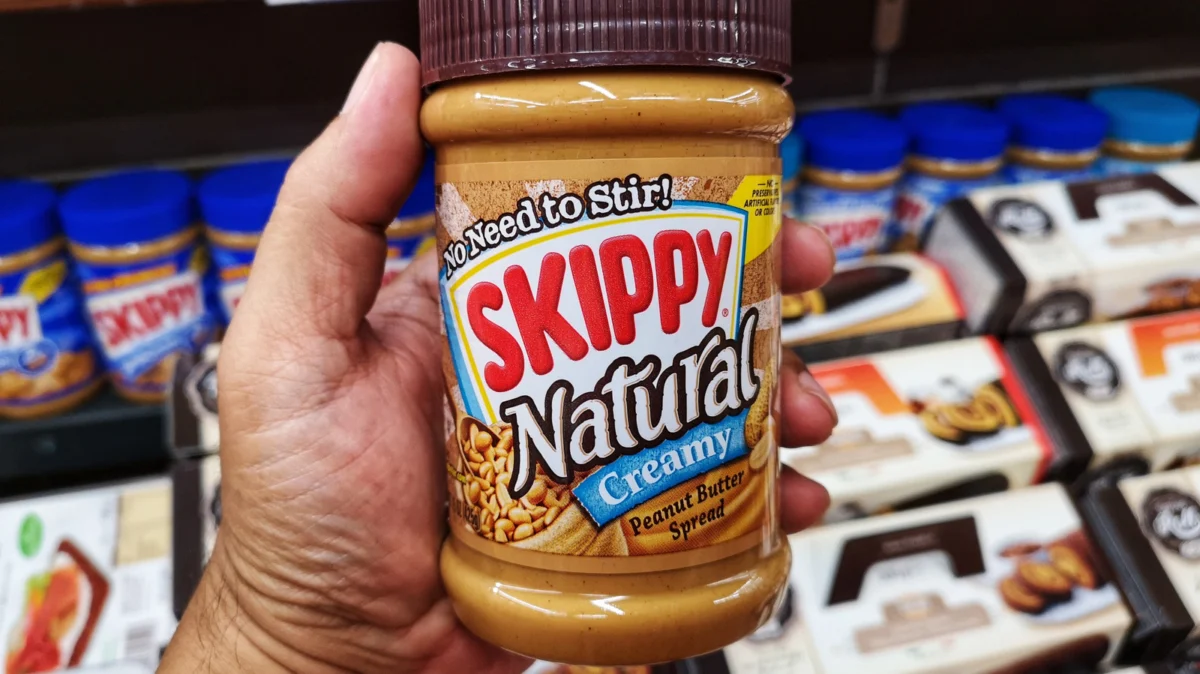
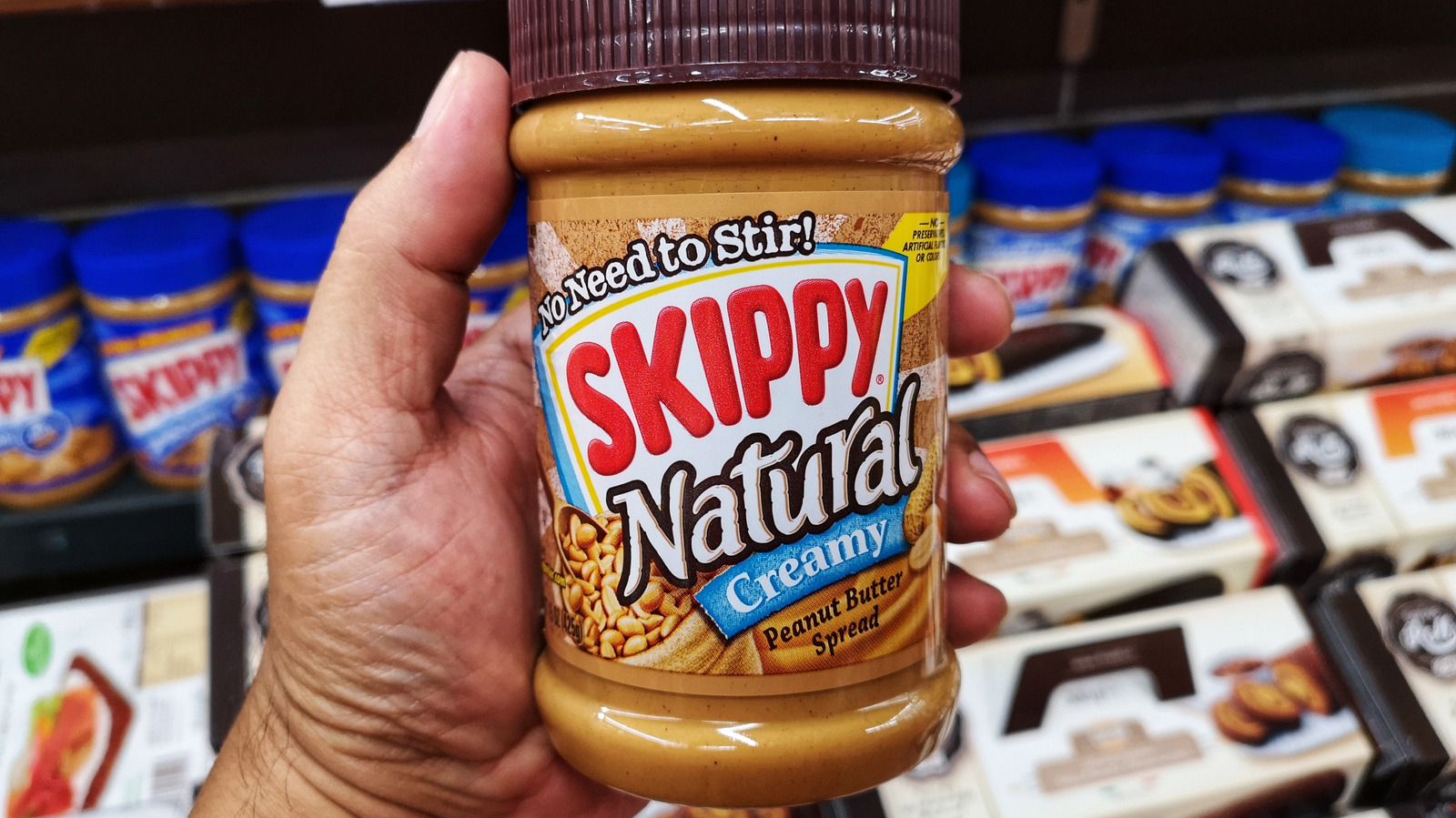
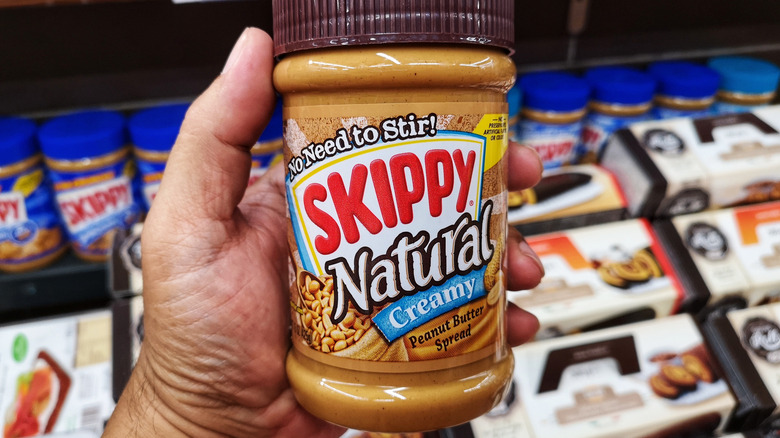
When you walk down the condiment aisle of your local grocery store, the jars lined up on the shelves seem straightforward. You reach for a jar of "Skippy Natural," expecting the classic peanut butter experience. However, a closer inspection of the label reveals a subtle, yet legally significant, distinction: it is branded as a "Peanut Butter Spread."
To the average consumer, this word choice might seem like a mere marketing flourish or a distinction without a difference. Yet, in the strictly regulated world of the Food and Drug Administration (FDA), that single word—"spread"—is a mandatory designation. It signals that the product inside the jar fails to meet the federal government’s rigid definition of what truly constitutes "peanut butter."
The Core Conflict: What Defines Peanut Butter?
The FDA’s regulations, specifically found in Title 21 of the Code of Federal Regulations, are remarkably precise regarding food identity. According to Section 164.150, for a product to be legally marketed as "peanut butter" in the United States, it must be comprised of at least 90% peanuts.
The remaining 10% is reserved for seasoning and stabilizing ingredients, such as salt, sweeteners, or hydrogenated vegetable oils. These oils are specifically permitted under the FDA guidelines to ensure the product maintains its desired texture and shelf stability.
Skippy Natural, however, deviates from this standard formula. The product incorporates palm oil as its primary stabilizer. Because palm oil is not classified as a "permitted hydrogenated vegetable oil" under the specific FDA standard of identity for peanut butter, its inclusion—regardless of its function—disqualifies the product from using the simple "peanut butter" label. Consequently, the FDA mandates the use of the term "spread" to ensure consumers are not misled about the composition of the product.
A Chronological Look: The Battle for the Label
The regulation of peanut butter is not a modern bureaucratic invention; it is the result of decades of negotiations between federal regulators and the food industry.
The 1960s: Defining the Standard
The current landscape of peanut butter regulation began taking shape in 1961. During this period, the FDA noticed a troubling trend: several major manufacturers were quietly reducing the peanut content in their jars by as much as 20%, replacing the legumes with cheaper, non-peanut oils.
The FDA initially proposed a strict 95% minimum peanut content requirement. The goal was to protect the consumer from products that were essentially "diluted" peanut butter. However, this proposal met with significant resistance from the "Big Three" of the industry: Skippy, Jif, and Peter Pan.
The Compromise
These major manufacturers argued that consumers were not looking for pure, roasted peanuts alone; they were looking for convenience. Modern shoppers demanded a product that was easily spreadable, shelf-stable, and consistently sweet. The industry argued that a 95% threshold would make it nearly impossible to achieve these desired characteristics.
Ultimately, the FDA and the manufacturers reached a compromise: the minimum peanut content was set at 90%. Any product falling below this threshold, or utilizing ingredients outside the approved list (such as palm oil), would be legally required to drop the "butter" suffix and use the term "spread."
The Science of Stability: Why Palm Oil?
If "pure" peanut butter is just ground peanuts, why do companies like Skippy use palm oil at all? The answer lies in the physics of natural separation.
In its most basic form, peanut butter is a mixture of solid peanut particles and liquid peanut oil. Over time, gravity takes its toll, and the oil rises to the top of the jar, leaving a hardened, dry mass of peanut solids at the bottom. This necessitates the "stirring" ritual familiar to anyone who buys organic, peanut-only brands.
To cater to consumer convenience—eliminating the need for vigorous stirring—manufacturers introduce stabilizers. Palm oil is highly effective in this regard; it remains solid at room temperature and creates a uniform, creamy suspension that prevents the oil from separating. While this creates a consistently smooth product that is ready to use the moment the seal is broken, it fundamentally changes the chemistry of the product, thereby triggering the FDA’s "spread" labeling requirement.
Consumer Implications and Health Considerations
The label "spread" serves as a crucial signal for the health-conscious consumer. Because Skippy does not publicly disclose the exact percentage of peanuts in its Natural Spread, the label acts as the primary indicator of the product’s modification.
Ingredients to Watch
When a product is labeled as a "spread" rather than "peanut butter," it is often a cue for consumers to flip the jar and examine the nutrition label. Factors to watch for include:
- Added Sugars: Many spreads use sweeteners to compensate for the reduction in natural peanut density or to enhance flavor profiles.
- Sodium Content: High levels of sodium are frequently found in mass-market spreads, which can be a concern for those monitoring blood pressure.
- Hydrogenated vs. Non-Hydrogenated Oils: While some spreads use palm oil, others may use hydrogenated oils, which have been a subject of scrutiny due to their association with trans fats.
The Trade-off
The trade-off is clear: by choosing a "spread," the consumer gains convenience and a specific, consistent texture, but they lose the purity of a product that is at least 90% peanuts. For those who prefer a product with fewer additives, the "natural" label on the front of the jar can be deceptive. While the ingredients in a spread like Skippy Natural are not "artificial," they are definitely "additional."
Industry Perspectives: The Balancing Act
It is important to note that the major players in the industry are not necessarily trying to deceive the public, but rather to meet market demand. Industry data consistently shows that consumers gravitate toward products that do not require oil separation.
When the FDA standards were being finalized, the pushback from brands like Skippy was rooted in the reality of mass production. Maintaining a consistent texture across millions of jars requires a standardized approach to fat content and emulsification. If these brands were forced to stick strictly to the "peanut butter" definition, they would be unable to provide the specific mouthfeel and consistency that the average American shopper expects from the category.
Conclusion: Informed Consumption
Understanding why Skippy Natural is legally a "spread" and not a "peanut butter" provides a valuable lesson in consumer literacy. The FDA’s labeling requirements are not designed to punish manufacturers, but to provide a consistent framework that allows consumers to know exactly what they are purchasing.
When you reach for that jar of spread, you are making a choice. You are choosing the convenience of a no-stir, creamy, consistent product. However, it is essential to recognize that the terminology on the label is not accidental. It is a legal distinction that reflects the presence of stabilizers like palm oil, which differentiate the product from the standardized definition of peanut butter.
In the future, as consumers become increasingly interested in the provenance and composition of their food, the "spread" vs. "peanut butter" distinction will likely remain a key battleground. By paying attention to the fine print, shoppers can ensure that their dietary choices align with their nutritional goals, proving that in the world of food labeling, the most important information is often hidden in plain sight.