For nearly two decades, the International House of Pancakes (IHOP) has occupied a central position in the American breakfast landscape. Yet, few items have commanded the level of cult-like devotion associated with the brand’s "Stuffed French Toast." After a prolonged hiatus that left fans clamoring for its return, the dish is officially back, signaling a strategic shift for the diner giant.
This article explores the journey of this breakfast staple, the engineering behind its revival, and what its return says about the power of consumer sentiment in the modern food industry.
Main Facts: The Comeback of a Breakfast Titan
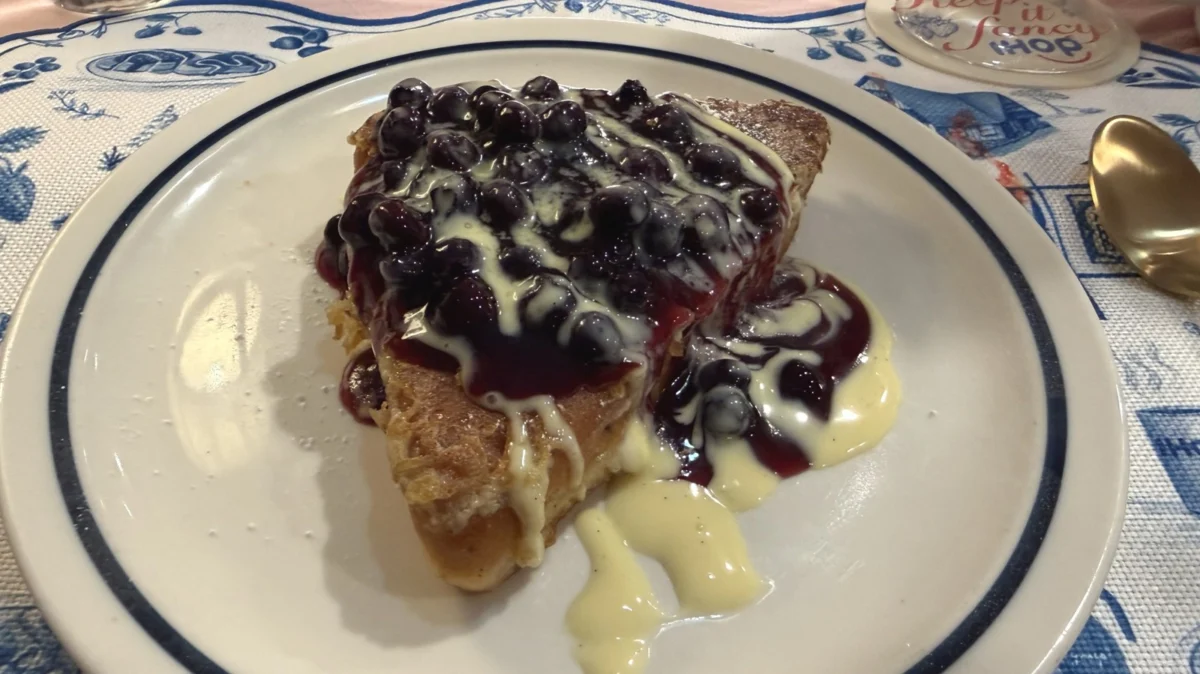
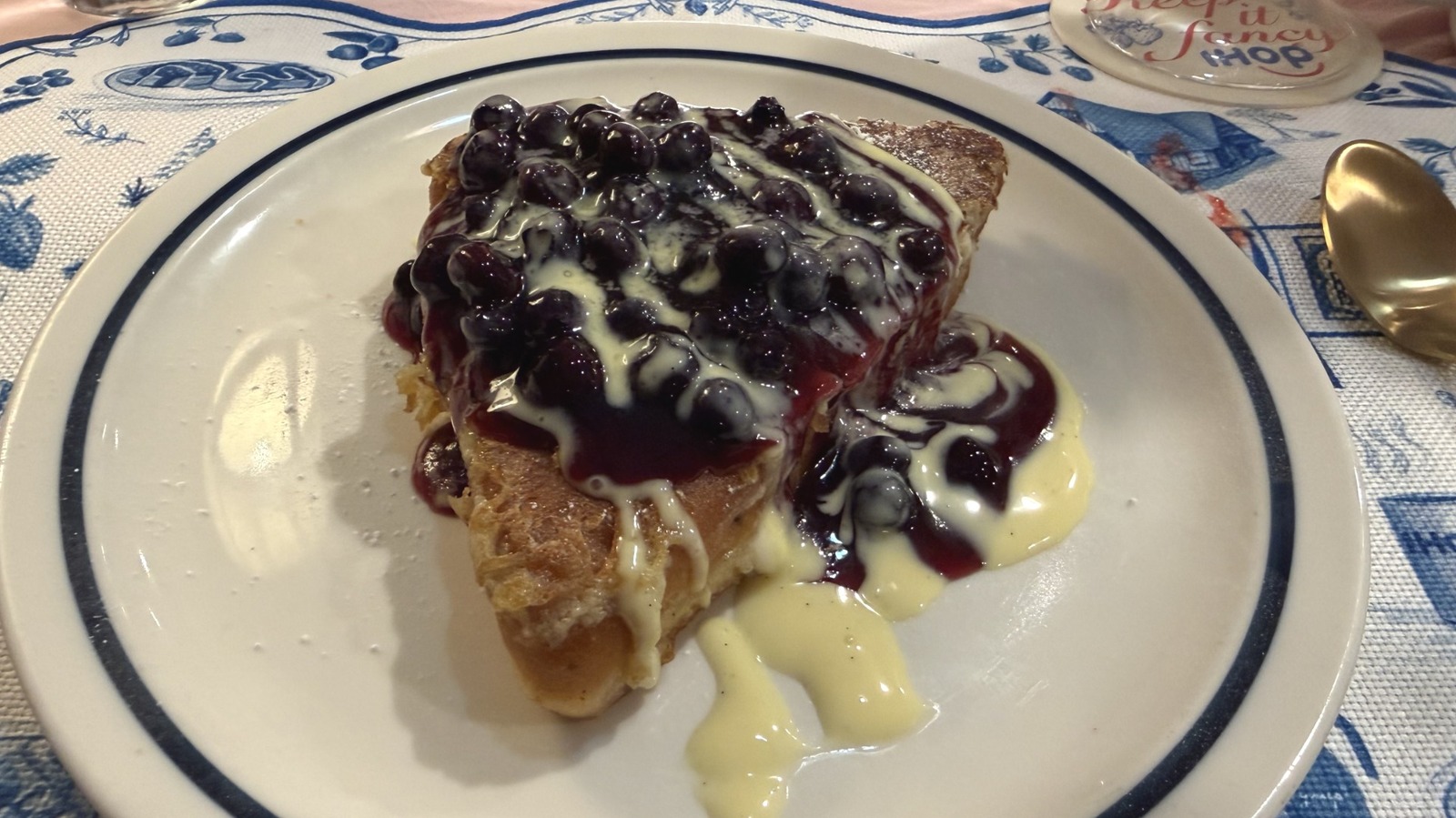
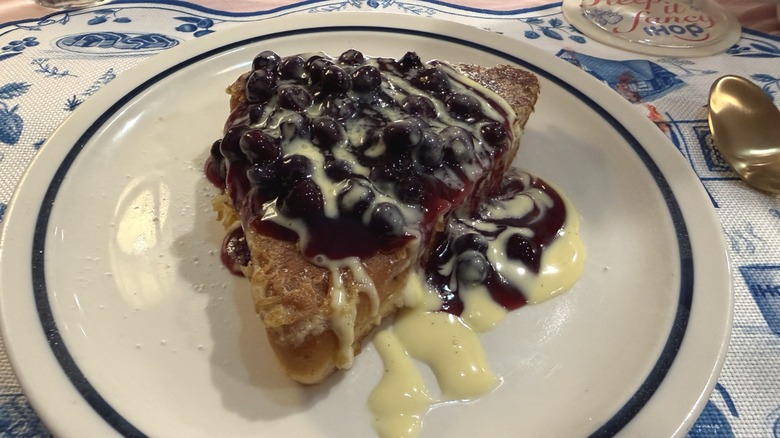
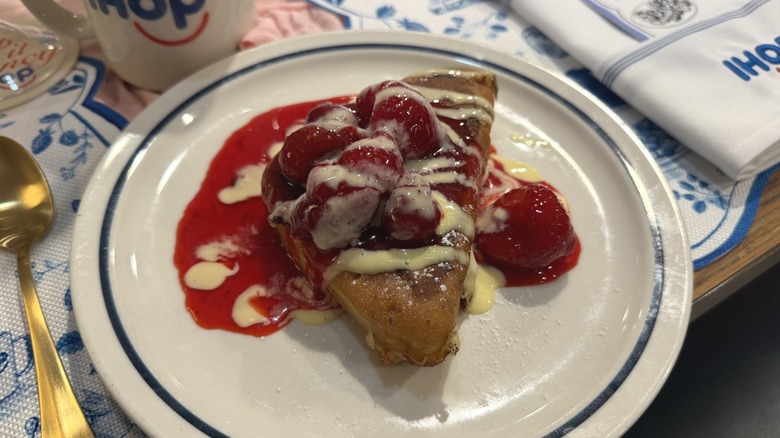
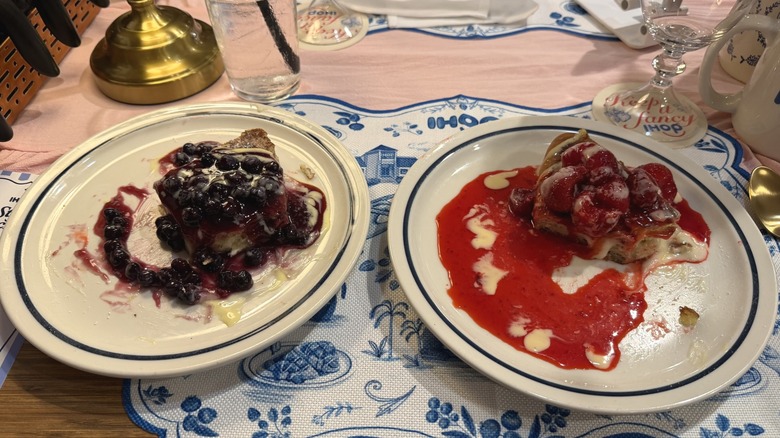
The IHOP Stuffed French Toast, which first graced menus in 2003, is returning to restaurants nationwide this September. The relaunch features two distinct flavor profiles: Strawberry Vanilla and Blueberry Vanilla. Each plate consists of two thick, bread-based triangles packed with a signature sweet cream cheese filling, drizzled with vanilla sauce, and crowned with a generous portion of fruit compote.
For the uninitiated, the appeal of the Stuffed French Toast lies in its indulgence. It sits at the intersection of breakfast and dessert, providing a textural experience that combines a crispy, cinnamon-dusted exterior with a warm, molten core. The relaunch is not merely a reintroduction; it is a refined version of the original, utilizing an upgraded "three-prong" stuffing technique designed to ensure the cream cheese filling is distributed evenly across every bite.
A Chronological Journey: From Menu Staple to Missing in Action
The history of the Stuffed French Toast is a testament to the changing tides of corporate menu management.
- 2003: The Debut. The dish enters the national stage, quickly becoming a best-seller and a signature item that differentiated IHOP from its competitors.
- 2003–2020: The Golden Era. For seventeen years, the item remained a consistent anchor on the menu, beloved by regulars and sought after by brunch enthusiasts.
- 2020: The Pivot. Amidst the global pandemic, IHOP underwent a comprehensive menu streamlining process. To make room for new culinary experiments—such as an expanded range of crepes and specialized pancake variations—the brand made the controversial decision to retire the Stuffed French Toast.
- 2020–2024: The Grassroots Campaign. The removal of the dish triggered an immediate backlash. Fans utilized social media platforms, including X (formerly Twitter) and TikTok, to demand its return. The outcry eventually culminated in an organized online petition that garnered significant traction, placing the dish at the top of IHOP’s "most requested" list.
- 2024: The Reintroduction. Responding to years of sustained pressure and data-driven feedback, IHOP confirms that the fan-favorite is returning to the permanent rotation, with availability scheduled through early 2027.
Supporting Data: The Anatomy of a Successful Review
To understand if the product lives up to the nostalgia, one must look at the technical execution. In a recent controlled taste test, the dish was measured against three criteria: structural integrity, flavor balance, and the effectiveness of the new filling distribution.
The Flavor Profile
The Strawberry Vanilla variation leans heavily into the "dessert-for-breakfast" aesthetic. While the strawberry compote is vibrant and visually appealing, its flavor profile is decidedly candy-forward. It is a nostalgic taste that will likely resonate with younger demographics and those seeking a treat-like breakfast.
In contrast, the Blueberry Vanilla variation offers a more sophisticated balance. The tartness of the blueberries cuts through the sweetness of the cream cheese, providing a complex flavor profile that feels less one-dimensional. The berries remain firm, offering a necessary textural contrast to the soft, airy bread.
The Engineering of the "Three-Prong" Technique
One of the most common complaints regarding stuffed breakfast items is the "dry center" phenomenon. IHOP’s culinary team, led by VP of Culinary Art Carl, addressed this by implementing a three-prong injection method.
My analysis confirmed that this technique is largely successful. While the center of the toast—the thickest part of the bread—occasionally experienced a slight dip in filling density compared to the edges, the overall experience was significantly more consistent than similar dishes found in other casual dining chains. The edges, in particular, remained perfectly crispy, likely due to the high-quality cinnamon-vanilla batter used in the searing process.
Official Responses: The Corporate Perspective
IHOP’s decision to bring back the Stuffed French Toast is a calculated move that underscores a shift in how major franchises listen to their customers. According to Candace Graham, a senior executive on the IHOP public relations team, the decision was driven entirely by the "loud" demand from the brand’s core audience.
"It is rare to see this level of consistent, multi-year advocacy for a single menu item," says a spokesperson for the brand. "The return of the Stuffed French Toast is a direct response to our guests, who have made it clear that some classics are irreplaceable."
Chef Art Carl emphasizes that the brand did not want to simply "bring back" the old dish; they wanted to improve it. "We took the time to study what people loved about the original and identified where we could elevate the technique," Carl notes. The focus on the three-prong filling application is a direct result of wanting to solve the consistency issues that often plague high-volume production.
Implications: What This Means for the Industry
The return of the Stuffed French Toast has broader implications for the restaurant industry. It suggests that in an era of constant, rapid-fire innovation, there is significant value in "legacy menu items."
1. The Power of "Nostalgia Marketing"
In a crowded market, established brands often feel the pressure to constantly reinvent themselves. However, the success of the Stuffed French Toast campaign proves that customers often crave the familiar. By acknowledging the petition and the social media fervor, IHOP has successfully turned a menu change into a massive PR win, effectively re-engaging a segment of their customer base that may have drifted away in the years since the item was discontinued.
2. Operational Challenges
Bringing back a discontinued item is not as simple as flipping a switch. It requires re-training staff, re-sourcing ingredients, and ensuring that the kitchen can handle the prep work without slowing down service. The decision to commit to the item through 2027 shows that IHOP is confident in its ability to manage these operational logistics at scale.
3. Pricing and Accessibility
With a starting price of roughly $13.88 for the standalone dish and $14.95 for the combo (including eggs, hash browns, and breakfast meats), IHOP is positioning the item as a premium but accessible breakfast option. This pricing model reflects the current inflationary environment while remaining competitive with local diners and fast-casual breakfast spots.
Conclusion: Is It Worth the Hype?
After a five-year hiatus from the IHOP menu, my return to the table suggests that the Stuffed French Toast is not only back—it is arguably better than the version many remember.
The bread remains light and airy, the searing technique delivers a satisfying crunch, and the improved filling method largely mitigates the risk of a dry bite. While the strawberry version remains a decadent, dessert-like experience, the blueberry variation stands out as a balanced, satisfying meal.
Whether you are a long-time fan of the original 2003 iteration or a newcomer to the dish, the revived Stuffed French Toast is a compelling argument for the return of classics. For IHOP, it represents a successful alignment of corporate strategy with consumer desire. For the rest of us, it is a reminder that sometimes, the best way to move forward is to look back at what made us love a place in the first place.