Introduction: A Redemption Arc Completed
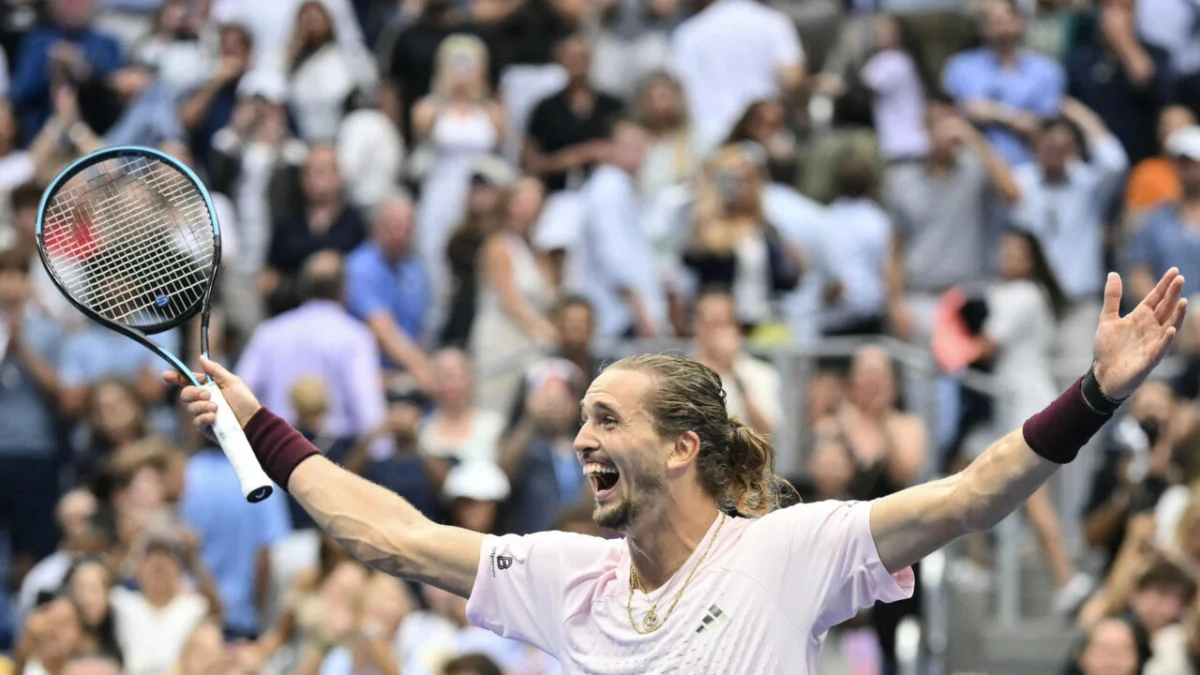
In the cathedral of tennis that is Arthur Ashe Stadium, Alexander Zverev finally exorcised the ghosts of his past. On a sweltering Sunday evening in New York, the German world No. 1 secured a 6-3, 7-6 (7/2), 5-7, 6-2 victory over the charismatic American hopeful Ben Shelton. With this triumph, Zverev not only clinched his second career Grand Slam title—following his breakthrough at the French Open earlier this year—but also cemented his status as the premier force in men’s tennis.
For Zverev, the victory served as a profound narrative closure. Four years ago, on these very courts, he stood within two points of the US Open trophy before suffering a harrowing five-set collapse against Dominic Thiem. That 2020 heartbreak had long been the defining "what if" of his career. By hoisting the trophy on Sunday, Zverev successfully transformed his legacy from a cautionary tale of "nearly-man" status into a story of persistent, steely resolve.
The Chronology of a Final
The match began with a clinical display from Zverev, who entered the contest as the clear favorite, despite the partisan roar of the 23,000-strong crowd. From the opening service game, Zverev’s methodical precision stood in stark contrast to Shelton’s raw, high-octane energy. The German claimed the first set 6-3, dictating play from the baseline and neutralizing the American’s formidable serve with expert anticipation.
The second set proved to be the match’s tactical pivot point. Shelton, buoyed by the electric atmosphere, began to find his rhythm, pushing Zverev into extended exchanges. However, Zverev’s mental fortitude held firm in the ensuing tiebreak, where he dismantled the American 7-2, displaying the kind of ruthless efficiency that has come to define his 2024 season.
The narrative arc shifted abruptly in the third set. Facing the prospect of a straight-sets defeat, Shelton elevated his game, cutting down on the unforced errors that had plagued his early play. The Arthur Ashe crowd, desperate to witness the first American man to win a major since Andy Roddick in 2003, reached a fever pitch. The pressure finally told on Zverev at 5-6. After falling behind 0-40, the German faltered; a missed forehand volley handed Shelton his first break of the match—and with it, a lifeline in the form of a fourth set.
However, the momentum shift was short-lived. Zverev opened the fourth set with a statement of intent, dominating a grueling 24-shot rally that forced Shelton into an uncharacteristic backhand error. The early break of serve drained the energy from the challenger. Despite a brief moment of tension—a time violation warning at 30-30 in the fourth game—Zverev remained composed. He fired a crisp crosscourt backhand to extend his lead to 3-1, effectively extinguishing Shelton’s rally. As the final serve return from the American sailed long, Zverev collapsed to the court, his arms raised in a long-awaited embrace of glory.
Supporting Data: The Statistics of Dominance
Zverev’s victory was built on a foundation of "all-court excellence." While Shelton relied on his explosive, high-velocity serving, Zverev dominated the secondary metrics that decide major finals. His ability to convert break points at critical junctures—specifically the early break in the fourth set—demonstrated a tactical maturity that sets him apart from the current crop of challengers.
- Service Efficiency: Zverev maintained a first-serve percentage of 76%, consistently keeping Shelton on the back foot.
- Unforced Error Management: While Shelton registered 42 unforced errors throughout the match, Zverev limited his own tally to just 24, proving that his defensive stability was the ultimate weapon against the American’s aggressive style.
- The Drought Context: Shelton’s loss prolongs a 23-year American men’s singles drought at the Grand Slam level. The last American man to hoist a major trophy remains Andy Roddick, who won the 2003 US Open when Shelton was barely a month old.
Shelton’s run to the final, however, was nothing short of historic. His path included an epic five-set quarter-final thriller against the defending champion Carlos Alcaraz, followed by a gritty comeback win over compatriot Frances Tiafoe. These victories cemented Shelton as the most exciting American prospect in a generation, even if the final hurdle proved too high to clear.
Official Responses and Post-Match Reflection
In the aftermath, the atmosphere at Arthur Ashe was one of bittersweet appreciation. While the crowd had arrived hoping to witness a historic American coronation, they ultimately found themselves applauding a masterclass in professional tennis.
"I have been waiting for this moment since 2020," Zverev remarked during the trophy presentation. "To come back to New York and finally cross the finish line is a feeling I can’t quite describe. I have so much respect for Ben; he is the future of this game, and I have no doubt he will be holding this trophy one day."
Shelton, clearly emotional, reflected on the weight of expectation. "It was an incredible experience to play in front of this crowd. I felt their energy every step of the way. Today, Alexander was simply the better player. He made the right decisions at the right moments. I’m proud of my run, but I know there is work to do to reach that next level."
Tennis analysts have been quick to praise Zverev’s evolution. Once considered a player who struggled with the mental intensity of five-set matches, Zverev has transformed into a reliable, high-IQ strategist. His win at Roland Garros earlier this year appeared to be the catalyst, providing the psychological validation necessary to handle the unique pressures of the US Open.
Implications for the ATP Tour
The implications of this victory are significant for the landscape of professional tennis. With this win, Zverev solidifies his hold on the No. 1 ranking, separating himself from the chasing pack of Alcaraz, Sinner, and a rejuvenated group of American prospects.
The Changing of the Guard
The transition from the "Big Three" era to the current generation is now complete. With Zverev holding two Grand Slams in a single calendar year, the narrative of a "transitional period" in tennis has been replaced by a clear hierarchy. Zverev is no longer the "next big thing"; he is the standard-bearer.
The American Perspective
For US tennis, the loss is a painful reminder of the gap that remains. Despite having several players ranked in the top 20, the lack of a Grand Slam winner since 2003 remains a lingering psychological hurdle. However, the performance of Ben Shelton suggests that the drought may be approaching its end. Shelton’s ability to handle the pressure of an Arthur Ashe final—against the world No. 1—suggests that he possesses the temperament required for future major success.
Future Outlook
As the tour moves toward the end of the season and prepares for the indoor circuit, Zverev enters the winter period as the man to beat. His ability to adapt to different court surfaces—from the clay of Paris to the hard courts of New York—highlights a versatility that few players in the modern game possess.
The 2024 US Open will be remembered not just for the crowning of a new champion, but for the final realization of a talent that many predicted would reach these heights a decade ago. Zverev has finally arrived at his peak, and the rest of the tour is now left to catch up.
Conclusion: A Legacy Refined
Alexander Zverev’s journey to the 2024 US Open title is a testament to the virtues of persistence. In a sport where the spotlight is unforgiving and the pressure is constant, Zverev managed to silence his critics, overcome the emotional scars of 2020, and outplay a formidable, home-grown challenger.
As the lights dim on Arthur Ashe Stadium, the tennis world looks ahead with a clearer picture of the game’s hierarchy. Zverev has proven that he can handle the weight of being the favorite, the hostility of a neutral crowd, and the physical toll of a two-week tournament. He leaves New York not just as a champion, but as a fully realized legend of the sport, with his eyes now firmly set on further cementing his place in the pantheon of tennis greats.