JACKSON, Miss. — The arrest of a 51-year-old Jackson resident in connection with the death of Tasia Fortune has brought a significant breakthrough to a case that has captured national attention and reignited intense debates over race, history, and justice in the American South.
Last month, the discovery of Fortune, a 29-year-old Black mother of four, hanging from a tree behind an abandoned home in Jackson, Mississippi, immediately provoked widespread public alarm. In a state with a painful history of racialized violence, the tragic scene sparked a torrent of social media speculation, national media coverage, and demands for federal intervention.
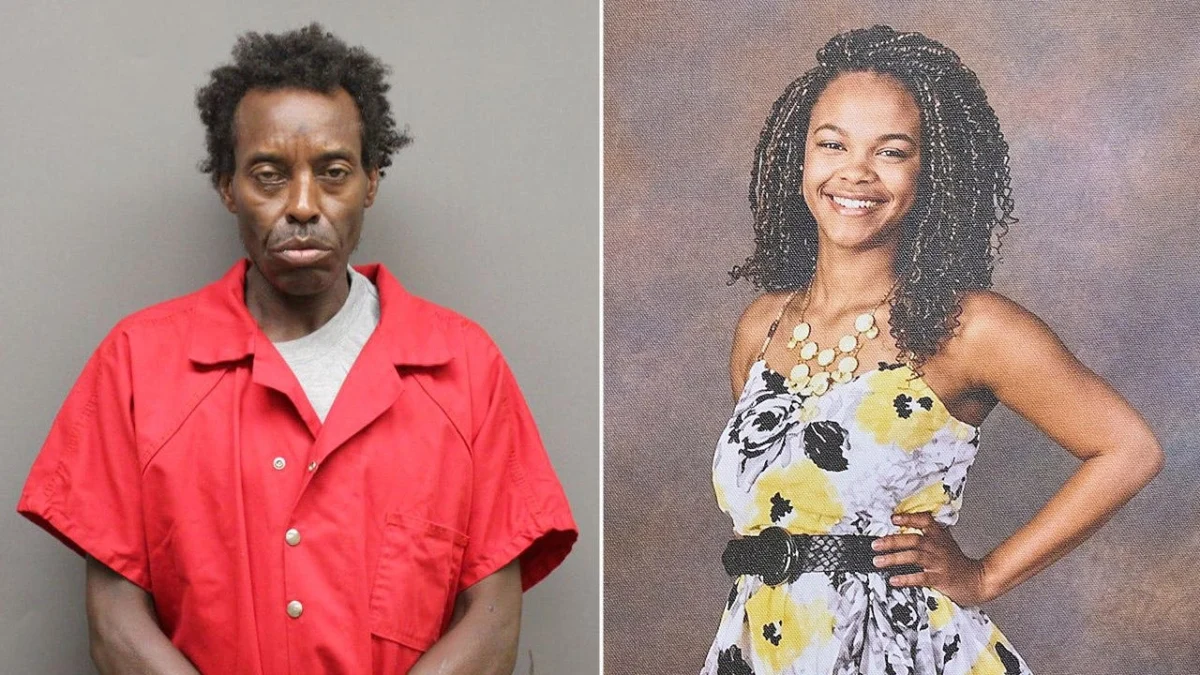
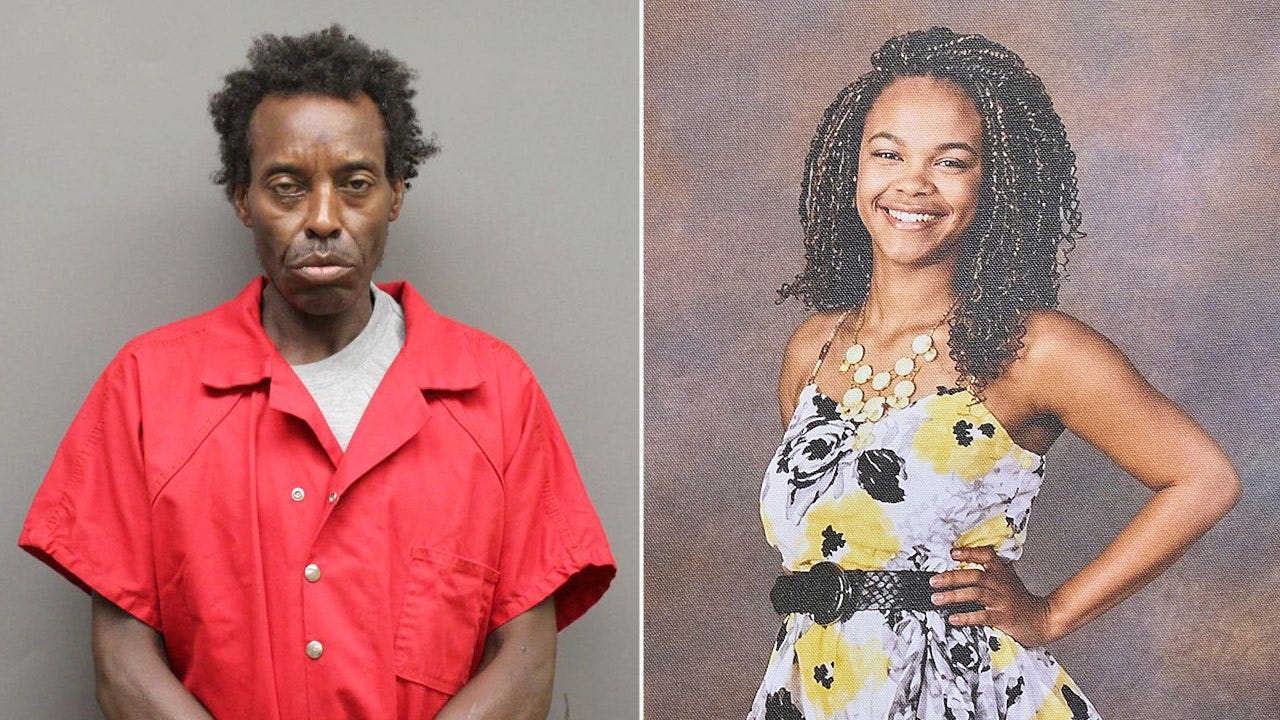
However, law enforcement officials have confirmed that the suspect taken into custody is Jarques Ratliff, a 51-year-old Black man who had a prior personal relationship with Fortune. The development has shifted the focus of the investigation from a suspected hate crime to a domestic homicide, highlighting the complexities of navigating active criminal investigations in an era dominated by rapid-fire digital narratives and deep-seated historical trauma.
Main Facts of the Case
The investigation reached a critical turning point following a formal ruling by the Mississippi State Medical Examiner’s Office, which officially classified Fortune’s death as a homicide. Armed with this forensic determination, the Jackson Police Department (JPD) moved swiftly to secure arrest and search warrants.
The Suspect and the Arrest
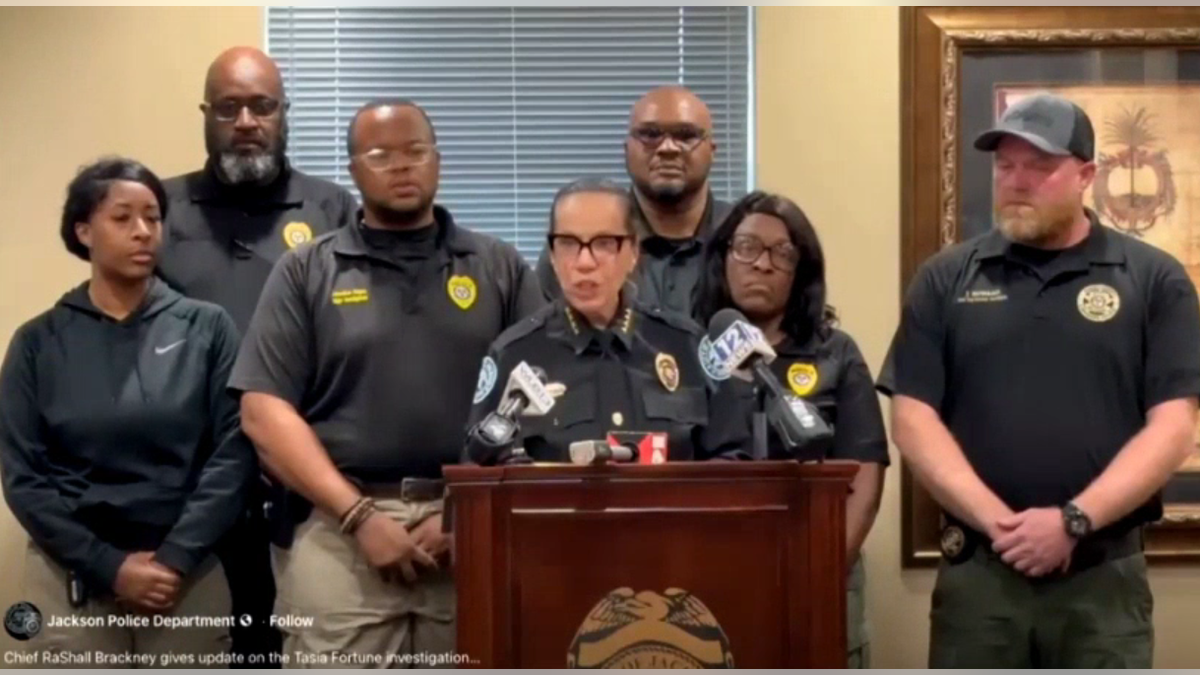
On Saturday, Jackson Police Chief RaShall Brackney announced during a press conference that Jarques Ratliff had been apprehended without incident. Officers spotted Ratliff walking along Capitol Street in downtown Jackson shortly after executing search warrants at properties connected to him.
Ratliff is currently being held at the Hinds County Detention Center on a charge of murder. Mississippi State Defender André de Gruy confirmed that Ratliff is scheduled to make his initial appearance in Jackson Municipal Court, where formal charges will be read, and bond conditions will be established.
The Victim
Tasia Fortune, 29, was a mother of four children who had relocated to Jackson from Kentucky approximately ten years ago. Known by her family as a resilient and deeply religious young woman, Fortune had experienced periods of housing insecurity in recent years. At the time of her death, however, she was actively working to stabilize her life and was in the process of launching her own residential and commercial cleaning business.
Chronology of Events
The timeline of the investigation spans several weeks of intensive forensic analysis, community anxiety, and rigorous police work:
[August 3, 2026] ────────────────> Fortune's body is discovered behind an abandoned home on Road of Remembrance.
[August 4 – Sept 10, 2026] ──────> JPD conducts interviews with approximately 15 individuals and gathers physical evidence.
[September 10, 2026] ────────────> Mississippi State Medical Examiner's Office officially rules the death a homicide.
[September 11, 2026] ────────────> JPD secures arrest and search warrants; Fortune's family is formally notified.
[September 12, 2026] ────────────> Jarques Ratliff is arrested on Capitol Street in Jackson.
The Discovery
On August 3, 2026, Jackson police officers responded to a call in the 500 block of Road of Remembrance, a residential street in Jackson characterized by a mix of occupied residences and vacant properties. In the backyard of an abandoned home, officers discovered Fortune’s body hanging from a tree. The harrowing nature of the scene immediately prompted a high-priority death investigation.
The Preliminary Investigation
Over the course of the next month, detectives with the Jackson Police Department’s Robbery-Homicide Unit logged hundreds of hours tracking Fortune’s final movements. Investigators interviewed nearly 15 individuals, including family members, acquaintances, and residents near the Road of Remembrance. They also gathered physical evidence from the scene and analyzed digital forensic data.
The Medical Examiner’s Ruling
Despite mounting public pressure for immediate answers, law enforcement officials maintained that formal charges could not be filed until the Mississippi State Medical Examiner’s Office completed its autopsy and forensic analysis. Distinguishing between suicide and homicide in hanging cases requires highly detailed physical examinations, toxicological screenings, and crime scene reconstruction.
Late on Thursday, September 10, the medical examiner officially ruled Fortune’s death a homicide, providing the definitive forensic foundation required to secure criminal warrants.
The Execution of Warrants and Arrest
With the homicide ruling in hand, JPD detectives moved quickly on Friday, September 11, to secure an arrest warrant for Ratliff alongside two search warrants for properties associated with him. On Saturday, September 12, after executing the search warrants, officers located Ratliff walking on Capitol Street and took him into custody without incident.
Supporting Data and Investigative Context
The case has been heavily scrutinized due to the highly sensitive nature of hanging deaths involving Black individuals in the deep South. Law enforcement’s methodical approach reflects the critical role of objective forensic science in counteracting rumor-driven narratives.
Addressing Social Media Misinformation
In the weeks following the discovery of Fortune’s body, social media platforms were flooded with unverified claims regarding potential suspects. A widely circulated rumor suggested that a 65-year-old white male had been identified as a person of interest.
During her press conference, Chief Brackney directly addressed these rumors, clarifying that law enforcement had never officially designated any persons of interest prior to Ratliff’s arrest. She warned that premature public speculation could compromise the integrity of the prosecution and place innocent individuals at risk.
| Reported Social Media Rumors | Verified Law Enforcement Facts |
|---|---|
| Death immediately ruled a suicide by local police | Death treated as suspicious; formal ruling waited on medical examiner |
| Suspect identified as a 65-year-old male | No persons of interest named until 51-year-old Ratliff’s arrest |
| Motive attributed to organized racial terror | Suspect had a prior, close personal connection to the victim |
The Victim’s Journey
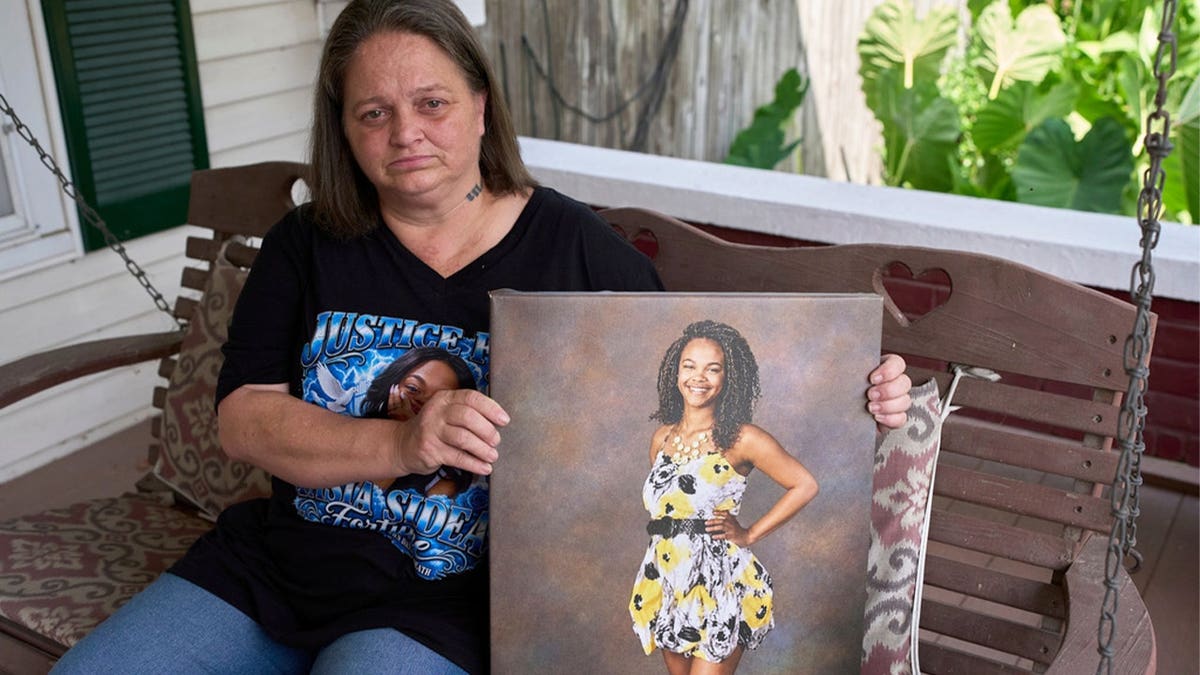
Obituaries and family accounts paint a portrait of a determined young woman who overcame significant personal challenges. Growing up in Marion, Kentucky, Fortune was a highly motivated student who skipped her junior year of high school to accelerate her education. She was also a talented cross-country runner and was known for her strong religious faith.
Her mother, Christy Spivey, acknowledged that while Fortune had faced difficult times—including homelessness in Jackson—she remained dedicated to her four children and was optimistic about her future. Spivey steadfastly rejected any suggestion that her daughter might have taken her own life, a belief that was ultimately validated by the medical examiner’s findings.

Official Responses and Political Reaction
The intersection of Fortune’s tragic death with broader national discussions on civil rights and systemic violence drew comments from local officials, family members, and federal lawmakers.
Jackson Police Department
Chief RaShall Brackney emphasized the department’s commitment to thoroughness over speed, acknowledging the historical weight that shaped public perceptions of the case.
"We understand that this case has received media attention from across the globe and across the community. We understand the questions and the desire for answers given Mississippi’s history," Chief Brackney said. "We understand this case is being viewed through a broader lens—a global lens—and we do not dismiss those concerns. We are taking them seriously. At the same time, we do have a responsibility to make sure that what we say publicly is supported by our evidence and the facts."
National Political Figures
Before the medical examiner’s ruling and the subsequent arrest of Ratliff, the case became a focal point for federal lawmakers advocating for greater oversight of hanging deaths involving Black Americans.
Representative Alexandria Ocasio-Cortez (D-N.Y.) joined dozens of congressional Democrats in signing a letter demanding that the Department of Justice investigate such incidents, warning of "racial terror" and "widespread modern-day lynchings" in the United States. Following the arrest of a suspect with a prior personal connection to Fortune, online commentators and political analysts debated the wisdom of drawing sweeping national conclusions before local forensic investigations are complete.
The Family’s Reaction
Upon being notified of the homicide ruling and Ratliff’s arrest, Christy Spivey expressed profound relief and gratitude for the diligence of the JPD detectives. Spivey stated that while the arrest of Ratliff brought a sense of justice, it also marked the beginning of a long legal process to ensure full accountability for her daughter’s death.
Implications: Crime, History, and the Digital Age
The death of Tasia Fortune and the subsequent arrest of Jarques Ratliff underscore several critical dynamics facing modern law enforcement, community advocates, and the media.
The Weight of History
In Mississippi, the image of a Black person hanging from a tree is inseparable from the state’s history of Jim Crow-era lynchings and racial terror. Because of this painful legacy, any such death is understandably met with immediate suspicion, fear, and grief from the community. Law enforcement agencies in the South face the unique challenge of acknowledging this historical trauma while maintaining the objective, evidence-based focus required to solve crimes.
The Velocity of Digital Information
This case highlights the tension between the slow, deliberate pace of forensic investigations and the instantaneous demands of social media. While online platforms can successfully amplify stories that might otherwise go unnoticed, they can also perpetuate misinformation that complicates active police work. The spread of false suspect profiles in the Fortune case illustrates how digital rumors can outpace factual developments, sometimes creating parallel narratives that distort public understanding of the justice system.
Domestic Violence and Vulnerable Populations
By shifting the narrative from a hate-motivated crime to a personal homicide, the case refocuses attention on the high rates of domestic violence and domestic homicide affecting women of color, particularly those experiencing housing instability. Advocates point out that women navigating homelessness are disproportionately vulnerable to interpersonal violence.
As the legal proceedings against Jarques Ratliff move forward in Hinds County, community leaders in Jackson are calling for increased resources to support vulnerable women and prevent domestic tragedies, ensuring that Tasia Fortune’s legacy serves as a catalyst for meaningful local support and systemic protection.