A landmark report released by the United Nations Human Rights Office (OHCHR) has leveled grave allegations against Israeli security forces, concluding that a series of military incursions in the northern West Bank—codenamed "Operation Iron Wall"—resulted in the systematic and forcible displacement of over 33,000 Palestinian refugees. The findings, which cover a turbulent period from late 2024 through early 2026, characterize the military’s conduct as a potential crime against humanity, citing widespread destruction of civilian infrastructure and the denial of essential services as primary drivers of the displacement.
The report suggests that the sheer scale of the destruction—reaching as high as 52 percent of structural integrity in some camps—coupled with the inability of displaced residents to return home, aligns with the legal threshold for "forcible transfer" under international humanitarian law.
The Scale of Destruction: An Analytical Overview
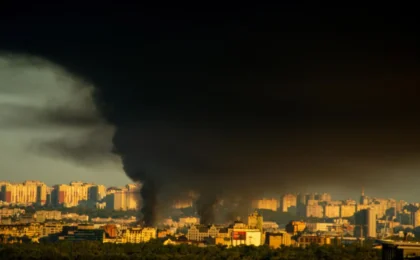
The OHCHR report paints a harrowing picture of the environmental and humanitarian toll of Operation Iron Wall. By October 2025, the landscape of three major refugee camps—Jenin, Nur Shams, and Tulkarm—had been fundamentally altered. The data provided by the UN underscores the intensity of the damage:
- Jenin Camp: 52 percent of all structures were either razed or rendered uninhabitable.
- Nur Shams Camp: 48 percent of the structural footprint suffered significant destruction.
- Tulkarm Camp: 36 percent of buildings were damaged or destroyed.
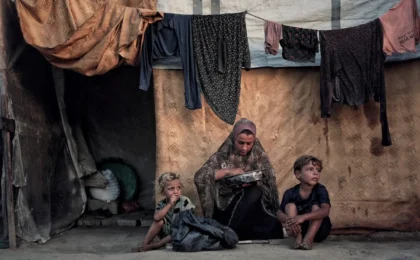
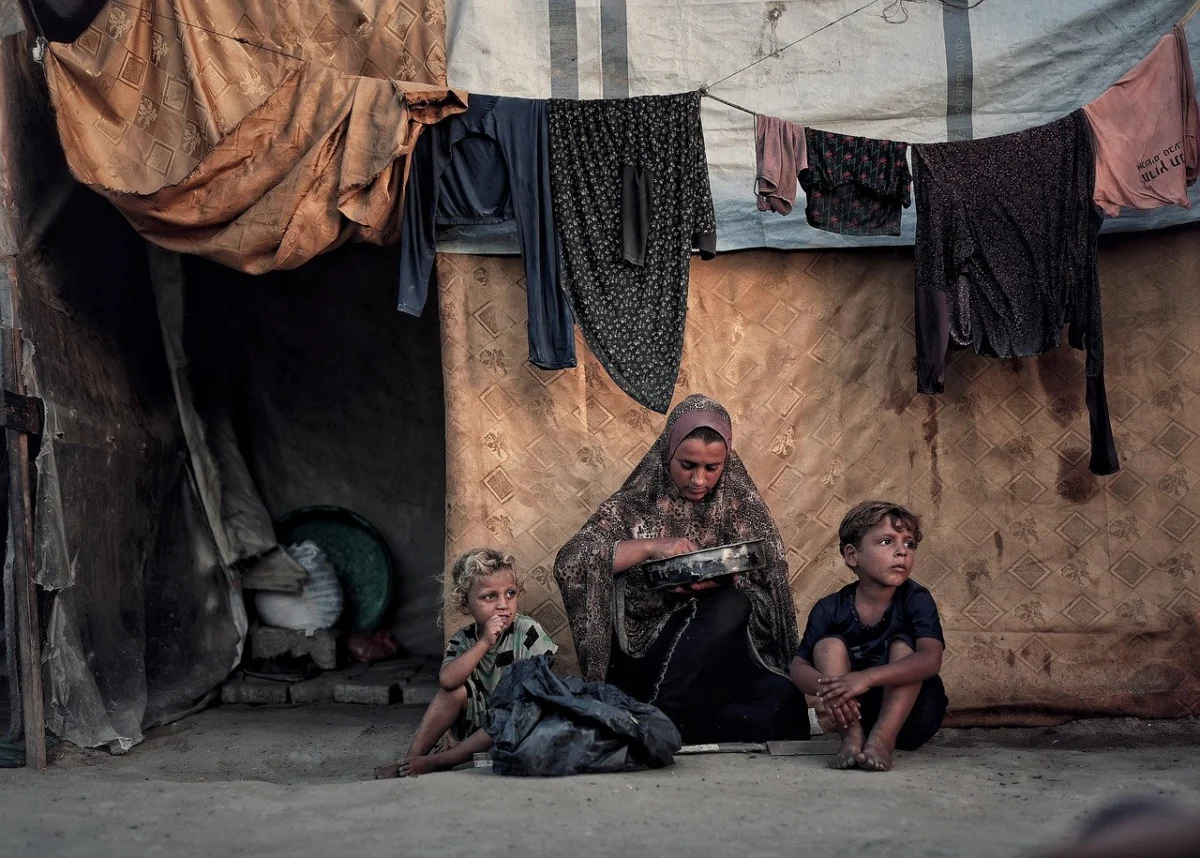
The military operations were not limited to kinetic strikes; they included a systematic disabling of public utilities. Residents reported that Israeli security forces systematically severed water lines, disrupted electrical grids, and engaged in door-to-door searches that frequently involved the forced expulsion of families. By the time the primary phase of the operation concluded, these areas had been transformed into near-ghost towns, with the UN Relief and Works Agency (UNRWA) confirming that as of July 2026, 33,362 refugees remained displaced and unable to return to their homes.
Chronology of the Crisis (December 2024 – July 2026)
The descent into the current humanitarian crisis can be traced through a series of escalating military interventions:
- December 2024 – January 2025: Israeli security forces initiated Operation Iron Wall, framing the campaign as a necessary counterterrorism effort to dismantle armed factions operating within the northern West Bank camps.
- January – February 2025: The operation intensified. This two-month window saw the primary wave of displacement, with the OHCHR documenting the forced exit of over 33,000 Palestinians. The use of heavy machinery to destroy roads and infrastructure effectively paralyzed humanitarian relief efforts.
- Spring – Autumn 2025: As the military presence became entrenched, the destruction of civilian structures reached its peak. Reports from the ground indicated a shift from active combat to systematic demolition, often under the guise of security infrastructure development.
- November 2025: Human Rights Watch released a separate investigative report, "All My Dreams Have Been Erased," which corroborated the OHCHR’s findings, noting that the camps had been emptied of virtually all residents.
- July 2026: The UNRWA provided final confirmation that the displacement remained permanent for the vast majority of the residents, marking the longest period of sustained displacement in the camps’ recent history.
Supporting Data and Human Toll
The human cost of Operation Iron Wall transcends property damage. The OHCHR report documents the deaths of 102 Palestinians during the period examined, a figure that includes 21 children. The UN notes that these casualties occurred during high-intensity military raids, often in densely populated civilian areas where the distinction between combatant and non-combatant was frequently ignored.
The report highlights the "large-scale, long-term and systematic" nature of the displacement. When these actions are viewed in aggregate, the OHCHR argues that the military necessity cited by Israeli authorities is insufficient to justify the degree of destruction. The evidence suggests a calculated effort to render these areas uninhabitable, a move that experts believe may be a precursor to permanent annexation or the expansion of Israeli settlements in the region.
Official Responses and Diplomatic Friction
The UN Perspective
UN High Commissioner for Human Rights Volker Türk has been unequivocal in his condemnation. "The conduct of Operation Iron Wall suggests a strategic objective to expel Palestinians," Türk stated, noting that such actions facilitate the expansion of Israeli settlements. He has urged the Israeli government to immediately halt further forced displacement and to align its security operations with the obligations set forth by international law.
The Israeli Position
Israel has consistently defended Operation Iron Wall as a legitimate counterterrorism exercise. Israeli officials argue that the camps in Jenin, Nur Shams, and Tulkarm had become "terrorist hubs," serving as staging grounds for attacks on Israeli civilians and infrastructure. The Israel Defense Forces (IDF) have maintained that the weapons infrastructure found within these camps necessitated the destruction of certain buildings to neutralize threats. Israeli authorities emphasize that their military conduct is subject to internal legal review and that the preservation of Israeli national security takes precedence in the current regional climate.
Legal Implications: Forcible Transfer vs. Military Necessity
The legal discourse surrounding the report centers on two fundamental frameworks: the Fourth Geneva Convention and the Rome Statute of the International Criminal Court (ICC).
Article 49 of the Fourth Geneva Convention
Article 49 explicitly prohibits the individual or mass forcible transfer of protected persons from occupied territory. The only exceptions are for evacuations required by "imperative military reasons" or the safety of the civilian population. The OHCHR’s report challenges the Israeli justification of "military necessity," arguing that the sheer scale of the displacement and the destruction of non-military infrastructure fail to meet the "proportionality" and "necessity" tests required under international law.
The Rome Statute and Crimes Against Humanity
The Rome Statute defines the "deportation or forcible transfer of population" as a crime against humanity when it is part of a widespread or systematic attack directed against a civilian population. The OHCHR’s use of the term "ethnic cleansing" in the report, albeit as a subject of "serious concern," reflects the severity of the UN’s assessment. If the findings are adopted by international legal bodies, they could lead to significant repercussions for Israeli military leadership.
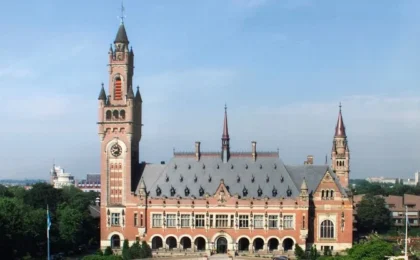
Furthermore, this report follows a 2024 advisory opinion from the International Court of Justice (ICJ), which declared Israel’s continued presence in the occupied Palestinian territories to be unlawful. The ICJ urged an end to the occupation "as rapidly as possible," a directive that the OHCHR report suggests has been ignored by the current state policy in the West Bank.
Looking Forward: A Crisis Without Resolution
The situation in the West Bank remains at a critical impasse. With over 33,000 refugees unable to return, the demographic and humanitarian landscape of the northern West Bank has been permanently altered. The international community faces a difficult challenge: how to reconcile Israel’s security claims with the overwhelming evidence of mass displacement and systemic destruction of Palestinian life.
As the OHCHR report gains traction in the UN General Assembly and other international forums, the pressure on Israel to justify its actions is expected to mount. For the residents of Jenin, Nur Shams, and Tulkarm, the return to their homes remains an increasingly distant prospect, overshadowed by the continued expansion of security barriers and the ongoing threat of further demolition. The report serves as a stark reminder that in the absence of a political solution, the legal protections intended to shield civilians from the ravages of conflict are being systematically eroded, leaving thousands in a state of indefinite exile.