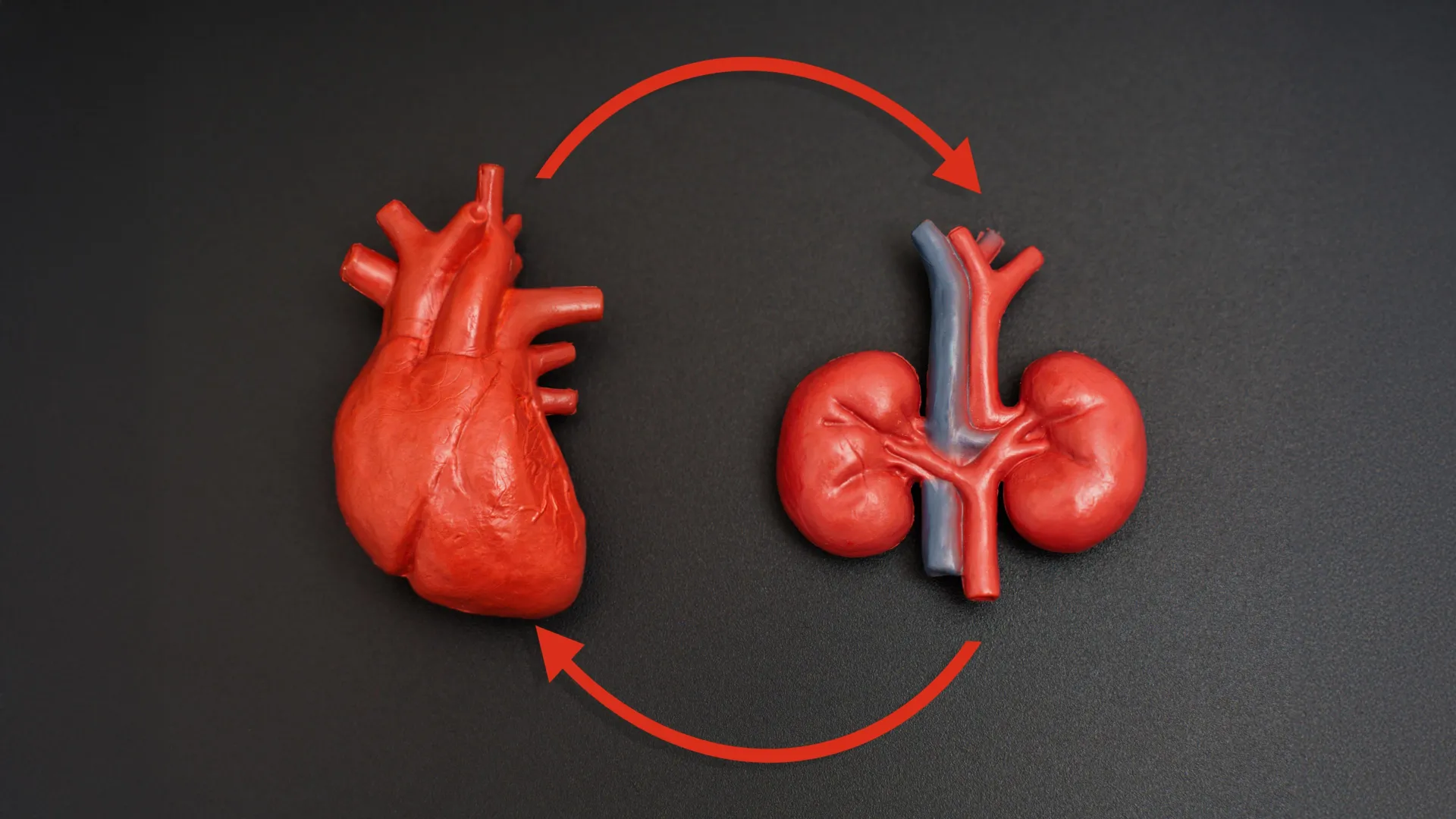
In a landmark shift for European clinical practice, the European Society of Cardiology (ESC), in collaboration with the European Renal Association (ERA), has unveiled its first-ever set of comprehensive guidelines dedicated to the management of cardiovascular disease (CVD) in patients with chronic kidney disease (CKD). Published in the European Heart Journal and officially unveiled at the ESC Congress 2026, these recommendations represent a paradigm shift in how clinicians approach the "cardio-renal" patient, moving away from fragmented care toward a unified, integrated strategy.
The Magnitude of the Cardio-Renal Crisis
Chronic kidney disease, defined by structural or functional kidney abnormalities persisting for at least three months, has reached epidemic proportions across Europe, affecting an estimated 100 million individuals. While often viewed as a silent condition, CKD acts as a powerful catalyst for cardiovascular pathology. The relationship between the heart and the kidneys is bidirectional; the heart relies on healthy renal function for fluid balance and blood pressure regulation, while the kidneys depend on robust cardiac output to remain perfused.
When this relationship falters, the results are devastating. The ESC and ERA have identified this synergy as a critical public health failure, noting that individuals with CKD face an exponentially higher risk of heart failure, stroke, and myocardial infarction. Conversely, cardiovascular disease often serves as the primary driver of kidney function decline, creating a self-perpetuating cycle of morbidity that frequently leads to premature dialysis and early mortality.
Chronology: A Path to Integrated Guidelines
The journey toward these guidelines began years ago, as clinical data increasingly showed that patients with both conditions were being "lost in the middle"—often treated by cardiologists who did not fully account for renal impairment, or nephrologists who were not focused on the cardiovascular sequelae of kidney failure.
- 2023–2024: The ESC and ERA formed a specialized Task Force, recognizing the need to harmonize disparate clinical practices.
- 2025: The Task Force spent the year synthesizing decades of clinical trial data, including the breakthrough results of SGLT2 inhibitor trials, which demonstrated cross-benefit for both heart and kidney health.
- August 2026: The guidelines were formally presented at the ESC Congress 2026, marking the first time the cardiology community has officially institutionalized a screening-to-management pipeline for CKD in all patients presenting with CVD.
The STAMP on CKD Strategy: A Clinical Framework
To ensure these guidelines are actionable for healthcare providers, the Task Force developed the "STAMP on CKD" acronym. This framework serves as a mnemonic for clinicians to navigate the complex diagnostic and therapeutic landscape:
S: Screen
The foundation of the new guidelines is the mandate for universal screening. Every patient diagnosed with cardiovascular disease must now undergo testing for CKD. This involves a dual approach: calculating the estimated glomerular filtration rate (eGFR) from blood creatinine levels and measuring the urine albumin-to-creatinine ratio (UACR). By catching kidney damage at the same time as heart disease, clinicians can intervene years before the onset of end-stage renal disease (ESRD).
T: Triage
Once CKD is identified, the next step is robust risk stratification. The guidelines mandate the use of validated risk-scoring tools that integrate both cardiovascular risk factors (such as lipid profiles and blood pressure) and renal function metrics. This allows doctors to identify "high-risk" patients who require aggressive pharmacological intervention versus those who require primary prevention and lifestyle modification.
A: Address CKD Risk
The guidelines emphasize that addressing risk is not merely about managing symptoms but slowing the progression of renal failure itself. The Task Force has prioritized the early deployment of disease-modifying therapies, specifically RAS inhibitors and SGLT2 inhibitors, which have proven to be the "cornerstones" of modern cardio-renal therapy.
M: Modify CVD Management
A significant portion of the document is dedicated to pharmacological adjustments. Patients with reduced kidney function often experience altered drug clearance, meaning that standard dosages for common cardiovascular drugs can become toxic or ineffective. The guidelines provide clear, evidence-based tables on how to adjust medications for patients with various stages of renal impairment, ensuring that life-saving heart treatments remain safe.
P: Plan Health Services
Finally, the guidelines call for a systemic overhaul of how services are delivered. Rather than siloed clinics, the Task Force advocates for multidisciplinary teams where cardiologists, nephrologists, and primary care physicians operate in constant, coordinated communication.
Official Perspectives: Breaking Down Silos
The leadership behind the Task Force has been vocal about the need for a cultural shift in medicine. Associate Professor Kevin Damman of the University Medical Centre Groningen, who served as Task Force Chair, underscored the urgency of this change.
"The disability and lifetime lost to each disease are profound," Dr. Damman remarked during the ESC Congress. "CKD accelerates CVD and vice versa. However, the last few years have been a golden age for cardio-renal pharmacology. We have simple, accessible treatments that can prevent dialysis and heart failure. The challenge is no longer about having the right medicine, but about having the right system to deliver it."
Professor William Herrington of the University of Oxford, co-chair of the Task Force, echoed these sentiments, focusing on the diagnostic gap. "Many patients with CKD are seen primarily by the cardiology community. By increasing the use of urine albumin testing, we are effectively giving the cardiologist a window into the patient’s renal health. With improved screening, we are catching patients who were previously invisible to the nephrology community until they were already in crisis."
Implications for Healthcare Systems and Patients
The implications of these guidelines are wide-reaching. For healthcare systems, the primary goal is the reduction of hospitalizations and the long-term cost associated with dialysis and end-stage heart failure. By intervening early with cost-effective drugs like statins and SGLT2 inhibitors, the ESC believes that public health expenditure can be significantly mitigated.
For the patient, the guidelines offer a more transparent and empowered experience. The ESC has released a "patient version" of the guidelines, designed to translate complex medical data into actionable knowledge. This document encourages patients to take an active role in their care, promoting the concept of "shared decision-making." By understanding their eGFR and UACR numbers, patients can advocate for the specific therapies that have been shown to improve their long-term outcomes.
Addressing the Knowledge Gaps
Despite the optimism surrounding these guidelines, the Task Force remains realistic. The document openly acknowledges that there are still "gaps in the evidence." Future research, the authors suggest, must focus on elderly populations with multiple comorbidities, as well as the long-term effects of combining novel cardiovascular and renal therapies in patients with late-stage kidney failure.
Policymakers are urged to view these guidelines as a blueprint for future infrastructure. The demand for multidisciplinary clinics—where a patient can see a kidney specialist and a heart specialist in a single visit—is now a clinical necessity rather than a luxury.
Conclusion: A United Front
The ESC and ERA’s collaborative effort is a testament to the fact that the heart and kidneys are not isolated organs, but interconnected systems that define the overall trajectory of a patient’s life. By standardizing the "STAMP on CKD" approach, the medical community is moving toward a future where "cardio-renal syndrome" is no longer a terminal diagnosis, but a manageable condition.
As the medical community begins to implement these protocols, the hope is that the high rates of mortality associated with the heart-kidney nexus will begin to decline. With rigorous screening, early pharmacological intervention, and a commitment to multidisciplinary care, the ESC and ERA have provided the roadmap to a healthier population—one where the heart and the kidneys are treated as partners in the preservation of life.