The landscape of modern gaming is defined by the "Metaverse" concept, a space where intellectual properties collide, and the impossible becomes routine. Yet, even in a world where Kratos, Darth Vader, and Peter Griffin can share a digital battlefield, some boundaries remain sacred. When Fortnite Chapter 7, Season 4 launched with the iconic blue blur, Sonic the Hedgehog, as its flagship Battle Pass reward, fans were initially elated. However, that excitement was quickly met with a realization: this isn’t the Sonic players have known for over three decades.
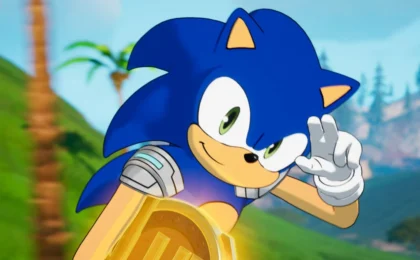
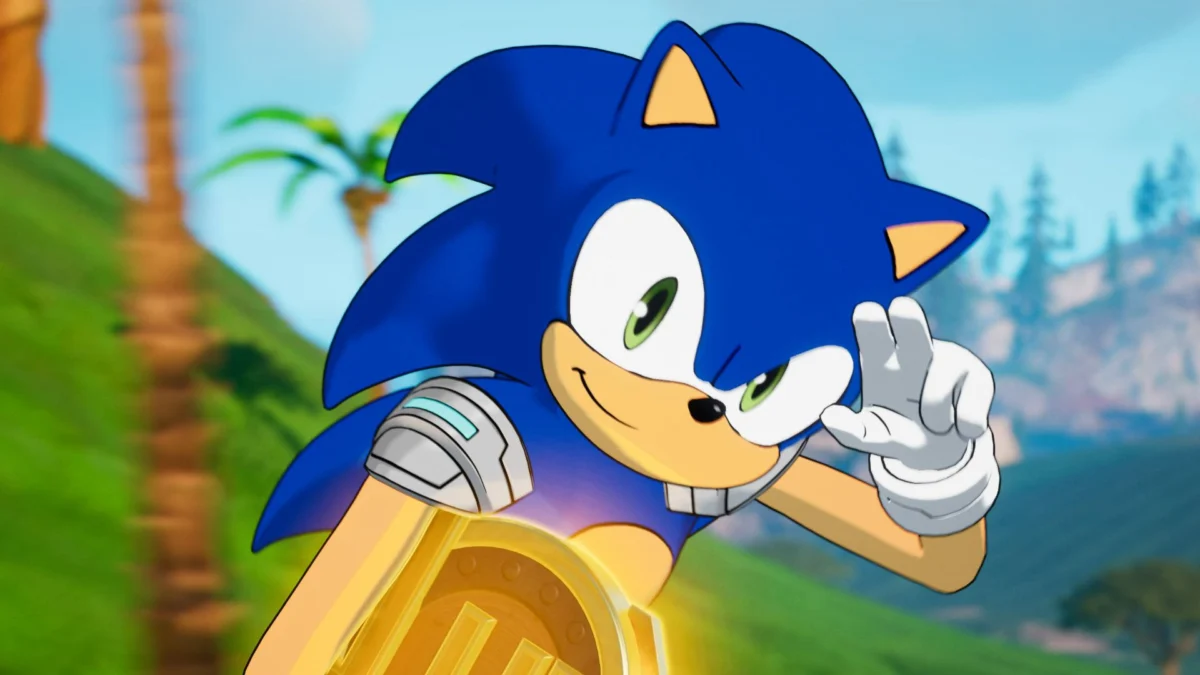
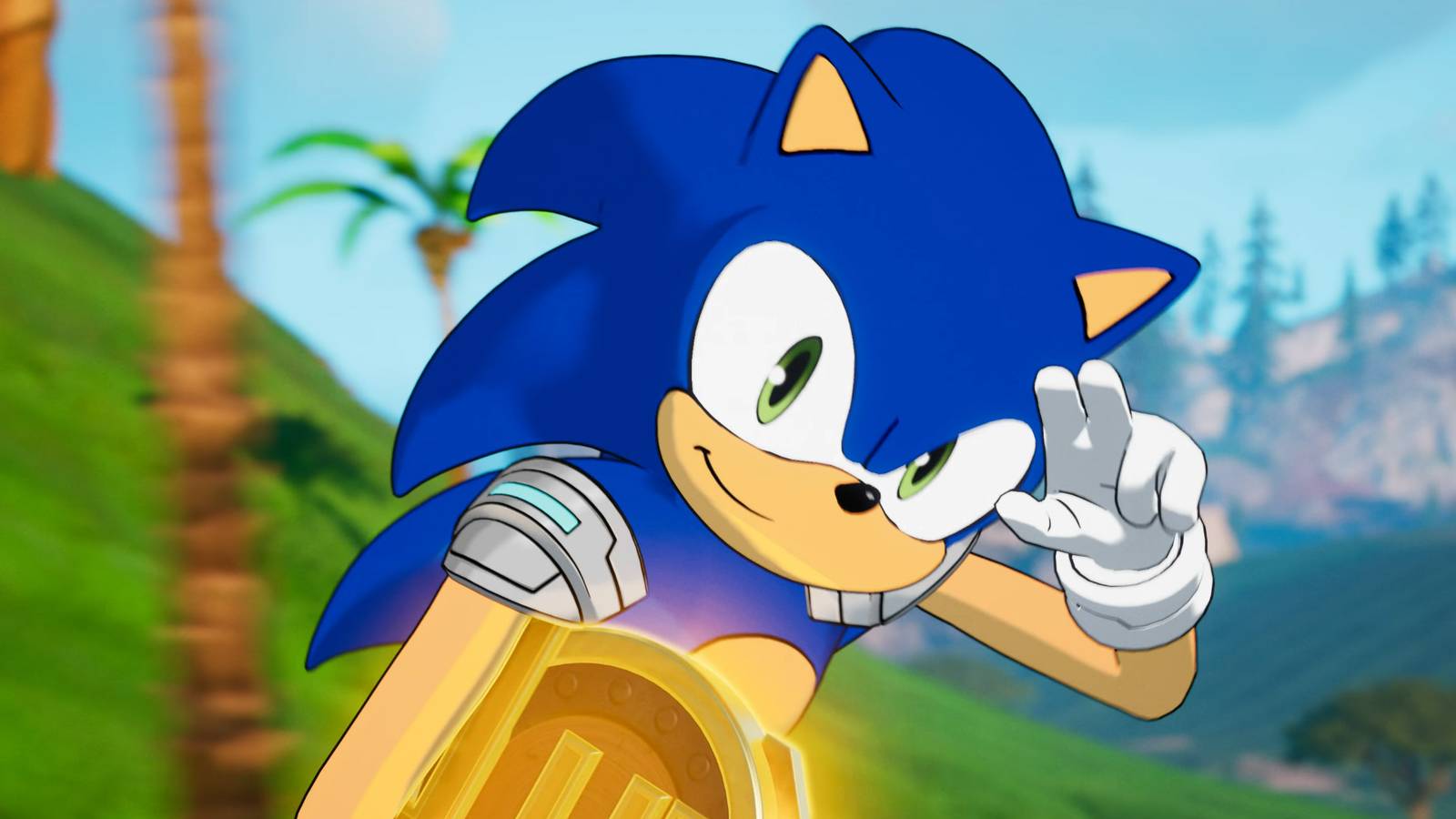
According to Takashi Iizuka, the visionary head of Sega’s Sonic Team, the character currently wielding assault rifles and tactical shotguns on the island is not the true Sonic. It is an "Android Sonic," a creative workaround designed to satisfy the strict brand guidelines that keep Sega’s mascot from engaging in firearm-based combat.
The Core Conflict: Brand Integrity vs. Battle Royale
For years, the prospect of a Sonic-themed crossover in Fortnite felt like an inevitability that never quite arrived. While Epic Games has successfully integrated dozens of franchises, from Star Wars to Marvel, Sega has remained notoriously protective of its blue hedgehog.
The obstacle was fundamental: Fortnite is, at its heart, a shooter. Players spend their time scavenging for weaponry, building defenses, and ultimately eliminating opponents. For Sega, the idea of Sonic the Hedgehog—a character rooted in high-speed heroism and anti-authoritarian liberation—holding a weapon was a non-starter. This aligns with a broader trend in corporate brand management where companies like Disney and Nintendo have historically barred their "family-friendly" mascots from appearing in titles that depict realistic violence or firearm use.
A Chronology of the Collaboration
The journey to bring Sonic to the island was not a short-term marketing blitz; it was a multi-year negotiation.
- Initial Outreach (2023-2024): Epic Games approached Sega regarding a potential collaboration. Discussions stalled early on due to the fundamental misalignment between Sonic’s character ethos and the mechanics of the Fortnite ecosystem.
- The Creative Impasse: During these early stages, Sega maintained a hard line: Sonic does not use guns. Unlike his counterpart Shadow the Hedgehog—who has been explicitly designed with an edgier aesthetic, complete with firearms and motorcycles—the main Sonic line is strictly prohibited from such depictions.
- The "Android" Solution (2025): Recognizing the massive cultural capital of Fortnite, the teams began brainstorming alternatives. The concept of an "Android Sonic" was proposed, allowing Sega to maintain that the "real" Sonic remains pure, while the in-game avatar is merely a synthetic replica designed to mimic his appearance.
- The Launch (September 2026): Fortnite Chapter 7, Season 4 launched with a "Video Game" theme, featuring the Android Sonic as the Tier-1 Battle Pass skin, effectively making him the face of the new season.
The Logic of the "Android" Narrative
The justification provided by Takashi Iizuka in recent interviews is as fascinating as it is convoluted. "Sonic is a character that will never hold a gun," Iizuka stated. "When thinking about the game design of Fortnite, it’s really hard to think about Sonic being in this game… but this time, we took the creative liberty and created Android Sonic."
By establishing that the skin is an android, Sega effectively creates a "narrative firewall." This allows the company to reap the financial and marketing benefits of the Fortnite juggernaut without compromising the moral stance of the original character. It is a classic corporate "have your cake and eat it too" strategy, where the lines between canon and commercial asset are blurred to accommodate a multi-million dollar business arrangement.
Supporting Data: Why Cross-Over Success Matters
The inclusion of high-profile IP into Fortnite is not just for fan service; it is a primary driver of user acquisition and retention. According to industry analysts, "Video Game" themed seasons—like the current Chapter 7, Season 4—consistently see a 15-20% uptick in active daily users compared to generic seasons.
The Sonic brand, specifically, holds massive generational appeal. By placing Sonic on the first page of the Battle Pass, Epic Games ensures immediate engagement from both legacy fans and younger players who grew up with the Sonic films. The "Android" narrative provides enough of a logical loophole that it bypasses potential public relations blowback regarding the character’s "de-characterization."
Official Responses and Industry Implications
The gaming community has responded with a mixture of amusement and skepticism. While some die-hard purists feel that the "Android" explanation is a transparent excuse, others appreciate the effort to maintain the integrity of the character’s legacy.
"This is the reality of the modern platform-based gaming environment," says industry consultant Marcus Thorne. "IP owners are no longer just looking at licensing fees; they are looking at how their assets are perceived in perpetuity. By creating a ‘sub-species’ of the character, Sega is creating a blueprint for other companies to follow. We may see this happen with other characters—’Holographic’ versions of heroes or ‘Alternate Reality’ variants that allow for more violent gameplay without staining the original legacy."
The Future of Brand Collaborations
The "Android Sonic" incident marks a turning point in how developers negotiate with IP holders. As the Fortnite ecosystem continues to expand into its own independent platform, the demands from licensors will likely become more creative.
We are moving into an era where "Canon" is increasingly separated from "Gameplay." This separation is necessary for the survival of the crossover model. If developers had to adhere strictly to the lore of every character brought into Fortnite, the game would likely be limited to non-violent, puzzle-based crossovers. By allowing for "Androids," "Simulations," or "Multiverse Variants," the industry has found a way to bypass the moral constraints that previously prevented these dream collaborations from occurring.
Implications for the Sonic Franchise
For Sega, this move is a calculated risk. They are betting that the revenue and visibility gained from Fortnite will outweigh any potential dilution of the Sonic brand. However, they are also setting a precedent. If Sonic can be an android, what else can he be?
This move also highlights the shifting power dynamics in the industry. Once, game companies were the ones fighting for scraps of attention. Now, Fortnite is so large that IP holders like Sega are actively working to adapt their characters to fit the game’s requirements. It is a shift from "How can we fit this character into Fortnite?" to "How can we change this character so he belongs in Fortnite?"
As we progress through the rest of the season, players will continue to drop from the Battle Bus as a robotic, gun-toting version of a hero known for his love of chili dogs and his disdain for technology-based tyranny. It is a strange, paradoxical experience, but in the current era of gaming, it is precisely the kind of absurdity that keeps the industry moving forward.
Conclusion: The New Normal
The saga of the Android Sonic is a case study in modern media management. It is a testament to the fact that while corporate mandates and brand integrity remain rigid, the pressure of a billion-dollar market is even stronger. Whether one views this as a clever narrative solution or a cynical marketing ploy, it is undeniable that the "Android Sonic" has successfully navigated the impossible gap between family-friendly mascot and battle-hardened mercenary. As players continue to unlock their tiers and equip their skins, they aren’t just playing a game; they are participating in an evolving experiment on how we define the characters we love in a digital world that refuses to play by the rules.