Main Facts of the Interdiction
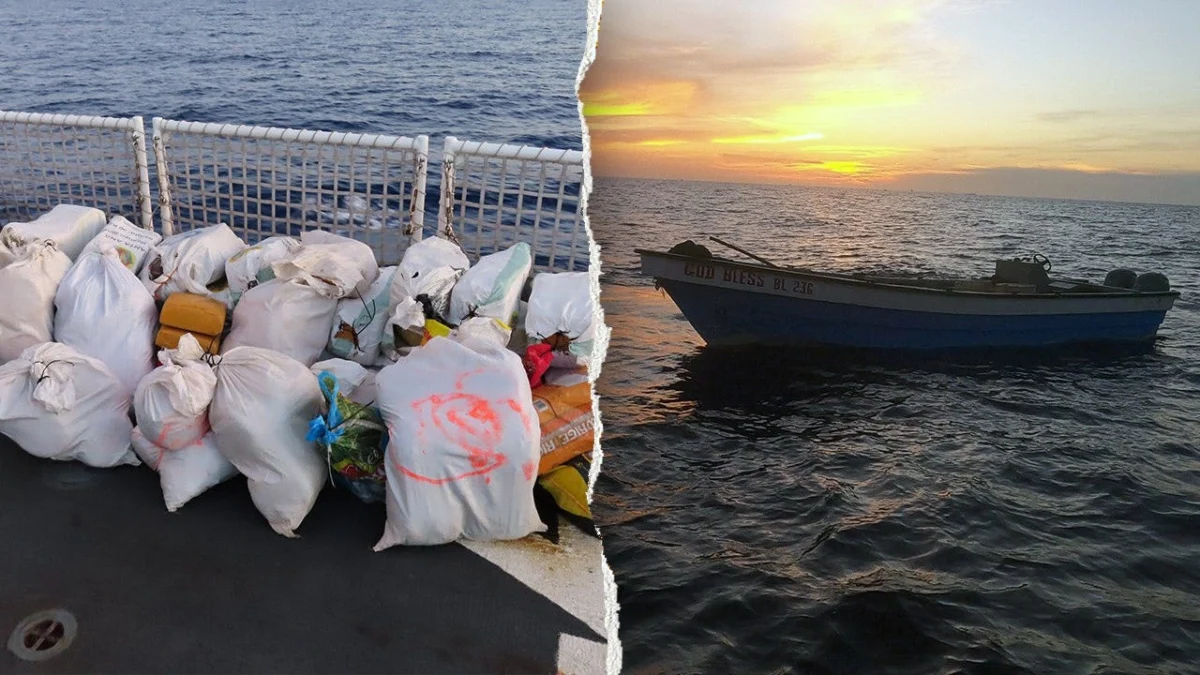
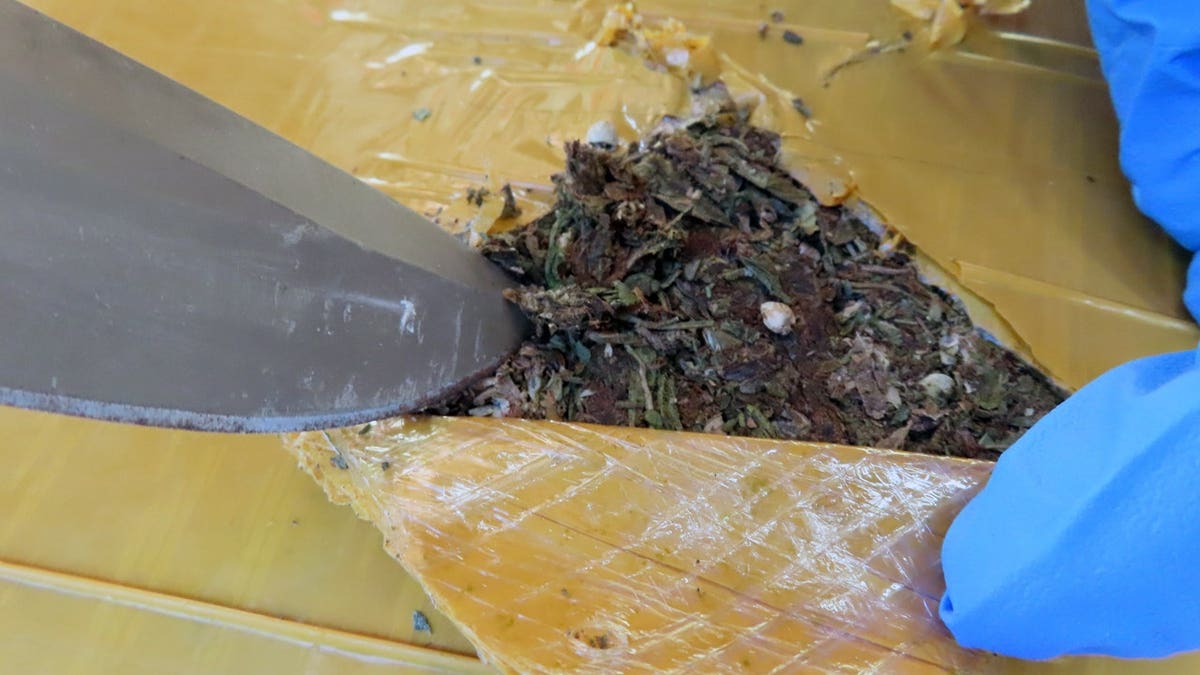
In a coordinated maritime security operation, the United States Coast Guard intercepted a high-speed smuggling vessel, seizing more than a ton of suspected marijuana with an estimated street value exceeding $2.4 million. The interdiction, which took place during a routine patrol in the Caribbean region, led to the detention of four suspected smugglers and the recovery of dozens of illicit cargo bales from the ocean.
The operation was executed by the crew of the U.S. Coast Guard Cutter Escanaba (WMEC-904), a 270-foot Medium Endurance Cutter. Working under the tactical control of the Joint Interagency Task Force South (JIATF-S), the Escanaba’s crew detected a suspicious "go-fast" vessel—a term used by maritime law enforcement to describe low-profile, high-speed boats frequently utilized by transnational criminal organizations to smuggle narcotics across international waters.
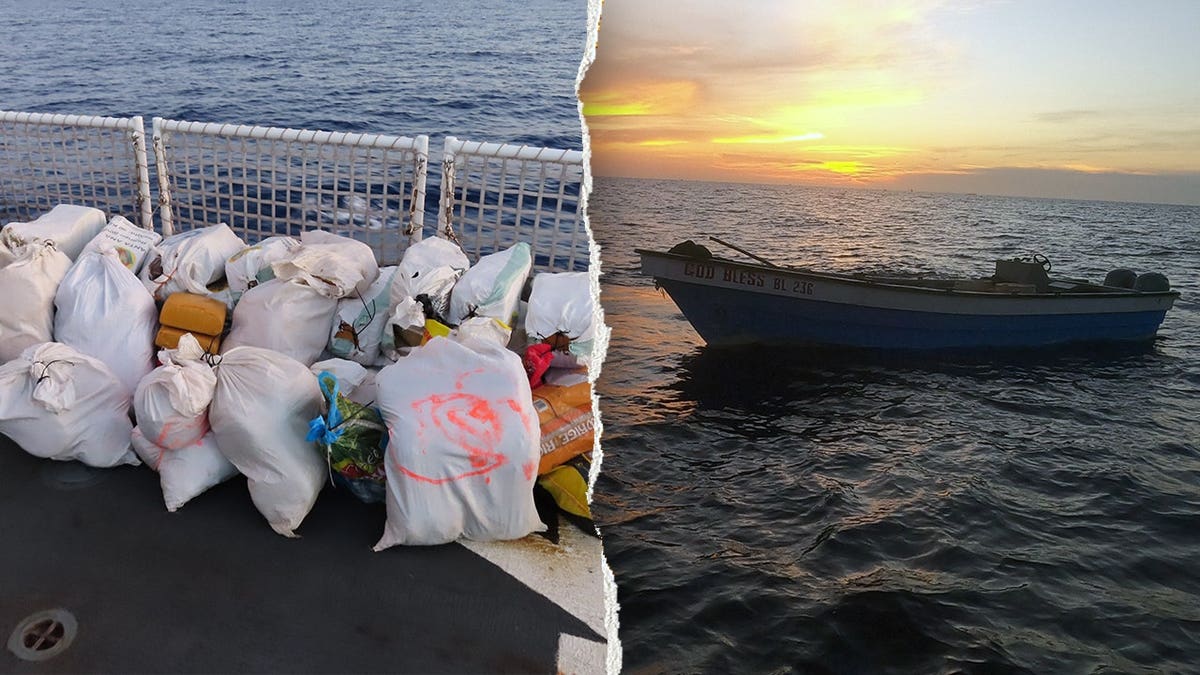
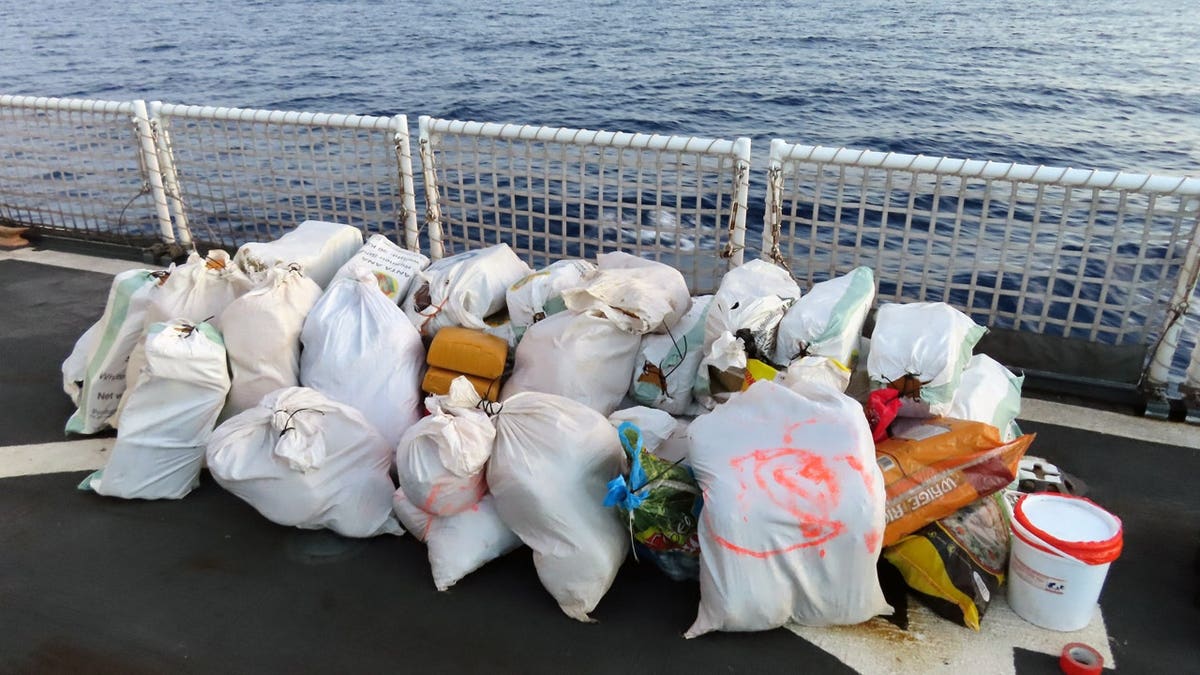
Upon intercepting the vessel, authorities recovered 47 waterlogged bales of suspected marijuana floating along the smuggler’s flight path. The combined weight of the recovered contraband totaled 2,082 pounds (approximately 1.04 tons). The four individuals found aboard the vessel were detained without incident and are currently in federal custody, awaiting formal charges.
While the exact coordinates of the interdiction have not been publicly disclosed by military officials due to operational security, the involvement of regional search-and-rescue assets indicates the operation occurred in the strategically vital transit zones of the Caribbean Sea, a primary corridor for drug trafficking networks aiming to reach North American markets.
Chronology of the Operation
The successful seizure was the result of a multi-stage tactical operation that transitioned rapidly from routine surveillance to high-speed pursuit and maritime search-and-recovery.
[Routine Patrol] ──> [Radar/Visual Detection by USCG Escanaba] ──> [Launch of Small Boat Crew]
                                                                             │
[Contraband Jettisoned] <── [High-Speed Pursuit & Tactical Intercept] <──────┘
          │
          └──> [Vessel Stopped & 4 Suspects Detained] ──> [Search of Prior Track ("Bale Field")]
                                                                     │
                                [Recovery of 47 Bales (2,082 lbs)] <─┘
Phase I: Detection and Tactical Launch
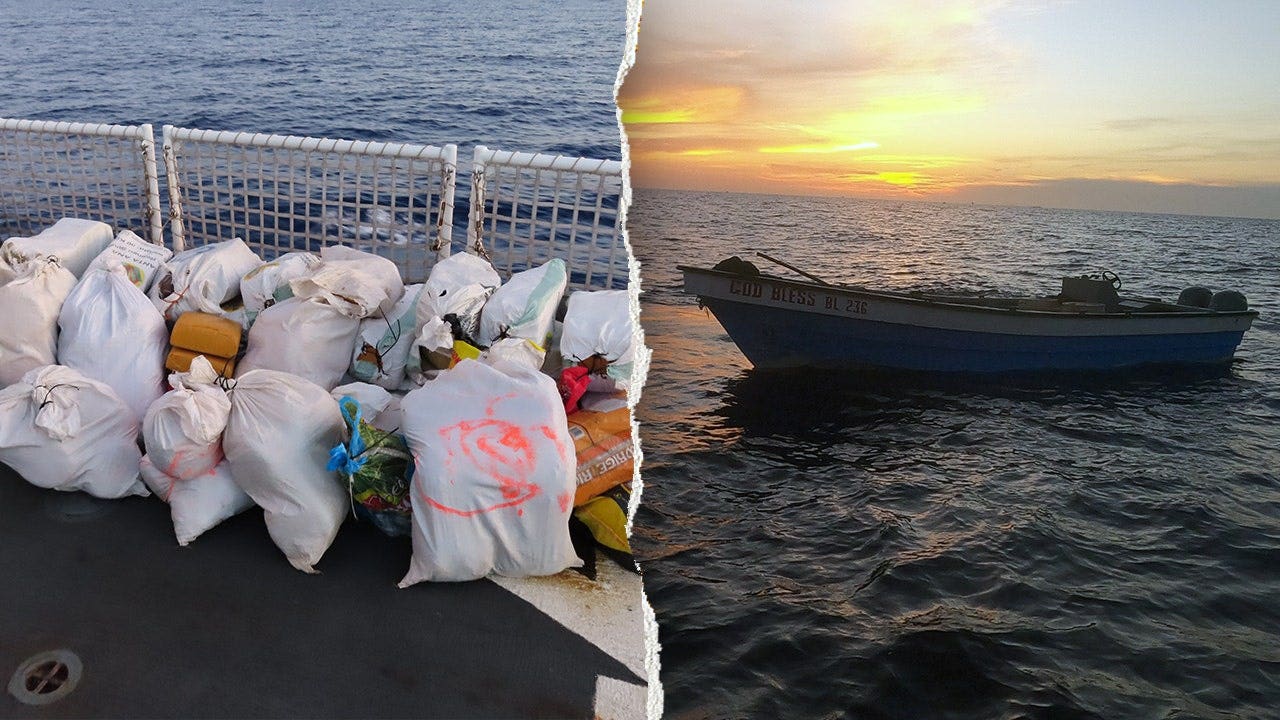
While conducting routine counter-narcotics patrols in the Caribbean, the watchstanders aboard the USCG Cutter Escanaba identified a highly suspicious radar signature and visual profile of a vessel traveling at high speed without navigation lights. Recognizing the vessel as a potential go-fast smuggling craft, the commanding officer of the Escanaba authorized the immediate deployment of the cutter’s Over-the-Horizon (OTH) small boat crew to close the distance and conduct an inquiry.
Phase II: Pursuit and Intercept
As the Coast Guard small boat approached, the suspects aboard the go-fast vessel attempted to evade capture. During the ensuing pursuit, the occupants of the smuggling craft began systematically throwing their cargo overboard—a standard tactical maneuver employed by maritime smugglers to lighten their vessel’s load, increase speed, and destroy evidence before law enforcement boarding officers can secure the deck.
Despite the evasion attempts, the Coast Guard crew maintained pursuit, successfully maneuvering to intercept the vessel. Faced with the overwhelming presence of the cutter and its deployable specialized boat, the operators of the go-fast vessel ceased their flight. According to a statement released by JIATF-S, "the vessel stopped without further incident," allowing boarding officers to safely secure the vessel and detain the four occupants.
Phase III: The "Bale Field" Recovery
Once the suspects were secured, the focus of the operation shifted to evidence recovery. Retracing the high-speed pursuit route, Coast Guard crews discovered what maritime investigators refer to as a "bale field"—a wide expanse of open ocean littered with floating bundles of narcotics.
Retrieving waterlogged contraband from the open ocean is a hazardous and physically demanding process. Working in coordination with the Joint Rescue Coordination Center (JRCC) Haiti, the crew of the Escanaba launched a systematic search-and-recovery pattern. Over several hours, crew members hauled 47 individual bales of marijuana out of the water. The recovered cargo was subsequently cataloged, weighed, and secured aboard the cutter for transfer to federal law enforcement authorities.
Supporting Data and Contextual Maritime Seizures
The seizure of 2,082 pounds of marijuana represents a significant disruption to regional smuggling logistics, but it is only one component of an aggressive, multi-theater maritime interdiction campaign currently being waged by U.S. forces in the Western Hemisphere.
Comparative Seizure Metrics
To understand the scale of current operations, this Caribbean seizure can be analyzed alongside other recent high-profile maritime interdictions conducted by the U.S. Coast Guard and Southern Command (SOUTHCOM):
| Metric / Detail | Caribbean Interdiction (Cutter Escanaba) | Puerto Rico Interdiction (Recent) | Eastern Pacific Operations (Recent) |
|---|---|---|---|
| Primary Contraband | Suspected Marijuana | Cocaine | Unspecified / Vessel Disruption |
| Weight Recovered | 2,082 lbs (1.04 tons) | Over 7,000 lbs (3.5 tons) | N/A (Vessels Sunk) |
| Estimated Value | $2.4+ Million | $54.5 Million | Undisclosed |
| Suspects Detained | 4 | 5 | Undisclosed |
| Key Assets Involved | USCG Cutter Escanaba, JIATF-S, JRCC Haiti | USCG Caribbean Sector Assets | U.S. Navy & Coast Guard (SOUTHCOM) |
Context of Eastern Pacific Interdictions
The Caribbean marijuana bust occurred in tandem with highly aggressive operations in the Eastern Pacific. Recently, SOUTHCOM confirmed that U.S. military forces conducted two distinct operations targeting maritime vessels linked to Los Choneros, a violent Ecuadorian narco-terrorist organization. Unlike the Caribbean operation, where the vessel was preserved for evidence and the suspects detained, the Eastern Pacific operations resulted in U.S. forces boarding, searching, and subsequently sinking the target vessels to permanently remove them from the cartels’ logistics chains.
Official Responses and Interagency Coordination
The success of the interdiction has been widely praised by defense and law enforcement officials, who highlighted the seamless integration of international and domestic agencies required to police vast expanses of ocean.
Joint Interagency Task Force South (JIATF-S) Statement
In a statement detailing the operation, representatives from JIATF-S—based in Key West, Florida—emphasized the operational complexity of the mission:
"This mission required vigilance, professionalism, and seamless coordination from detection and pursuit to evidence recovery and search-and-rescue support."
JIATF-S also extended formal gratitude to the crew of the Coast Guard Cutter Escanaba and the Joint Rescue Coordination Center (JRCC) Haiti, noting that their "timely support, search assistance, and coordination throughout the operation" were critical to ensuring no lives or evidence were lost during the high-seas pursuit.
U.S. Southern Command (SOUTHCOM) Perspective
U.S. Southern Command, which oversees all U.S. military operations in Central America, South America, and the Caribbean, framed the seizure as a clear message to transnational criminal syndicates. In an official release, SOUTHCOM stated:
"This bust is another demonstration of the United States’ resolve to stop the flow of dangerous drugs into the homeland."
The command emphasized that the integration of military intelligence, Coast Guard law enforcement authority, and international partners like Haiti creates a formidable barrier against maritime smuggling networks.
Broader Security and Geopolitical Implications
This latest seizure carries significant implications for regional security, international law enforcement cooperation, and the evolving strategy of the United States’ war on transnational organized crime.
The Shift Toward "Narco-Terrorism" Classifications
The context surrounding this interdiction highlights a broader strategic shift by the U.S. government toward treating drug cartels not merely as criminal enterprises, but as "narco-terrorist" organizations. This designation has allowed the U.S. military to deploy more aggressive rules of engagement, particularly in international waters.
The recent sinking of vessels linked to Los Choneros in the Eastern Pacific is a prime example of this posture. By treating these organizations as national security threats, the U.S. military can utilize kinetic options, asset destruction, and advanced surveillance technologies that go far beyond traditional civilian law enforcement capabilities.
Tactical Challenges of "Go-Fast" Interdictions
The use of go-fast vessels remains a primary challenge for maritime border security. These boats are:
- Built with fiberglass or composite materials, minimizing their radar cross-section.
- Painted in blue or grey hues to blend into the ocean surface when viewed from the air.
- Equipped with multiple high-horsepower outboard engines, allowing them to outrun standard commercial and civilian vessels.
To counter these tactics, the U.S. Coast Guard relies on Medium Endurance Cutters like the Escanaba, which act as floating command centers capable of launching helicopters and high-speed interceptor boats. The recovery of the "bale field" in this operation also underscores the logistical burden placed on Coast Guard crews, who must balance the apprehension of suspects with the laborious physical recovery of evidence scattered across miles of open ocean.
Strengthening Regional Alliances
The explicit mention of Joint Rescue Coordination Center (JRCC) Haiti highlights the critical role of regional partnerships. Haiti, despite facing severe domestic, political, and economic crises, remains a geographically vital partner in securing the Windward Passage and other transit zones. By coordinating with Haitian authorities, the U.S. military strengthens the maritime security umbrella over the Caribbean, preventing cartels from exploiting the territorial waters of nations with limited naval enforcement capabilities.
As the U.S. government continues its multi-agency campaign against Western Hemisphere narcotics networks, operations like the one executed by the USCG Cutter Escanaba serve as both a tactical success and a deterrent, signaling that despite the vastness of the sea, the reach of joint interagency operations remains highly effective.