In the modern real estate landscape, a home’s digital footprint is its most critical point of entry. Before a prospective buyer ever sets foot on a property, they have likely already walked through its halls via a high-resolution gallery on a mobile device. A real estate photographer does far more than simply "take pictures"; they act as the architect of the buyer’s first impression. They determine whether a home feels inviting, expansive, and worth a site visit, or whether it becomes just another forgotten listing in a never-ending scroll.
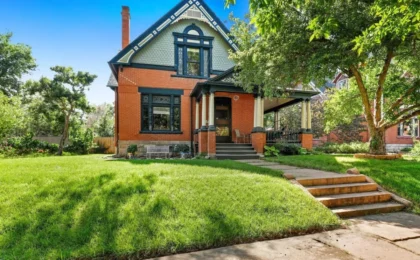
For sellers and real estate agents, the stakes are high. Whether you are listing a high-rise condominium in Los Angeles, CA, or a historic brownstone in Boston, MA, the quality of your visual marketing directly correlates to your time on market and your final sale price. To maximize impact, you must look past polished Instagram grids and find a professional who understands the nuances of residential real estate.
The Strategic Importance of Professional Visuals
The majority of modern home searches begin online. Consequently, professional photography serves as the primary evidence of a property’s condition, layout, and potential. When images are dark, distorted, or haphazardly composed, the subconscious message to the buyer is one of neglect or hidden flaws.
"The right photographer is one that cares about capturing the property properly," says Marc Weiskopf, Founder and Real Estate Media Strategist at Pinnacle Property Media. "Photographers should care about selling the property as much as the realtors themselves do. Their goal should be to properly capture the property to ensure it stands out and ends up on a potential buyer’s top-ten list."
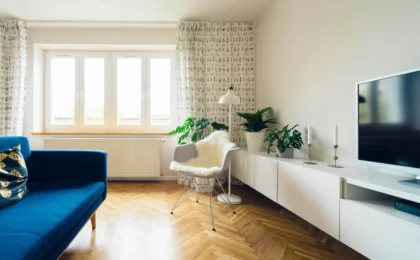
A professional who understands this mission approaches a home not as a series of isolated rooms, but as a narrative. They identify the "hero" features—be it a chef’s kitchen, wide-plank hardwood floors, or a seamless indoor-outdoor living flow—and ensure these are the focal points of the listing.
A Chronology of Evaluation: How to Vet Your Photographer
Finding the right visual partner requires a structured approach. Do not rely on a single highlight reel; instead, treat the selection process like a due diligence audit.
Phase 1: The Deep Dive into Full Galleries
While a portfolio is a logical starting point, it is often a curated collection of a photographer’s "best of" career moments. To truly understand their consistency, request two or three complete, recent listing galleries. Ideally, these should mirror your property in terms of price point, square footage, and architectural style.
"Choosing the right real estate photographer is less about finding someone with a polished Instagram feed and more about finding a reliable visual partner whose work you have seen perform in your own market," advises Ryan Mahoney, Founder of Pierfront Media.
Phase 2: Analyzing Consistency and Detail
When reviewing these full galleries, pay attention to the "unglamorous" spaces. Anyone can photograph a sun-drenched living room with professional staging. The true measure of a pro is how they handle bathrooms, laundry rooms, hallways, and basements. Can they make these functional, tight spaces look appealing without resorting to fish-eye lenses or distorted visual tricks?
Consistency is key. Do the white balance and exposure remain uniform from the bedroom to the kitchen? Does the photographer maintain a logical flow, or do they jump between wide-angle shots that make the home’s layout impossible to track?
Phase 3: The Interview and Communication Audit
How a photographer communicates before they have your deposit is the most accurate predictor of how they will handle your deadline. Are they responsive? Do they provide clear, written timelines? Are they transparent about their rescheduling policies regarding weather or construction delays?
"Don’t judge a photographer by their best single image. Judge them by their consistency across a full gallery," says the team at Repropix. "Ask about turnaround time in writing; a stunning photo delivered three days late has already cost you the first weekend a listing is live."
Technical Expertise: Why Real Estate is a Specialized Field
It is a common misconception that a talented wedding or portrait photographer will naturally excel at real estate. Architectural and interior photography requires a deep understanding of geometry, perspective, and the physics of light.
"I’d specifically look for someone with an architecture or interiors background," notes Trey Bywaters, Founder of Bywaters Media. "Shooting a home well is closer to shooting a building than shooting a portrait. It’s about geometry, verticals, and flow between spaces."
The "Vertical" Test
When inspecting a portfolio, look at the vertical lines—door frames, window casings, and cabinet edges. If these lines appear tilted or stretched, the photographer is likely failing to correct for lens distortion. This creates a psychological sense of instability in the buyer, even if they cannot articulate exactly why the room "feels off."
Composition as a Roadmap
Effective photography creates a mental map for the buyer. Every image should orient the viewer, allowing them to understand how one room transitions into the next. A master photographer understands that an image of a kitchen should show the relationship between the island, the cabinetry, and the adjacent living area, rather than just highlighting a single countertop detail.
The Role of Lighting and Post-Production
Lighting is the primary tool for emotional storytelling in a home. However, it is also the easiest element to over-process. The industry standard is "natural-looking" light, which balances the brightness of a window with the shadows of an interior.
Avoiding the "Showroom" Trap
Excessive flash or heavy-handed AI-driven editing can strip a home of its soul, making it look like a sterile, plasticized showroom rather than a place to live. Colors must be accurate—neutral oak floors should not appear neon orange, and white cabinets should not cast a blue-gray tint.
"The things you have to watch carefully are editing skills, the colors of the images, and the straight lines," explains Dimitris Tzankatian, a camera and drone operator. "Another thing to consider is the services being provided: number of images, turnaround times, usage rights, and additional fees."
The AI Evolution
Modern editing often employs AI to enhance speed, but the best professionals use these tools as a starting point, not a substitute for human oversight. "The best photographers use AI to enhance efficiency while still ensuring every image is reviewed for accuracy and a natural appearance," adds the team at Fotolabs.
Implications for Sellers: Rights, Scope, and Value
Before the first camera shutter clicks, you must clarify the logistics. This includes defining the scope of work: Will you need drone shots? Twilight photography? A 3D walkthrough?
The Fine Print of Licensing
Usage rights are often overlooked. Remember that in many jurisdictions, the photographer retains the copyright, granting you a license to use the images for that specific listing. If you intend to use those photos in your personal branding or social media long after the home has sold, you must negotiate these rights upfront.
Why Price Isn’t Everything
The temptation to cut costs by hiring a budget-friendly photographer is high, especially during the expensive process of selling a home. However, "cheap" photography is often the most expensive option. If the images fail to drive traffic, you may face weeks of extended listing time, potential price drops, or the need to pay for a second, professional shoot.
The Interview Checklist
Before booking, use these critical questions to vet your candidate:
- "May I see three complete, recent galleries of homes similar to mine?"
- "What is your written guarantee for turnaround time?"
- "How do you handle challenging lighting situations, such as dark rooms or bright windows?"
- "What is your policy for rescheduling due to weather or last-minute home staging issues?"
- "Do you have a license for drone operations, and how do you ensure compliance with local airspace regulations?"
- "Are there any hidden fees for usage rights or high-resolution delivery?"
Final Thoughts
A real estate photographer’s ultimate objective is to make a home easier to understand and impossible to forget. By prioritizing consistency, architectural awareness, and transparent communication, you are not just buying a set of files—you are investing in a strategic marketing asset. In the competitive arena of real estate, your goal is to secure a sale price that exceeds expectations; the right photographer is the partner who helps you get there.