Main Facts: A Paradigm Shift in Global Law Enforcement
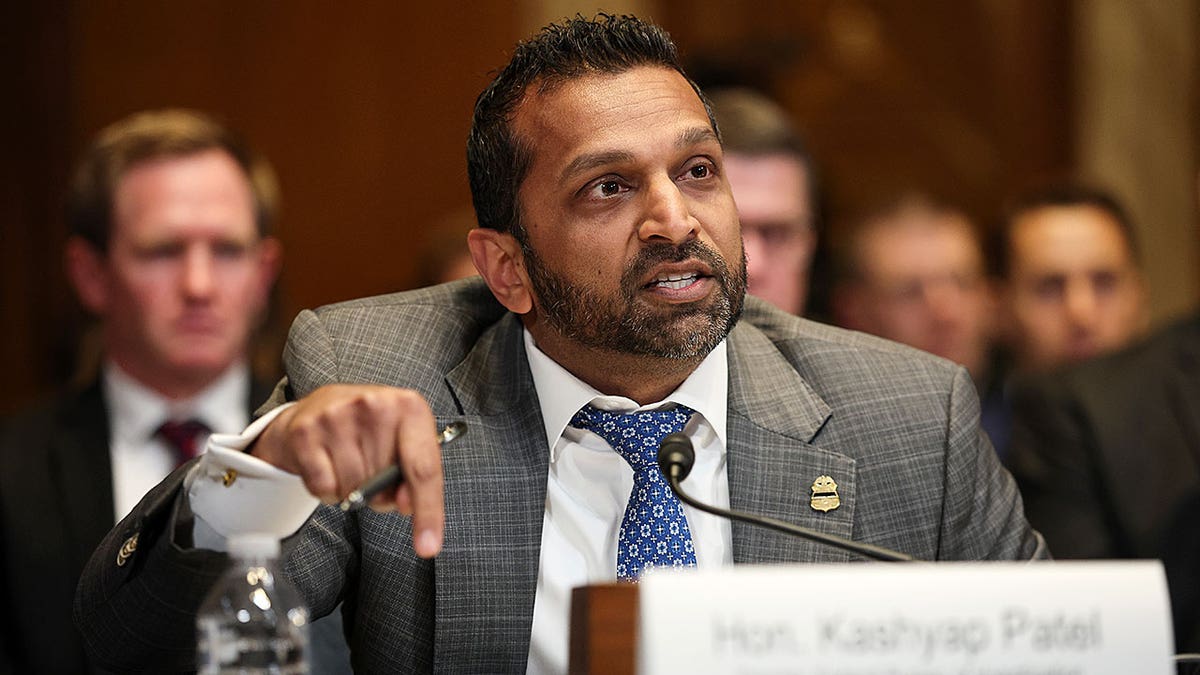
The Federal Bureau of Investigation (FBI) has enacted a sweeping realignment of its international fugitive recovery operations, yielding a historic surge in the apprehension and return of high-profile suspects fleeing American justice. Under the direct leadership of FBI Director Kash Patel, the bureau has transitioned from a traditionally bureaucratic, liaison-based approach to an aggressive campaign of direct, personal diplomacy with foreign law enforcement leaders.
Data exclusively obtained by Fox News Digital reveals that during his first 18 months in office, Director Patel made 100 direct phone calls to international counterparts to personally negotiate the capture and transfer of fugitives. This represents a stark departure from the operational baseline of his predecessor, Christopher Wray, who made nine such calls during his final 18 months under the Biden administration.
This hands-on strategy has produced a measurable escalation in successful repatriations:
Extraditions have increased by 65% compared to the final 18 months of the prior administration.
Foreign Transfers of Custody (FTOCs)—operations in which foreign authorities apprehend a suspect and transfer them directly into U.S. custody—have risen by 54%.
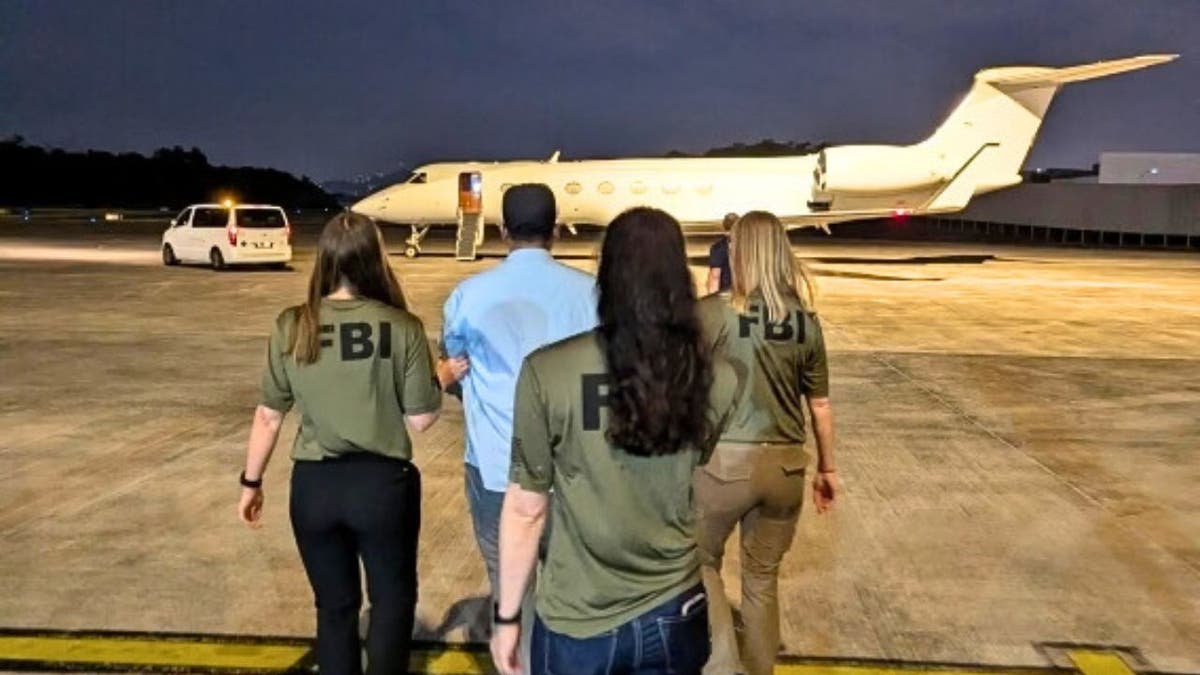
In total, the FBI executed 157 formal extraditions and 86 FTOCs during this 18-month period.
The aggressive manhunt initiative has targeted a diverse spectrum of international fugitives, ranging from suspected murderers and child exploiters to perpetrators of multi-billion-dollar financial fraud schemes. By bypassing traditional bureaucratic delays and leveraging direct executive communication, the FBI has systematically dismantled safe havens once considered secure by fugitives evading federal prosecution.
Chronology of High-Profile Apprehensions
The operational impact of Patel’s direct-engagement doctrine is best understood through a timeline of high-profile international apprehensions executed under this updated mandate.
[2000] --------------------------------- Rape & Murder of 5-Year-Old in Philadelphia
                                         (Alexis Flores flees; later placed on FBI Top 10)
                                            |
[March 2025] --------------------------- Flores Removed from Top 10 List
                                         (Due to Honduran extradition refusal)
                                            |
[February 2026] ------------------------ Flores Arrested in Honduras
                                            |
[March 2026] --------------------------- Zobaidul Amin Extradited from Malaysia
                                         (International Sextortion Scheme)
                                            |
[May 2026] ----------------------------- Alexis Flores Extradited to U.S.
                                         Varun Batchigari Arrested in Germany
                                         Abdullah Anwar Returned from Qatar
The Arrest of Varun Batchigari in Germany
In a recent high-profile operation, Arizona murder suspect Varun Batchigari was apprehended by German authorities after fleeing the United States. Batchigari is accused of the homicide of his girlfriend, Julissa Salazar, in Arizona. Following the crime, Batchigari managed to flee the country, prompting an international search. Working in concert with German law enforcement, the FBI tracked Batchigari, leading to his arrest. He currently faces complex extradition proceedings in Germany as U.S. officials work to return him to Arizona to face trial.
The 25-Year Hunt for Alexis Flores (February – May 2026)
One of the most significant victories of the FBI’s revitalized outreach is the extradition of Alexis Flores, a Honduran citizen who spent a quarter of a century evading justice. Flores was wanted for the brutal 2000 rape and murder of a five-year-old girl in Philadelphia, Pennsylvania.
For years, diplomatic roadblocks prevented his return. In March 2025, the FBI went so far as to remove Flores from its Ten Most Wanted Fugitives list because the prior Honduran government flatly refused to extradite him, citing local constitutional and statutory limits. However, following targeted diplomatic and law enforcement pressure, Flores was arrested in Honduras in February 2026. On Monday, May 2026, Honduran authorities formally extradited Flores to Philadelphia, marking the end of a 25-year flight from prosecution.
Dismantling Sextortion: The Extradition of Zobaidul Amin (March 2026)
In March 2026, the FBI successfully coordinated the transfer of Zobaidul Amin, a Bangladeshi national, from Malaysia to the United States. Amin is the alleged mastermind behind one of the most prolific online child exploitation and "sextortion" schemes prosecuted by the Department of Justice.
According to federal prosecutors, Amin posed as a teenager on social media platforms, including Instagram and Snapchat, to coerce hundreds of minors—some as young as 11 years old—into producing sexually explicit content. He then allegedly blackmailed the victims, threatening to distribute the material to their families, friends, and classmates unless they sent additional images. Amin was extradited to Alaska to face federal charges.
Intercepting Financial Fugitives: Abdullah Anwar
The FBI’s international dragnet has also focused heavily on financial criminals. Abdullah Anwar, a 28-year-old Texas resident indicted on major fraud charges, fled the United States to Pakistan. Recognizing that Pakistan lacked immediate pathways for his return, the FBI monitored his movements. When Anwar traveled to Qatar, Qatari authorities, acting on an FBI alert, arrested him. Following direct coordination between Washington and Doha, Qatar agreed to bypass traditional delays and extradited Anwar back to Texas to face trial.
Supporting Data: Analyzing the Extradition Surge
The shift in the FBI’s operational tempo is illustrated by comparative metrics between the current and previous administrations.
Direct Director-Level Engagement
The primary driver of the statistical spike in fugitive returns is the volume of direct, personal communications initiated by the FBI Director to foreign law enforcement chiefs, ministers of justice, and heads of state.
Extraditions vs. Foreign Transfers of Custody (FTOC)
The FBI utilizes two primary legal pathways to bring international fugitives to U.S. soil: formal extraditions and Foreign Transfers of Custody (FTOCs).
Formal Extradition: A highly structured, treaty-based judicial process. Once a suspect is arrested abroad, the U.S. Department of Justice submits a formal package through diplomatic channels. The host country’s judicial system must approve the request, a process that can take years if contested.
Foreign Transfer of Custody (FTOC): A more agile mechanism. It occurs when a foreign government apprehends a non-citizen suspect and, instead of undergoing a lengthy extradition trial, utilizes administrative immigration channels (such as deportation, exclusion, or expedited expulsion) to hand the suspect directly over to waiting FBI agents.
During Patel’s first 18 months, the FBI executed 157 formal extraditions and 86 FTOCs, representing a 65% and 54% increase, respectively, over the final 18 months of the Biden administration.
Official Responses: Leadership, Policy, and Legal Frameworks
The dramatic escalation in international law enforcement operations has drawn strong reactions from senior officials, legal analysts, and policymakers.
FBI Director Kash Patel
In an exclusive statement to Fox News Digital, Director Patel attributed the success of the operations to clear executive mandates, international relationships, and decisive legal leadership.
"When I became FBI director, I made clear that we would relentlessly manhunt high-value targets from overseas, and we’ve delivered. It’s a direct result of President Trump’s relationships with foreign governments, which allow us to work in spaces where we were never permitted to before, and Attorney General Todd Blanche’s leadership giving us the legal tools we need to return these subjects back to America to face charges. These targets are literally the worst of the worst, and we will give them no sanctuary."
Legal Analysis: The Hurdles of International Extradition
Former Department of Justice prosecutor Jim Trusty analyzed the legal and diplomatic hurdles that the FBI must navigate, particularly in high-stakes murder cases like that of Varun Batchigari in Germany.
Trusty noted that European nations, particularly Germany, maintain strict constitutional prohibitions against the death penalty and certain sentencing guidelines, such as life without parole for minors or specific categories of offenders. To secure the return of suspects from these jurisdictions, the DOJ must frequently issue formal diplomatic assurances that the prosecution will not seek the death penalty. Trusty emphasized that Patel’s strategy of direct communication helps resolve these delicate diplomatic and legal standoffs far more quickly than traditional, mid-level diplomatic channels.
Political Implications: Transnational Crime and Border Integrity
The FBI’s aggressive stance on international fugitives aligns with broader administrative policies focused on border security and transnational crime. Vice President JD Vance recently highlighted these efforts, tying international law enforcement cooperation to domestic security priorities, including combatting migrant welfare fraud and dismantling transnational cartels. By demonstrating that foreign borders will not protect criminals from U.S. prosecution, the administration aims to establish a deterrent effect against cross-border criminal operations.
Implications for International Diplomacy and Fugitive Safe Havens
The FBI’s transition to a highly active international posture carries significant implications for global diplomacy, bilateral treaty frameworks, and the sovereign legal systems of partner nations.
1. The Shrinking of Global Safe Havens
Historically, fugitives from U.S. law calculated their escape routes based on the complexity of local extradition laws. Countries with strict constitutional limits on extraditing their own citizens (such as Honduras) or nations without formal bilateral extradition treaties with the U.S. (such as Qatar or Pakistan) were favored destinations.
The recent returns of Alexis Flores and Abdullah Anwar demonstrate that the FBI is increasingly successful at finding alternative legal pathways, such as third-country intercepts and administrative deportations, to bypass these traditional legal obstacles.
2. Direct Executive Agency vs. Traditional Diplomacy
By bypassing standard State Department channels in favor of direct agency-to-agency communications, the FBI has significantly accelerated the operational timeline of international arrests. However, this approach requires substantial political capital.
The success of these direct negotiations depends heavily on the broader diplomatic leverage of the administration, including bilateral trade, security assistance, and geopolitical alliances.
3. Judicial and Human Rights Considerations
As the U.S. increases its reliance on FTOCs and expedited administrative removals, civil liberties advocates and international legal scholars continue to monitor the balance between swift justice and due process. Because FTOCs often bypass formal judicial review in the host country, they require high levels of trust and coordination between the FBI and foreign ministries to ensure compliance with local and international human rights standards.
The FBI’s current operational data shows that the United States has entered a new era of global law enforcement—one defined by personal diplomacy, aggressive tracking, and a clear message to international fugitives: the borders of foreign nations no longer guarantee asylum from American justice.