The resurgence of antisemitism has emerged as one of the most volatile and complex socio-political issues of the modern era. From the halls of state governments and the campaign trails of North America to the boardrooms of Hollywood and international diplomatic arenas, Jewish communities are navigating a landscape marked by rising hostility. This comprehensive report examines several key developments highlighting this trend, drawing from recent political controversies, grassroots refugee initiatives, cultural disputes, and media representation.
Main Facts: Key Developments in the Antisemitism Landscape
The Michigan AG Controversy: Political Pragmatism vs. Community Survival
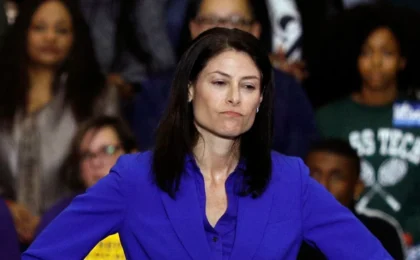
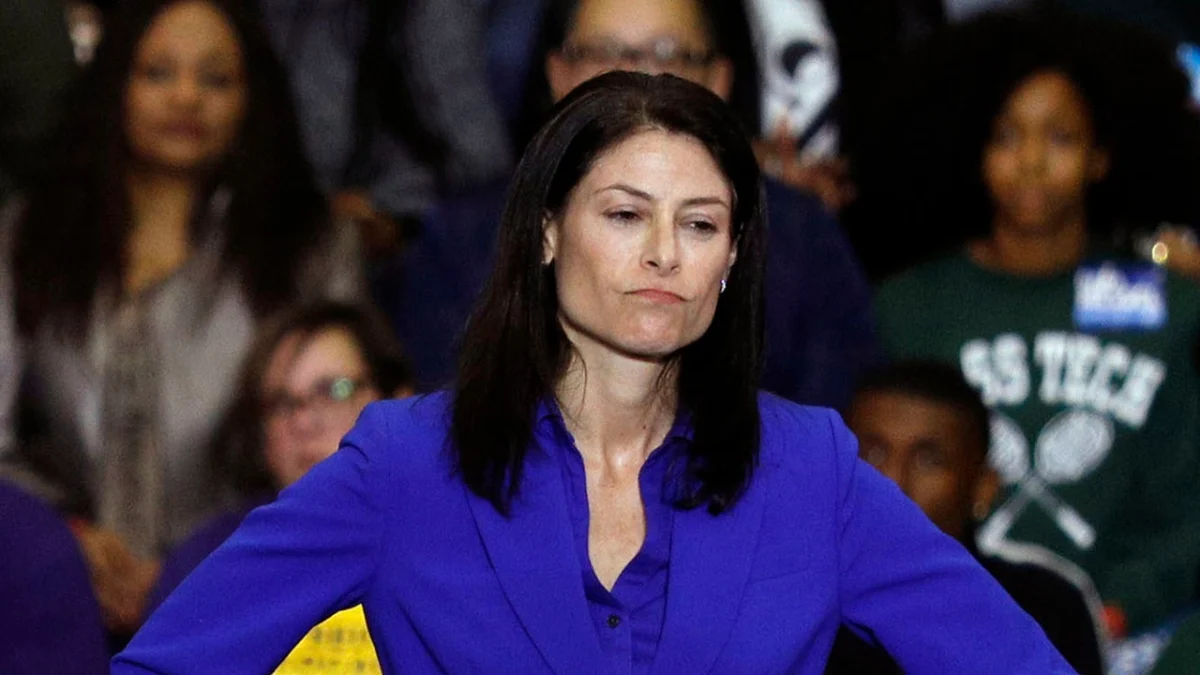
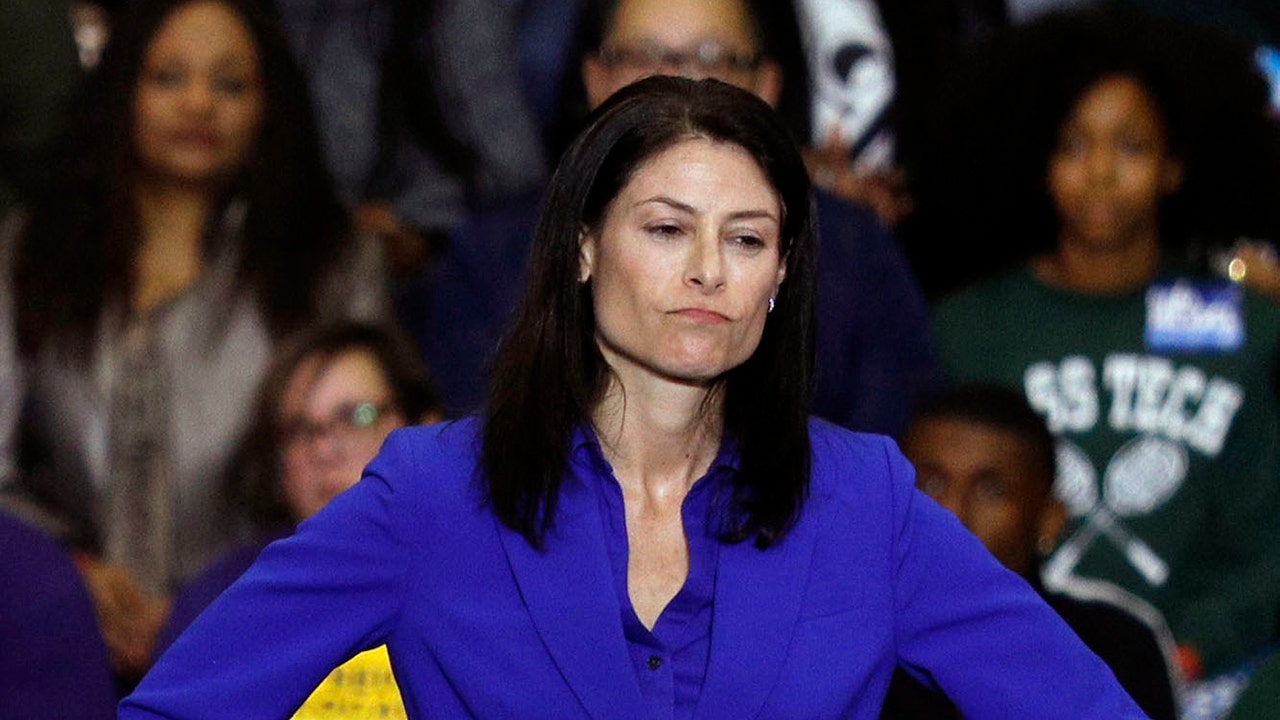
Michigan Attorney General Dana Nessel is facing intense criticism following remarks delivered during a closed-door event with Jewish Democrats. Nessel, who is Jewish herself, reportedly urged Jewish voters to prioritize global humanitarian needs and the electoral success of the Democratic Party over their own immediate "safety and security."
Invoking the biblical story of Queen Esther, Nessel argued that Jewish voters face a "moral imperative" to look beyond their localized fears of rising antisemitism to support a broader political agenda. Critics from across the political spectrum quickly condemned the remarks, characterizing them as an unprecedented demand for a historically marginalized group to deprioritize its own survival for partisan gains. Furthermore, Nessel accused her own party of allowing individuals with documented histories of antisemitic rhetoric to attend the national convention, signaling deep internal fractures within the Democratic coalition.
The Canadian Diaspora: A Christian-Led Initiative for Emergency Refuge
In Canada, a dramatic escalation in antisemitic incidents has prompted a coalition of Christian lawmakers to petition the United States government for emergency intervention. The National Association of Christian Lawmakers (NACL) has formally requested that former President Donald Trump support a fast-tracked legal immigration pathway for Canadian Jews seeking to escape targeted violence and harassment.
Reports indicate that more than 2,000 Jewish Canadians are actively seeking to relocate to the United States due to safety concerns. Trump has signaled preliminary support for the initiative, which seeks to establish a humanitarian corridor based on religious persecution.
Hollywood Divides: Mark Ruffalo and the Paramount Merger
In the cultural sphere, actor and activist Mark Ruffalo has become the center of a major industry dispute. Ruffalo publicly criticized the proposed $111 billion merger of Paramount, alleging that corporate executives were complicit in facilitating "genocide" through technological and financial ties to the state of Israel.
The comments drew immediate and severe condemnation from prominent Hollywood producers and studio executives. Industry insiders accused Ruffalo of invoking classical antisemitic tropes regarding Jewish financial dominance and conspiracy. Ruffalo has vehemently denied these accusations, describing the allegations of antisemitism as "appalling" and asserting that his critiques were strictly focused on corporate ethics and human rights.
Shared Donor Networks: Progressive and Far-Right Alignments
A political controversy has emerged in Michigan involving progressive Democrat Abdul El-Sayed. Campaign finance disclosures revealed that El-Sayed shares more than 20 financial donors with Dan Bilzerian, a controversial former Republican primary candidate.
Bilzerian recently drew national condemnation for deploying highly sophisticated, AI-driven antisemitic attacks against his political opponents. Analysis of the shared donor network reveals a common thread: many of the mutual contributors are anti-Israel donors actively lobbying to reduce or eliminate United States foreign and military aid to Israel.
Media Representation: The "No Jews, No News" Phenomenon
Veteran diplomat Shahar Azani has raised concerns regarding selective media coverage of violence in the Middle East. While condemning a recent attack on an NBC News crew by Israeli settlers in the West Bank, Azani argued that major media outlets exhibit a disproportionate fixation on violence involving Jewish perpetrators while systematically underreporting violence committed against Israelis. Azani termed this editorial bias the "no Jews, no news" paradigm, warning that selective reporting feeds a continuous pipeline of anti-Israel sentiment and fuels domestic antisemitism.
Chronology of Recent Events
To understand the convergence of these controversies, it is necessary to examine the timeline of their escalation over recent months:
[Month 1: Early Phase]
  └── High-profile corporate mergers in Hollywood spark industry-wide debates on foreign investment and technology sharing.
  └── Actor Mark Ruffalo publishes social media critiques of the Paramount merger, initiating immediate backlash from studio executives.

[Month 2: Mid-Phase]
  └── The National Association of Christian Lawmakers (NACL) drafts an appeal to U.S. political leadership regarding the safety of Canadian Jewish communities.
  └── Donald Trump receives the NACL letter and publicly signals support for the Canadian refugee initiative.

[Month 3: Current Phase]
  └── Campaign finance audits reveal donor overlaps between progressive Democrat Abdul El-Sayed and far-right figure Dan Bilzerian.
  └── Michigan AG Dana Nessel delivers her controversial closed-door speech invoking Queen Esther.
  └── Israeli President Isaac Herzog delivers a global address warning of the proliferation of digital antisemitism.
Supporting Data and Statistical Context
The individual controversies outlined above occur against a backdrop of documented increases in antisemitic incidents globally.
Domestic and International Hate Crime Trends
- The United States: According to data compiled by civil rights organizations, antisemitic incidents in the U.S. have reached historic highs, with physical assaults, harassment, and vandalism showing double-digit percentage increases year-over-year.
- Canada: Law enforcement agencies in major metropolitan areas, including Toronto and Montreal, report that Jewish communities remain the most targeted religious group for hate crimes. This spike underlies the NACL’s claim that over 2,000 Jewish Canadians are seeking immediate relocation options.
Digital Proliferation and AI-Generated Hate
The campaign controversy involving Dan Bilzerian highlights a growing technological challenge: the deployment of artificial intelligence to scale hate speech.
| Metric / Dimension | Traditional Antisemitic Campaigns | AI-Enabled Antisemitic Campaigns |
|---|---|---|
| Speed of Generation | Manual, requiring graphic design and writing time | Near-instantaneous generation of text, images, and deepfakes |
| Distribution Scale | Limited to specific forums and physical distribution | Viral spread across multiple mainstream social media platforms |
| Targeting Precision | Broad, demographic-based targeting | Hyper-personalized targeting using algorithmic data |
| Detection Difficulty | High ease of identification by moderation tools | High difficulty due to subtle variations in language and imagery |
Official Responses and Public Statements
The actors involved in these developments have issued sharply contrasting statements, reflecting the deeply polarized nature of the discourse.
On the Michigan AG Controversy
Critics of Attorney General Dana Nessel expressed outrage at her suggestion that Jewish voters should deprioritize their safety. A spokesperson for a prominent Jewish advocacy group stated:
"To ask a community facing an unprecedented surge in hate crimes to ignore their own safety for the sake of political expediency is not only a moral failure, but a dangerous dismissal of the realities of modern antisemitism."
Conversely, defenders of Nessel argue her comments were intended to emphasize the Jewish tradition of Tikkun Olam (repairing the world) and the necessity of coalition-building in a pluralistic society.
On the Canadian Refugee Proposal
In their formal letter to Donald Trump, the National Association of Christian Lawmakers emphasized the historical role of the United States as a sanctuary:
"For generations, America has served as a refuge for people fleeing religious persecution. We urge you to ensure that, consistent with federal law and the security interests of the United States, that door remains open to our Jewish brothers and sisters in Canada who need it today."
On the Hollywood Disputes
Following accusations of antisemitism from studio executives, Mark Ruffalo issued a public clarification:
"The attempt to conflate systemic critiques of multi-billion-dollar corporate mergers with ancient prejudice is appalling and designed to silence legitimate ethical debate regarding technology, defense, and human rights."
Implications and Broader Societal Impact
The intersection of these events carries profound implications for politics, international relations, and cultural institutions.
Political Realignment within the Democratic Party
The friction surrounding Dana Nessel’s remarks and the campaign finance overlaps of progressive candidates indicate a growing ideological rift within the Democratic Party. As progressive wings of the party adopt increasingly critical stances toward Israel, centrist and Jewish Democrats find themselves navigating a highly complex environment. If Jewish voters feel their safety is being deprioritized by party leadership, it could lead to shifts in voter turnout or political alignment in key swing states like Michigan.
Geopolitical Precedents in North American Migration
The proposal to grant emergency refuge to Canadian citizens on the basis of religious persecution represents a significant potential shift in U.S.-Canada relations. Historically, Canada has been viewed as a highly stable, safe democracy. A formalized migration pathway for persecuted Canadian minorities would signal a major reassessment of Canada’s domestic stability and safety metrics, potentially complicating bilateral diplomatic relations.
The Ethics of Cultural and Corporate Critiques
The backlash against Mark Ruffalo underscores the increasingly fine line between geopolitical activism and the inadvertent or deliberate invocation of antisemitic tropes. As corporate entities become more integrated globally, public figures face heightened scrutiny over how they frame critiques of international finance and technology transfers, particularly when those critiques involve Israel or Jewish executives.
Media Credibility and Public Trust
The ongoing critique of media coverage, as articulated by Shahar Azani, poses a direct challenge to the credibility of mainstream journalism. If public perception continues to shift toward the belief that media organizations employ selective coverage to drive specific narratives, trust in international reporting will continue to erode. This erosion often drives audiences toward unverified alternative media sources, further accelerating the spread of misinformation and polarized rhetoric.