Introduction and Main Facts
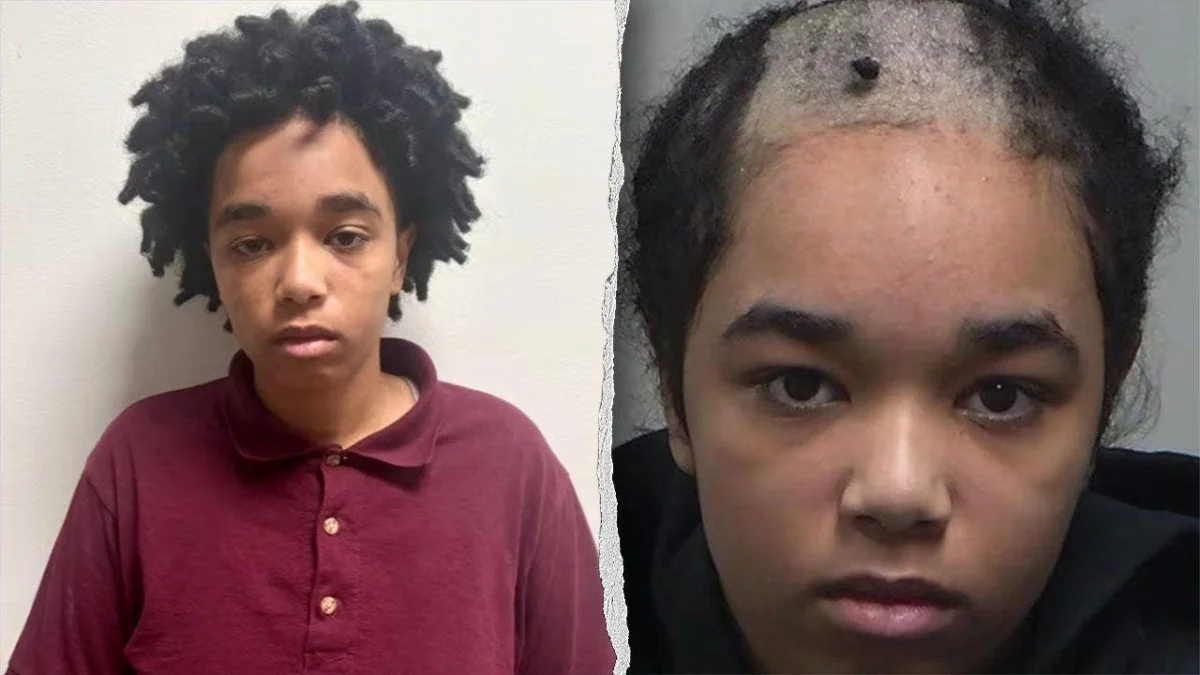
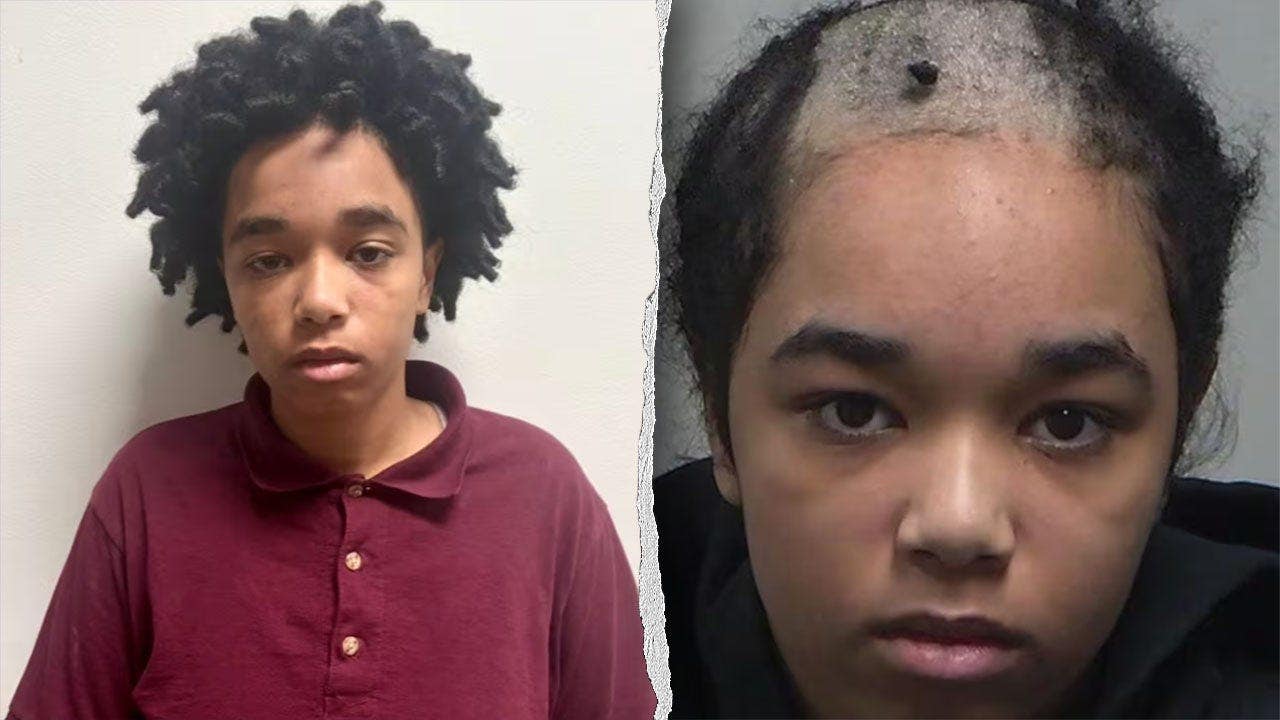
In a case that highlights the intersection of juvenile digital radicalization, parental firearm access, and extreme adolescent violence, 16-year-old Lilyana Rose Wagner of Georgia has been sentenced to life in prison. The sentencing follows her negotiated guilty plea for the brutal murder of her mother, 51-year-old Rachel Wagner, in November 2024.
The prosecution, led by District Attorney Patrick Warren of the Tifton Judicial Circuit, revealed a chilling motive behind the matricide: the teenage girl had originally planned to carry out a mass casualty event at her former middle school. However, she abandoned that plot at the last minute, choosing instead to execute her mother with a firearm her mother had purchased and allowed her to keep in her bedroom.
Lilyana Wagner, who was 14 years old at the time of the crime, pleaded guilty to charges of malice murder and aggravated assault. Under Georgia law, her life sentence carries the possibility of parole, but she must serve a minimum of 30 years in prison before she is eligible to be considered for release.
The case has sent shockwaves through the local community and drew national attention to the role that online subcultures, anonymous messaging applications, and parental oversight play in preventing youth violence.
Chronology of the Tragedy
The events leading up to the death of Rachel Wagner reveal a steady escalation of dark obsessions, facilitated by unrestricted digital access and culminating in a sudden, fatal pivot in intent.
The Digital Descent (Mid-2024)
In the months preceding the homicide, Lilyana Wagner became deeply immersed in online communities dedicated to the glorification of mass tragedies. According to investigators, the teenager developed a distinct online persona centered on planning and executing a mass casualty event.
Through various anonymous communication and social media applications, she engaged with unidentified individuals who actively encouraged her violent inclinations. These online instigators did not attempt to de-escalate her behavior; instead, they pushed her to transition her violent fantasies into real-world actions, urging her to commit murder.
October 2024: Acquisition of the Weapon
Approximately one month before the slaying, Rachel Wagner purchased a handgun from a local pawn shop. In a decision that prosecutors later characterized as fatal negligence, Rachel allowed her 14-year-old daughter to store both the firearm and its corresponding ammunition directly inside her bedroom. This unrestricted access provided Lilyana with the physical means to carry out her violent ideations.
November 2024: The Murder and Discovery
The planned assault on her former middle school was ultimately discarded. Instead, Lilyana made a sudden decision to target her mother. Rachel Wagner was shot once in the back of the head inside her home, dying instantly.
The crime was uncovered through a sequence of unexpected events:
- The Vehicle Crash: Following the shooting, Lilyana took her mother’s car and drove away. She subsequently crashed the vehicle.
- The Police Encounter: Responding law enforcement officers questioned the 14-year-old at the crash scene. During the interaction, Lilyana made the unusual statement that she lived entirely alone with her mother.
- The Welfare Check: Suspicious of the girl’s statements, and noting that Rachel Wagner had uncharacteristically failed to show up for her job or answer her telephone, officers dispatched a unit to the Wagner residence to conduct a welfare check.
- The Discovery: Upon entering the home, officers discovered Rachel Wagner’s body.
The Investigation and Confession
During the subsequent search of the residence and digital forensics analysis, investigators recovered a handwritten confession from Lilyana’s bedroom. The note detailed her decision-making process:
"This whole thing was a last-minute choice," she wrote. "I was going to commit a school shooting at my old middle school but chose this instead. Although I didn’t commit a school shooting, the whole event was inspired by these people."
Directly beneath this statement, the teenager listed the names of six notorious school shooters from memory, solidifying the link between her online radicalization and the act of matricide.
Supporting Data and Contextual Analysis
The case of Lilyana Wagner does not exist in a vacuum; rather, it reflects broader, deeply concerning trends regarding adolescent mental health, online radicalization, and parental liability in gun-related crimes.
The Phenomenon of "Columbine" Fandoms and Online Radicalization
Sociological and criminological research has increasingly identified dark online subcultures where mass shooters are treated as counter-cultural icons. Academic studies on "media contagion" demonstrate that vulnerable adolescents can become infatuated with past perpetrators, finding a sense of belonging or infamy in communities that celebrate mass violence.
In Lilyana’s case, anonymous messaging apps acted as an echo chamber. Rather than receiving intervention, her violent expressions were validated and encouraged by anonymous actors, a process security experts compare to terrorist recruitment.
Parental Gun Ownership and Access
The role of parental facilitation in youth gun violence has become a central focus of prosecutors nationwide. According to data from the Department of Homeland Security and the National Threat Assessment Center (NTAC), in the vast majority of school shootings and youth gun homicides, the perpetrator acquired the firearm from the home of a parent or close relative.
| Metric / Context | Statistical Insight |
|---|---|
| Source of Youth Firearms | Over 75% of underage school shooters obtain their weapons from the home of a parent or close relative. |
| Matricide Frequency | Matricide (the killing of one’s mother) accounts for less than 2% of all homicides in the United States, making it an exceptionally rare violent crime, particularly among female adolescents. |
| Digital Influence | Over 60% of adolescents targeted for online extremist grooming or violent radicalization interact via anonymous, encrypted, or self-deleting messaging applications. |
Official Responses and Legal Proceedings
The legal resolution of the case brought sharp rebukes from local judicial officials, who emphasized the preventative duties of parents in the digital age.
The Prosecution’s Stance
District Attorney Patrick Warren used the conclusion of the court proceedings to issue a stark warning to the public regarding the unchecked dangers of adolescent internet access.
"I urge you to never underestimate the influence that exists behind your child’s screen," Warren stated following the sentencing. "In the courtroom, I see the consequences after the messages and the online encouragement from strangers have already turned into real-world crimes."
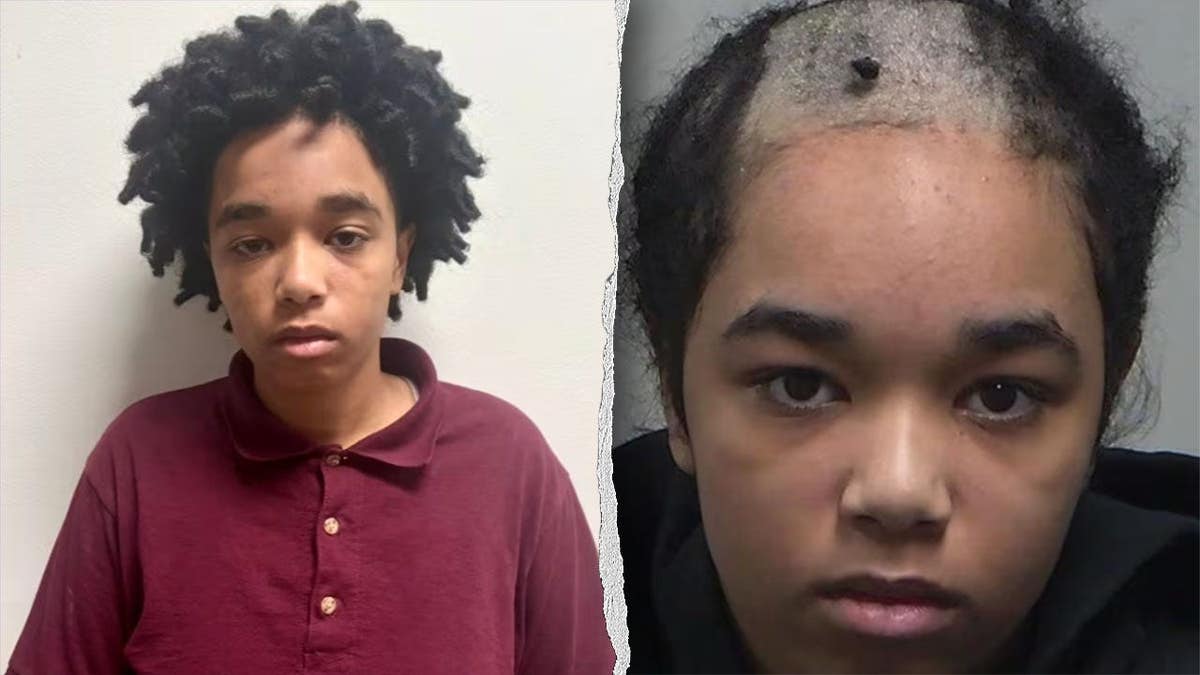
Warren stressed that criminal prosecutions, while necessary for public safety and justice, are ultimately a reactive measure that cannot undo the tragedy of lost lives.
"By then, remorse for your actions cannot erase the damage, and a prosecution cannot give victims back what was taken," Warren added. "It is your duty to know who is influencing your child, and it is your duty to know what they are being taught to believe is acceptable."
The Sentencing
Because Lilyana Wagner was 14 at the time of the offense, the legal proceedings had to navigate the complexities of juvenile sentencing laws in Georgia. By pleading guilty to malice murder, she avoided a potentially longer trial but received a mandatory life sentence. Under Georgia state law, individuals sentenced to life for crimes committed as juveniles must serve a minimum of 30 calendar years before they are eligible to petition the parole board for supervised release. Her time served prior to sentencing will be factored into this timeline, but she will remain under state correctional supervision for the remainder of her natural life.
Implications for Society, Technology, and Parenting
The tragic outcome of the Wagner case highlights several critical areas requiring systemic attention, from legislative reform to shifts in parental responsibility.
The Legal Evolution of Parental Liability
The details of the Wagner case—specifically Rachel Wagner purchasing the firearm and allowing her daughter to keep it in her room—align with a shifting legal landscape in the United States. Prosecutors are increasingly willing to hold parents criminally liable for the violent actions of their children if parental negligence directly facilitated the crime.
This trend was prominently demonstrated in other high-profile Georgia cases, such as the charges brought against Colin Gray, the father of Apalachee High School shooting suspect Colt Gray, for providing his son with an AR-15-style rifle despite knowing his son’s mental instability. While Rachel Wagner’s death precluded any prosecution of her actions, the case serves as a grim warning about the potential consequences of failing to secure household firearms.
The Challenge of Modern Digital Parenting
For parents, the case highlights the extreme difficulty of monitoring adolescent behavior in an era of encrypted, anonymous, and disappearing-message applications. Traditional parental control software often struggles to monitor peer-to-peer apps where radicalization occurs.
Child safety advocates suggest that parental involvement must go beyond technical filters to include active engagement, regular open conversations about digital interactions, and immediate intervention if an adolescent exhibits an obsessive interest in mass casualty events or historical perpetrators of violence.
Early Intervention and School Safety
Finally, the case emphasizes the necessity of robust threat assessment protocols within schools and communities. Lilyana’s written confession indicated that she had intended to target her former middle school. Often, adolescents planning such acts exhibit "leakage"—the communication of violent intent to peers, online acquaintances, or through school assignments before an attack occurs.
Strengthening the pipeline for mental health support, implementing anonymous reporting systems, and educating students on the importance of reporting peer statements about violence remain the most effective tools for disrupting plots before they transition from digital ideation to physical reality.