In an era where global food supply chains are increasingly complex, consumers are facing a growing number of reports regarding foodborne illnesses. From leafy greens to melons, the produce aisle—once considered the healthiest corner of the grocery store—has become a frequent site of concern for public health officials. To navigate this landscape, we turned to Dr. Kantha Shelke, a renowned food-safety expert, founder of the research firm Corvus Blue LLC, and a senior lecturer on food safety regulations at Johns Hopkins University.
Dr. Shelke’s guidance is both practical and sobering: while washing is a critical step in food preparation, it is not a panacea. Understanding the limitations of surface cleaning and the biological realities of pathogens is essential for every home cook.
The Reality of Foodborne Pathogens
The primary challenge with fresh produce is that it is often consumed raw, meaning there is no "kill step"—such as cooking—to eliminate bacteria, viruses, or parasites before consumption.
"Cook anything that can be cooked," Dr. Shelke advises. "Heating to 158 degrees Fahrenheit (70 degrees Celsius) or above is the only reliable kill step for organisms that resist washing and sanitizers." This is particularly vital for vulnerable populations, including the elderly, young children, and those with compromised immune systems.
The concern is not merely theoretical. Parasites like Cyclospora have been linked to significant outbreaks in recent years, including those tied to major lettuce brands. Cyclospora is notoriously resistant to standard washing techniques, causing severe gastrointestinal distress. When pathogens like these are present, traditional rinsing with tap water is often insufficient to ensure safety.
Chronology of Safety: From Harvest to Home
The journey of a vegetable from a field to your dinner plate involves multiple stages of potential contamination. Understanding this chronology helps illustrate why home washing is only the final line of defense:
- Cultivation and Harvesting: Pathogens can be introduced through contaminated irrigation water, soil amendments, or wild animal activity.
- Processing and Packing: Once harvested, produce is often aggregated, washed in large industrial tanks, and packaged. This stage carries the risk of "cross-contamination," where a single contaminated item can spread pathogens to an entire batch.
- Retail Distribution: The "cold chain" must be maintained during transport. Fluctuations in temperature can promote the growth of mold and bacteria.
- Consumer Handling: This is the stage where the home cook takes control. Proper washing, storage, and preparation are the final opportunities to reduce the microbial load before eating.
Expert Protocols for Cleaning Eight Types of Produce
1. Leafy Greens: Patience is a Virtue
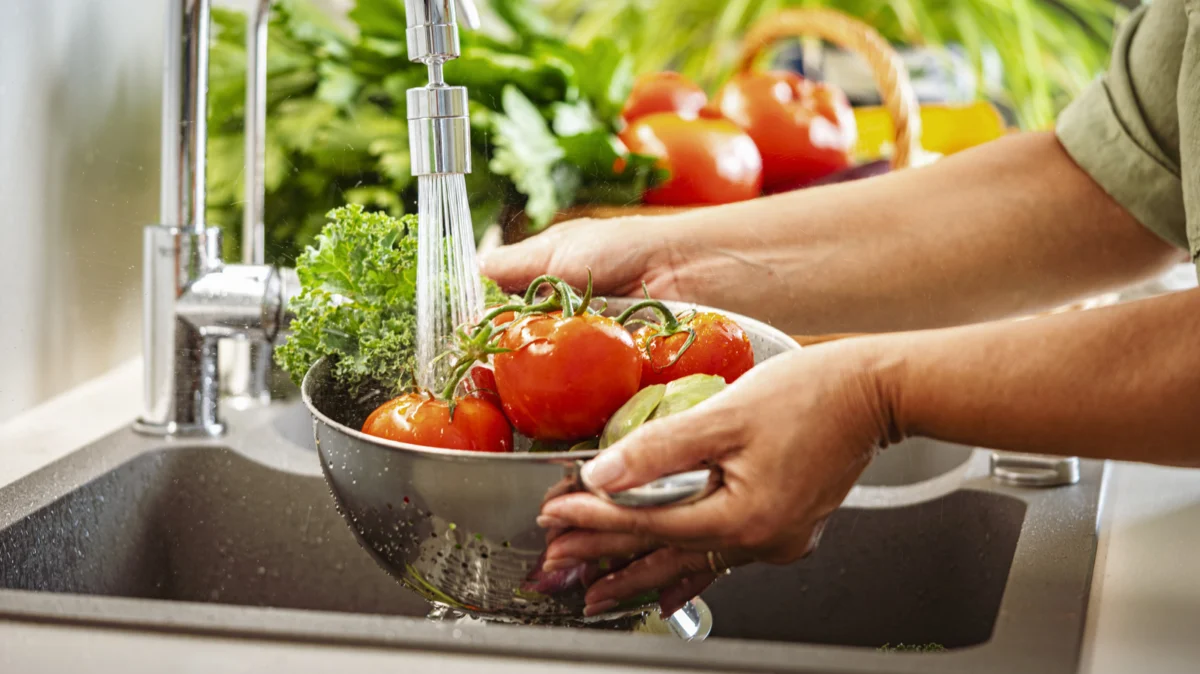
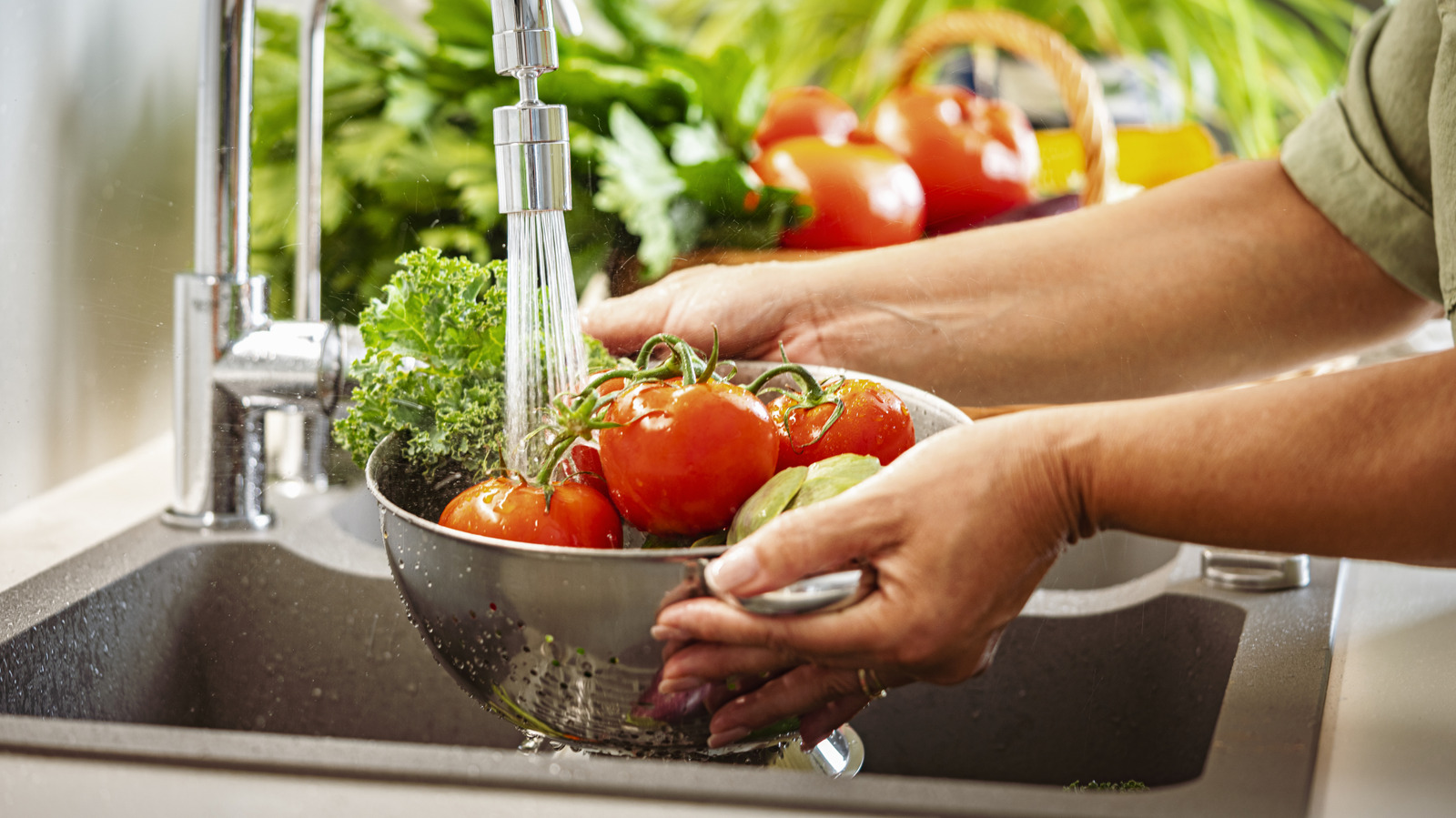
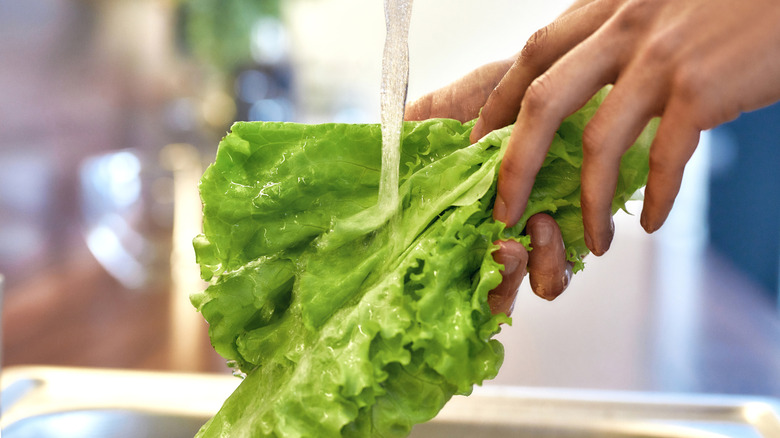
Simply running a head of lettuce under water is a common mistake. Dr. Shelke recommends a more meticulous approach. First, discard the outer two or three leaves, as these are the most exposed to environmental contaminants. Next, separate every leaf. Rinse each one individually under cold running water. This process is labor-intensive, but it is necessary to dislodge dirt and bacteria that hide in the folds of the leaves. Finally, spin or pat them dry.
2. The Bagged Salad Trap
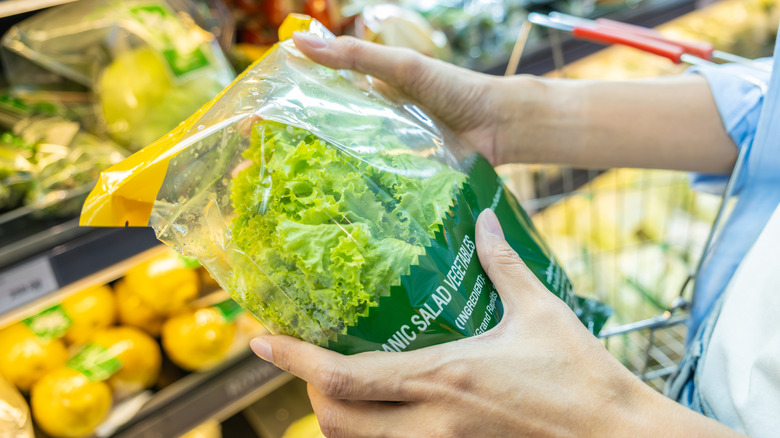
Many consumers believe that "pre-washed" on a label means the greens are ready to eat. Dr. Shelke offers a surprising piece of advice: do not re-wash pre-bagged greens at home. "Rewashing in a home sink is more likely to spread the contamination than remove it," she explains. The risk of cross-contamination from your sink or colander outweighs the potential benefits. If you want the safest possible greens, purchase whole heads and wash them yourself.
3. Produce with Rinds: The Hidden Risk
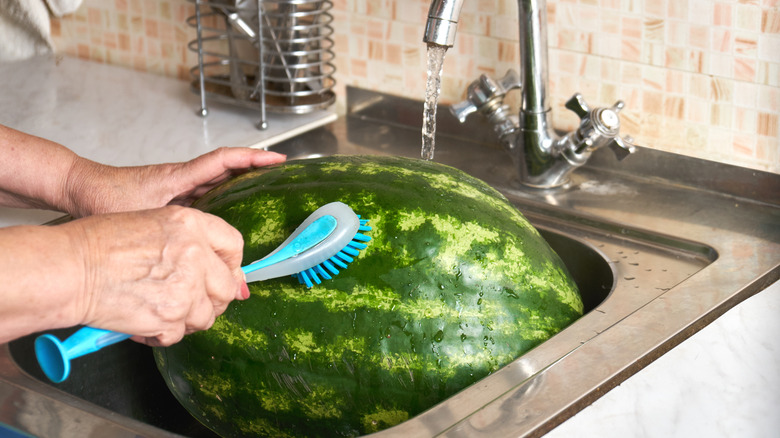
Melons, avocados, cucumbers, and pineapples seem safe because we don’t eat the exterior. However, the act of slicing through a rind can transfer bacteria from the surface directly into the flesh. Before you cut into a watermelon or cantaloupe, scrub the rind with a clean produce brush and pat it dry. Never skip this step, as it has been the source of numerous multi-state Salmonella outbreaks.
4. Berries: The Delicate Rinse
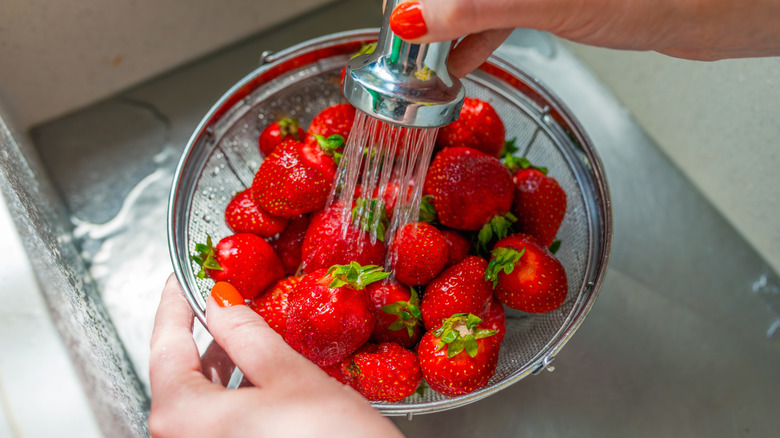
Berries require a gentle touch. Do not soak them, as this can encourage the rapid growth of mold and lead to cross-contamination; one spoiled berry can quickly compromise the entire container. Rinse them gently under cold water just before you plan to eat them, and ensure they are thoroughly dried before storing.
5. Fresh Herbs: A Double-Wash Approach
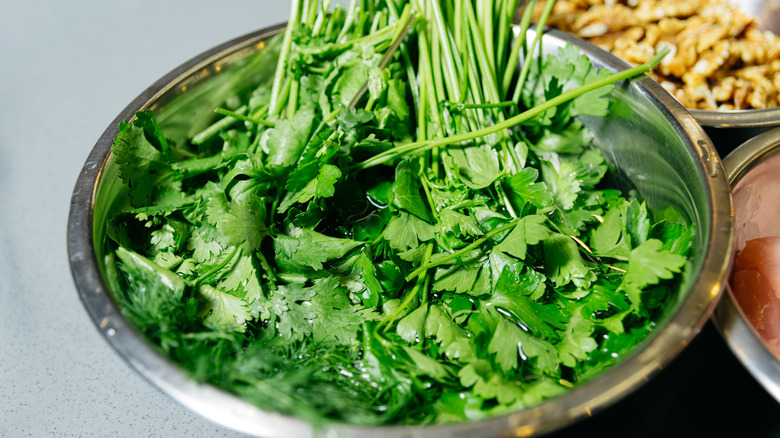
Herbs like cilantro, parsley, and basil are notorious for hiding soil in their stems. Dr. Shelke suggests a two-step process: swish the herbs in a bowl of clean water, lift them out, and discard the water. Repeat this process until no sediment remains, then give them a final rinse under running water.
6. Tubers and Root Vegetables
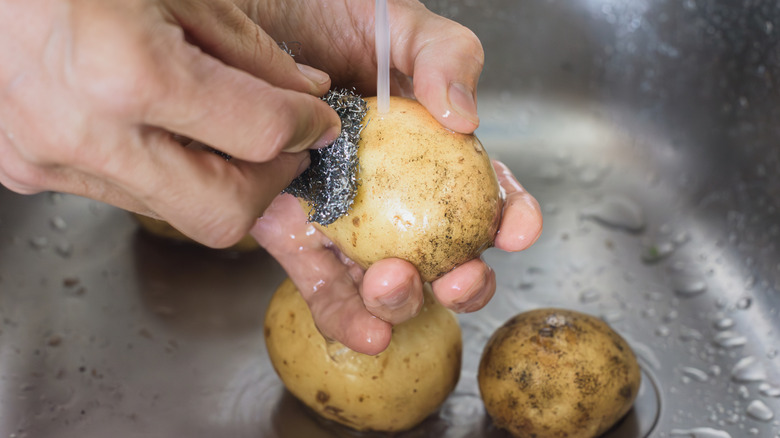
Potatoes, sweet potatoes, and other root vegetables should be scrubbed firmly under running water. Because they grow in the ground, they carry the highest volume of physical soil. Always wash them thoroughly before peeling; if you peel them first, the knife will drag dirt and pathogens into the edible portion.
7. Mushrooms: The Wipe-Down Rule
Mushrooms act like sponges. A long soak will leave them waterlogged and prone to rapid decay. Instead, use a brief rinse or, ideally, a wipe down with a damp cloth just before cooking. Like other produce, it is safer to buy whole mushrooms rather than pre-sliced ones.
8. Sprouts and Microgreens: The Exception
Raw sprouts are uniquely dangerous because the warm, humid conditions required for them to germinate are also perfect for pathogen growth. Washing does not effectively neutralize these risks. Dr. Shelke is firm on this: "Cook whenever possible. Higher-risk consumers should skip raw sprouts entirely."
Implications for Public Health
The recurring theme in food safety is the trade-off between convenience and risk. The modern demand for pre-cut, pre-washed, and "ready-to-eat" produce has introduced new vulnerabilities into the food system. When produce is processed at a facility, the surface area increases, and the potential for one contaminated item to affect a large batch grows exponentially.
Public health organizations, such as the CDC and FDA, consistently emphasize that while these industrial processes are highly regulated, they are not infallible. The implications for the home cook are clear:
- Prioritize Whole Produce: Buying whole fruits and vegetables minimizes the amount of "upstream" handling.
- Maintain Kitchen Hygiene: Cross-contamination often happens on cutting boards, knives, and countertops. Always sanitize your workspace after preparing raw produce.
- Temperature Control: Keep your refrigerator at or below 40 degrees Fahrenheit (4 degrees Celsius) to slow the growth of pathogens.
Conclusion: A Proactive Approach
Eating raw vegetables remains a pillar of a healthy diet, but it requires a level of vigilance that many modern consumers have forgotten. Dr. Shelke’s advice serves as a vital reminder that food safety is not a passive activity. By understanding the specific needs of different produce types—and acknowledging that some, like sprouts, are inherently higher risk—home cooks can significantly reduce their exposure to foodborne illness.
When in doubt, the most effective tool in your kitchen is your stove. If you are concerned about the safety of a particular ingredient, roasting, sautéing, or blanching it provides the thermal assurance that no amount of rinsing can offer. For those seeking safe and delicious ways to follow this advice, exploring roasted vegetable recipes is an excellent way to maintain a nutritious diet while prioritizing your health.