The Fontainebleau Forest, a sprawling verdant expanse located roughly 60 kilometers southeast of Paris, has long served as a sanctuary for those seeking refuge from the urban density of the French capital. Known globally for its unique geological formations and its status as a historical royal hunting ground, the forest suffered a catastrophic blow this July when wildfires, exacerbated by a summer of record-breaking heat and persistent drought, tore through its heart.
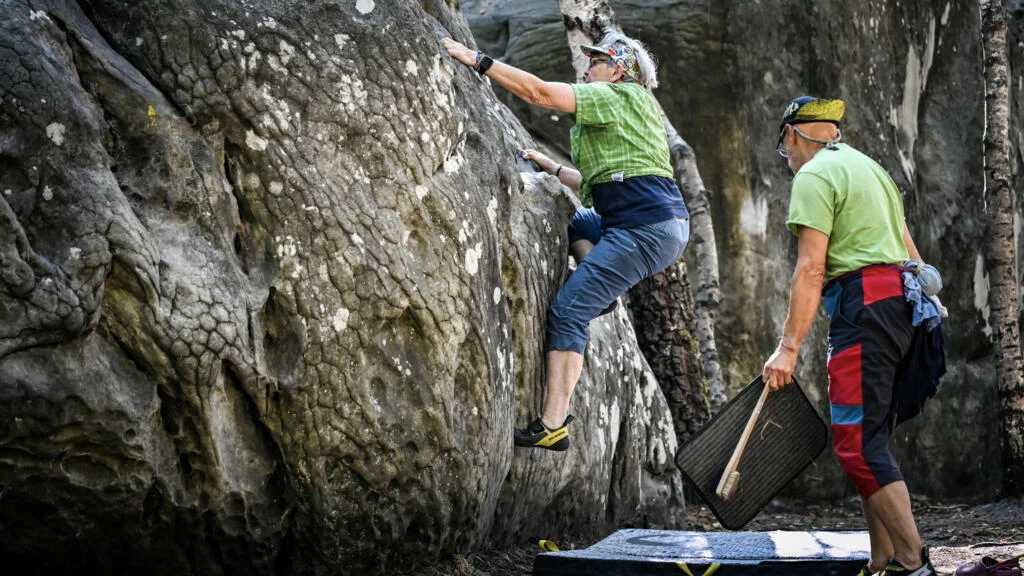
Following weeks of total exclusion, the forest authorities have finally reopened 80 percent of the site to the public. As the late summer sun bathed the sandstone boulders in gold this past Saturday, a diverse crowd of walkers, families, and international climbing enthusiasts returned to the woods. While the reopening marks a symbolic victory for the local community and nature lovers alike, it is tempered by the sobering reality that 20 percent of the forest remains a "no-go zone," serving as a stark reminder of the fragile balance between human leisure and environmental stability in an era of climate change.
The Chronology of a Crisis: From Lush Canopy to Scorched Earth
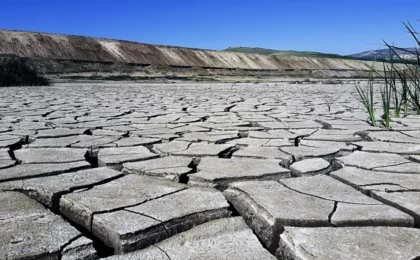
The events leading up to this weekend’s partial reopening were characterized by a rapid escalation of environmental stress. For months, France had been battling the consequences of a "historically hot" European summer. By mid-July, the cumulative effect of three successive heatwaves had turned the forest floor into a tinderbox.
- Early July: Persistent drought conditions led to high-alert warnings across the Seine-et-Marne department. Forest management officials noted that the soil moisture levels were at historic lows, making the vegetation exceptionally vulnerable.
- Mid-July: The blaze ignited, rapidly consuming approximately 2,000 hectares—roughly 10 percent of the total forest area. The fire, which drew international headlines, prompted President Emmanuel Macron to publicly commit to a long-term reforestation and recovery plan for the site.
- Late July to Mid-August: A total exclusion zone was established, encompassing 4,000 hectares. This zone included the 2,000 hectares directly scorched by flames and a 2,000-hectare buffer zone necessary to manage the risk of "smoldering" hotspots and falling, fire-weakened trees.
- Late August: Authorities determined that 80 percent of the forest was sufficiently stabilized to allow public access. However, strict restrictions remain in place for the remaining 20 percent, which remains marked by signage and physical barriers.
The Climber’s Mecca: A Community Reunited
Fontainebleau is not merely a forest; it is a world-renowned destination for bouldering. Climbers from across the globe descend upon the forest to tackle its famous, rounded sandstone boulders, which offer some of the most technical and rewarding climbing in Europe.
For many, the closure was a profound interruption of a long-held lifestyle. Gilles Moutounet, a 59-year-old retail executive, expressed a sentiment shared by many of the weekend’s visitors: "It’s a return to the good old habits." For Moutounet, the forest is not just a weekend hobby; it is a vital part of his psychological and physical well-being.
The international appeal of the site was on full display this weekend. Stefano Rosso, a 70-year-old retiree who traveled from Turin, Italy, with his wife, noted that he has been visiting these specific climbing sites for three decades. "We’re happy for ourselves, of course, but also for the community and local businesses," Rosso said. His presence underscores the economic importance of the forest, which serves as a major tourist engine for the surrounding towns and villages in the Seine-et-Marne region.
Official Responses and Security Protocols
The decision to reopen was not taken lightly, and it remains heavily contingent upon public compliance with safety regulations. Benoit Kaplan, a deputy prefect of the Seine-et-Marne department, has been at the forefront of the management strategy.
"Firefighters are out every day extinguishing hotspots," Kaplan stated, explaining that even in the reopened areas, the risk is not entirely mitigated. The 20 percent of the forest that remains off-limits is clearly demarcated with "Access Prohibited" signs. This is not merely a bureaucratic measure; it is a matter of public safety. Many trees, while standing, have had their root systems compromised or their bark charred to the point of structural failure, making them "widow-makers" that could collapse without warning.
The Human Element: Enforcement and Vigilance
Forest worker Julien Vabre, who has been managing the site’s recovery, expressed a palpable anxiety regarding the return of the public. "Unfortunately, we know that reopening means campfires," Vabre told AFP. "We know people will walk near the prohibited zone. The temptation to go in out of curiosity, or to take photos, will be strong."
To combat this, the prefecture has issued strict directives:
- Zero Tolerance for Fire: All campfires, barbecues, and open-flame cooking are strictly prohibited.
- Smoking Ban: Given the parched nature of the underbrush, smoking within the forest boundaries is illegal and heavily monitored.
- Stay on the Path: Visitors are explicitly instructed to remain on designated walking trails to prevent further soil erosion and to avoid accidental entry into the hazardous restricted zones.
Implications: The New Normal in a Warming Climate
The tragedy at Fontainebleau is a microcosm of a broader, systemic issue facing European landscapes. The summer of 2026 has been defined by a convergence of environmental crises: drought, heat, and fire.
The Climate Connection
Global warming is no longer a distant threat but a present-day architect of landscape transformation. The Fontainebleau forest, which has survived for centuries, is now facing a frequency of fire events that it is not naturally evolved to handle. The "successive heatwaves" mentioned by meteorological services have created a state of permanent "vegetation dehydration." When vegetation reaches this level of dryness, even a stray cigarette or an unattended spark from a passing train or a careless visitor can trigger a conflagration that takes years to recover from.
Economic and Ecological Consequences
The forest is not only a biodiversity hotspot—hosting rare species of insects, birds, and flora—but also a critical carbon sink for the Paris region. The loss of 2,000 hectares is a blow to local air quality and ecological resilience. Furthermore, the economic impact on the hospitality and tourism sectors of the Seine-et-Marne department has been severe. Businesses that rely on the influx of hikers and climbers reported significant drops in revenue during the closure period.
Looking Toward Recovery
President Macron’s pledge to replant the forest is a necessary step, but experts warn that reforestation is a delicate, multi-decade process. Simply planting new trees is insufficient; the new forest must be composed of species that are more resilient to the anticipated drier, hotter climate of the coming decades. This means moving away from traditional monoculture patterns and toward more diverse, drought-resistant ecosystems.
Conclusion: A Fragile Future
As the sun sets over the boulders of Fontainebleau, the return of the climbers and walkers is a sign of resilience. Yet, the warning signs—both the physical ones posted on trees and the metaphorical ones posed by the climate crisis—cannot be ignored. The reopening of the forest is an invitation to enjoy nature, but it is also an invitation to respect it with a new level of diligence.
The forest, in its partially scorched state, serves as a living laboratory for the effects of climate change. Whether the "good old habits" of the past can be maintained in the face of an increasingly volatile future depends entirely on the collective discipline of the public and the success of the state’s long-term reforestation efforts. For now, the forest breathes, but its survival remains a responsibility shared by every visitor who steps onto its trails.