To understand the heart of Denmark, one must look beyond the postcard-perfect canals of Copenhagen or the minimalist design ethos that permeates Scandinavian culture. Instead, one must look to the dinner table. Danish cuisine is a reflection of identity, place, and ecology—a narrative written in rye, cured fish, and the delicate balance of seasonal produce. From the Viking Age to modern-day gastronomy, these 15 traditional foods offer a sensorial tour of a nation shaped by its maritime history and enduring folklore.
The Foundations of Danish Gastronomy: Main Facts
Danish food culture is defined by its resilience. Because the northern climate demands ingredients that can withstand harsh winters and short growing seasons, the culinary traditions are built on preservation—curing, pickling, and fermentation—as well as the utilization of hearty grains like rye.
The backbone of this cuisine is Rugbrød (rye bread). Dense, nutty, and slightly sour, this sourdough-based staple has sustained Danes for thousands of years. Its importance cannot be overstated; it is the canvas for Smørrebrød, the legendary open-faced sandwich that transformed from a medieval "trencher" into a sophisticated art form. These sandwiches are not mere snacks; they are meticulously assembled arrangements of meats, seafood, and vegetables, bound together by a protective layer of butter to prevent the bread from softening.

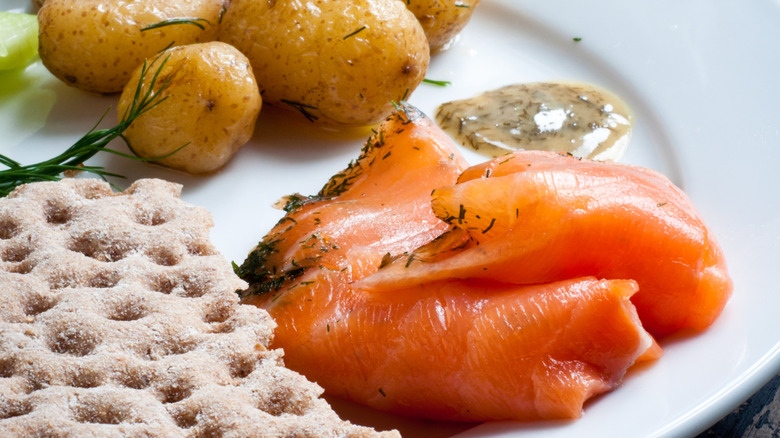
Beyond the bread, the Danish pantry is a testament to the country’s geography. With thousands of miles of coastline, seafood is paramount. Gravad Laks (cured salmon) remains a culinary pinnacle, relying on a curing process of salt, sugar, and aromatics—historically buried in the ground—to create a texture and depth of flavor that defines Nordic fine dining.
A Chronological Evolution of Taste
The trajectory of Danish cuisine is a blend of ancient necessity and modern refinement.
The Viking Era and Early Traditions
During the Viking Age, food was a matter of survival and logistics. Spices like cardamom and cinnamon, which now define many Danish pastries, were brought back via trade routes that extended far beyond the borders of modern Europe. This era also established the importance of preserved meats and dairy. Rygeost (smoked cheese), originating from the island of Fyn, is believed to have roots in this period. Its unique, delicate smokiness, achieved through the use of straw or nettles, remains a marker of Danish identity.
The 17th and 18th Centuries: The Rise of Domestic Staples
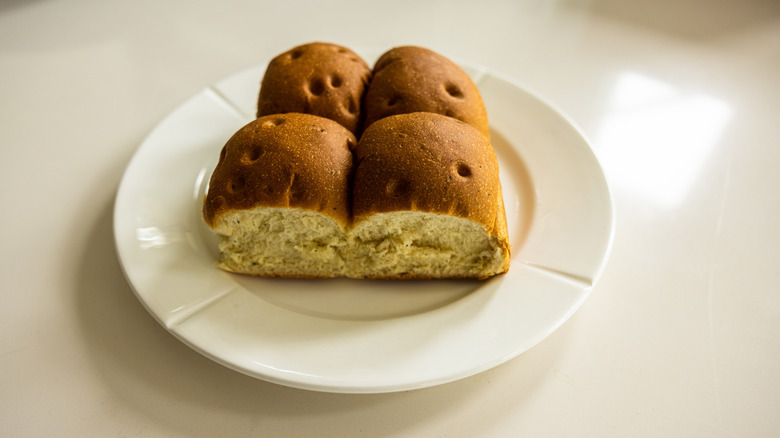
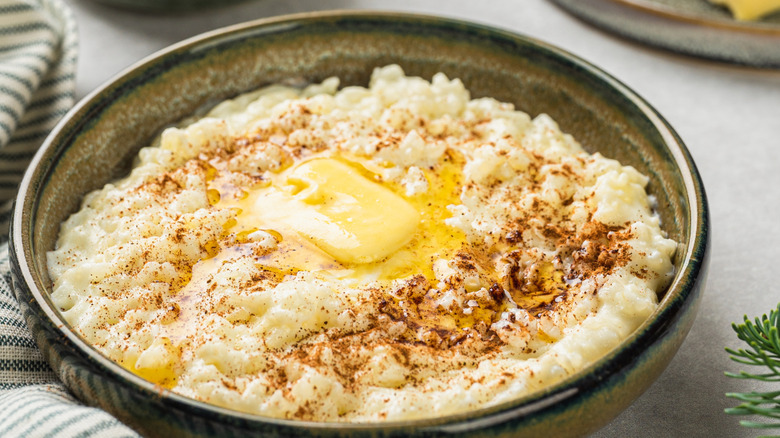
By the 1600s and 1700s, specific holiday traditions began to solidify. The Great Prayer Day tradition of 1686, which mandated the consumption of Hveder (buttery, cardamom-scented wheat buns) on the eve of the holiday, remains a living history. Similarly, the introduction of rice led to the development of Risengrød, a creamy rice porridge that became inextricably linked to Christmas and the appeasement of the Nisse—mythical household spirits who, according to folklore, demand a bowl of porridge to ensure the family’s prosperity.
The 19th Century to Modern Day
The 1800s saw the formalization of Smørrebrød as a lunch staple for industrial workers, later evolving into the gourmet lunch plates seen in restaurants today. Simultaneously, the hot dog—Rød Pølse—emerged in the 1920s. Its iconic red hue, initially a method to identify older stock or mask imperfections, transformed into a beloved national symbol, cementing the role of the Pølsevogn (sausage wagon) in the Danish urban landscape.

Supporting Data: The Ingredients of Balance
Danish cuisine thrives on the principle of "balance"—the juxtaposition of acidity and richness. This is most evident in the side dishes that accompany heavier, traditional meals.
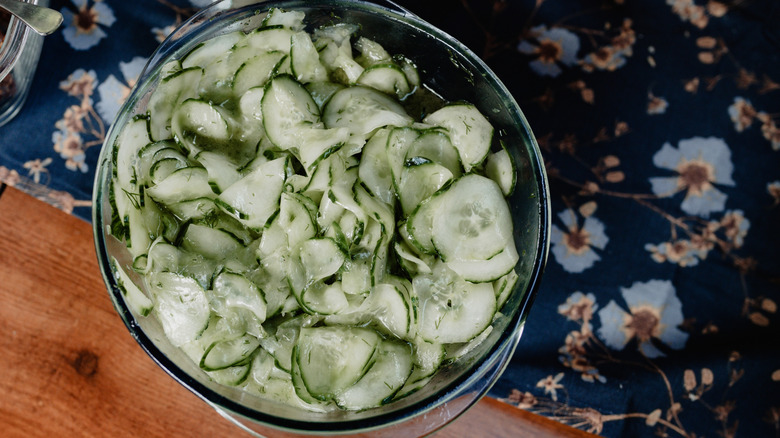
- Agurksalat: This thin-sliced, vinegar-forward cucumber salad, heavily seasoned with dill, provides the necessary "levity" to counteract the saltiness of cured meats or the heaviness of fried entrees.
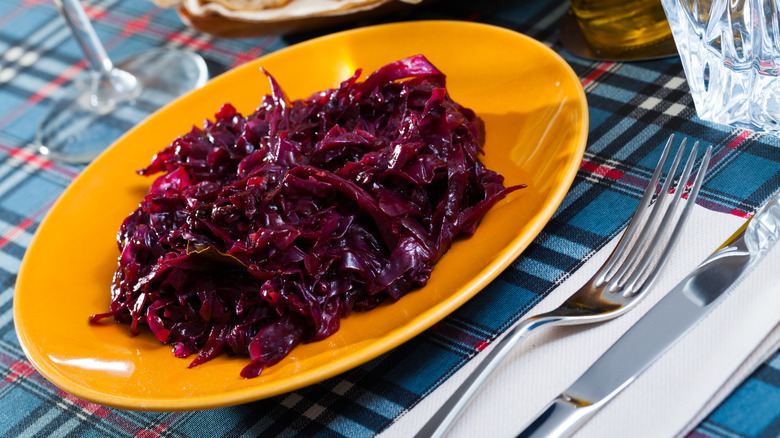
- Rødkål: A braised red cabbage dish, usually flavored with apple cider vinegar, star anise, and winter spices. While traditionally served on Christmas Eve, it is now recognized as a versatile year-round accompaniment that brings brightness to both red meat and delicate white fish.
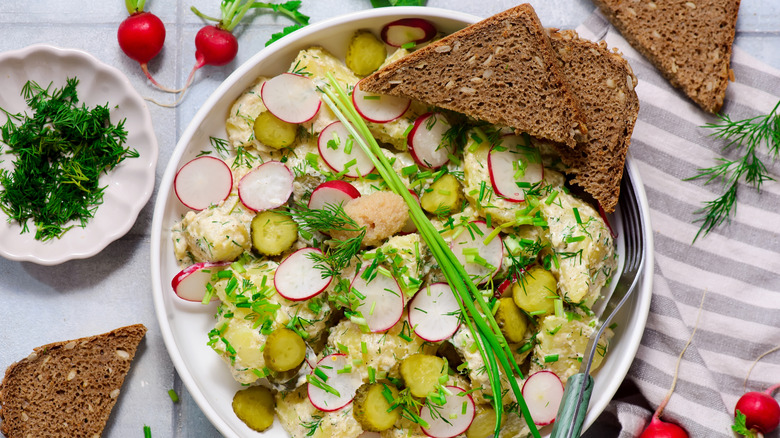
- Kold Kartoffelsalat: Unlike the mayonnaise-heavy potato salads of North America, the Danish version utilizes a base of sour cream, yogurt, or cream with vinegar. This imparts a piquant tang that elevates the dish, making it a staple of summer picnics and social gatherings.
Culinary Identity: Official Perspectives and Cultural Nuance
Food in Denmark is more than fuel; it is a linguistic and social touchstone. Perhaps the most famous example is Rødgrød Med Fløde. This red berry and fruit pudding, served with fresh vanilla cream, is a source of national pride—not just for its taste, but for its pronunciation. Since the early 1900s, the phrase has been used as a "shibboleth" to identify native speakers from foreigners, as the unique Danish vowel sounds are notoriously difficult to master.
This emphasis on culture is also present in the art of Æbleskiver. These spherical pancake balls, traditionally made in specialized pans with divots, are a rite of passage. Mastering the flip—using a skewer or knitting needle to rotate the batter as it sets—is considered a fundamental skill in many Danish households. The customization of these treats, whether filled with fruit or left plain, reflects the Danish penchant for "hygge"—a state of comfort and cozy conviviality.
Implications for the Modern Traveler
For those visiting Denmark, these foods represent more than just menu items; they are an entry point into the country’s history and values.
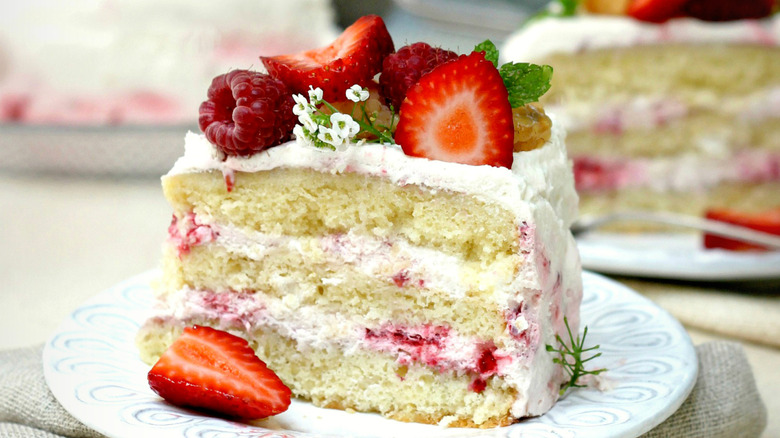
- Sustainability and Seasonality: The intense appreciation for ingredients like fresh strawberries (featured in Jorbærtærte and Lagkage) speaks to the Danish respect for the environment. Because the northern growing season is so short, fruits are treated with a reverence that borders on ritual.
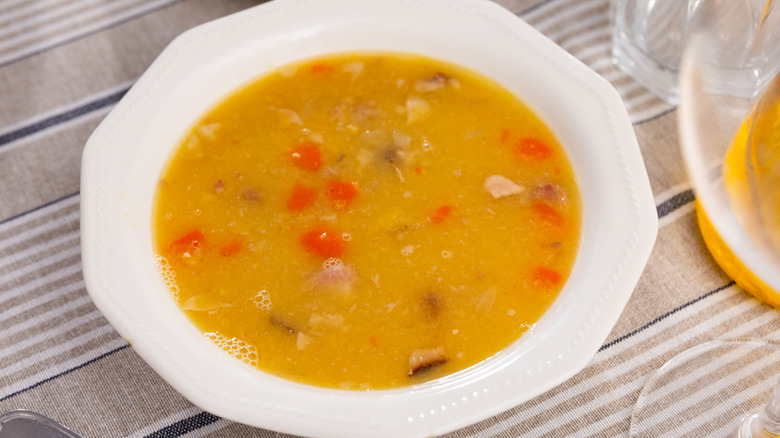
- The Importance of Communal Eating: Whether it is the shared act of assembling Smørrebrød or the communal nature of a pot of Gule ærter (yellow pea soup), Danish dining is built to foster social connection. The soup, in particular, with its deep roots in peasant food, is a testament to the value placed on "stick-to-your-ribs" sustenance that brings families together during the dark winter months.
- Preservation of Craft: The continued reliance on traditional equipment—the Æbleskiver pan, the specific smokers for Rygeost, and the artisanal approach to sourdough Rugbrød—shows that Denmark is a nation that refuses to sacrifice quality for the sake of mass production.
Summary Table: A Quick Reference for the Curious
| Dish | Category | Key Characteristics |
|---|---|---|
| Rugbrød | Bread | Dense, sourdough-based, rye flour. |
| Smørrebrød | Lunch | Open-faced, butter-based, creative toppings. |
| Gravad Laks | Seafood | Cured with dill, salt, and sugar. |
| Rød Pølse | Street Food | Distinctive red hue, served with remoulade. |
| Æbleskiver | Dessert | Spherical pancakes, often fruit-filled. |
| Lagkage | Dessert | Multi-layered sponge cake with cream/fruit. |
| Risengrød | Comfort | Creamy rice pudding with cinnamon/butter. |
By engaging with these 15 foods, one gains a clearer picture of Denmark. It is a nation that manages to be both deeply rooted in ancient folklore and brilliantly innovative in its culinary execution. Whether you are enjoying a casual hot dog by a canal or a multi-layered cake at a birthday celebration, you are participating in a tradition that is, at its core, as warm and welcoming as the people who crafted it.