By Editorial Staff
The treacherous waters of the Atlantic Ocean have once again become the stage for a humanitarian catastrophe. In a sobering update released this Tuesday, the United Nations High Commissioner for Refugees (UNHCR) confirmed that at least 144 refugees and migrants are feared dead or missing following a series of harrowing maritime incidents off the coast of Mauritania. These events, which unfolded between July 14 and July 18, underscore the brutal reality of the Atlantic route—a path increasingly favored by those fleeing conflict, poverty, and climate instability in West Africa, yet characterized by immense danger and a frequent lack of rescue infrastructure.
The Human Cost: A Descent into Despair
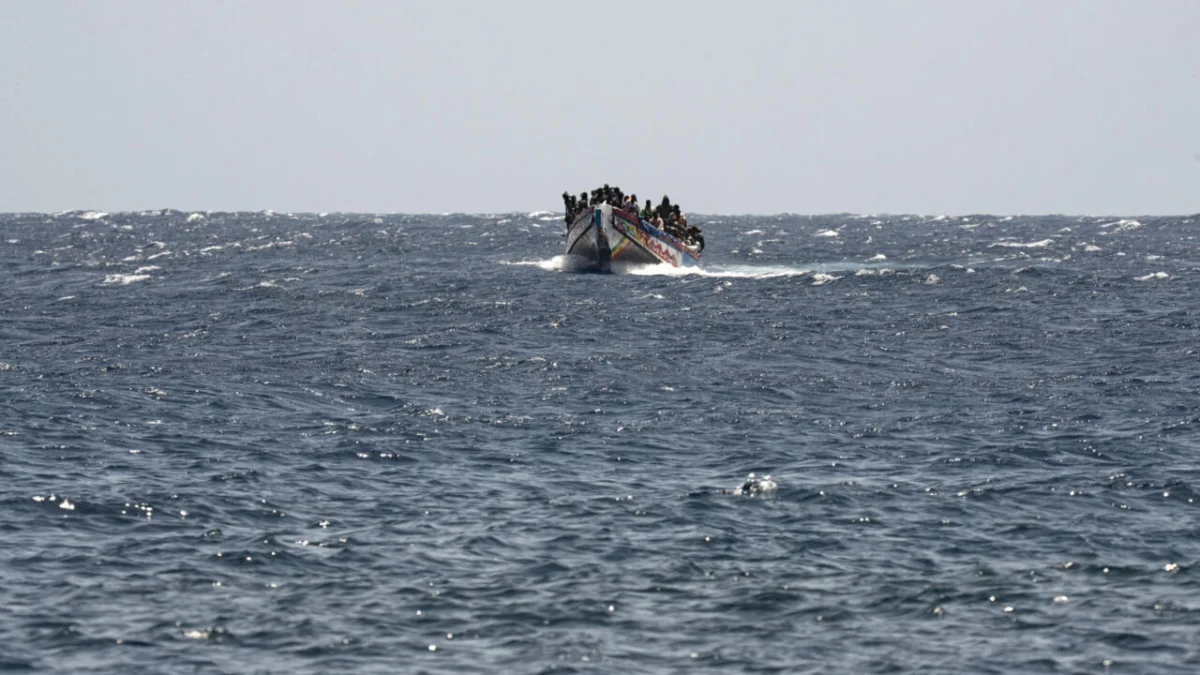
The most harrowing account involves a vessel that departed from Bufalo, Gambia, with the ambitious and desperate goal of reaching the Spanish Canary Islands. According to the UNHCR, the boat spent nearly 25 days adrift at sea, enduring starvation, dehydration, and the unpredictable, violent swells of the Atlantic.
By the time the vessel was finally intercepted and brought to safety in Nouadhibou, Mauritania, on Saturday, the toll was catastrophic. Out of the original passengers, only 38 individuals were recovered alive. The loss of life on this single boat accounts for the vast majority of the 144 missing or dead reported by the UN. Among the survivors are two children who reached the shore having lost every member of their immediate families during the ordeal. These orphans, now in the care of local authorities and international aid agencies, represent the profound psychological and social scars left by these failed crossings.
Chronology of the Crisis: A Week of Rescue and Mourning
The humanitarian response in Mauritania was frantic and sustained throughout the middle of July. The UNHCR reported that three distinct rescue and disembarkation operations took place in the port city of Nouadhibou between July 14 and July 18.
- July 14: The first major disembarkation occurred. While authorities managed to bring a significant group to safety, the operation was marred by the report of at least one death on board, serving as a grim precursor to the tragedies that would follow later in the week.
- July 15–17: Rescue vessels and local maritime authorities continued to sweep the coastal waters as distress signals were received from various points in the Atlantic.
- July 18: The final major disembarkation of the week concluded, bringing the total number of individuals rescued across all three operations to 387. It was during these final debriefings that the full scale of the tragedy on the Gambian vessel became clear, as survivors recounted the days spent drifting, the exhaustion of resources, and the bodies lost to the sea.
Supporting Data: The Atlantic Route in Context
The UN’s data paints a complex picture of migration patterns in 2026. While the total volume of arrivals to the Spanish Canary Islands has seen a significant decrease—dropping by 61 percent compared to the same period in 2025, with 4,400 recorded arrivals as of July 15—the lethality of the route remains unabated.
The UNHCR has documented 17 separate disembarkation operations in the Mauritanian cities of Nouadhibou and Nouakchott so far in 2026, totaling 2,147 individuals rescued. This data suggests that while fewer people may be attempting the journey, the inherent risks—long distances, unseaworthy vessels, and the lack of timely rescue—are pushing the fatality rate to alarming levels.
The Atlantic route is widely considered one of the most perilous "mixed movement corridors" in the world. Unlike the Mediterranean, where rescue assets are more concentrated, the vast expanse of the Atlantic provides little cover for small, overcrowded wooden boats (pirogues) that are often poorly equipped for navigation in open, deep-sea waters.
Official Responses: The Call for Urgent Action
The international community has reacted to the news with a mixture of grief and renewed demands for policy reform. UNHCR spokesman Matthew Saltmarsh, speaking to reporters in Geneva, was blunt in his assessment: "The refugees and migrants were reported dead or missing after attempting the perilous sea journey from West Africa towards Europe, highlighting the continued human cost of these dangerous routes."
Saltmarsh reiterated that the UNHCR is calling for increased cooperation between West African nations and European border authorities to provide better search-and-rescue capabilities. However, the political climate remains fraught. With the European Parliament recently clearing the way for "return hubs" and offshore migrant detention centers, the focus of European migration policy has shifted toward deterrence and containment. Critics argue that these policies, while intended to discourage irregular migration, often force migrants onto even more dangerous, clandestine routes, effectively shifting the burden of mortality onto the high seas.
Implications: The Geopolitics of Migration
The tragedy in Mauritania raises critical questions about the future of migration management in Africa and Europe.
The Failure of Deterrence
The fact that thousands continue to risk their lives despite the implementation of restrictive policies and the well-publicized dangers of the Atlantic route suggests that the "pull factors" of European economic opportunity and the "push factors" of conflict and climate change far outweigh the perceived risks of the journey. For many in West Africa, the risk of death at sea is seen as a viable alternative to the certainty of poverty or violence at home.
The Burden on Transit Nations
Mauritania, a country currently serving as a primary transit and disembarkation hub, finds itself at the center of this crisis. The strain on local resources, medical facilities, and administrative systems to process hundreds of survivors is immense. There is a growing call for international financial and logistical support to help transit nations manage these humanitarian inflows humanely.
The Ethics of "Return Hubs"
As the European Union moves toward the establishment of offshore detention centers, the UNHCR and various human rights organizations have expressed concern. The fear is that these centers will strip refugees of their right to seek asylum in safe territories and will exacerbate the vulnerability of those fleeing persecution. The deaths reported this week are being cited by human rights advocates as a clear indicator that the current "securitization" approach to migration is failing the most vulnerable.
Conclusion: A Call for Safe Pathways
The 144 lives lost or missing in the Atlantic are not merely statistics; they represent families torn apart, children left orphaned, and the profound desperation that drives human mobility. As the world watches these tragic maritime incidents, the consensus among humanitarian experts is clear: the only way to prevent further loss of life is to address the root causes of migration while simultaneously opening safe, legal, and orderly pathways for those seeking protection or opportunity.
Without a fundamental shift in how the international community approaches the protection of refugees and the management of migration, the Atlantic will continue to be a graveyard for the world’s most vulnerable. For now, the survivors in Nouadhibou remain in a state of limbo, their future uncertain, as the world reflects on another week of profound sorrow in the middle of the ocean.
The UN continues to work with Mauritanian authorities to provide medical care, psychological support, and identification services for the survivors. However, as the 2026 migration season progresses, the need for a comprehensive and compassionate international strategy has never been more urgent.