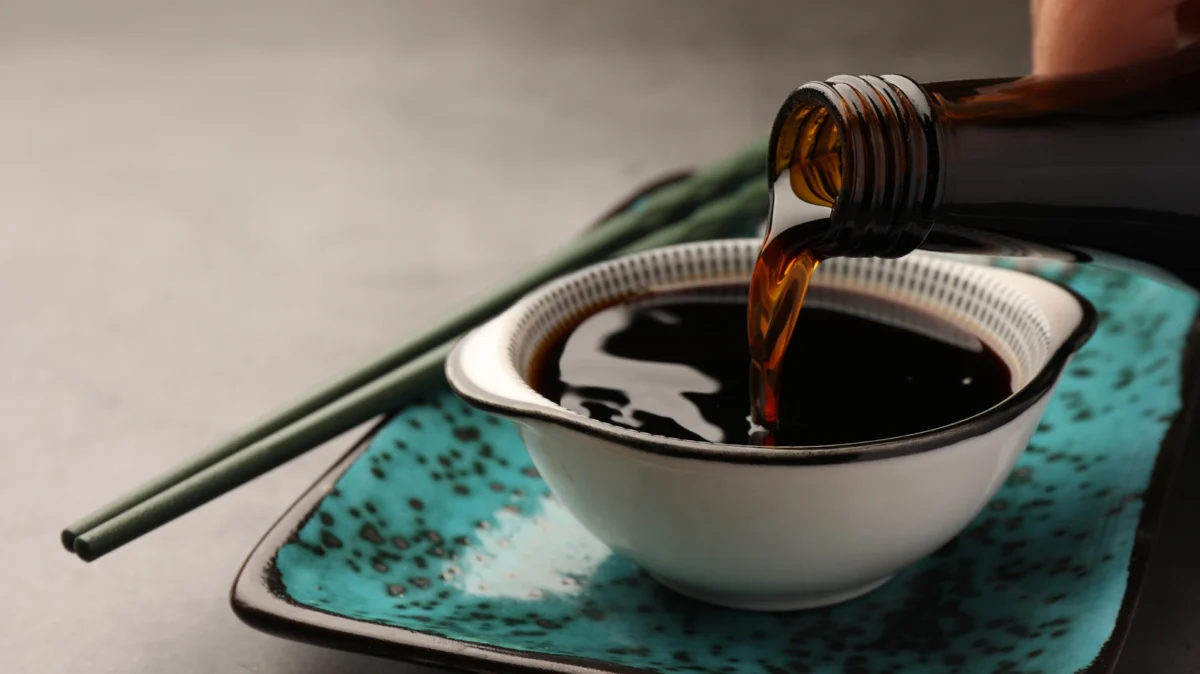
For home cooks and professional chefs alike, soy sauce is the ultimate culinary chameleon. It is the secret weapon that bridges the gap between bland and bold, providing that elusive, savory "umami" depth that defines so much of global cuisine. Whether you are splashing it into a stir-fry, using it as a base for a complex marinade, or simply dipping a piece of nigiri into it, soy sauce is an indispensable pantry anchor.
Yet, because it is so resilient and shelf-stable, it often becomes a "forgotten" resident of our kitchen cabinets. We’ve all seen it: a half-empty bottle pushed to the back of the pantry, gathering dust for months—or even years. This leads to the inevitable question: Does this fermented powerhouse ever actually expire, or is it truly immortal?
Main Facts: The Nature of Fermentation and Preservation
To understand the longevity of soy sauce, one must first understand its DNA. At its core, traditional soy sauce is a marvel of ancient chemistry. It is crafted through a precise fermentation process using four humble ingredients: soybeans, wheat, water, and salt. These components are combined with a specialized mold culture (often Aspergillus oryzae), which breaks down the proteins and starches over several months.
The primary reason soy sauce survives for so long is its environment. The fermentation process creates a high-salt content that serves as a potent natural preservative. Salt works by drawing water out of microorganisms through osmosis, effectively killing bacteria or preventing them from reproducing. When combined with the low pH levels achieved during fermentation, the bottle becomes an inhospitable environment for pathogens, making it one of the safest condiments in your kitchen.
However, "safe" does not mean "unchanging." While the high salt content keeps the sauce from becoming dangerous, it does not stop the slow, inevitable process of oxidation. Oxidation is the primary culprit behind the degradation of quality, resulting in the loss of volatile aromatic compounds and the dulling of that sharp, complex flavor profile that characterizes premium soy sauce.
Chronology of Quality: From Seal to Expiration
The lifespan of a bottle of soy sauce is divided into two distinct phases: the sealed state and the opened state. Understanding this timeline is essential for anyone who values the integrity of their cooking.
The Sealed Phase (Up to 3 Years)
An unopened bottle of commercially produced soy sauce is remarkably durable. When kept in a cool, dark environment—away from the fluctuating temperatures of the stove or the harsh rays of direct sunlight—a sealed bottle can maintain its peak quality for up to three years. In this state, the lack of oxygen exposure keeps the chemical profile stable. Even after the "best by" date has passed, many manufacturers note that the product remains safe to consume, provided the seal is intact and the bottle shows no signs of physical compromise.
The Opened Phase (6 to 12 Months)
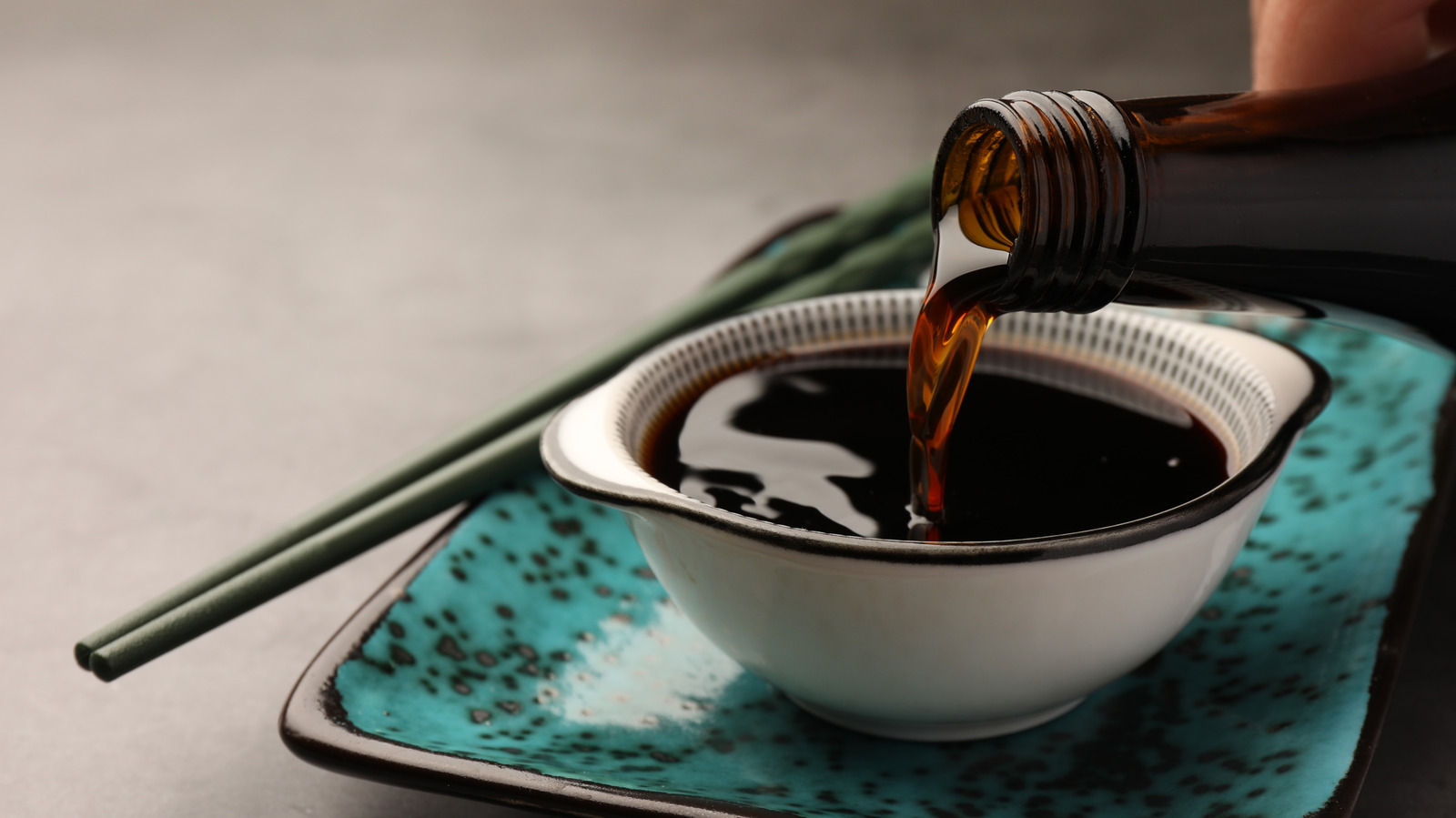
The moment the cap is unscrewed, the clock begins to tick. Exposure to oxygen initiates oxidation, which slowly alters the flavor profile.
- Months 1–6: This is the "Goldilocks" period. The flavor is at its peak, with the complex balance of salinity and fermentation notes perfectly intact.
- Months 6–12: Quality begins a subtle decline. You may notice the sauce becoming slightly darker in color or losing some of its nuanced floral or earthy aromas.
- Beyond 12 Months: If stored in the pantry, the sauce will likely remain safe to eat but will have lost the complexity that makes it a culinary asset. At this stage, it becomes a simple "salty" additive rather than a nuanced seasoning.
Supporting Data: The Impact of Storage Conditions
While the chemistry of soy sauce provides a solid baseline for shelf life, the environment in which you store the bottle can extend or truncate its functional life by significant margins.
The Case for Refrigeration
Many consumers are surprised to learn that their soy sauce should ideally migrate to the refrigerator once opened. Cold temperatures significantly slow down the rate of chemical reactions, including oxidation. By keeping an opened bottle in the fridge, you effectively hit the "pause" button on flavor degradation, extending the shelf life of the condiment to a year or more without sacrificing quality.
This is particularly critical for artisanal, premium, or low-sodium varieties. Artisanal soy sauces often undergo a more natural, slower fermentation and lack the heavy preservatives or stabilizers found in mass-produced versions. Because they are more "alive" and delicate, they are significantly more susceptible to environmental changes and should be refrigerated immediately after opening to preserve their nuanced flavor profiles.
The Pantry Trap
If you are a frequent user of soy sauce, leaving it in the pantry is acceptable, provided your kitchen remains temperate. However, heat is the enemy. Storing a bottle next to a stovetop, a dishwasher, or a window can accelerate the degradation process exponentially. Heat causes the liquid to expand and contract, potentially drawing in more air every time the bottle is handled, which accelerates oxidation and flavor loss.
Official Perspectives and Culinary Best Practices
Culinary experts and food safety agencies generally agree that soy sauce is a low-risk food item, but they emphasize the importance of "sensory evaluation."
According to major manufacturers, the "best by" date is a suggestion of quality, not a hard deadline for safety. However, this advice comes with a caveat: the product must be handled with care. The most common cause of premature spoilage is cross-contamination.
The Danger of Cross-Contamination
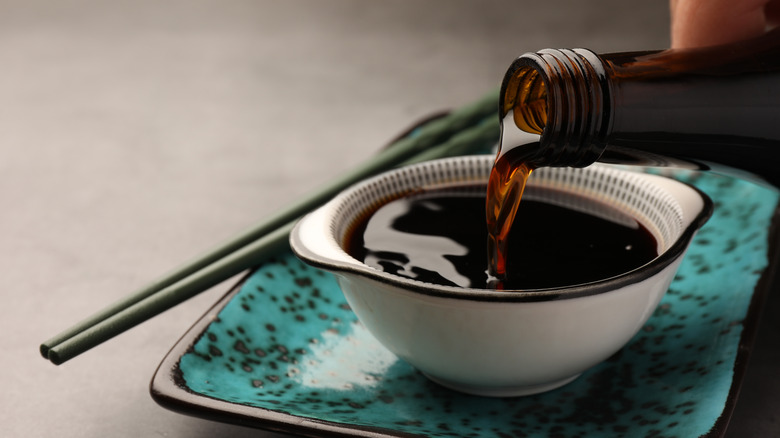
A common mistake in the kitchen is pouring soy sauce into a communal dipping bowl and then using the same chopsticks or vegetables to dip repeatedly. If food particles, water, or other ingredients (like oils or sauces) are introduced into the soy sauce bottle, you have essentially created a petri dish. Once foreign organic matter enters the bottle, the natural preservatives can no longer guarantee the safety of the contents.
Official guidelines for disposal:
- Off-putting odor: If the sauce loses its characteristic savory, fermented smell and develops a "funky," metallic, or overly sharp scent, it should be discarded.
- Visible changes: Any sign of mold—typically white or fuzzy patches near the rim or floating particles—is an immediate sign that the bottle is compromised.
- Taste alteration: If the sauce tastes unpleasantly sour or metallic, it has likely undergone chemical changes beyond simple oxidation and is no longer fit for consumption.
Implications for the Modern Home Cook
What does this mean for your kitchen management? First, it suggests a shift in how we buy soy sauce. If you do not use it daily, opt for smaller bottles. The "cost-per-ounce" savings of buying a gallon-sized jug are quickly negated if half of it loses its flavor profile before you can finish it.
Second, consider the "Pour and Store" method. If you are serving soy sauce as a dipping condiment, pour only what you need into a small ramekin. Never dip directly from the main bottle. This simple habit keeps your supply pristine and prevents the introduction of bacteria.
Finally, treat your soy sauce with the same respect you would a high-quality olive oil or a fine balsamic vinegar. By understanding that it is a living, fermented product that evolves over time, you can better appreciate the role it plays in your cooking. While it may not "expire" in the traditional sense of becoming dangerous overnight, it does age—and like many fine things, its quality is dependent on the care you provide.
In conclusion, while soy sauce is undeniably one of the longest-lasting items in your pantry, it is not immune to the laws of chemistry. By keeping your bottles tightly sealed, storing them in cool, dark places (or the refrigerator), and avoiding cross-contamination, you can ensure that every drop provides the depth, salt, and soul that your dishes deserve. The next time you reach for that bottle in the back of the pantry, give it a sniff and a quick inspection—if it passes the test, your next meal is already one step closer to perfection.