As the summer sun reaches its zenith and temperatures climb into the triple digits, the quest for the perfect cooling treat becomes a priority for many. While ice cream remains a staple, its dense dairy content can often feel overwhelming in extreme humidity. Conversely, standard convenience-store snow cones—often saturated with neon-colored, synthetic corn syrups—frequently lack the depth of flavor required to satisfy a discerning palate.
Enter the raspado, a traditional Mexican frozen delight that bridges the gap between a refreshing fruit sorbet and a decadent, creamy dessert. Far from the simplistic shaved ice of childhood, the raspado represents a sophisticated, textural experience that offers a masterclass in balancing sweetness, acidity, and, occasionally, heat.
Main Facts: What Defines a True Raspado?
At its most fundamental level, a raspado—derived from the Spanish verb raspar, meaning "to scrape"—is a vessel of finely shaved ice infused with syrups, fresh fruit, and a variety of textures. However, to categorize it merely as "shaved ice" is to ignore its cultural and culinary complexity.
The Anatomy of the Treat
A high-quality raspado is built upon a foundation of ice shaved to a delicate, snow-like consistency. Unlike the coarse, crunchy shards found in many commercial snow cones, a proper raspado ice is light and airy, designed to absorb the liquid components rather than simply acting as a carrier for them.
The flavor profiles of a raspado are vast. Common foundations include:
- Fruit Syrups: Made from macerated fresh fruit such as strawberry, pineapple, tamarind, or mango.
- Creamy Additions: The hallmark of a decadent raspado is the generous drizzle of sweetened condensed milk or evaporated milk, which creates a rich, velvety mouthfeel.
- The Savory Twist: Perhaps the most distinctive aspect of Mexican street food culture is the integration of heat and spice. Ingredients like chamoy (a savory sauce made from pickled fruits, citrus, and chiles), lime juice, and Tajín (chile-lime salt) elevate the experience, turning a simple dessert into a complex culinary journey.
Chronology: The Evolution of a Cultural Icon
The history of the raspado is deeply intertwined with the development of refrigeration and trade in Latin America. While the concept of flavored ice has existed for centuries—dating back to the Roman practice of collecting snow from mountains to mix with honey and fruit—the modern raspado as we know it emerged in Mexico as a marriage of indigenous fruit traditions and Spanish-influenced dairy techniques.
The Early Days
In the pre-industrial era, ice was a luxury. In Mexico, the availability of ice was limited to high-altitude regions or those with access to trade routes. The "raspadero"—the traditional street vendor—became a symbol of the neighborhood, often pushing a wooden cart equipped with a manual block-ice shaver.
20th Century Expansion
As mechanical refrigeration became more accessible in the mid-20th century, the raspado transitioned from a rare, seasonal indulgence to a ubiquitous street food. It spread across Latin American borders, taking on various regional identities:
- Yukis: Common in northern Mexico and parts of the southern United States.
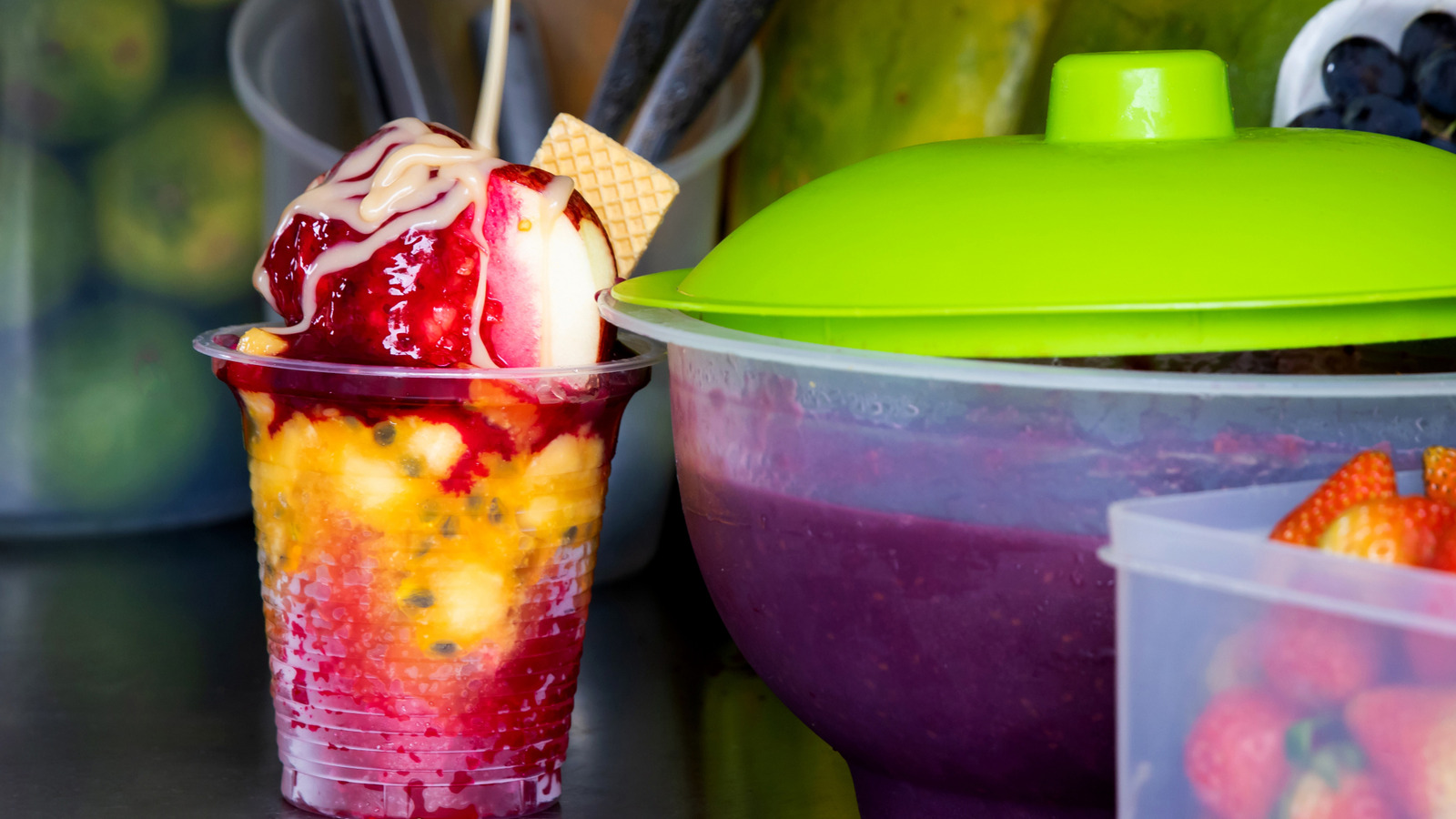
- Cholados: The Colombian variant, often characterized by the inclusion of fresh fruit chunks, condensed milk, and occasionally whipped cream.
- Copos: Popular in other parts of South America, often featuring colorful, fruit-forward syrups.
Today, the popularity of the raspado has transcended its regional origins, finding a home in metropolitan food scenes across the globe, from the food trucks of Los Angeles to the artisanal kiosks of London and Tokyo.
Supporting Data: Why Texture and Ingredients Matter
The success of the raspado lies in its physical properties. Food science dictates that the perception of "refreshment" is tied to both temperature and the release of flavor.
The Physics of Shaving
The size of the ice crystal is paramount. Using a manual hand-cranked ice shaver produces a "snow" that has a higher surface area than crushed ice. This increased surface area allows the syrups—which are often viscous due to the addition of condensed milk—to coat each crystal evenly. This prevents the "dilution effect" where the bottom of the cup becomes a watery, flavorless puddle, while the top remains overly sugary.
Nutritional and Sensory Profile
Unlike heavy desserts that rely on high-fat buttercreams, the base of a fruit-forward raspado is inherently lighter.
- Fruit Content: Fresh fruit provides essential sugars and acids, which trigger a cooling sensation on the palate.
- The Condensed Milk Factor: Sweetened condensed milk acts as an emulsifier, binding the ice and the fruit flavors together. For those seeking a healthier alternative, many modern vendors are moving toward using coconut-based condensed milk or natural agave-based syrups to cater to dietary restrictions without sacrificing the signature creaminess.
Official Perspectives: The Chef’s Approach to Crafting the Perfect Cup
Culinary experts often emphasize that the "secret" to a great raspado is in the preparation of the syrups.
"When you use fresh fruit, the acidity provides a brightness that cuts through the sugar," notes culinary historian and food critic Elena Rodriguez. "The addition of chamoy and chile is not just a trend; it is a structural necessity. The capsaicin in the chile actually signals the brain to increase circulation, which, counter-intuitively, helps the body regulate temperature more effectively in the heat."
Furthermore, the "micro-planing" technique—where fruit is frozen solid and then grated into the ice—has gained popularity among high-end chefs. This method integrates the fruit directly into the ice structure, ensuring that every spoonful has a consistent intensity of flavor.
Implications: The Future of Frozen Snacking
The rise of the raspado indicates a broader shift in consumer preferences. As modern eaters move away from ultra-processed, high-fructose corn syrup-laden snacks, there is a renewed interest in "whole-food" desserts.
Accessibility and the DIY Movement
While finding a local raspadería can be a challenge in regions without a significant Latin American presence, the barrier to entry for home production has never been lower.
- The Equipment: A high-quality hand-cranked shaver is available for roughly $20–$30. These devices are compact, durable, and require no electricity, making them ideal for summer patio use.
- The Supply Chain: Because the ingredients—fresh fruit, canned condensed milk, and pantry-stable spices like Tajín—are available in almost any standard grocery store, the scalability of this treat is immense.
The Cultural Exchange
The popularity of the raspado serves as a bridge for cultural exchange. As people experiment with these flavors at home, they become more curious about the traditions behind them. The adoption of ingredients like chamoy by mainstream snack companies is a testament to the influence of Mexican cuisine on the global palate.
Environmental Considerations
The DIY aspect of the raspado also aligns with sustainability goals. By purchasing fresh fruit in season from local farmers’ markets and avoiding the single-use plastic packaging associated with mass-produced ice cream novelties, consumers can enjoy a cooling treat that is as gentle on the environment as it is on the palate.
Conclusion: The Definitive Summer Choice
Whether you are looking for a simple, fruit-forward refresher or a decadent, creamy indulgence, the raspado stands as the ultimate summer snack. It demands no compromise, offering the perfect intersection of tradition, science, and flavor.
As we continue to navigate longer and hotter summers, the shift toward such cooling, customizable, and artisanal treats is inevitable. By embracing the art of the raspado—learning to shave the ice, balance the acids, and dare to add a hint of spice—you aren’t just eating a snack; you are engaging in a time-honored ritual that turns the intensity of the sun into an opportunity for culinary celebration. Ditch the store-bought popsicles and the heavy, processed creams; the future of your summer satisfaction lies in a cup of scraped ice, a drizzle of milk, and the boundless creativity of your own kitchen.