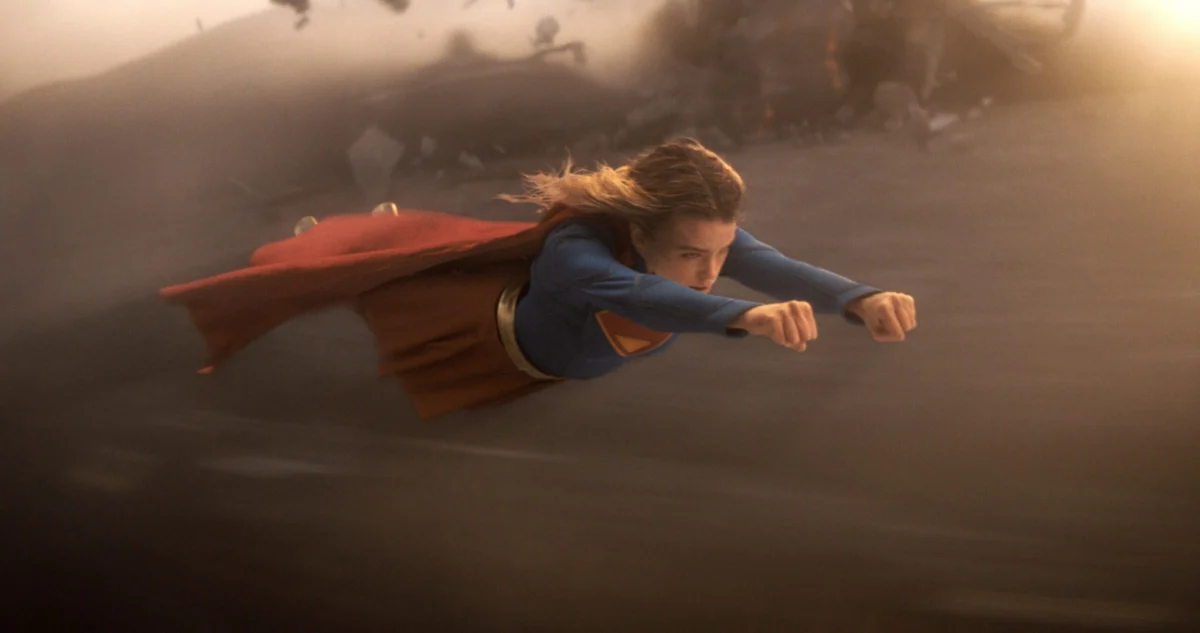
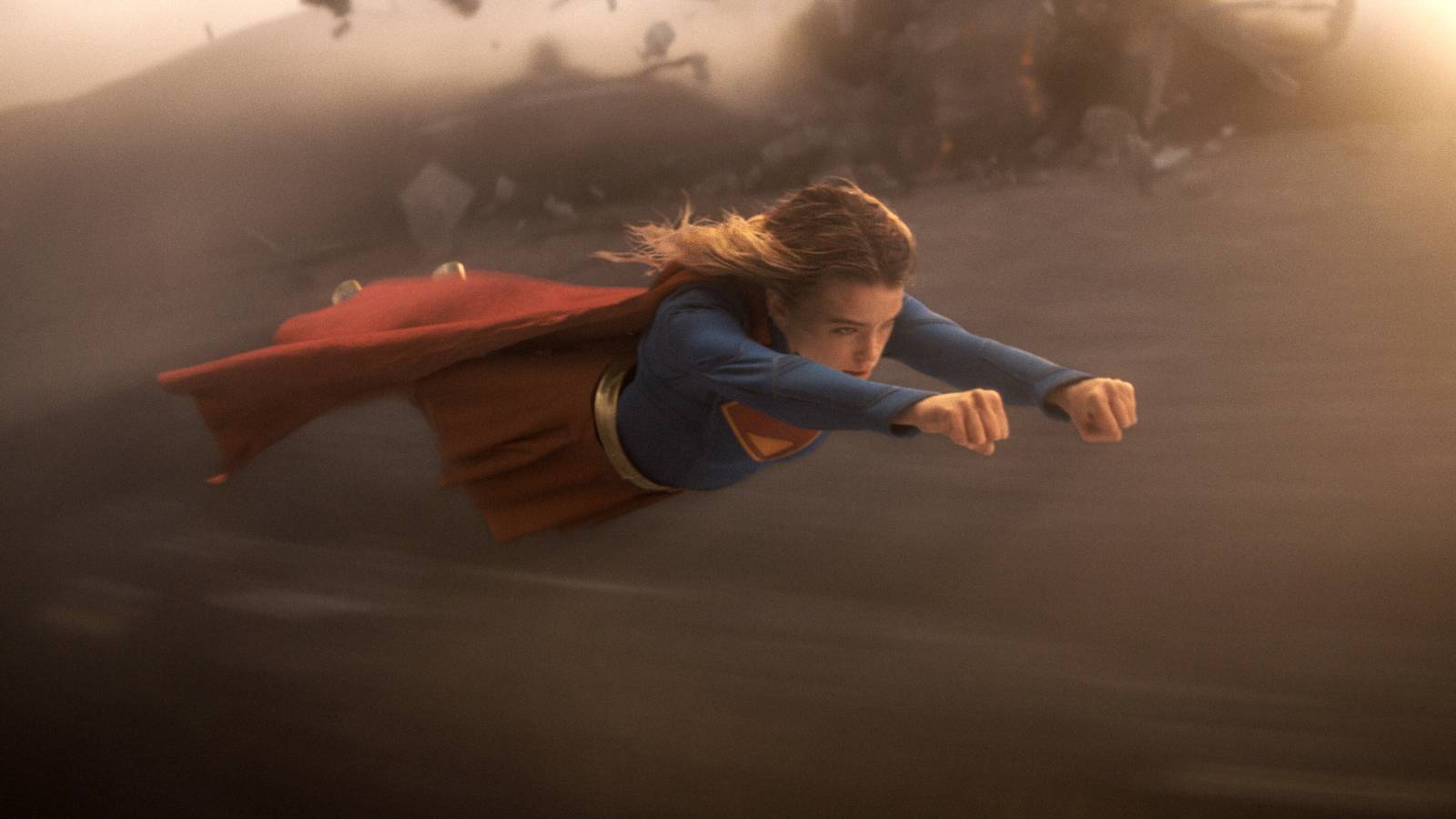
The recent box office performance of Warner Bros. Pictures’ Supergirl, directed by Craig Gillespie, has sent shockwaves through the industry. With a meager $116 million global return against a staggering $290 million production and marketing budget, the film’s failure has reignited a fierce debate regarding "superhero fatigue." Critics and analysts alike are questioning whether the current audience appetite for big-budget comic book adaptations has finally reached a saturation point.
However, a closer look at the current media landscape reveals a more nuanced reality. While live-action theatrical releases are struggling to capture the zeitgeist, the animated realm—specifically Adult Swim’s My Adventures with Superman—is thriving. This dichotomy suggests that the issue may not be the characters themselves, but rather the tone, accessibility, and creative scope of how these stories are being told.
The State of the DC Universe: A Statistical Reality Check
The financial underperformance of Supergirl is, by any metric, a significant blow to the nascent DC Universe (DCU) being architected by James Gunn and Peter Safran. Following the high expectations set by the studio’s reboot efforts, the $116 million haul represents one of the most difficult hurdles for the franchise to clear.
When analyzed against the $290 million investment, the "burn rate" of the film highlights a systemic problem: the ballooning costs of tentpole films. For a movie to be considered profitable, it must generally earn double its production and marketing budget to account for theater shares and distribution costs. Supergirl fell short of even breaking even on its production costs alone, marking it as a definitive box office bomb.
This financial shortfall has led to widespread speculation about the stability of the DCU. If the foundation of the cinematic universe is shaky, can the upcoming Superman sequel, Man of Tomorrow, recover the audience’s trust? The industry is now watching closely, as the pressure mounts for Warner Bros. to pivot from its reliance on brooding, high-stakes epics toward more character-driven, accessible narratives.
Chronology: A Tale of Two Kryptonians
To understand the current tension, one must look at the divergent paths of the two primary iterations of the Girl of Steel currently in the public consciousness.
- June 2023: My Adventures with Superman premieres on Adult Swim, offering a fresh, anime-inspired, and character-focused look at Clark Kent’s early days. The show earns immediate acclaim for its emotional intelligence and distinct visual style.
- June 24, 2026: Craig Gillespie’s Supergirl, based on the acclaimed Tom King and Bilquis Evely comic Supergirl: Woman of Tomorrow, is released in theaters. Despite its pedigree, it struggles to connect with a general audience, failing to capitalize on the character’s mainstream appeal.
- July 2026: While the film falters, My Adventures with Superman enters its third season, consistently ranking in the top 10 shows on HBO Max globally.
- August 15, 2026: The season finale of My Adventures with Superman is scheduled, marking a high point in the show’s engagement metrics.
- Future Outlook: DC Studios has confirmed that Milly Alcock, who portrays Kara Zor-El in the live-action film, will return for the Superman sequel, Man of Tomorrow. Simultaneously, the My Adventures with Superman universe is expanding with a spinoff, My Adventures with Green Lantern.
The Power of Animation: Lessons from My Adventures with Superman
The success of My Adventures with Superman is not an accident; it is the result of a creative choice to prioritize character development over spectacle. While the film version of Supergirl leans heavily into the "brooding tale of vengeance" established in the Woman of Tomorrow source material, the animated version offers something different.
In the animated series, Kiana Madeira’s Kara Zor-El experiences profound growth. Her transition from a brainwashed servant of Brainiac to a hero of Metropolis provides a compelling arc that feels earned. While she struggles with the weight of her past, the show keeps her grounded in a sense of exuberant optimism. This version of the character resonates because she is allowed to be vulnerable, flawed, and ultimately hopeful.
The live-action film, by contrast, struggled with the burden of expectation. Audiences appeared less interested in a dark, space-faring tragedy than they were in a character they could relate to on a personal level. The animated series proves that when you strip away the massive, world-ending stakes and focus on the day-to-day challenges of a hero—like juggling friendships, moral dilemmas, and the struggle to fit in—the "fatigue" narrative vanishes.
Supporting Data: Why Streaming is the New Frontier
According to streaming analytics firm FlixPatrol, My Adventures with Superman has maintained a top 10 position on HBO Max consistently throughout July 2026. This data point is critical for studio executives. It indicates that the audience is not tired of DC characters; they are simply tired of the theatrical format that demands a specific, often repetitive, "superhero blockbuster" tone.
The disparity in performance between the theater and the living room suggests that the "DCU" label is not a monolith. The audience is clearly segmenting its viewing habits. They are willing to invest time in episodic content that allows for slow-burn character growth, whereas the high cost of a movie ticket seems to demand a level of "event" excitement that the Supergirl film failed to provide.
Furthermore, the announcement of My Adventures with Green Lantern, focusing on Jessica Cruz, proves that the studio recognizes the value of this animated ecosystem. By expanding the My Adventures brand, Warner Bros. is essentially hedging its bets, creating a reliable, high-engagement pipeline that functions independently of the volatile theatrical market.

Official Responses and Strategic Implications
James Gunn and Peter Safran have been vocal about the need for a "reset" in the DCU. Their approach to Man of Tomorrow—the Superman sequel featuring David Corenswet’s Clark Kent, Nicholas Hoult’s Lex Luthor, and Milly Alcock’s Supergirl—is designed to be the corrective measure for the franchise.
However, the strategy appears to be a dual-track approach. On one hand, they are pushing forward with the high-budget cinematic universe; on the other, they are quietly allowing the My Adventures brand to cultivate a loyal, younger demographic that may be the future of the brand.
The inclusion of John Stewart (Green Lantern) and Hawkgirl in the upcoming Superman sequel suggests a desire to build a larger ensemble, likely aiming for the same "connected universe" success that Marvel enjoyed in the previous decade. But the challenge remains: can they replicate the heart and relatability of the animated side in their live-action projects?
Conclusion: The Path Forward
The "superhero fatigue" narrative is, at its heart, a misdiagnosis. It is not an exhaustion of the genre, but an exhaustion of a specific, overly familiar formula. The failure of Supergirl at the box office should serve as a wake-up call for DC Studios.
To thrive, the DCU must embrace the lessons learned from its animated successes. It needs to foster stories that prioritize emotional stakes over CGI spectacles. It needs to give characters room to breathe, grow, and fail without the pressure of needing to save the entire multiverse in a two-hour runtime.
Whether it is in the gritty, serialized drama of My Adventures with Superman or the grand, sprawling canvas of the live-action DCU, the audience is waiting. They want to see these icons, but they want to see them treated as people first, and heroes second. If the studios can bridge the gap between their theatrical ambitions and the intimate storytelling of their animated projects, the future of the DC Universe may be brighter than the current box office numbers suggest. The era of the "blockbuster at any cost" is fading, but the era of the compelling character study is just beginning.