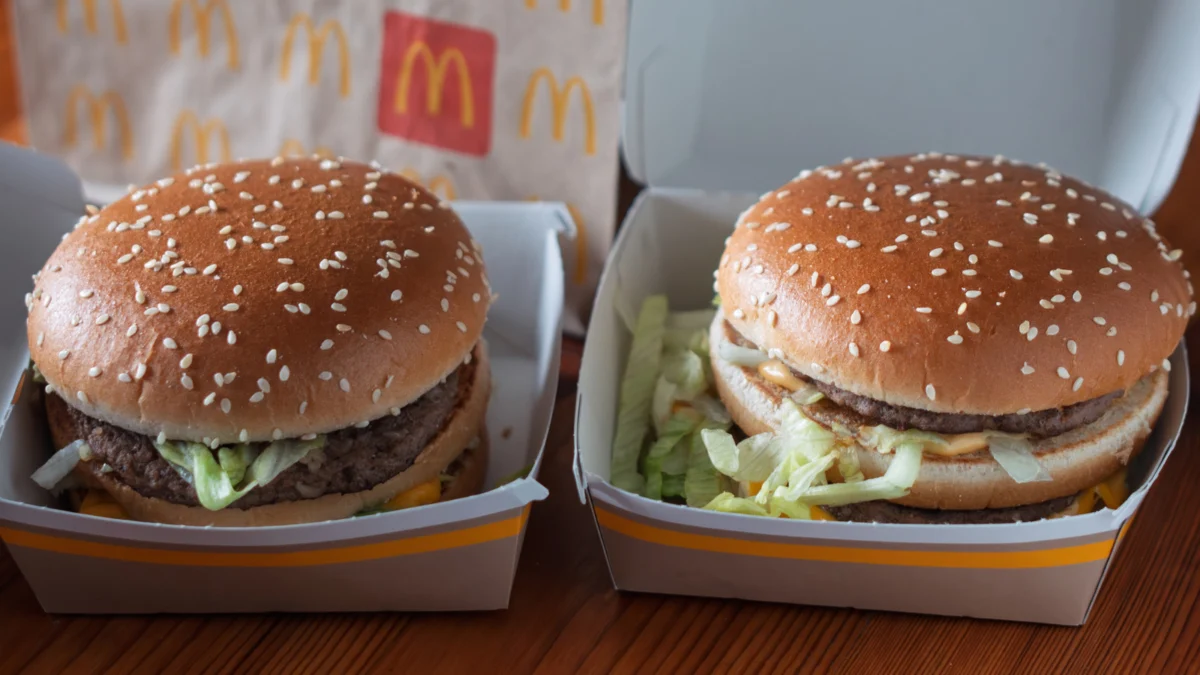
For decades, the McDonald’s menu has presented an illusion of vast variety. A customer standing before the illuminated menu board at their local Golden Arches faces a daunting array of choices: the iconic Big Mac, the sturdy Double Cheeseburger, the humble Hamburger, or the value-focused McDouble. To the average consumer, these items represent distinct culinary experiences, each with its own flavor profile and structural integrity.
However, recent revelations from industry insiders and corporate transparency initiatives have stripped away this perception of variety, exposing a streamlined, highly efficient manufacturing process. The truth, as it turns out, is that the vast majority of the McDonald’s burger lineup is built upon a single, uniform foundation.
The Foundation: One Patty to Rule Them All
The core revelation that has sparked significant debate in the fast-food community comes from former corporate McDonald’s chef Mike Haracz. In a series of viral disclosures, Haracz dismantled the "patty placebo" effect—a psychological phenomenon where consumers believe they are eating different quality meats based on the construction of the sandwich.
"Hamburger, cheeseburger, McDouble, Double Cheeseburger, Big Mac—all have the same patty," Haracz stated in a viral TikTok breakdown.
This assertion is not merely an opinion but an observation of the chain’s hyper-efficient operational model. Whether you are ordering a classic Hamburger or the towering Big Mac, the actual beef component is identical in weight, composition, and sourcing. While the toppings, sauces, and bun configurations create a distinct sensory experience, the "meat of the matter" remains constant across the standard menu board.
Chronology: The Evolution of the "IQF" Standard
To understand why McDonald’s relies on a single patty for almost its entire inventory, one must look at the history of the company’s supply chain, specifically the 1960s, a decade that transformed the burger industry forever.
The Keystone Connection
In the mid-20th century, as McDonald’s began its aggressive national expansion, the challenge was maintaining consistency across thousands of miles. Enter Herb Lotman, the founder of Keystone Foods in Philadelphia. Lotman revolutionized the industry by perfecting the Individual Quick Freezing (IQF) process.
Before IQF, transporting large quantities of fresh meat while maintaining safety and texture was a logistical nightmare. Lotman’s process allowed the company to freeze pre-formed patties rapidly, locking in flavor and texture without the degradation associated with slow-freezing methods. This innovation was the cornerstone of the McDonald’s empire; it enabled the chain to scale rapidly, ensuring that a burger in Maine tasted exactly like a burger in California.
Decades of Uniformity
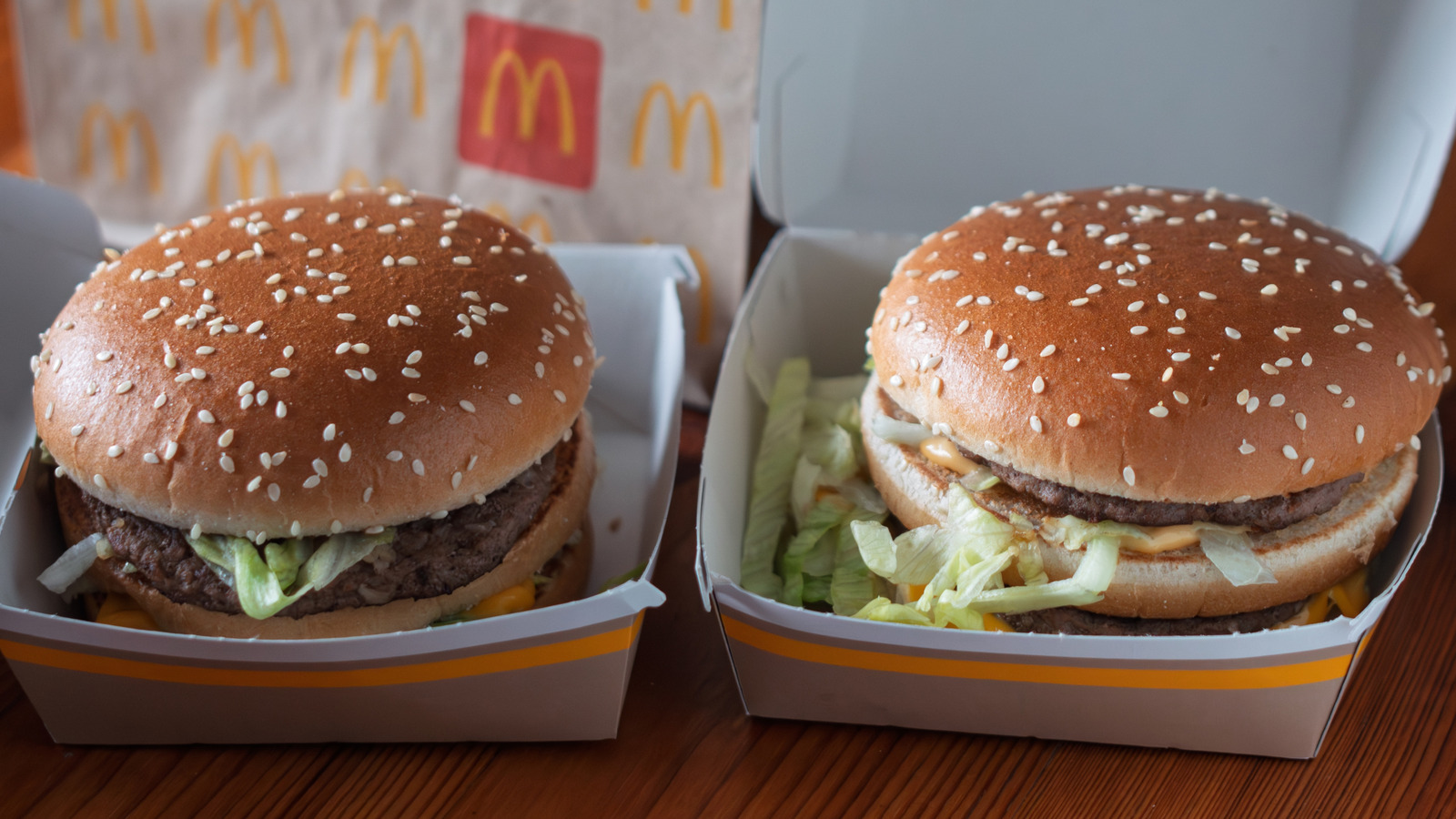
For over 30 years, McDonald’s has relied on a tight-knit circle of suppliers, most notably Keystone Foods and Lopez Foods. This longevity in supplier relationships is rare in the fast-food industry. By standardizing the beef supply to these two major partners, McDonald’s effectively turned the act of "grilling" into a precise, scientific exercise. The patties are manufactured to exact specifications—weight, fat content, and diameter—ensuring that the cooking equipment in every kitchen worldwide operates with absolute predictability.
Supporting Data: The Industrial Scale of Beef Consumption
The numbers behind the McDonald’s operation are staggering. In 2023 alone, the corporation reported the purchase of approximately 714 million pounds of beef. Operating at this scale requires a level of uniformity that leaves no room for ingredient variety.
The Composition of a Patty
McDonald’s has faced numerous legal and public relations challenges regarding its claim of "100% beef." To combat misconceptions, the company has clarified its manufacturing process. According to official corporate statements, the beef is sourced from whole cuts—primarily from the forequarter and flank. These cuts are minced, formed, and flash-frozen.
Crucially, the company maintains that no fillers, additives, or preservatives are included in the patty itself. The only seasoning occurs post-cooking, when employees apply a precise amount of salt and pepper to the patty on the grill. The only notable exception to this rule is the pickle, which contains artificial colors, but the beef itself remains a strictly controlled, singular product.
The Quarter Pounder Exception: A Departure from the Standard
While the standard menu shares the same frozen patty, there is one notable outlier: the Quarter Pounder. This item represents the brand’s move toward a more "premium" feel.
Unlike the standard burger patties, which are flash-frozen and typically served two to three weeks after production, the Quarter Pounder patty is cooked fresh. This shift was a strategic response to changing consumer demands for "fresher" food. By keeping these patties refrigerated rather than frozen, McDonald’s can market a different texture and flavor profile. However, this distinction highlights that for the rest of the menu, the frozen, uniform patty remains the industry-standard "workhorse" of the company.
Official Responses and Corporate Transparency
In response to the growing discourse regarding the similarity of its products, McDonald’s has leaned into transparency. Their corporate FAQ pages explicitly address the "100% beef" claim to mitigate fears of "pink slime" or processed additives. By framing the product as "whole cuts" that are simply minced, they emphasize that the uniformity is a result of safety and consistency rather than a lack of quality.
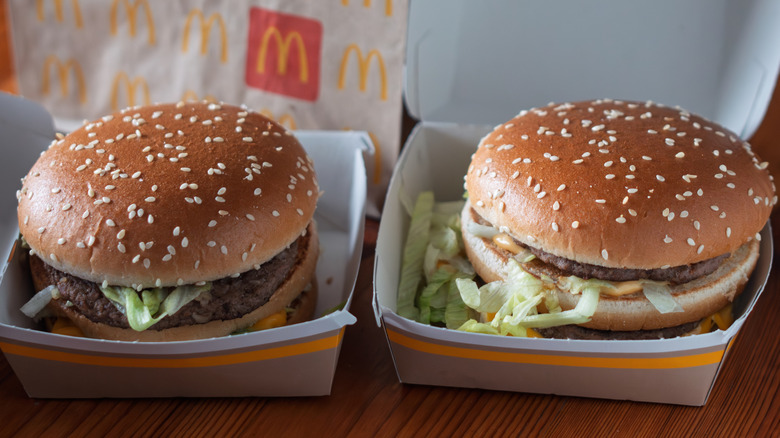
However, the corporate narrative is carefully curated. While they emphasize the quality of the beef, they rarely emphasize the mechanical nature of the preparation. The "chef" perspective provided by individuals like Haracz offers a necessary counter-balance to the marketing, reminding consumers that the difference between a Big Mac and a Cheeseburger is not the beef, but the build.
The Implications: What This Means for the Consumer
The realization that most McDonald’s burgers are functionally identical leads to several important takeaways for the modern consumer:
1. The Value of the Build
If the patty is the same, the value proposition lies entirely in the toppings. The Big Mac’s price point, significantly higher than a standard Cheeseburger, is essentially a premium paid for the "Special Sauce," the extra bun (the "club" layer), the lettuce, and the branding. For the budget-conscious consumer, this suggests that customizing a standard Double Cheeseburger can often yield a similar experience to the more expensive menu items for a fraction of the cost.
2. The Illusion of Choice
Modern menu architecture is designed to overwhelm. By offering a "Hamburger," "Cheeseburger," "McDouble," "Double Cheeseburger," and "Big Mac," the company creates the perception of a vast culinary landscape. Understanding that these are just different configurations of the same core ingredient allows the consumer to navigate the menu more effectively, focusing on flavor preferences rather than perceived quality differences.
3. The Impact of Standardization
The McDonald’s model is an engineering marvel. The fact that 714 million pounds of beef can be processed into identical, safe, and consistent patties is a testament to the industrialization of the American diet. While food enthusiasts may lament the lack of variety, the average consumer benefits from a product that is remarkably reliable, regardless of which city or country they are visiting.
Conclusion: Beyond the Patty
The narrative that "not all burgers are created equal" is effectively disproven at McDonald’s. The reality is that the chain has mastered the art of the uniform product. Whether one considers this a triumph of modern logistics or a sterile approach to culinary art depends on the diner’s priorities.
For the millions who visit the chain daily, the consistency is the point. The "patty placebo" may be real, but as long as the taste remains consistent and the quality standards hold, the Golden Arches will continue to serve their millions with the same foundation they have used for decades. The next time you find yourself debating between a Big Mac and a Double Cheeseburger, remember: the choice is not about the meat, but about the experience of the assembly.