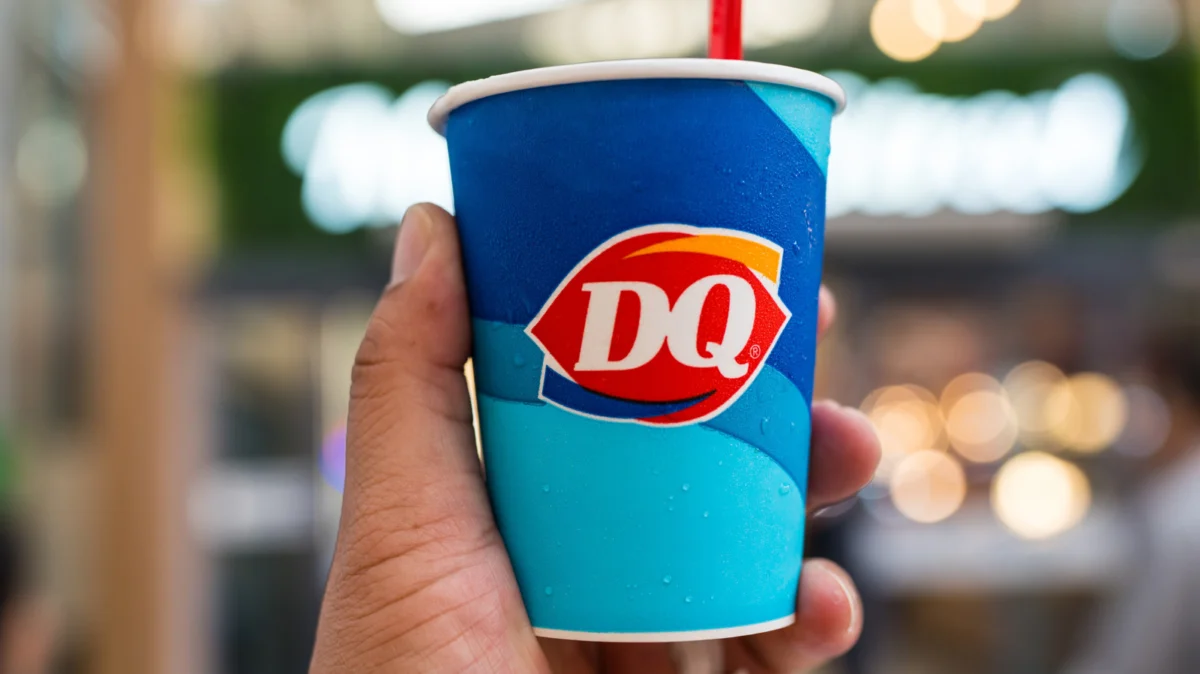
In the annals of fast-food history, certain menu items achieve a cult-like status that defies their short lifespans. While the Dairy Queen Blizzard remains an untouchable titan of the soft-serve industry, its 1990s sibling—the Dairy Queen Breeze—occupies a bittersweet place in the memories of a generation. Positioned as a "healthier" alternative to the calorie-dense Blizzard, the Breeze was a frozen yogurt-based treat that promised the same indulgent experience without the same nutritional guilt. Despite a decade of availability, it was unceremoniously pulled from menus in 2000, leaving behind a vacuum that many fans believe has never been adequately filled.
Main Facts: What Was the Dairy Queen Breeze?
The Dairy Queen Breeze debuted in 1990 during the height of the frozen yogurt craze. Throughout the late 80s and early 90s, the American palate shifted toward "low-fat" and "light" alternatives, a trend that forced even the most established dessert purveyors to innovate.
Much like the Blizzard, the Breeze was a blended treat. It utilized a frozen yogurt base rather than the traditional DQ soft-serve, which was then mixed with various candies, cookies, and fruit syrups. The marketing strategy was clear: offer the same thick, "turn-it-upside-down" consistency of a Blizzard, but leverage the health-conscious consumer’s preference for yogurt over dairy ice cream. It was a sophisticated, modern answer to the classic sundae, appearing in advertisements alongside iconic 90s branding that emphasized freshness and lighter snacking.
A Chronological Look at the Rise and Fall
The timeline of the Breeze is a reflection of the volatile nature of the fast-food industry’s trend-chasing efforts.
- 1990: The Launch. Dairy Queen introduced the Breeze nationwide. The product was positioned as a premium, health-forward line of desserts designed to diversify the menu beyond standard cones and Blizzards.
- 1991–1995: Peak Visibility. Throughout the mid-90s, the Breeze was a staple in television commercials and store signage. Fans of the era remember diverse flavor profiles, ranging from strawberry and mint chocolate chip to the more indulgent walnut fudge.
- 1996–1999: The Slow Decline. As the novelty of the initial frozen yogurt boom began to wane, the operational costs of maintaining the Breeze became apparent. While it remained available, its prominence in marketing materials began to diminish as the company pivoted back to its core soft-serve strengths.
- 2000: The Discontinuation. After ten years of service, the Breeze was officially phased out. There was no grand farewell or final promotional push; it simply vanished from menu boards across North America, relegated to the history books of forgotten fast-food items.
The Operational Reality: Why It Failed
While consumer nostalgia paints a picture of a beloved treat, the practical reasons for its removal were rooted in the harsh realities of restaurant management.
The Spoilage Factor
Unlike the long-lasting shelf stability of the base mix used for Dairy Queen’s traditional soft-serve, the frozen yogurt base used for the Breeze had a significantly shorter shelf life. Dairy Queen franchises operate on tight margins and inventory management systems designed for high-volume items. Because the Breeze never achieved the consistent, daily sales volume of the Blizzard, the yogurt base was prone to spoiling before it could be fully utilized. For a franchisee, this represented direct financial loss.
The Blizzard Dominance
The Blizzard is a powerhouse. Its flavor versatility—facilitated by the high fat content of the soft-serve—allows for endless mix-in combinations. The Breeze, by contrast, had a distinct, tangy profile characteristic of frozen yogurt. This tanginess clashed with certain mix-ins, limiting the menu’s creativity. Ultimately, the Breeze was cannibalized by its own "superior" sibling. When customers walked into a Dairy Queen, they almost invariably chose the richer, creamier Blizzard, leaving the Breeze to collect dust.
Consumer Sentiment: The Digital Echo Chamber
In the age of social media, the legacy of the Breeze has found new life. Reddit threads, Instagram nostalgia accounts, and various "forgotten food" forums have served as a digital memorial for the treat.
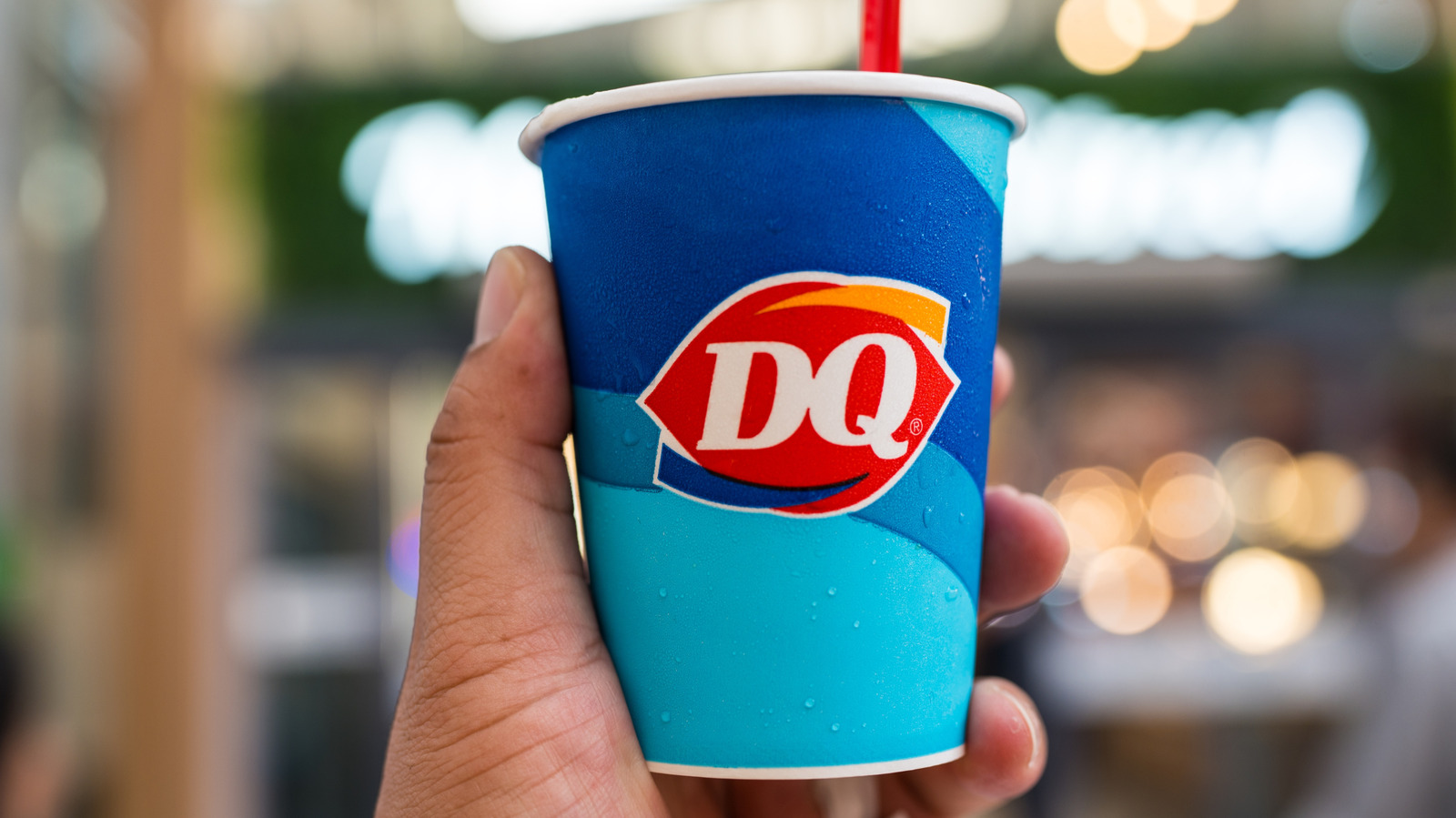
The sentiment is overwhelmingly consistent: users recall the Breeze not just as a dessert, but as a nostalgic touchstone of their childhoods. The specific mention of flavors like "walnut fudge" or "strawberry" suggests that the product had a genuine, loyal following. One particularly active Reddit thread regarding a 1995 advertisement triggered a wave of comments, with many users expressing genuine frustration that modern chains haven’t successfully replicated the "light but decadent" balance that the Breeze provided.
This digital fervor has even sparked informal petitions. While these rarely reach the corporate offices of Dairy Queen, they serve as a testament to the brand loyalty that can be built—and lost—through menu changes.
Implications for Modern Fast Food
The story of the Dairy Queen Breeze offers a masterclass in the risks of chasing trends. By trying to align with the health-conscious zeitgeist of the 1990s, Dairy Queen attempted to force a product into a market that wasn’t sustainable for their specific business model.
The "Healthy" Trap
Modern chains continue to struggle with the "health-conscious" paradox. When a restaurant known for indulgence tries to offer a "light" product, they often find that their core customer base isn’t interested, and their target demographic is skeptical of the health claims. The Breeze serves as a cautionary tale: if a product doesn’t fit the brand’s core identity, no amount of marketing can save it from the operational challenges of spoilage and low demand.
The Return of the Trend
Ironically, we are currently living in a golden age for frozen yogurt once again. With the rise of high-protein, low-sugar dessert alternatives and the success of various "froyo" franchises, some might argue that the Breeze would actually perform better today than it did in the 90s. The industry has become more efficient at managing perishables, and consumer preferences for lighter desserts have stabilized into a permanent market segment.
Conclusion: Will We Ever See It Again?
Despite the pleas of dedicated fans, the likelihood of a Dairy Queen Breeze revival remains slim. Dairy Queen has spent decades perfecting its soft-serve-based Blizzard ecosystem. Reintroducing a frozen yogurt component would require a massive overhaul of supply chains, refrigeration equipment, and staff training across thousands of global locations.
For now, the Breeze remains a "ghost" on the menu. For those still craving that specific 1990s experience, the best recourse is the DIY route. The modern kitchen, equipped with high-speed blenders and access to high-quality ingredients, makes it easier than ever to replicate the Breeze at home. By blending Greek yogurt, a touch of honey, and your choice of mix-ins, you can recreate the texture and flavor profile of the treat that defined a decade.
While we may never see the Breeze return to the glowing menu boards of our local Dairy Queen, its place in the culture of comfort food is secure. It serves as a reminder that even in the world of fast food, items can leave a lasting, bittersweet imprint on our collective culinary memory.