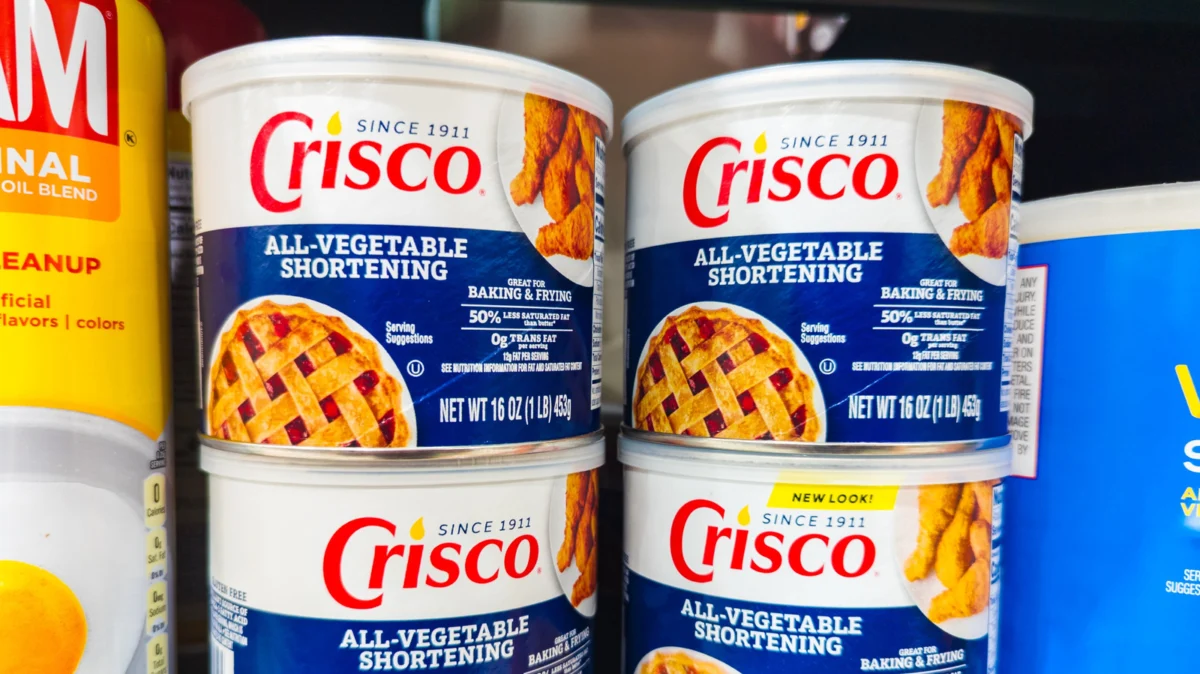
For over a century, a simple white tub has stood as a silent sentry in the American pantry. Crisco, the ubiquitous brand of vegetable shortening, is simultaneously a kitchen workhorse and a subject of historical debate. While contemporary home cooks often gravitate toward butter or olive oil, the unique properties of shortening remain unmatched for specific baking and frying applications. Understanding Crisco is not merely about learning a recipe; it is about mastering the science of fat.
Main Facts: What Is Crisco?
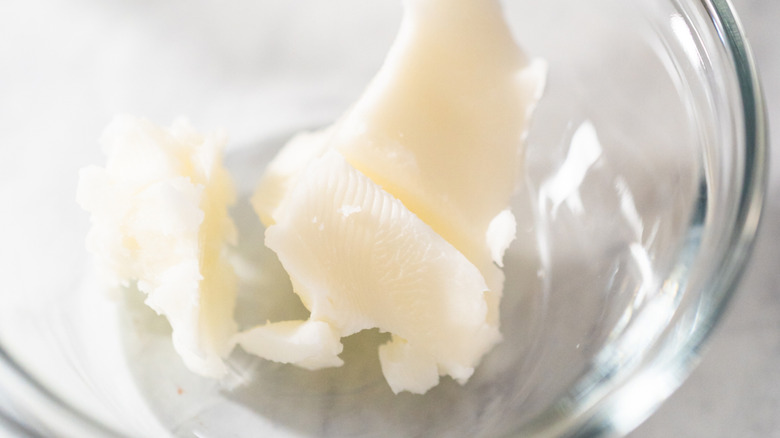
At its core, Crisco is a vegetable-based shortening. The term "shortening" refers to any fat that remains solid at room temperature. Because it is 100% fat—lacking the water content found in butter—it provides a structural stability in baking that other fats cannot replicate.
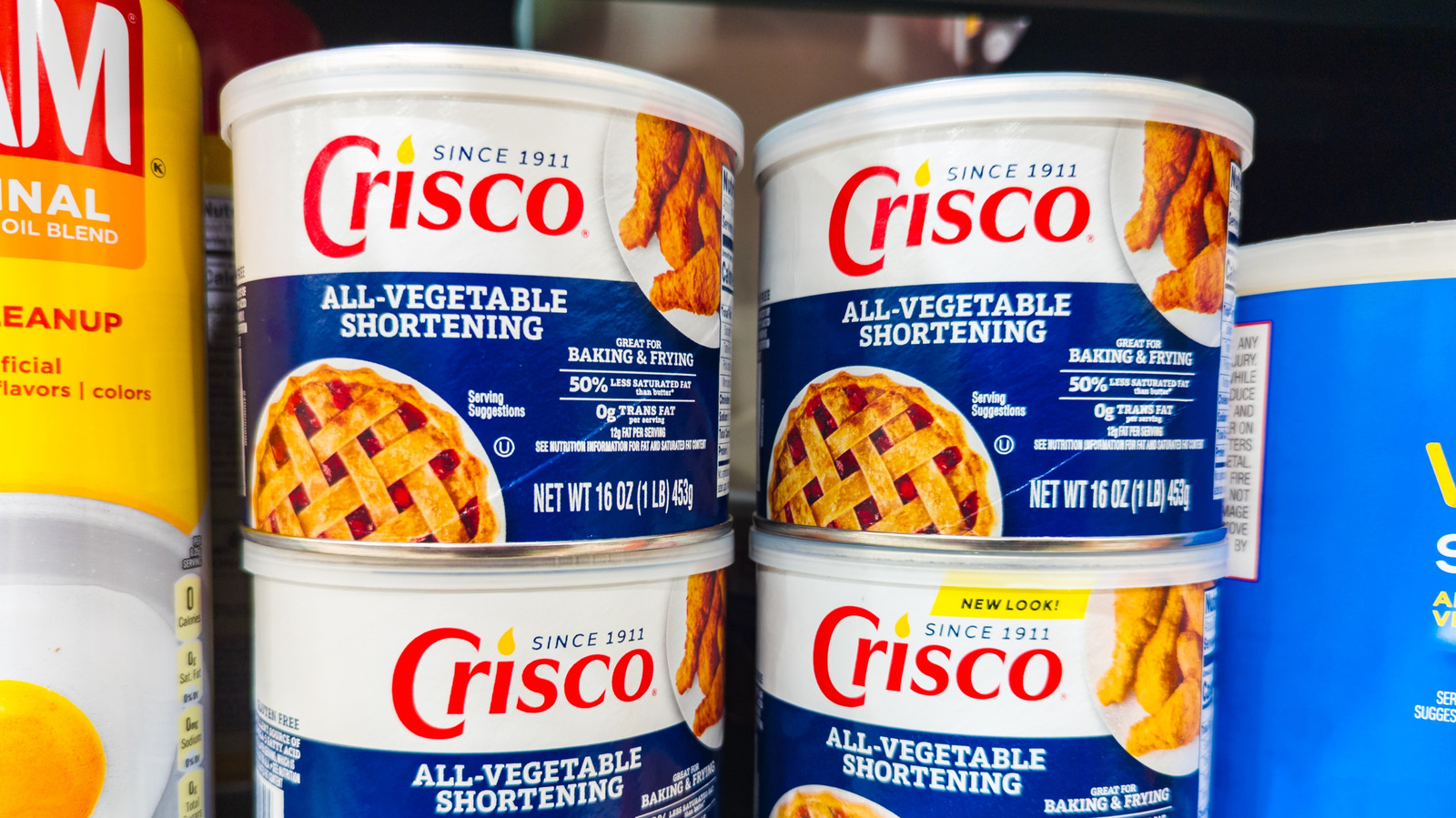
Introduced to the public in 1911, Crisco was revolutionary. It offered a shelf-stable, plant-derived alternative to animal-based lard and expensive butter. Its neutral flavor profile and high smoke point—the temperature at which a fat begins to break down and smoke—made it an immediate sensation. Unlike butter, which can brown or burn quickly due to its milk solids, or oil, which can be messy to measure, Crisco’s semi-solid, spreadable consistency offered precision and ease.
A Culinary Chronology: From Innovation to Evolution
The 1911 Launch
Crisco was the brainchild of Procter & Gamble. Initially, the company focused on soap production, but when they discovered the process of hydrogenation, they realized they could turn cottonseed oil into a solid, white fat. The name "Crisco" itself is a shortened, phonetic play on "crystallized cottonseed oil." It was marketed aggressively as a "digestible" and "clean" alternative to the heavy, sometimes inconsistent lard of the era.
The Mid-Century Peak
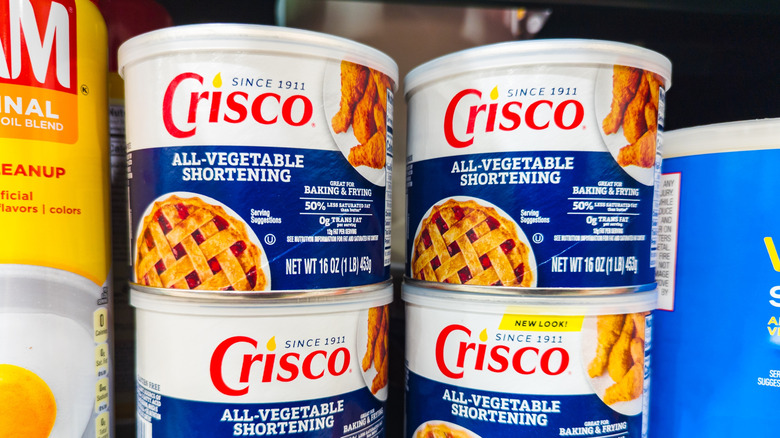
Throughout the 1940s and 50s, Crisco became the backbone of the American baking tradition. It was the secret behind the flaky, perfectly structured pie crusts and the towering, light-textured cakes that defined post-war culinary culture. Its ability to "shorten" strands of gluten—the process that gives pastries their delicate, crumbly texture—cemented its status as an essential household staple.
The 1990s Reckoning and Reformulation
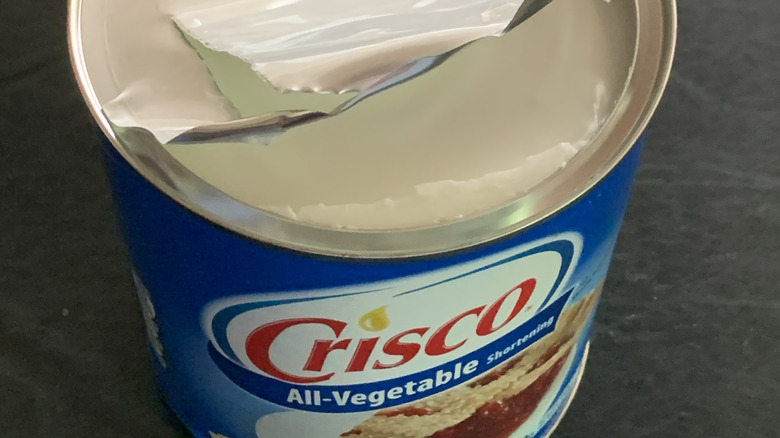
The reputation of Crisco faced a seismic shift in the 1990s as the scientific community began to highlight the dangers of trans fats. Partially hydrogenated oils, the primary component of shortening at the time, were identified as major contributors to heart disease. Consumer confidence plummeted. In response, Procter & Gamble underwent a massive R&D effort. By 2007, the brand had successfully transitioned to fully hydrogenated oils, effectively eliminating trans fats from their product line.
Supporting Data: The Science of Fat
To understand why professional pastry chefs still keep shortening in their rotation, one must look at the physical chemistry of the ingredients.
- Fat Content: Butter is approximately 80% fat and 20% water. Crisco is 100% fat. In pie crusts, the water in butter encourages the development of gluten, which can lead to a tougher pastry. Because Crisco contains no water, it inhibits gluten formation, resulting in a tender, "short" texture.
- Melting Point: Crisco has a higher melting point than butter. This is crucial for high-heat frying, as it prevents the fat from smoking and breaking down at 350°F to 375°F. Furthermore, during baking, the shortening holds its shape longer than butter, preventing cookies from spreading too thin on the baking sheet.
- Storage Longevity: While butter must be refrigerated and can turn rancid, Crisco is remarkably stable. Unopened, it has a shelf life of up to two years. Even after opening, it remains viable in a cool, dark pantry for months.
Official Responses and Industry Standards
In 2020, the U.S. Food and Drug Administration (FDA) finalized the ban on partially hydrogenated oils (PHOs), the main source of artificial trans fats in processed foods. Crisco’s shift to a blend of fully hydrogenated palm oil and liquid soybean oil was a proactive move that aligned with these evolving federal standards.
The company maintains that their current formulation provides the same culinary performance as the original, without the health risks associated with the old manufacturing processes. Nutritionists note that while Crisco is a "cleaner" product today, it remains a caloric-dense, processed fat. The current recommendation from health professionals is to use it as an occasional culinary aid rather than a primary source of dietary fat, favoring unsaturated fats like olive or avocado oil for daily cooking.
Culinary Implications: When to Use What
The debate between Crisco, butter, and lard is not about which is "best," but which is "best for the job."
The Case for Crisco
- Pastry Work: For intricate pie crusts or decorative sugar cookies that must maintain a specific shape, shortening is the gold standard.
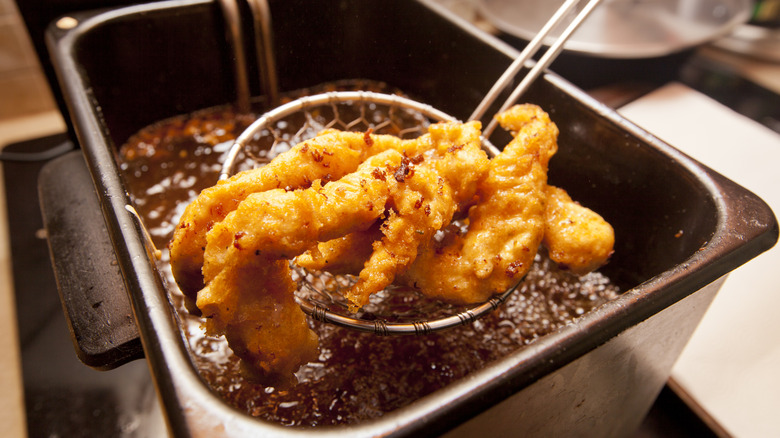
- Frying: Because of its neutral taste and high smoke point, it is ideal for deep-frying chicken, donuts, or fritters. It produces a crisp, non-greasy exterior that is difficult to achieve with butter.
- Greasing: Its smearable consistency makes it the perfect tool for prepping cake pans, ensuring a clean release every time.
The Comparison Table
| Feature | Butter | Crisco | Lard |
|---|---|---|---|
| Flavor | Rich, distinct | Neutral | Savory, earthy |
| Smoke Point | Low | High | High |
| Texture | Tender but can spread | Excellent for structure | Unmatched flakiness |
| Source | Dairy | Vegetable Oil | Pork Fat |
Modern Relevance and Global Alternatives
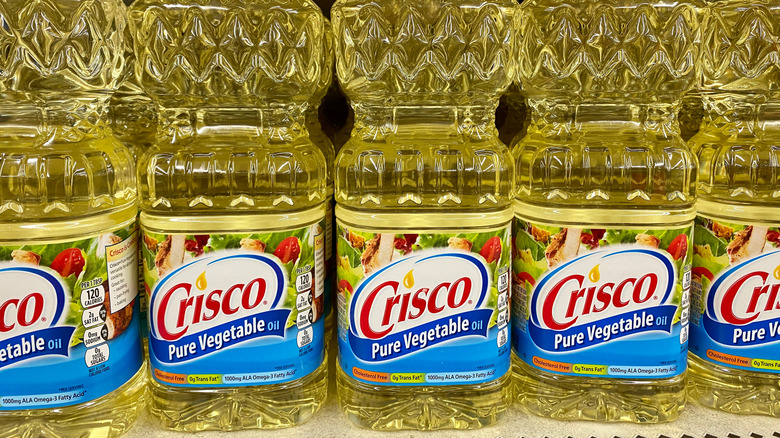
Despite the rise of "clean label" cooking, Crisco remains a multi-million dollar industry. It is currently available in various formats: the classic All-Vegetable Shortening, a butter-flavored variety (using natural and artificial flavorings), and a line of liquid oils and sprays.
For international home cooks who cannot source Crisco, the market offers regional equivalents:
- United Kingdom: Brands like Trex or Cookeen utilize a blend of palm and rapeseed oils.
- Australia: Copha serves as the standard, primarily composed of coconut oil.
Storage and Sustainability
The longevity of Crisco is one of its greatest assets. To maximize freshness:
- Avoid the Fridge: Unless you live in a tropical climate, keep your shortening in a pantry. Cold temperatures alter the crystalline structure of the fat, making it too firm for easy creaming.
- Seal Tight: Exposure to oxygen is the enemy of shelf life. Always ensure the lid is snapped tight to prevent the absorption of odors from other pantry items.
- Check the Date: While it is shelf-stable, fats eventually go stale. Adhere to the "best by" dates for the highest quality results in your baking.
Conclusion
Crisco is far more than a relic of 20th-century convenience. It is a highly engineered culinary tool that occupies a specific niche in the kitchen. Whether you are a purist who prefers the depth of butter in a cookie or a technician who demands the structural integrity of shortening in a lattice-topped pie, the role of Crisco is undeniable. By understanding the chemistry behind this white, solid fat, the modern cook can leverage its unique properties to elevate their baking and frying to a professional standard. As the culinary landscape continues to evolve, the humble tub of Crisco serves as a reminder that sometimes, the most effective tools in the kitchen are those that have stood the test of time.