Mercedes-Benz is currently navigating what it has officially dubbed the "biggest product and tech launch program in the company’s history." Following a challenging 2025 that saw a nine percent decline in global sales—dipping to 1,800,800 units—the Stuttgart-based automotive titan is executing a multi-pronged recovery strategy. By refreshing its core lineup, embracing both electrification and combustion refinement, and launching niche-market innovations, Mercedes is signaling that it is not merely reacting to market volatility, but proactively shaping its future.
The Core Objective: Reclaiming Market Dominance
The 2025 sales slump served as a catalyst for a massive internal audit of the brand’s direction. Recognizing that a one-size-fits-all approach to electrification was alienating traditional luxury buyers, Mercedes has pivoted to a "tech-agnostic" philosophy. This strategy allows the core brand, alongside its performance-oriented AMG and ultra-luxury Maybach subsidiaries, to provide the best of both worlds: advanced battery-electric vehicle (BEV) platforms and highly refined internal combustion engines (ICE). The company is extending the life cycles of key models like the A-Class while simultaneously rolling out new, ground-up electric architectures to bridge the gap between legacy engineering and a zero-emissions future.
Chronology of the 2026 Product Blitz
The current year is defined by a rapid succession of debuts. The cadence of these releases demonstrates a balanced portfolio strategy.
The S-Class Facelift: Honing the Flagship
The year began with the update of the S-Class, the brand’s quintessential flagship. The facelift integrates the "three-pointed star" design motif into the headlamps and taillights, creating a cohesive visual signature. Inside, the dashboard has been reorganized to mirror the expansive, high-tech interface found in the fully electric EQS. Notably, Mercedes has introduced a leather-free option, utilizing leatherette and textile combinations, reflecting a shift toward sustainable luxury.
Under the hood, the S580 now features a sophisticated flat-plane-crank V8, outputting 530 horsepower. While the Maybach variant retains the legendary twin-turbo 6.0-liter V12 in North America, China, and the Middle East, European regulations have effectively ended the V12’s era on the continent. Furthermore, the S-Class Guard—the brand’s armored iteration—has received over 2,700 new parts, solidifying its status as the world’s most advanced mobile fortress, complete with VR10 ballistic protection.
The Electric C-Class: A New Foundation
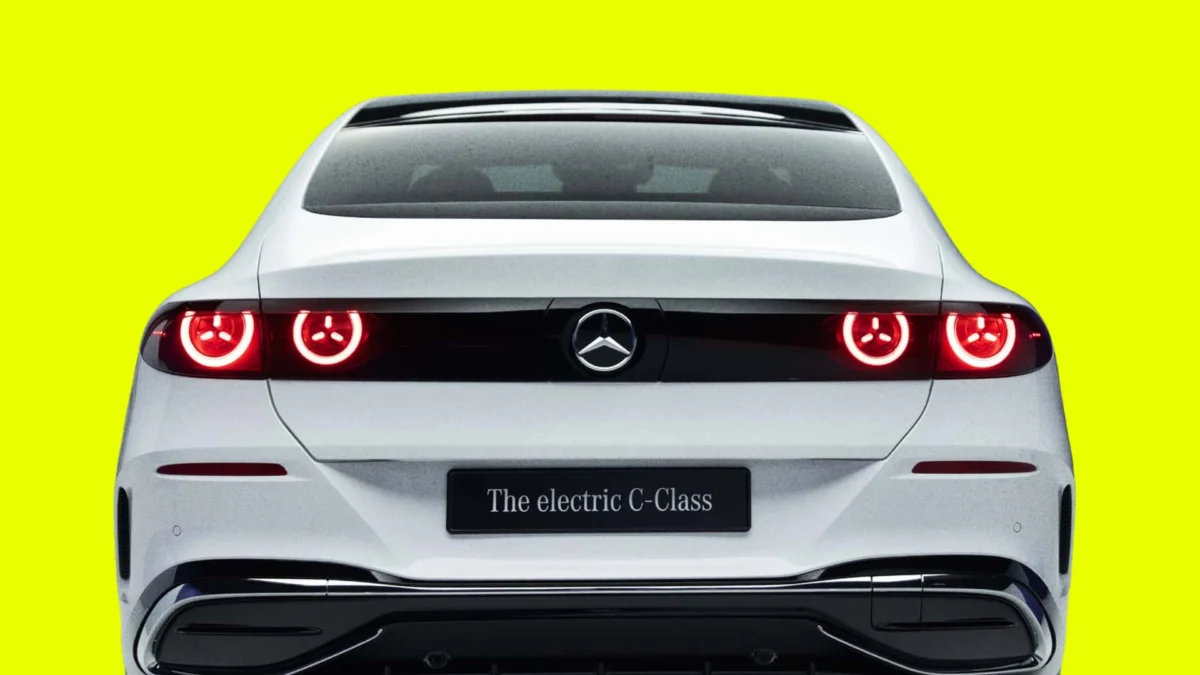
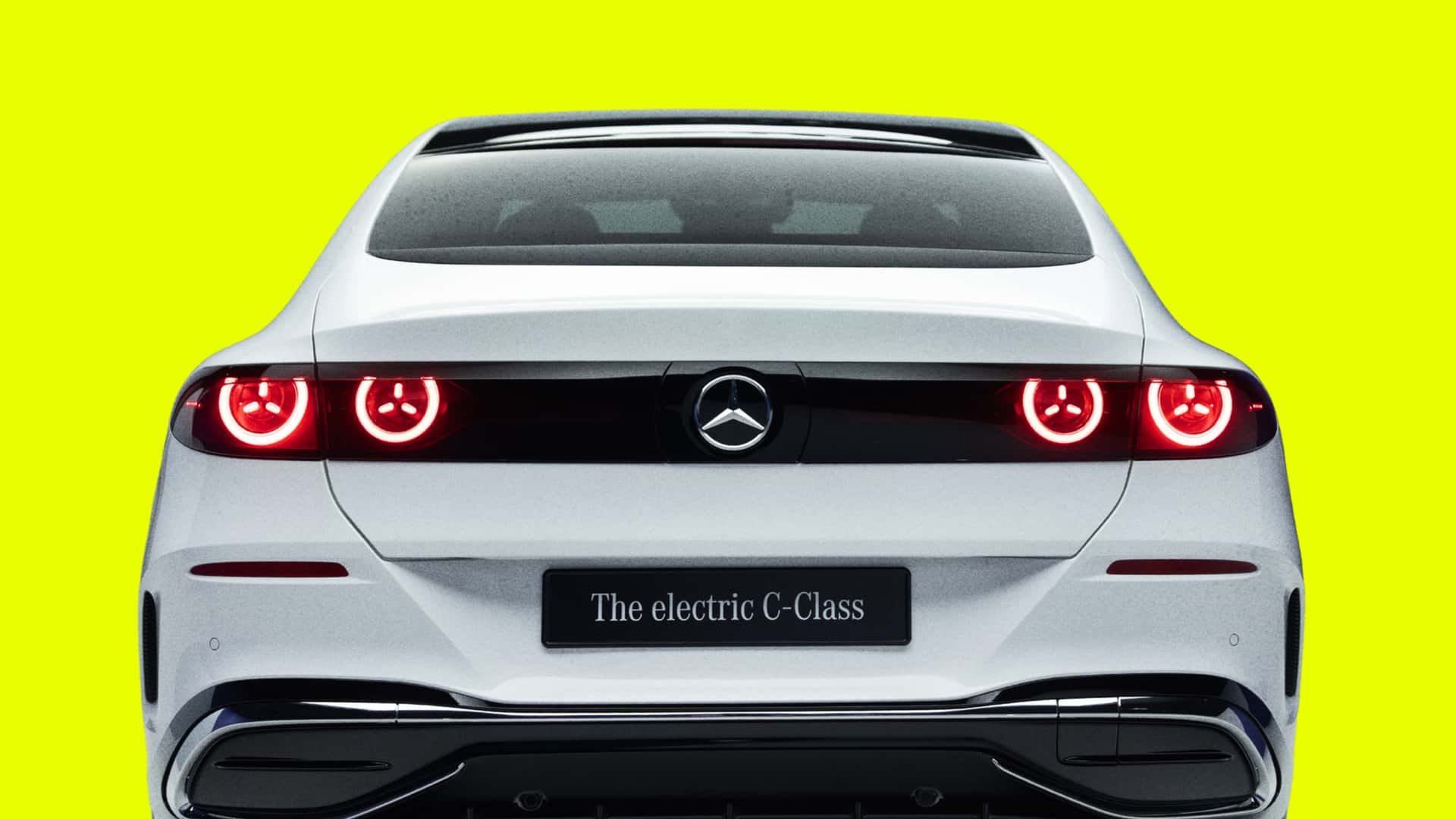
Perhaps the most significant shift is the debut of the electric C-Class. Unlike previous EQ models that felt like electrified versions of existing chassis, this model sits on a dedicated EV platform. This engineering choice has enabled a longer wheelbase, superior interior packaging, and the inclusion of a front trunk ("frunk"). With a 94.5-kWh battery, it boasts a WLTP-rated range of 473 miles (762 km) and 330-kW fast-charging capability, allowing for an addition of 202 miles of range in just 10 minutes.
AMG GT 4-Door Coupe: The Electric Performance Flagship
Affalterbach is making a bold statement with the 2027 AMG GT 4-Door Coupe. As the first AMG built on a dedicated EV platform, it pushes the boundaries of power. The range-topping GT63 utilizes three axial-flux motors to deliver a staggering 1,153 horsepower and 1,475 lb-ft of torque. To maintain the "AMG spirit," the vehicle includes simulated gear changes and artificial engine acoustics—a controversial but deliberate attempt to retain the visceral experience of a V8-powered supercar.
The Return of the Six and Eight: GLE, GLS, and GLC
AMG is responding to enthusiast feedback by reintroducing larger displacement engines. The GLE 63 S and GLS 63 SUVs now feature a 4.0-liter twin-turbo flat-plane-crank V8 with a 48-volt mild-hybrid system. Additionally, the GLC 53 marks the return of the inline-six engine to the compact crossover segment, replacing the complex four-cylinder plug-in hybrid setup that drew criticism for its weight and perceived lack of character.
The VLE: Luxury Reimagined as a Minivan
The VLE is arguably the most surprising addition. Positioned as a "Grand Limousine," this $130,000 electric van seeks to merge the utility of a people-mover with the opulence of an S-Class. With an 115-kWh battery and a range of 435 miles, it is designed for the chauffeur-driven market, with plans for an even more exclusive Maybach VLS variant arriving in 2027.
Supporting Data: Why the Shift?
The 2025 decline was not merely a result of economic headwinds; it was a symptom of a design and powertrain strategy that moved too quickly for some markets. The pushback from American dealers regarding the "Small G-Class" and the lukewarm reception of the early EQ models highlighted that luxury buyers still demand performance, tactile quality, and status-symbol acoustics.
The data confirms this: while total sales dropped, the G-Class—a vehicle that remains rooted in its iconic combustion-powered heritage—saw a 23 percent sales increase, reaching 49,700 units. By blending this "heritage-first" approach with cutting-edge tech (as seen in the new GLE and GLC), Mercedes is attempting to maximize volume without diluting the brand’s premium identity.
Official Responses and Strategic Vision
During internal briefings, Mercedes-Benz leadership has emphasized that the "biggest launch program in history" is not just about the cars themselves, but about the flexibility of their manufacturing lines. The company is investing billions to ensure that factories can switch between combustion and electric production with minimal downtime.
"We are not abandoning our roots," a spokesperson noted, referencing the return of the V8 to the CLE and the AMG performance lineup. The company’s focus is on "Portfolio Cohesion"—ensuring that whether a customer chooses a C-Class Electric or a V8-powered CLE, the experience remains unmistakably "Mercedes," defined by material quality, ambient technology, and superior road manners.
Implications for the Future
The implications of this strategy are far-reaching.
- Market Differentiation: By offering both highly efficient EVs and powerful, refined ICE vehicles, Mercedes is positioning itself as the "safety net" for customers who are hesitant to jump fully into the electric era, while simultaneously capturing the tech-forward demographic with the new C-Class EV and AMG GT.
- Regulatory Compliance: The integration of 48-volt mild-hybrid systems across the V8 lineup is a tactical maneuver to survive the tightening Euro 7 emissions standards while keeping performance enthusiasts happy.
- Competitive Landscape: The move sets the stage for a showdown with BMW and Audi. BMW’s recent i3 and the next-generation 3 Series will compete directly with the new C-Class, forcing a battleground based on battery efficiency, software integration, and traditional driving dynamics.
Conclusion: The Road Ahead
Mercedes-Benz’s 2026 product blitz is a masterclass in corporate agility. By pivoting back to six- and eight-cylinder engines where demand persists, while simultaneously launching a world-class dedicated EV platform for the C-Class and AMG GT, the brand is effectively hedging its bets against a volatile global economy.
As we look toward the end of 2026, the focus will likely shift to the "Little G" and the potential expansion of the Mythos series. If these launches follow the current trend of balancing technological innovation with the brand’s storied legacy, Mercedes-Benz will likely reverse its 2025 slump and reclaim its position as the undisputed leader of the premium automotive segment. The path forward is not just electric; it is whatever the customer demands it to be.