Whether you are scouting for a historic gem in the heart of Austin, planning a mountain retreat in Bozeman, or considering a sleek, newly minted townhome in Charlotte, the choice between new construction and an existing property remains the most significant decision a homebuyer will face. This isn’t merely a choice of floor plans; it is a choice between two entirely different lifestyles, financial models, and long-term maintenance trajectories.
As the real estate market continues to evolve, the "new versus old" debate has grown increasingly complex. While new homes offer the allure of cutting-edge technology and pristine finishes, they often come with price premiums and extended timelines. Conversely, older homes offer character and established neighborhoods but may hide a minefield of deferred maintenance. To navigate this landscape, we have consulted with industry experts and builders to provide a definitive guide on what you need to know before signing that contract.
Main Facts: Defining the Two Paths
The fundamental difference between buying new and buying used comes down to predictability versus established value.
The Case for New Construction
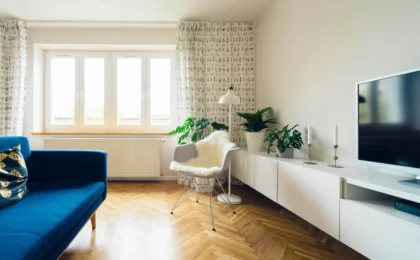
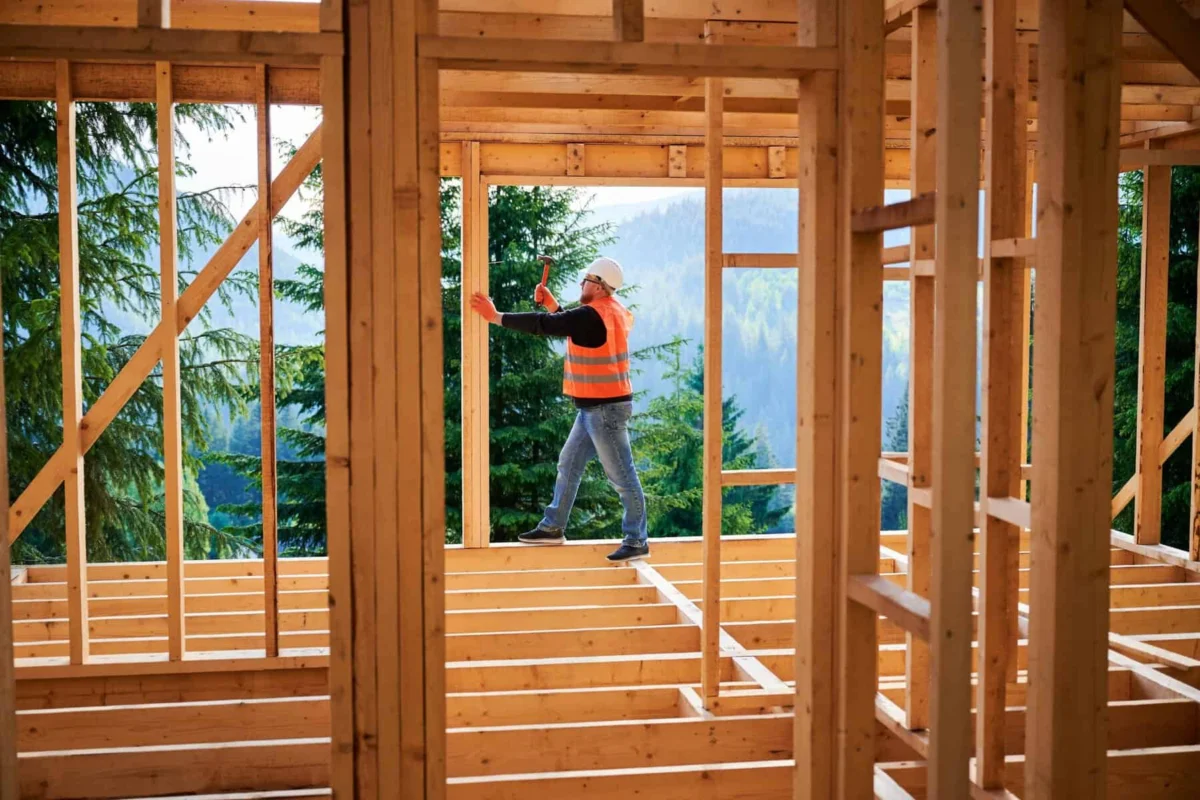
A new construction home is defined by its adherence to the latest building codes, energy efficiency standards, and contemporary design trends. From the foundation up, these homes are built to withstand the rigors of modern living, often featuring open-concept layouts that prioritize natural light and seamless indoor-outdoor transitions.
The Case for Existing Homes
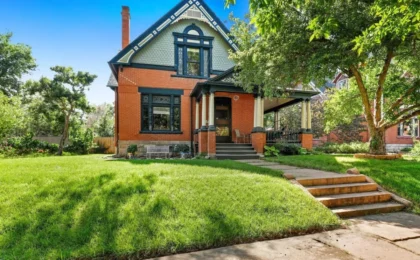
Existing properties, often referred to as "resale" homes, offer the advantage of "what you see is what you get." You are buying into an established neighborhood with mature landscaping, proven property values, and existing community infrastructure. Unlike new developments, where you might be living in a "construction zone" for several years, a resale home places you in a neighborhood where the character and atmosphere are already set.
Chronology: The Journey of Ownership
The path to closing differs drastically depending on which route you choose.
The Path of New Construction
- Selection & Contract: You select your lot and floor plan. This is the stage where you review the "base price" versus "optional upgrades."
- Design & Permitting: This phase involves selecting finishes—cabinetry, flooring, and lighting. Simultaneously, the builder secures permits, which can be a bottleneck in some municipalities.
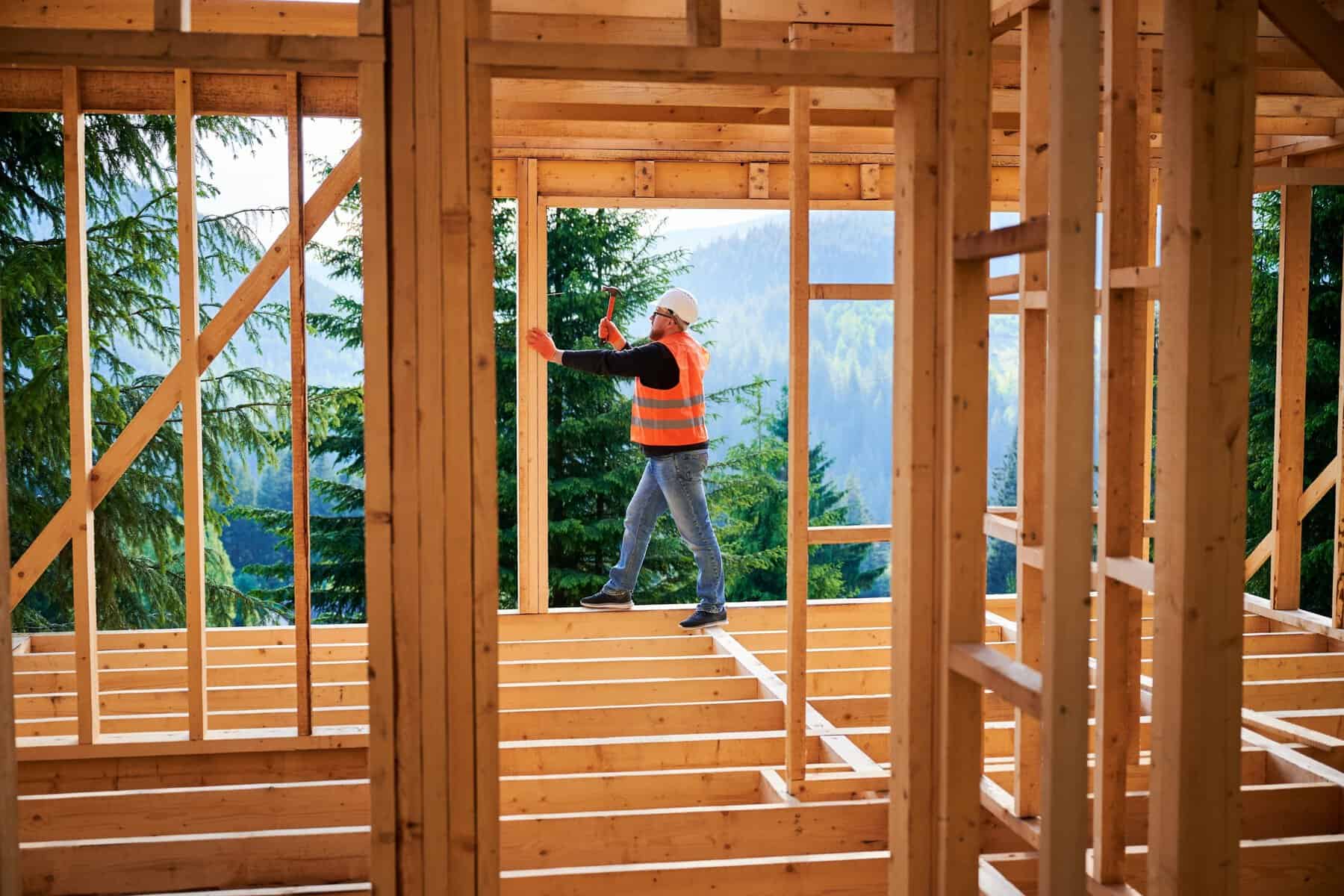
- The Build: Construction progresses in stages (framing, mechanical, finishes). Delays here are common due to supply chain issues or labor shortages.
- Inspections & Final Walkthrough: Unlike an existing home, this is a multi-step process where you verify that the builder has met all specifications.
- Closing: You receive the keys and the benefit of a builder’s warranty.
The Path of the Existing Home
- Search & Offer: You compete in the open market, often in a "best and final" offer scenario.
- Due Diligence: The home inspection is the most critical stage. You are looking for "hidden" costs—leaking roofs, outdated electrical, or structural settling.
- Negotiation: If the inspection reveals issues, you negotiate repairs or price credits with the seller.
- Closing: Once the deal is finalized, you own the home "as-is" and are immediately responsible for all maintenance.
Supporting Data: The Financial Reality
When analyzing the "cost" of a home, buyers often fixate on the purchase price. However, industry experts emphasize that Total Cost of Ownership (TCO) is the only metric that matters.
Energy Efficiency and Operating Costs
New construction homes are consistently more energy-efficient. According to current standards, modern insulation, double-paned low-E windows, and high-efficiency HVAC systems can reduce monthly utility bills by 20% to 30% compared to homes built before 2000. Over a 10-year period, these savings can amount to thousands of dollars, effectively offsetting the higher initial purchase price.
Maintenance Cycles
An existing home typically requires a capital expenditure (CapEx) budget immediately. If the roof is 15 years old, you have a looming expense. If the HVAC is dated, you are looking at a $8,000–$12,000 replacement. New construction, by contrast, provides a "grace period." Most major systems are brand new, and if they fail, they are covered by a builder’s warranty.
Official Expert Perspectives
We spoke with industry leaders to gain deeper insight into the trade-offs of modern construction.
Ryan White, VP of Sales & Marketing at Advantage Homes, emphasizes the personalization factor. "A newly built home offers modern floor plans and energy-efficient features, but the real value is in the opportunity to personalize. You are designing a space that fits your specific family needs, eliminating the need for expensive post-purchase renovations."
Kamal Hyder, CEO of Breakthrough Builders, points to the evolution of building codes as a primary motivator. "Structural and energy codes in California are updated every three years. A new home isn’t just ‘new’; it’s safer, more efficient, and structurally superior to a home built even a decade ago. It conforms to the latest engineering safety standards."
Nick Beuke, Owner at Texas Living Homes, focuses on the peace of mind that accompanies new builds. "It’s not just about the structure; it’s about the warranty. Knowing that you have a contract that covers workmanship and structural integrity for the first few years allows homeowners to focus on furnishing and enjoying their space rather than worrying about surprise plumbing leaks."
Implications: Making the Right Decision
Choosing between new and old is ultimately a reflection of your tolerance for risk and your vision for the future.
When to Choose New Construction
- You value energy efficiency: If you want to keep monthly utility costs predictable and low.
- You dislike renovations: If the idea of tearing down walls or replacing flooring sounds like a nightmare.
- You want personalization: If you have specific ideas about how your home should function and look.
- You prioritize warranties: If you want a safety net for your investment.
When to Choose an Existing Home
- You value location and charm: If you want to live in a historic district or a neighborhood with mature trees and established community character.
- You need a faster timeline: If you have a strict deadline and cannot wait for the potential delays of the construction process.
- You have a smaller budget for a larger footprint: Often, you get more square footage for your dollar in an older home, even if it requires some "sweat equity" to modernize.
- You enjoy the project: If you are the type of person who finds joy in slowly renovating a space to make it your own.
The Final Verdict: Looking Beyond the Price Tag
Nancy Greenwald of the Construction Institute suggests a holistic approach. "The purchase price is only one factor. We must look at the long-term costs—maintenance, repairs, and the cost of capital to renovate. The goal isn’t to find the cheapest house, but the one that provides the greatest overall value over the next decade of your life."
As you move forward, keep in mind that neither option is inherently superior. A well-maintained older home can offer incredible value, while a well-built new construction home can provide a lifetime of comfort and efficiency. Before you sign that contract, ensure you have a clear understanding of your long-term goals. Are you building for a decade of growth, or are you looking for an immediate home that settles into the fabric of an established community? By balancing your financial reality with your lifestyle preferences, you will find the home that serves as the perfect foundation for your future.