For decades, the “bottleneck” effect has plagued higher education, particularly within the historically Black college and university (HBCU) sector. Students frequently face a daunting reality: they are on the cusp of graduation, only to find that a mandatory course required for their degree is not being offered during their final semester. This systemic hurdle has forced countless students to delay their graduation, incur additional tuition costs, or, in more extreme cases, transfer to other institutions—often losing credit hours in the process—just to fulfill degree requirements.
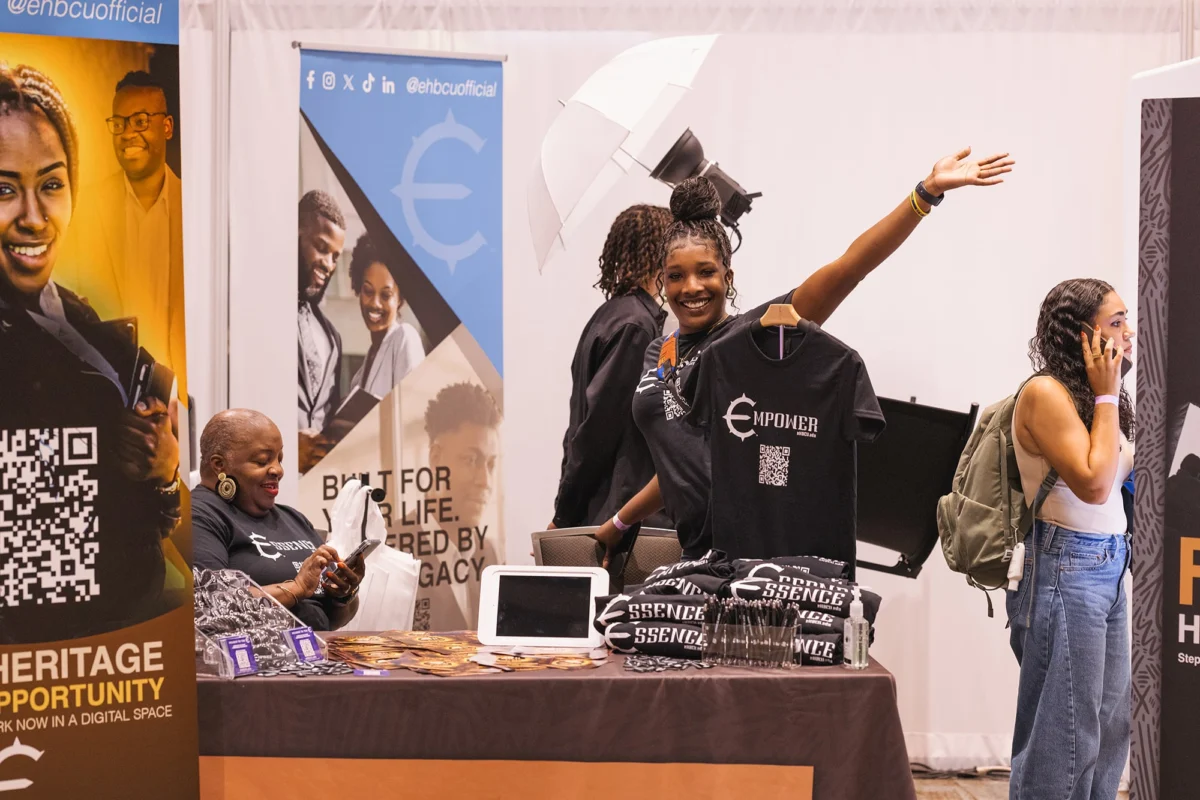
In a landmark move to dismantle these barriers, eHBCU, a burgeoning consortium of six historically Black colleges and universities, announced a transformative course-sharing partnership last week. By leveraging the technological infrastructure of the online course-sharing platform Acadeum, the consortium is effectively creating a borderless academic environment. This initiative allows students to remain fully enrolled at their home institution while accessing a shared catalog of courses offered by partner HBCUs, ensuring that their path to a degree remains uninterrupted.
The Core Mechanics of the Partnership
The eHBCU consortium, which launched last year, is led by Delaware State University and includes a diverse group of institutions: Southern University and A&M College, Southern University at Shreveport, Southern University at New Orleans, Alabama State University, and the Pensole Lewis College of Business & Design.
The partnership with Acadeum serves as the engine for this initiative. Through this digital platform, students can identify and enroll in approved online courses hosted by other consortium members. Crucially, the system is designed to bypass the traditional, cumbersome transfer-credit process. Because the courses are pre-approved and integrated into the consortium’s framework, students do not risk losing progress toward their degree. They remain "home-grown" students of their original university, receiving their diploma from their home institution, while benefiting from the collective academic strength of the entire group.
Chronology of a Collaborative Shift
The formation of the eHBCU consortium represents a strategic pivot in how these institutions view regional cooperation. The initiative began with the recognition that individual HBCUs, despite their rich history and pedagogical strength, often face resource constraints when trying to offer a exhaustive range of niche or specialized courses every single term.
- Formation (Last Year): The six institutions formalized the eHBCU consortium, setting the stage for collaborative efforts in resource sharing and student success.
- Needs Assessment: Leadership identified that course availability was the primary driver of “stop-outs” and delayed graduations.
- The Technology Integration: Recognizing that building an internal infrastructure for inter-institutional sharing would be prohibitively expensive, the consortium sought a partnership with Acadeum.
- The Launch (Last Week): The official announcement of the course-sharing model was made, immediately providing students with access to a significantly expanded pool of academic resources.
Supporting Data and Real-World Impact
The efficacy of this model is best illustrated through the lived experience of students currently navigating their academic journey. At Southern University at New Orleans (SUNO), the impact was immediate.
Bree Cook, the Vice Chancellor for Academic Affairs at SUNO, shared a compelling case study of a student who was at risk of delaying graduation. “We actually have a current student who is missing two classes, and one of those courses isn’t being offered this term, but the student needs it to stay in sequence,” Cook explained.
By utilizing the eHBCU portal, the university identified an equivalent course at a partner institution. The dean reviewed and approved the credit, and the student was enrolled in a summer session online. “Instead of having to wait until fall or spring, we were able to get the student enrolled for the summer,” Cook added. This intervention not only saved the student a full semester of tuition and time but also kept them within the HBCU ecosystem rather than forcing them to seek a substitute at a community college or a different university system.
Beyond simple course availability, the initiative addresses the "substitution trap." Frequently, when a required course is unavailable, advisors are forced to rely on course substitutions—a process that is administratively heavy and can sometimes jeopardize the academic integrity of a student’s transcript. By providing access to the actual course or a verified equivalent, the consortium simplifies degree pathways and reduces the administrative burden on both faculty and students.
Official Perspectives: Vision and Strategy
The leadership behind eHBCU emphasizes that this is not merely a logistical fix; it is a mission-driven approach to student retention.
The Perspective of Terry Jeffries
Terry Jeffries, executive director of eHBCU, argues that the initiative was crafted with the modern, nontraditional learner in mind. Many HBCU students are balancing full-time employment, family obligations, and geographic challenges that make a traditional, rigid academic schedule difficult to navigate.
“That was one of the reasons we partnered with Acadeum,” Jeffries noted. “To support students wherever they are in their journey, while still ensuring they can remain connected to an HBCU experience.” Jeffries also highlighted the scalability of the model. By leaning into course-sharing, the member institutions can expand their portfolios without the prohibitive costs of hiring new faculty for low-enrollment courses or building new, redundant infrastructure.
The Perspective of Patrice Gilliam-Johnson
Patrice Gilliam-Johnson, provost and chief academic officer at Delaware State University, emphasized that the consortium goes beyond just academics. “The wraparound support is significant in helping students be successful,” she said.
The consortium plans to integrate virtual student services, career counseling, and success coaching that follow the student across the partner network. This ensures that a student taking an online course from an institution three states away still feels the "wraparound" support characteristic of the HBCU experience—a factor that has long been linked to higher retention rates among Black students.
Implications for the Future of Higher Education
The implications of the eHBCU-Acadeum partnership are far-reaching, potentially signaling a new era of "collaborative competition" among universities.
1. Moving Beyond Institutional Competition
Perhaps the most striking aspect of this initiative is the shift in culture among the member schools. Bree Cook of SUNO noted that the collaboration is fundamentally changing the way institutions view their peers. “It’s not a competition,” she remarked. “We’re focused on how we can enrich the learning environments for students at our respective institutions by working together and building together.” This philosophy suggests that the collective success of the HBCU sector is more important than the individual market share of any single university.
2. Economic Efficiency
For smaller institutions, the cost of maintaining a diverse and comprehensive course catalog is immense. By sharing the burden of course delivery, these six HBCUs are essentially creating a virtual "super-campus." This allows for more efficient use of faculty talent and technological resources. If a specific advanced course in, for example, Cybersecurity or African American Studies is in high demand but only has one qualified professor in the group, that professor can now serve students across all six campuses simultaneously.
3. A Model for Nontraditional Retention
As the demographic makeup of college students shifts toward older, working adults, the rigid nature of the "four-year" model is increasingly outdated. The eHBCU initiative demonstrates how institutions can modernize their delivery methods while maintaining their historical mission. By meeting students where they are—both academically and geographically—the consortium is setting a standard for how mission-driven institutions can thrive in a digital-first economy.
Conclusion: A Blueprint for Success
The eHBCU consortium’s move toward a shared-course model is a pragmatic, high-impact solution to a chronic problem in higher education. By combining the intimate, supportive environment of historically Black colleges with the flexibility of modern digital platforms, the consortium is providing a blueprint for how institutions can ensure their students reach the finish line.
As these six institutions continue to refine their collaborative efforts, the results will likely ripple across the broader higher education landscape. If this model proves as successful as early indicators suggest, it may encourage other HBCUs and regional universities to abandon the "silo" mentality in favor of the collaborative, student-centered approach currently being championed by the eHBCU consortium. Ultimately, the goal is simple but profound: to ensure that a student’s path to a degree is defined by their own academic ambition, not by the scheduling limitations of their home institution.