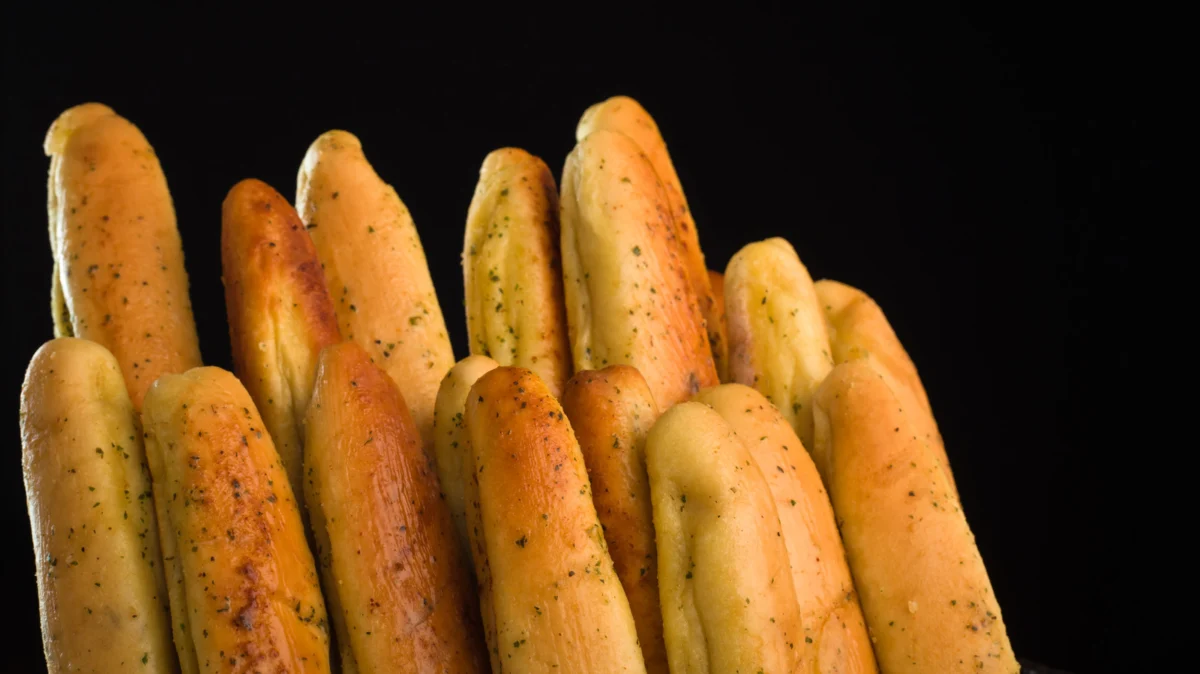
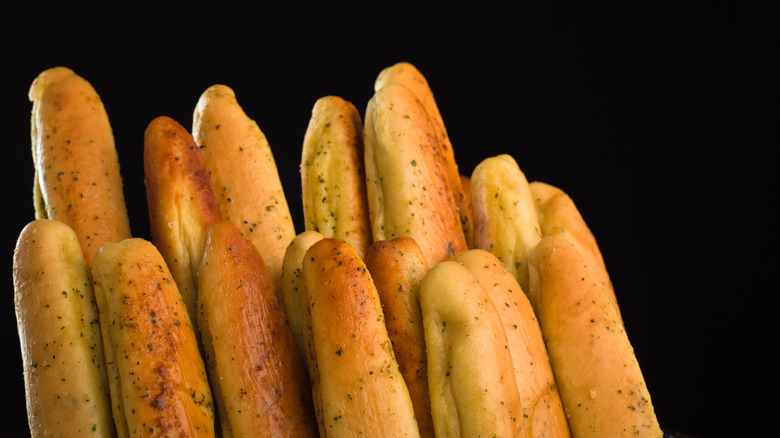
For decades, the Olive Garden breadstick has served as more than just a side dish; it has been the cornerstone of the brand’s identity. An emblem of unlimited hospitality, these "glutinous wands" are served by the hundreds of millions annually, arriving at tables across America in steaming, buttery baskets. However, recent years have seen a shift in the public perception of this iconic menu staple. Despite their continued popularity, a growing chorus of vocal patrons has taken to social media and customer feedback channels to voice a singular, pointed complaint: the breadsticks, they argue, are not what they used to be.
The decline, according to fans, is marked by a perceptible change in texture, flavor, and visual consistency. This report explores the intersection of corporate responsibility, supply chain logistics, and the evolving palate of the American diner to understand why the humble breadstick has become the center of a culinary controversy.
The Genesis of the Change: A Commitment to Inclusivity
The root of the current discourse traces back to a significant operational pivot in 2023. Olive Garden made the strategic decision to transition to a new supplier for its breadsticks, a move primarily driven by the need to eliminate sesame from the recipe.
This decision was not arbitrary. It followed the enactment of the FDA’s Food Allergy Safety, Treatment, Education, and Research (FASTER) Act, which officially designated sesame as the ninth major food allergen in the United States. Under the new federal mandate, manufacturers are required to clearly label products containing sesame, and food service establishments are under increasing pressure to provide safe environments for diners with severe allergies.
By removing sesame, Olive Garden took a commendable step toward making its signature offering accessible to a wider demographic. For the millions of Americans living with sesame sensitivities, the change was a victory for safety and inclusivity. However, the transition from a long-standing manufacturing process to a new formula created an immediate ripple effect in the kitchen—and on the palate of the average diner.
Chronology of the Discontent
The timeline of this shift provides a clear map of how the transition impacted the customer experience:
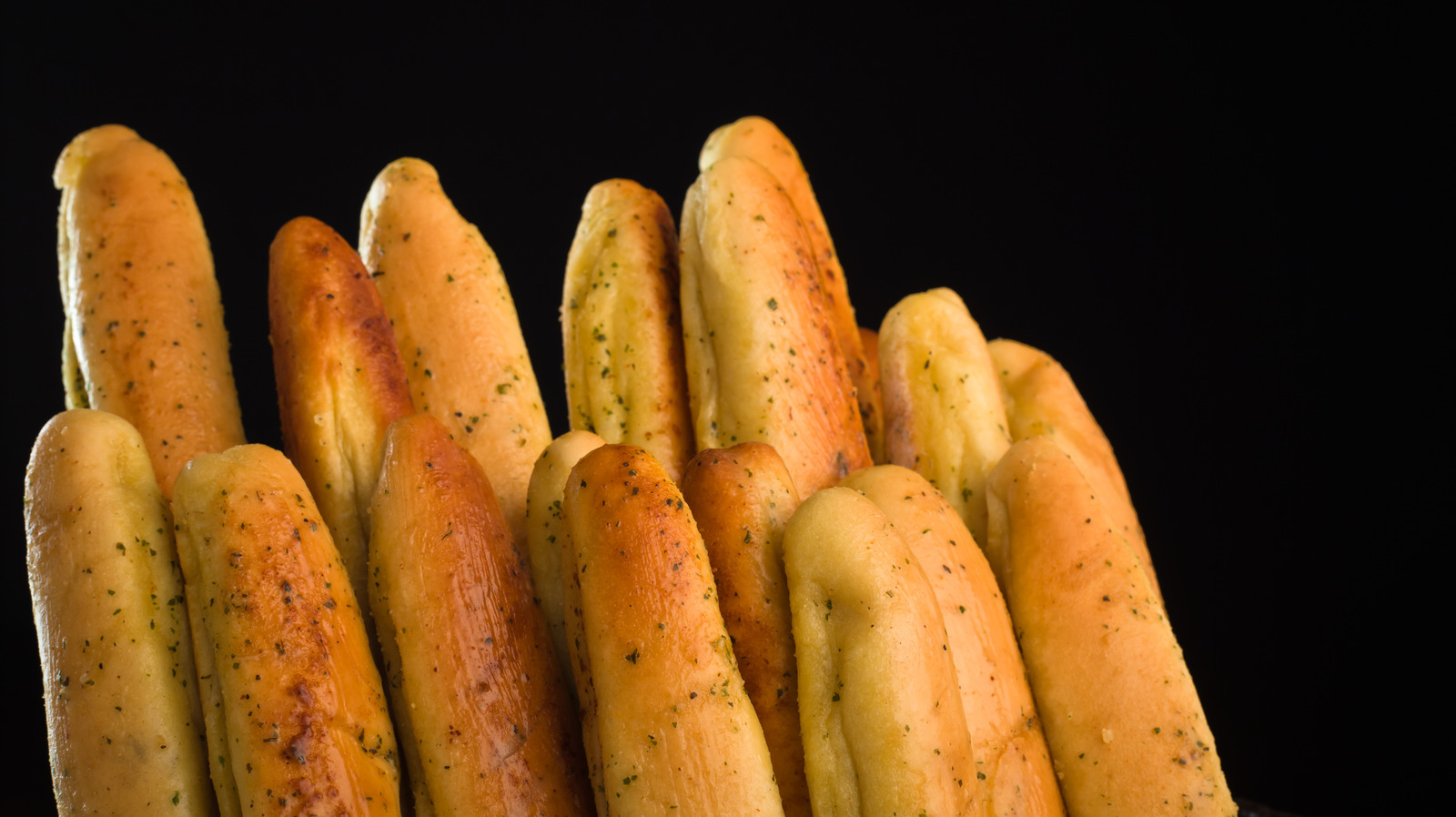
- Pre-2023: The original breadstick recipe—containing trace amounts of sesame flour—remained the gold standard. It was celebrated for its specific chew, garlic-salt ratio, and structural integrity.
- Late 2023: Olive Garden officially rolled out its sesame-free breadsticks across its national footprint. The company communicated this as a commitment to guest safety, earning praise from allergy advocacy groups like Allergic Living.
- Late 2023 to Early 2024: Almost immediately following the rollout, online discourse on platforms like Reddit and X (formerly Twitter) began to sour. Customers noted a "hotdog bun" texture and a perceived lack of the traditional savory coating.
- Mid-2024 to Present: Reports of inconsistent quality persist. Some diners claim that certain locations seem to have reverted to older methods or alternative suppliers, while others report a continued "decline" in the product’s quality, suggesting a lack of uniformity in the brand’s new supply chain.
Supporting Data and the "Vibe Shift"
The statistics surrounding Olive Garden’s breadsticks are staggering. Selling upwards of 500 million sticks per year, the chain operates at a scale where even a microscopic change in ingredient ratios or baking temperature has a massive impact on the consumer experience.
The Anatomy of the Complaint
When analyzing the thousands of comments left by disappointed diners, three distinct criticisms emerge:
- Textural Compromise: Many long-time fans describe the new iteration as "fluffy" or "bready" in a way that mimics cheap, mass-produced hotdog buns rather than artisanal Italian-style dough.
- Flavor Deficiency: The hallmark of an Olive Garden breadstick is its heavy-handed application of garlic salt and margarine. Patrons argue that the new formula either absorbs these fats differently or features a base dough that lacks the "oomph" required to carry the flavor.
- Visual Inconsistency: Reports of misshapen or unevenly baked sticks have increased. In the fast-casual industry, visual presentation is a primary driver of perceived quality; when the breadstick arrives looking "deflated," the customer’s expectations are immediately lowered before the first bite.
The discrepancy between the company’s intent—safety—and the customer’s experience—diminished quality—highlights a common challenge in the restaurant industry: maintaining the "soul" of a recipe while navigating the stringent requirements of modern food safety laws.
Official Responses and Corporate Strategy
Olive Garden’s corporate team has remained largely focused on the positive aspects of the transition. Rich Jeffers, Senior Director of Communications, noted in public statements that the company’s intent was always to ensure the breadsticks were free of sesame flour to better serve the public.
However, the company has been less vocal regarding the widespread reports of texture and flavor loss. Internally, managers at various locations have been caught between two worlds: adhering to corporate mandates regarding the new product while attempting to mitigate the fallout from regular guests. Some anecdotal reports from employees suggest that when customer complaints hit a fever pitch in certain regions, there were internal attempts to tweak preparation methods or reconsider sourcing. This suggests that the rollout may not have been a uniform, global "switch," but rather a complex, multi-tiered transition that left room for variance in quality control.
Implications for the Brand
The breadstick controversy serves as a microcosm for the challenges faced by legacy restaurant chains in the 21st century.
The "Allergy-First" Dilemma
Olive Garden finds itself in a precarious position. By prioritizing the safety of diners with allergies, they have demonstrated social responsibility. Yet, by doing so, they have alienated a portion of their core customer base who view the breadstick as an immutable classic. This raises a difficult question for the brand: Can you ever truly replicate the flavor profile of a recipe once the original components are removed?
The Risk of Brand Erosion
The breadstick is not just a side; it is a loss leader that brings customers through the door. If the perception that the "unlimited" experience has been degraded persists, the brand risks more than just negative Reddit threads—it risks the long-term erosion of its value proposition. When customers begin to feel that the "iconic" part of their meal is "sad," the incentive to return decreases.
The Path Forward: Innovation or Nostalgia?
To combat the decline in customer satisfaction, some culinary experts suggest that Olive Garden should lean into the "breadstick hack" culture. By encouraging staff to better season the breadsticks or providing more high-quality dipping options, the chain could potentially mask the changes in the base dough. Encouraging guests to "double-dunk" in Alfredo sauce or top the sticks with freshly grated Parmesan are effective ways to bridge the gap between the new, safer product and the nostalgic, flavor-packed experience diners crave.
Conclusion
The story of the Olive Garden breadstick is a modern culinary parable. It illustrates the tension between necessary progress and the stubborn, nostalgic nature of comfort food. While the company has made an objectively ethical move by adopting a sesame-free product, the backlash underscores a fundamental truth about dining: when you change a legend, you are bound to face a challenge.
As Olive Garden moves forward, the success of its breadstick program will depend on its ability to marry the constraints of modern food safety with the high expectations of its audience. For now, the "glutinous wands" remain on the table, but they carry with them a reminder that in the world of high-volume dining, every single bite—and every single complaint—matters. Whether the chain will eventually find a way to make the new recipe "hit as hard" as the old one remains to be seen, but for millions of diners, the wait for that perfect, buttery, garlic-drenched experience continues.