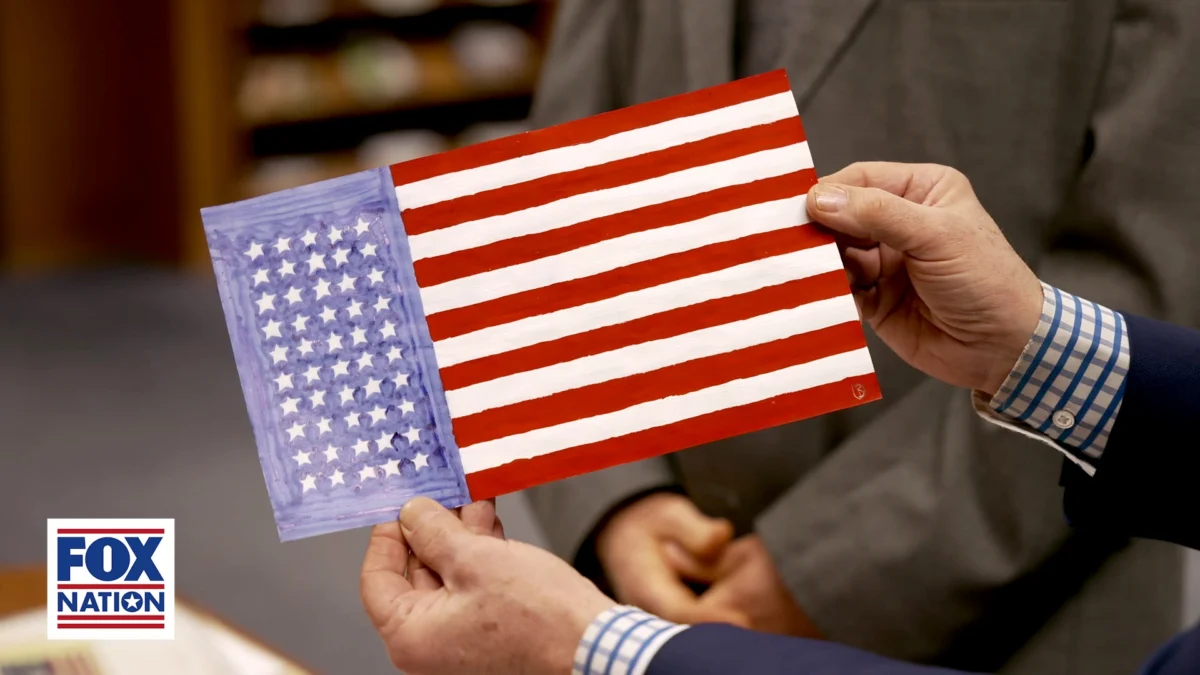
The American flag is one of the most globally recognized symbols of national identity, democracy, and historical continuity. Yet, the familiar pattern of fifty white stars arranged in alternating rows of six and five on a blue canton was nearly replaced by far more radical designs.
In the late 1950s, as the United States prepared to welcome Alaska and Hawaii into the Union, the federal government was inundated with thousands of unsolicited, creative, and sometimes bizarre redesigns from the public. Today, these historical artifacts are preserved at the Dwight D. Eisenhower Presidential Library and Museum in Abilene, Kansas, offering a unique window into the mid-century American imagination.
Main Facts: The Great Flag Design Influx of 1958
When discussions intensified around the admission of Alaska and Hawaii as the 49th and 50th states, the United States faced an administrative and aesthetic challenge: how to integrate two new stars into a design that had remained unchanged since Arizona and New Mexico joined the Union in 1912. For 47 years, Americans had saluted a highly symmetrical, 48-star flag arranged in a simple six-by-eight grid.
The prospect of altering this iconic emblem triggered an unprecedented wave of public participation. Beginning in July 1958, the White House, along with the Army’s Quartermaster Corps (the branch historically responsible for flag specifications), was deluged with design proposals.
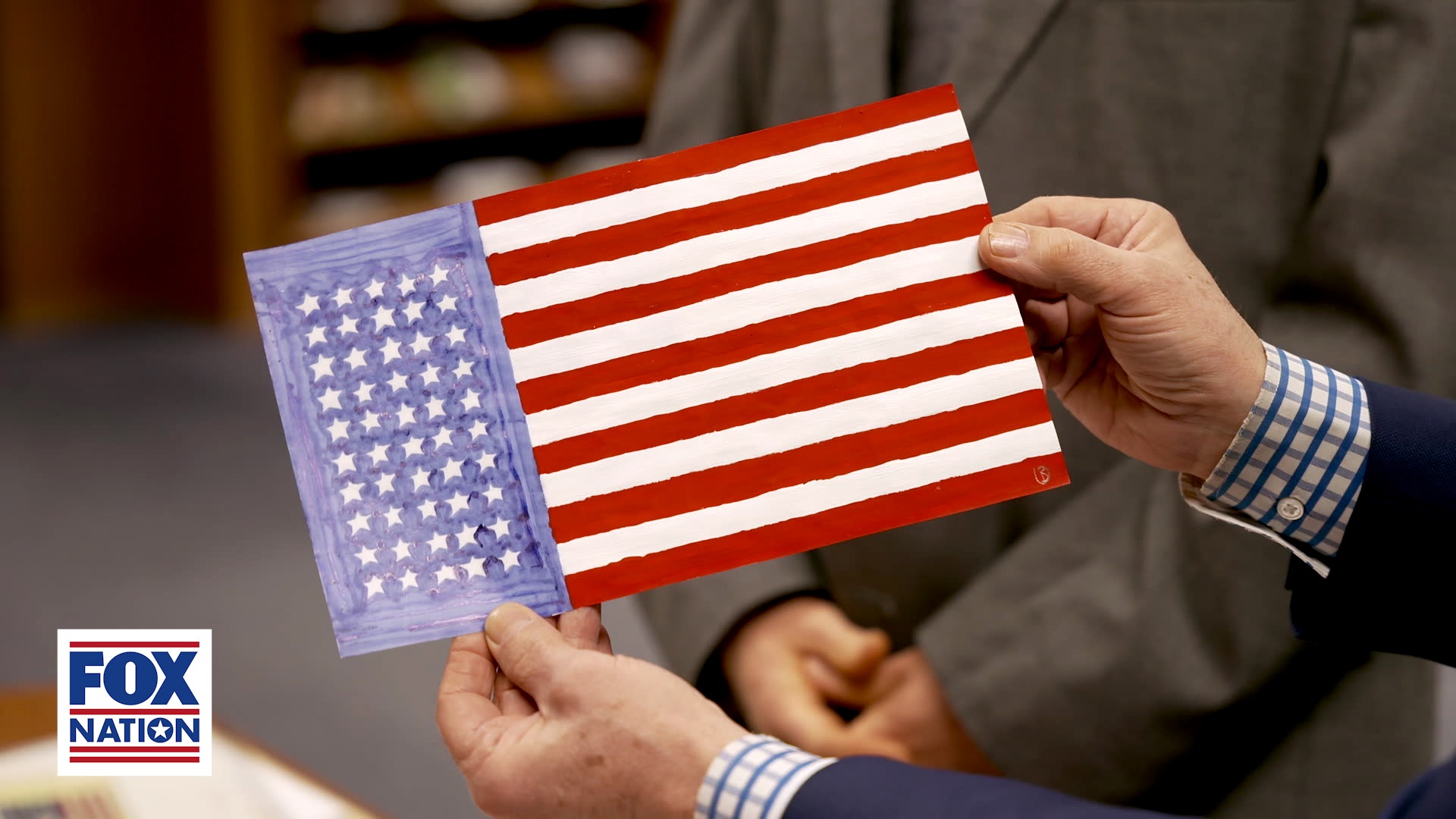
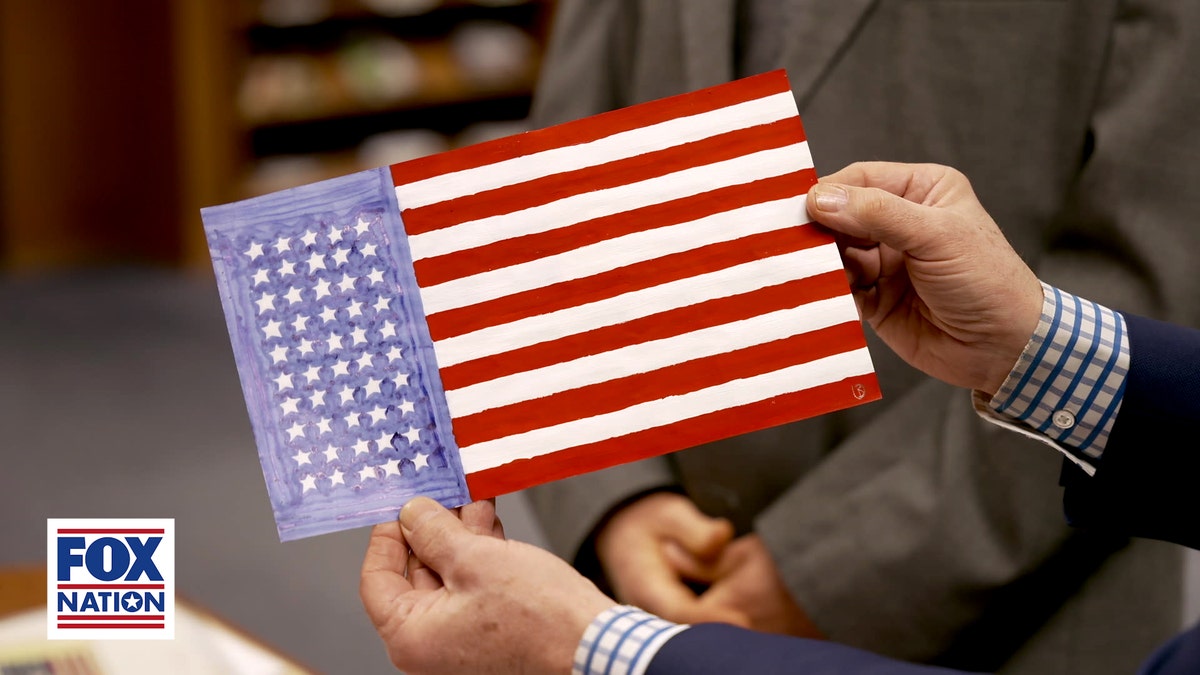
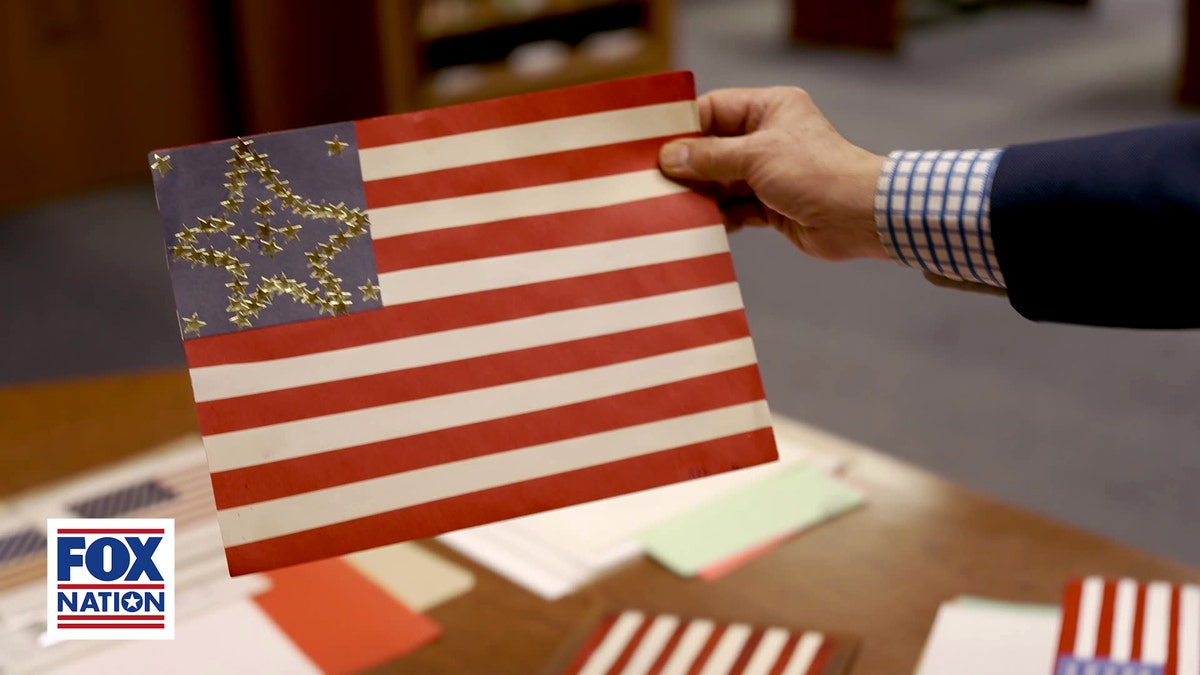
According to Dr. Jim Ginther, the supervisory archivist for the Dwight D. Eisenhower Presidential Library, the administration received more than 1,900 submissions. These ideas came from professional draftsmen, military veterans, foreign citizens, and thousands of school children. The submissions ranged from crude crayon drawings on notebook paper to meticulously sewn fabric prototypes and mathematically precise blueprints.
This historical phenomenon is explored in detail in the premiere episode of the Fox Nation series, Crazy American History with Eric Shawn. The program highlights how a routine bureaucratic update transformed into a massive grassroots movement, revealing the deep, sentimental attachment Americans hold for their national banner.
Chronology: The Road to 50 Stars (1958–1960)
The transition from 48 to 50 stars occurred in distinct legislative and symbolic stages over a two-year period:
July 1958: The Public Deluge Begins
With the impending passage of the Alaska Statehood Act, the public realized that the 48-star flag was officially obsolete. Design submissions began arriving at the White House daily.
January 3, 1959: Alaska Joins the Union
Alaska was officially admitted as the 49th state. President Eisenhower issued Executive Order 10798, which established a temporary 49-star flag featuring seven rows of seven stars. This design would remain official for only one year.
August 21, 1959: Hawaii Achieves Statehood
President Eisenhower signed the proclamation admitting Hawaii as the 50th state. The search for the final 50-star layout intensified, as the administration had to finalize a design that would be both aesthetically balanced and easy to manufacture.
August 21, 1959: Executive Order 10834
On the same day Hawaii was admitted, Eisenhower issued Executive Order 10834, officially defining the proportions and star layout of the new 50-star flag. The design selected featured nine rows of stars alternating between six and five, a layout proposed by multiple citizens, including famously a 17-year-old high school student named Robert G. Heft, who had created the design for a class project.
July 4, 1960: The Official Raising at Fort McHenry
In accordance with federal law, which dictates that new flag designs become official on the Independence Day following a new state’s admission, the 50-star flag was raised for the first time at Fort McHenry National Monument and Historic Shrine in Baltimore, Maryland. This location was highly symbolic, as the British bombardment of the fort during the War of 1812 had inspired Francis Scott Key to write the lyrics to "The Star-Spangled Banner."
Supporting Data: Typology of the Public Submissions
The 1,900-plus designs housed in the Eisenhower Library archives showcase a remarkable diversity of artistic styles, materials, and symbolic layouts.
| Design Category | Common Motifs & Features | Key Submissions & Examples |
|---|---|---|
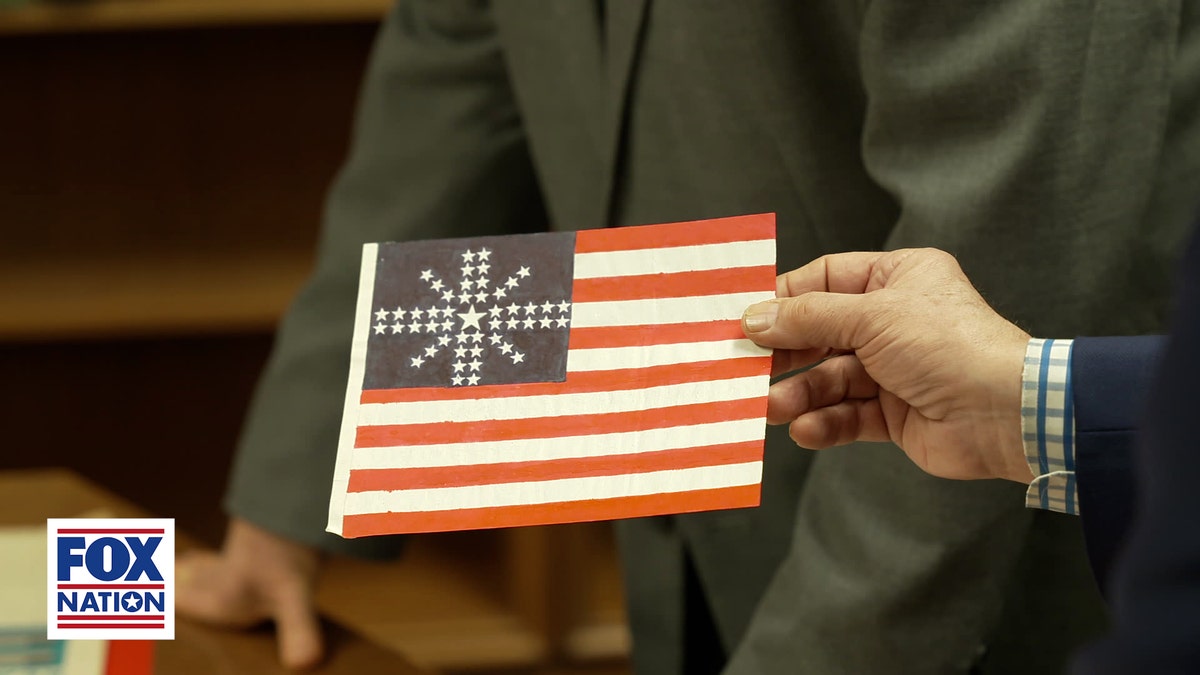
| The Starburst & Celestial | Stars arranged in circular, expanding, or radiating patterns to symbolize growth and the infinite future of the republic. | Submissions featuring 50 stars arranged in a circular "starburst" pattern radiating outward from a central point. |
| The Great Star | Utilizing smaller stars to construct the shape of one massive, five-pointed star inside the blue canton. | A highly popular concept harkening back to the 19th-century "Great Star" flags used during the Civil War era. |
| National Imagery & Icons | Incorporating national symbols directly into the blue field alongside or instead of stars. | Designs featuring a white bald eagle, a map of the United States, or the letters "U.S." surrounded by stars. |
| The Traditional Grid | Symmetrical rows that preserved the block-like aesthetic of the 48-star flag. | Various staggered configurations, including the 6-5-6-5-6-5-6-5-6 pattern that was ultimately chosen by President Eisenhower. |
Materials and Demographics
The submissions were notable not just for their geometry, but for their physical construction. Many proposals were sent by elementary school students as part of classroom assignments organized by My Weekly Reader, a popular national classroom publication. These young citizens utilized crayons, colored pencils, and construction paper.
Conversely, adults submitted professional-grade proposals. Some sent fully realized, hand-sewn cotton and silk flags to demonstrate how the designs would look when flying in the wind. Others sent detailed engineering drawings complete with mathematical formulas calculating the exact distance between the points of each star to ensure perfect visual balance.
Official Responses: A Civic and Educational Campaign
Rather than ignoring the deluge of mail or treating it as a bureaucratic nuisance, the Eisenhower administration viewed the public’s enthusiasm as a unique civic opportunity.
Under Eisenhower’s direction, the White House established a protocol to acknowledge every single submission. Top administration officials sent personalized letters to each contributor, thanking them for their patriotism and creativity.
Furthermore, the federal government turned the selection process into a nationwide educational campaign. Along with the acknowledgment letters, the White House distributed official publications produced by the government detailing:
- The history of the American flag since the Revolutionary War.
- Proper flag etiquette, display rules, and code guidelines.
- The legislative process required for admitting new states.
This massive public relations effort helped educate millions of Americans on the history of their national symbol, turning a design transition into a moment of collective national pride.
Implications: Why the United States Chose Design Continuity
The selection of the final 50-star design reflects a deliberate decision by the Eisenhower administration to prioritize historical continuity over radical innovation.
While the Continental Congress’s original Flag Act of June 14, 1777, established the basic components of the flag—alternating red and white stripes with a blue field representing a "new constellation"—it never specified how the stars should be arranged. This omission historically allowed for creative variations, such as the circular pattern attributed to Betsy Ross.
However, by 1959, the federal government faced three primary constraints that made a radical redesign impractical:
1. The Power of Visual Symbolism
As Dr. Ginther noted, "The flag is symbolic… Radical change in it is going to be difficult. People are used to that symbol." The flag represents the enduring nature of the American republic. A sudden, drastic change to the canton—such as introducing an eagle, a map, or a circular pattern—could have been seen as a break from national tradition rather than an evolution.
2. Economic and Manufacturing Practicality
Replacing millions of flags across government installations, military bases, schools, and private homes was an enormous financial undertaking. A highly complex design, such as an eagle or a starburst pattern, would have been significantly more expensive and difficult to mass-produce using mid-century textile technology. The staggered grid design allowed flag manufacturers to easily adapt their existing machinery.
3. Sentimental Value and Military Tradition
The military had a deep, sentimental connection to the traditional layout of the flag. Generations of American service members had fought and died under the staggered grid of the 48-star flag in World War I, World War II, and the Korean War. The administration concluded that preserving the familiar aesthetic of the flag was a vital way to honor that sacrifice.
Legacy
By choosing a design that seamlessly integrated the two new states into the existing framework, President Eisenhower preserved the visual heritage of the nation.
Today, as the United States approaches its 250th anniversary, the 50-star flag remains the longest-running design in the nation’s history, having flown unchanged for over six decades—a testament to the enduring strength of a design that chose quiet continuity over radical change.