It has been just over a year since KPop Demon Hunters burst onto the global stage, transforming from a highly anticipated cinematic project into an inescapable cultural juggernaut. While many breakout hits fade into the background after their initial streaming window closes, KPop Demon Hunters has defied the typical lifecycle of modern media. Instead of waning, the franchise has solidified its status as a cornerstone of contemporary youth culture, sparking a retail frenzy that shows no signs of cooling down.
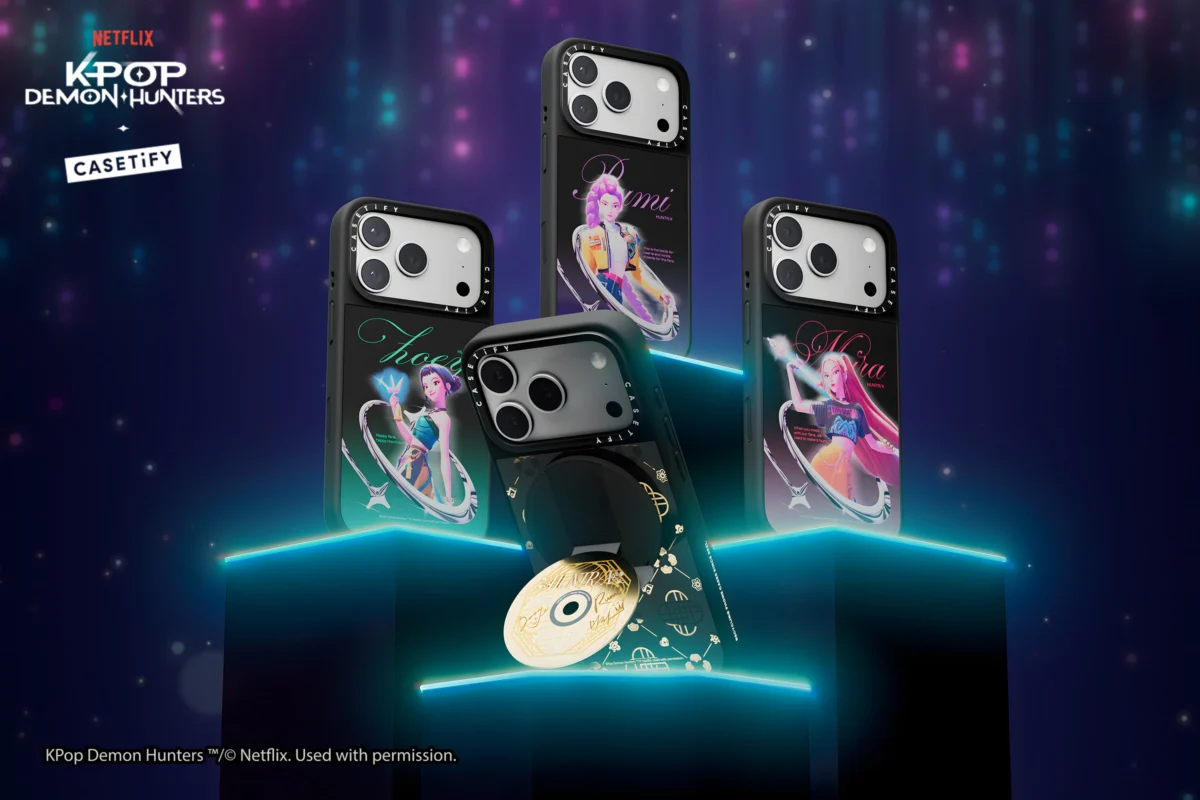
The latest testament to the franchise’s enduring influence is a sprawling new collaboration with Casetify, the titan of the tech-lifestyle accessory industry. By bringing the aesthetic of the fictional group "Huntr/X" to everyday tech essentials, Casetify is tapping into a consumer base that views fandom not just as a pastime, but as a core component of their personal identity.
A Chronology of Global Domination: From Screen to Lifestyle
The trajectory of KPop Demon Hunters is a case study in modern transmedia success. Following its explosive debut last June, the film transcended its medium, effectively becoming a lifestyle brand. The strategy was clear: meet the fans where they are.

Major global brands were quick to recognize the potential. Vans launched a "Golden Shoe" collection that sold out in record time; Lego immortalized iconic characters like Derpy and Sussie Bird in brick form; and even McDonald’s integrated the group’s branding into its promotional meal architecture. Each of these partnerships acted as a bridge, pulling the world of Huntr/X from the screen into the physical lives of millions.
Casetify’s entrance into this ecosystem feels like the natural next step. In an era where a smartphone is the most personal item an individual carries, customizing that device with branding from a beloved franchise is the ultimate signal of loyalty. The collaboration, which hit virtual and physical shelves this month, represents the most comprehensive merchandise line released to date.
The Casetify Collection: Breaking Down the Seven Pillars
The collaboration is not merely a few branded phone cases; it is a meticulously curated collection divided into seven distinct product lines. This segmentation reflects the multifaceted nature of the KPop Demon Hunters universe:

- Huntr/X: The flagship line, focusing on the core identity and logos of the group.
- Chromic: A high-gloss, futuristic aesthetic line inspired by the film’s visual effects.
- Saja Boys: A thematic line dedicated to the film’s supporting cast of rivals and allies.
- Derpy Tiger & Sussie Bird: A fan-favorite line focusing on the most iconic character dynamics.
- Blind Box Gamified Collectibles: A nod to the "gacha" culture prevalent in K-pop fandoms, adding an element of surprise and collectibility.
- Inspirational Pieces: Aesthetic accessories featuring iconic quotes and lyrics from the film’s soundtrack.
- Essential Tech: A utility-focused range including wireless chargers, watch bands, and lens protectors.
With price points ranging from $25 to $105, the collection is designed to be accessible to the casual fan while offering high-end, premium options for the dedicated "super-collector." The products are currently available on Casetify’s global website and at their flagship "Casetify Studio" locations worldwide, with the notable exception of China, where local licensing arrangements remain under separate negotiations.
Supporting Data: Why "KPop Demon Hunters" Remains Untouchable
Market analysts have struggled to categorize the longevity of the KPop Demon Hunters hype. Traditional film marketing relies on a "blitz" strategy—heavy promotion in the four weeks leading up to release, followed by a steady decline. KPop Demon Hunters flipped this script by decentralizing the brand.
By partnering with companies that dominate different sectors—fashion (Vans), toys (Lego), food (McDonalds), and now tech (Casetify)—the franchise has managed to maintain a constant "top-of-mind" awareness. Data from social listening platforms suggests that mentions of the film on platforms like X (formerly Twitter) and TikTok have remained consistent for 14 consecutive months, a feat rarely achieved by non-franchise films.

Furthermore, the "gamification" of the merchandise—specifically the Blind Box collection—taps into the psychological reward loops that drive the modern collectible market. Fans are not just buying a product; they are participating in a global scavenger hunt, trading duplicates and sharing their "pulls" online. This creates a self-sustaining ecosystem of engagement that keeps the brand relevant without the need for constant, expensive advertising campaigns.
Official Responses and the Road to 2029
The momentum is set to accelerate, not taper. In March of this year, Netflix and Sony officially confirmed that a sequel is in active development, with a target release date of 2029. Writers and directors Maggie Kang and Chris Appelhans have been tapped to return, ensuring that the creative soul of the project remains intact.
"The goal is to expand the world while staying true to the emotional core that resonated with fans in the first film," a representative for the production team stated in a recent press release.

But fans won’t have to wait until 2029 for their next fix. The "KPop Demon Hunters" experience is currently being built into the upcoming "Netflix House" immersive locations in Dallas and Philadelphia. These venues promise to be more than just exhibitions; they are intended to be interactive environments where fans can live, breathe, and even train within the world of their favorite demon-hunting idols.
Additionally, a global concert tour is currently in the advanced stages of planning. While specific dates and venues remain under wraps due to high demand for venue availability, industry insiders suggest that the tour will be one of the most technologically ambitious live experiences ever attempted, blending holographic projection with live performance.
Implications for the Entertainment Industry
The KPop Demon Hunters phenomenon serves as a warning and a template for the entertainment industry at large. The era of the "siloed" movie—where a film exists only within its runtime—is effectively over. Audiences today demand a 360-degree experience. They want to wear the brand, use the tech, eat the food, and participate in the community surrounding the content.

The success of the Casetify collaboration is a microcosm of this shift. It proves that when brands align with the specific visual languages and emotional triggers of a fandom, they cease to be "merchandise" and become "cultural artifacts."
As we look toward the 2029 sequel, the bar has been set incredibly high. The team behind KPop Demon Hunters has successfully proven that if you treat your audience as active participants rather than passive consumers, you can sustain a cultural moment indefinitely. Whether it is through a phone case or a global concert, the world of Huntr/X is no longer a temporary escape—it is a permanent destination.
For fans looking to secure their piece of this history, the Casetify collection is currently available for purchase online. As the brand continues to dominate every facet of the retail landscape, one thing is certain: the hunt is far from over.