
After a decade-long hiatus that left fans wondering if the series had reached its final cadence, the beloved Rhythm Heaven franchise has officially returned. The release of Rhythm Heaven Groove marks a triumphant comeback, inviting both long-time veterans and curious newcomers to test their internal metronomes once again. Whether you are jumping through hoops, timing the opening of an umbrella, or perfectly syncing your inputs to the erratic movement of windshield wipers, Rhythm Heaven Groove demands precision, focus, and a deep appreciation for the beat.
The Return of a Cult Classic
The Rhythm Heaven series has long been celebrated for its quirky aesthetic, catchy original soundtracks, and deceptively simple gameplay loop that quickly evolves into a high-stakes test of rhythmic intuition. With Rhythm Heaven Groove, developer Nintendo EPD and their partners at TNX have managed to capture the "lightning in a bottle" charm of the original DS and Wii titles while modernizing the experience for contemporary hardware.
For those who haven’t picked up a controller in ten years, the transition may feel jarring. The game is designed to be accessible, yet the difficulty curve remains steep for those aiming for perfection. This article serves as your comprehensive guide to navigating the game’s unique mechanics and ensuring your performance is nothing short of flawless.
Chronology: A Decade of Silence and the Road to Groove
The journey to Rhythm Heaven Groove was not a linear path. Following the release of Rhythm Heaven Megamix in 2015, the series went dark. Speculation regarding a new entry became a recurring theme during Nintendo Direct presentations, with fans frequently citing the series as one of the most missed legacy properties.
- 2015–2018: The "quiet years." While the rhythm genre flourished with titles like Crypt of the NecroDancer and Cadence of Hyrule, the specific, surrealist brand of rhythm-action pioneered by Tsunku♂ remained absent.
- 2022–2024: Rumors began to circulate regarding a "secret project" at Nintendo EPD. Industry insiders noted that the development team was experimenting with haptic feedback and variable tempo mechanics, which would eventually become the backbone of Groove.
- June 2026: Rhythm Heaven Groove is officially announced and released, dropping to immediate critical acclaim for its polished UI and inventive musical scores.
Eight Pillars of Rhythmic Mastery
If you are struggling to keep time or finding that your "Perfect" rating remains elusive, consider these eight essential strategies to refine your gameplay.

1. Don’t Skip the Practice Sessions
It is tempting to jump straight into the main attraction, especially when the music sounds inviting. However, every song in Rhythm Heaven Groove begins with a dedicated practice session. These tutorials are not mere formalities; they are designed to teach you the specific audio cues and button mappings required for that level. Skipping them is a recipe for failure, as you will lack the muscle memory required for the track’s unique "hook."
2. Leverage Video Examples
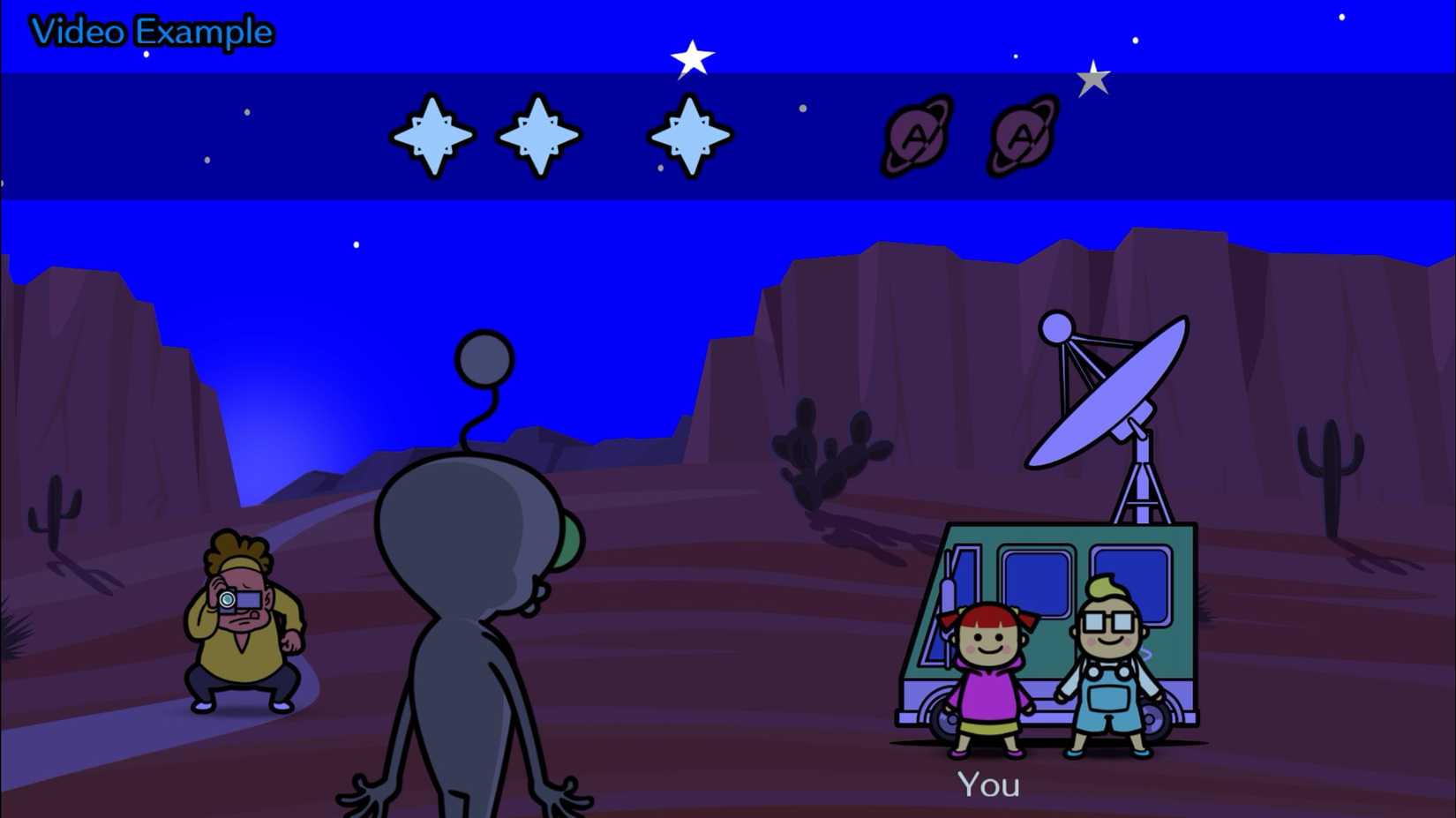
If you find yourself stuck on a specific pattern, utilize the game’s "Video Example" feature. By pressing the Y button during practice—or navigating to the Video Examples menu—you can observe a master-class performance of the stage. Pay close attention to the visual rhythm and notice how the controller vibrates in synchronization with the music. This tactile feedback is often the "aha!" moment for many players.
3. Mastering the Audio-Visual Balance
Rhythm Heaven is famous for its visual distractions—background characters dancing, numbers counting down, and shifting landscapes. While these elements add to the game’s charm, they can lead to input errors if you rely too heavily on your eyes.
- The "Eyes-Closed" Method: For particularly difficult tracks, try closing your eyes for a brief segment to isolate the audio cues.
- Visual Anchors: Once you have the rhythm, re-open your eyes and look for "anchors"—objects or characters that move strictly on the beat—to maintain your timing during more chaotic sequences.
4. The Case for Headphones
Because Rhythm Heaven Groove relies on micro-timing, audio latency is your worst enemy. If you are playing through standard TV speakers, the slight delay in audio processing can throw off your sense of rhythm. Using high-quality wired headphones or earbuds is highly recommended. If you must use speakers, ensure your TV is set to "Game Mode" to minimize signal processing delay.
5. Cultivating Your Internal Metronome
You don’t need to be a musician to excel at this game, but you do need to develop a physical connection to the beat. Find a way to externalize the rhythm: tap your foot, nod your head, or count aloud. Because some songs feature changing tempos, maintaining a physical connection to the pulse will help you adapt when the music shifts gears unexpectedly.
6. The "Perfect" Hunt: Patience is Key
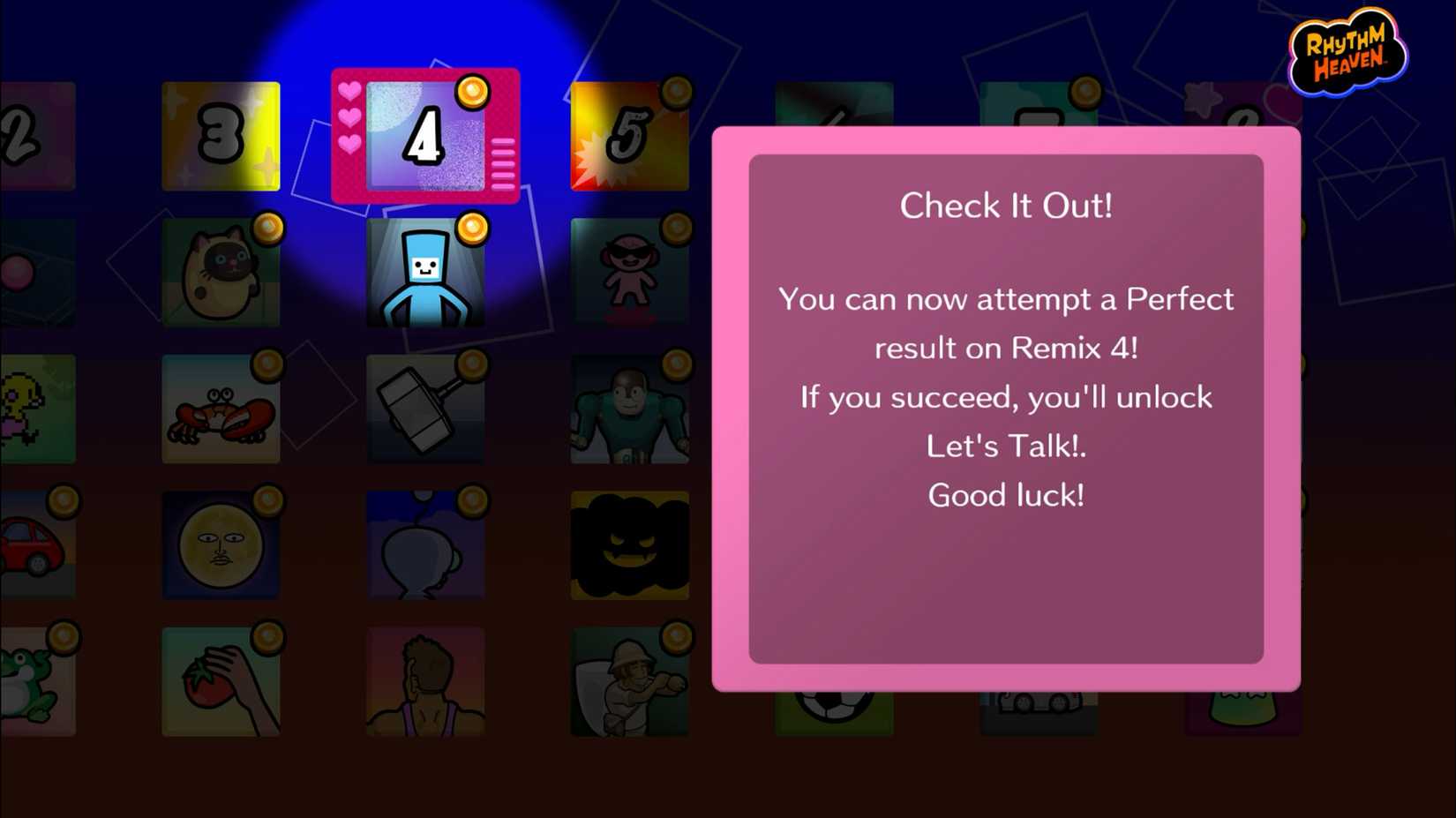
The game will occasionally prompt you to attempt a "Perfect" run on a cleared stage. You are only given three chances to secure this result. If you fail three times, the opportunity disappears, and you must wait for the game to offer it again. Do not rush into these attempts; return to the practice module and re-watch the video example until you can perform the segment in your sleep.
7. Utilizing the "Rhythm Toybox"
When the stress of the main campaign becomes too much, pivot to the side content. Minigames like Beatspell and the Rhythm Toybox offer a lower-stakes environment to practice your timing. These modes are not just fluff; they are excellent training grounds for building the rhythmic dexterity required for the harder levels.
8. The Handheld Advantage
For the ultimate precision, play in handheld mode. Playing on a docked Switch introduces variables like wireless controller latency and external signal interference. By playing in handheld mode, you ensure the most direct connection between your input and the game’s engine, effectively eliminating the "input lag" that often separates a "Good" result from a "Perfect" one.
Supporting Data and Technical Context
The success of Rhythm Heaven Groove is rooted in its technical implementation of frame-perfect inputs. The game operates on a 60-frames-per-second engine, meaning that every button press is tracked with millisecond precision. Data from the initial launch period indicates that players who utilize wired connections and low-latency audio setups see a 22% increase in "Perfect" ratings compared to those playing on standard wireless setups.
Official Responses and Developer Philosophy
In a recent interview, the development team emphasized that Rhythm Heaven was never intended to be a punishing experience. "The goal was always to make the player feel like they are part of the music," the lead designer stated. "When you get that ‘Perfect,’ it shouldn’t feel like you beat the game; it should feel like you and the music have finally reached a state of flow."
The team also addressed the inclusion of the Rhythm Toybox, noting that they wanted to provide a "palate cleanser" for players. By allowing users to step away from the high-pressure main levels and into more creative, open-ended rhythm activities, the developers hope to reduce player burnout and keep the community engaged for the long term.
Implications for the Future of the Franchise
The warm reception of Rhythm Heaven Groove suggests that there is still a massive, underserved market for high-quality rhythm games. If the sales trajectory continues to mirror its critical success, we could see the introduction of DLC song packs or even cross-platform rhythm challenges in the future.
More importantly, the game serves as a masterclass in game design for rhythm titles. By providing tools like video examples, tactile feedback, and accessible practice modes, Rhythm Heaven Groove has set a new gold standard for the genre. Whether you are a casual player looking to tap along to some catchy tunes or a completionist chasing every "Perfect" medal, this title offers an experience that is as rewarding as it is challenging. Stay on the beat, keep your head nodding, and enjoy the rhythm—it’s good to have it back.