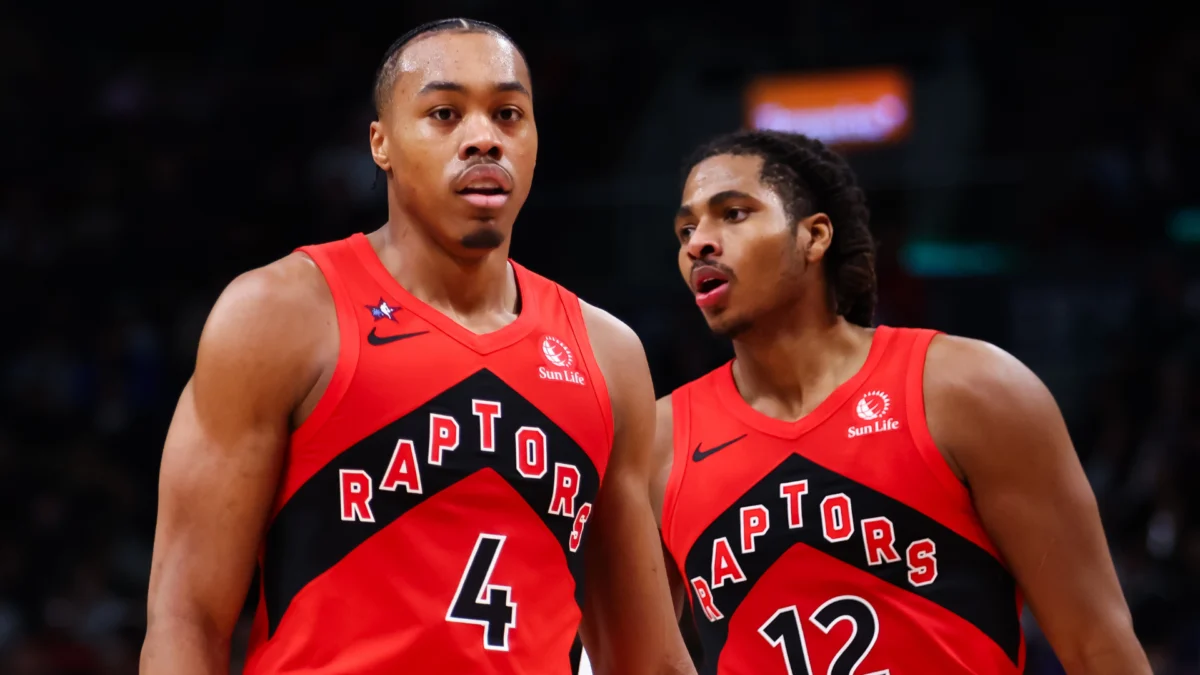
The NBA’s annual free-agency period is typically defined by a chaotic, 48-hour sprint that reshapes the league’s hierarchy before the dust even settles. However, the 2026 cycle has defied conventional wisdom. Instead of the usual frantic flurry, this summer has opened with a deliberate, tense, and methodical pace, largely dictated by the most significant domino in professional basketball: the free agency of LeBron James.
As of late June 2026, the league finds itself in a holding pattern. With the "King" officially parting ways with the Los Angeles Lakers after an illustrious eight-year run, the entire competitive landscape is shifting. Simultaneously, blockbuster trades—most notably the return of Kawhi Leonard to the Toronto Raptors—have injected volatility into the market, forcing front offices to recalibrate their strategies on the fly.
The Departure of an Icon: LeBron James and the Lakers
The headline that stopped the league in its tracks arrived hours before the official opening of the market: LeBron James would not be re-signing with the Los Angeles Lakers. The decision signals the end of a transformative era in Los Angeles, one that saw the franchise reclaim its championship pedigree.
In a poignant social media farewell, James acknowledged his time in purple and gold: "Truly an honor to wear the [purple and gold] while trying to continue the greatness & legacies that came before me! Hope I made a few proud during my stint."
While the Lakers pivot toward a future anchored by Luka Doncic and Austin Reaves, the immediate reality is a painful one. At 41 years old and entering his 24th season, James remains an anomaly of longevity. Posting averages of 20.9 points, 6.1 rebounds, and 7.2 assists per game last season, he remains a top-25 player globally. Beyond the box score, the Lakers must now grapple with the loss of the league’s premier economic and cultural engine. The "Lakers brand" will undoubtedly feel the void left by the most recognizable athlete on the planet.
The Sweepstakes: Where Will the King Land?
The uncertainty surrounding James’ next destination has essentially paralyzed the rest of the market. Agent Rich Paul, speaking to The Athletic, offered insight into the deliberation process: "LeBron knows the Lakers are building for the future, and he also wants to compete for championships… We do want to evaluate what’s best for LeBron at this stage in his life and career."
The rumors are as diverse as they are compelling:
- The Golden State Warriors: A potential union with Stephen Curry and Draymond Green represents the "super-team" narrative that continues to captivate the NBA world.
- The Cleveland Cavaliers: A return home to pair with Donovan Mitchell and Evan Mobley offers a storybook ending, though salary cap hurdles remain significant.
- The Miami Heat: Rejoining forces with Giannis Antetokounmpo and Bam Adebayo would create arguably the most intimidating frontcourt in the modern era.
- The Minnesota Timberwolves: A wildcard entry, the prospect of James facilitating for Anthony Edwards and LaMelo Ball has league insiders whispering about a shift in power to the Twin Cities.
Chronology of a Busy Tuesday
While the LeBron saga remains the primary focus, Tuesday saw a wave of activity that effectively sorted the league’s winners and losers.
The Toronto Raptors: A Calculated Gamble
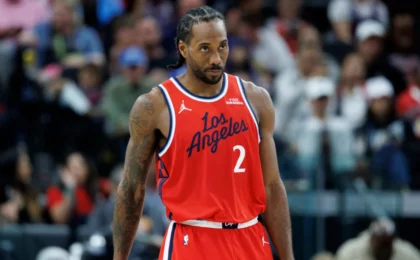
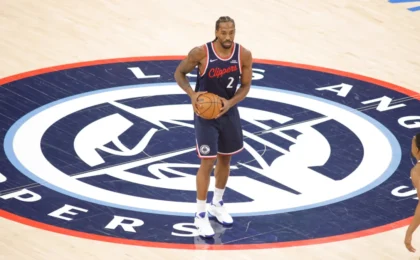
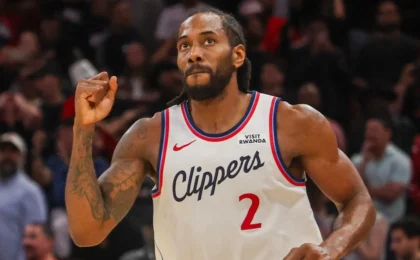
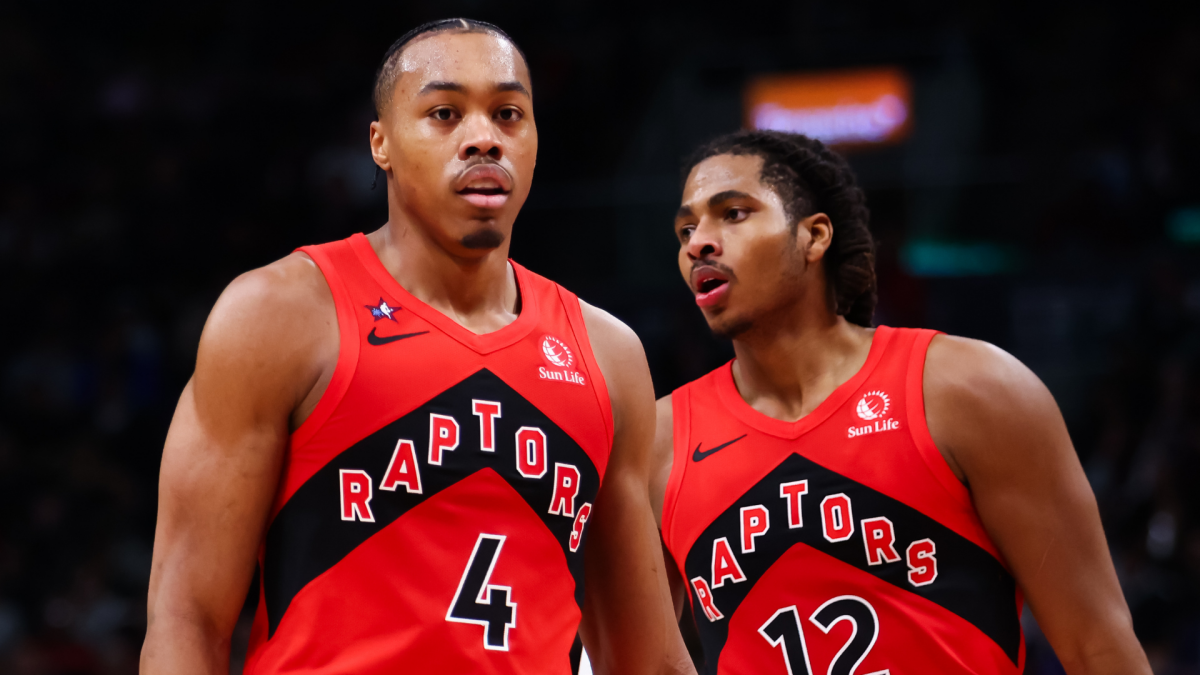
In a move that caught many off guard, the Toronto Raptors reacquired Kawhi Leonard. Given that Leonard led the Raptors to a title during his previous tenure, the move carries massive psychological weight. While Toronto faces stiff competition from the defending champion New York Knicks, the front office is clearly betting on Leonard’s ability to elevate a roster that already boasts Scottie Barnes and a deep stable of defensive specialists like Collin Murray-Boyles and Ja’Kobe Walter. The cost—two future first-round picks—is steep, but in a league defined by championship windows, Toronto has decided to kick theirs wide open.
The Clippers’ Franchise Pivot
Conversely, the Los Angeles Clippers are being hailed for their masterclass in asset management. By moving on from the Leonard era, which failed to yield a ring, they have successfully retooled their future. By acquiring Darius Garland, rookie sensation Keaton Wagler, and a treasure trove of draft capital, the Clippers have transformed a "bleak" outlook into a path toward sustainable contention. It is a rare example of a team admitting their window has closed to ensure a new one opens sooner than expected.
Supporting Data and Market Trends
The current market is bifurcated between teams desperate for immediate help and those clinging to cap flexibility. The Miami Heat, for instance, are walking a tightrope. After trading for Giannis Antetokounmpo, their roster depth has evaporated. Their decision to prioritize long-term flexibility—as seen in the structure of Andrew Wiggins’ new contract—stands in stark contrast to their "win-now" acquisition of a superstar. With Antetokounmpo at age 31 and facing ongoing durability concerns, the pressure on Miami to fill their bench is mounting.
Meanwhile, the "Big Man" market has seen an interesting surge. Despite injury concerns, Kristaps Porzingis (Warriors) and Robert Williams III (Blazers) secured significant multi-year deals. This trend underscores a league-wide desperation for rim protection and floor-spacing, even at the cost of high financial risk.
The Plight of Jalen Duren
Not everyone is finding the free-agency process lucrative. Jalen Duren, coming off an All-NBA Third Team season, finds himself in a precarious position. After a disappointing postseason where he struggled to maintain his momentum, Duren is locked in a contract standoff with the Detroit Pistons. Despite his desire to explore sign-and-trade options with teams like the Lakers or Kings, the Pistons hold all the cards. This serves as a cautionary tale of how quickly leverage can evaporate in the NBA when playoff performance fails to match regular-season production.
Official Responses and Implications
The league office is closely monitoring the "LeBron Effect," as teams wait for the King’s decision before committing their remaining cap space. Financial analysts note that the 2026 salary cap environment is more rigid than in previous years, forcing teams to be surgical with their spending.
"It’s not just about the contract," says one anonymous front-office executive. "It’s about the ripple effect. When a player of LeBron’s caliber moves, it changes the tax status of every team involved. We are seeing a shift where teams are being forced to choose between the ‘superstar-or-bust’ model and the ‘depth-first’ approach."
Looking Ahead
The implications of this summer will be felt for the next half-decade. If LeBron chooses a team like Minnesota or Golden State, the balance of power will tilt heavily toward the Western Conference. If he opts for a return to the East, the parity that the NBA has worked so hard to cultivate will be tested once more.
As the days turn into weeks, the focus will remain on the league’s remaining free agents. With the Raptors and Clippers having already made their primary moves, the mid-tier market is expected to open up. However, until the King wears his new colors, the rest of the league remains in a state of anticipatory silence. The 2026 free agency period may have started slowly, but it is shaping up to be the most consequential summer in recent history.