What if a single six-minute pitch could act as the fulcrum for an entire company’s trajectory? For most founders, the dream of global scale is tempered by the reality of geographic isolation. For Australian startups, the "tyranny of distance" has historically been a significant barrier to securing the venture capital, partnerships, and market validation required to compete on the world stage.
However, history suggests that when the right eyes are watching, the distance shrinks. The last time TechCrunch brought its legendary Startup Battlefield to Sydney, the event didn’t just provide a platform; it acted as a catalyst for a collective $85 million in funding for its top performers. Now, as the countdown to August 19, 2026, begins, the Australian tech ecosystem is bracing for a return of the event—and the stakes have never been higher.
The Power of the Platform: A Retrospective
To understand the significance of the upcoming event, one must look at the legacy left by its predecessor. In 2017, the Australian startup scene was hungry for global validation.
The HealthMatch Breakthrough
Manuri Gunawardena, then a final-year medical student, stepped onto the Startup Battlefield Australia stage with a vision to revolutionize how clinical trials are conducted. Her company, HealthMatch, utilized machine learning to bridge the gap between patients and life-saving medical research. She won the competition, and the result was transformative.
Following her victory, HealthMatch didn’t just survive; it thrived. The company has since raised over $25 million in capital, successfully expanded into the hyper-competitive United States market, and provided access to clinical trials for over 1 million patients worldwide. For Gunawardena, the Battlefield wasn’t just a competition—it was the global seal of approval that opened doors to tier-one investors and international partnerships.
From FluroSat to Global Scale
The runner-up of that same 2017 event, FluroSat, serves as a masterclass in leveraging momentum. The company utilized the immense exposure of the TechCrunch stage to secure a strategic seed round from Microsoft. This initial success provided the runway necessary for a pivot and evolution, ultimately leading to their integration into Regrow Agriculture.
Today, Regrow is a juggernaut in the agricultural technology sector, having raised more than $60 million. Their list of backers reads like a who’s who of global finance and industry: Microsoft, Airtree, and Cargill. The journey from a Sydney stage to a global industry leader exemplifies the "Battlefield Effect"—the ability to take a localized innovation and scale it into a global enterprise.
The Anatomy of the 2026 Competition
On August 19, 2026, TechCrunch, in partnership with Stripe, will return to Sydney to host a new iteration of the Startup Battlefield. This year’s event is designed not merely as a showcase, but as an aggressive acceleration program for the continent’s most promising founders.
The Selection Process and Stakes
The competition is rigorous by design. Eight startups will be hand-selected to pitch live at the Stripe Tour Sydney. These founders will stand before a gauntlet of top-tier global investors, influential journalists, and the elite of the Australian tech community.
The incentives are structured to provide immediate, tangible utility:
- The Financial Buffer: The top three finalists will receive up to $15,000 in Stripe fee credits, a significant resource for early-stage companies managing their burn rates.
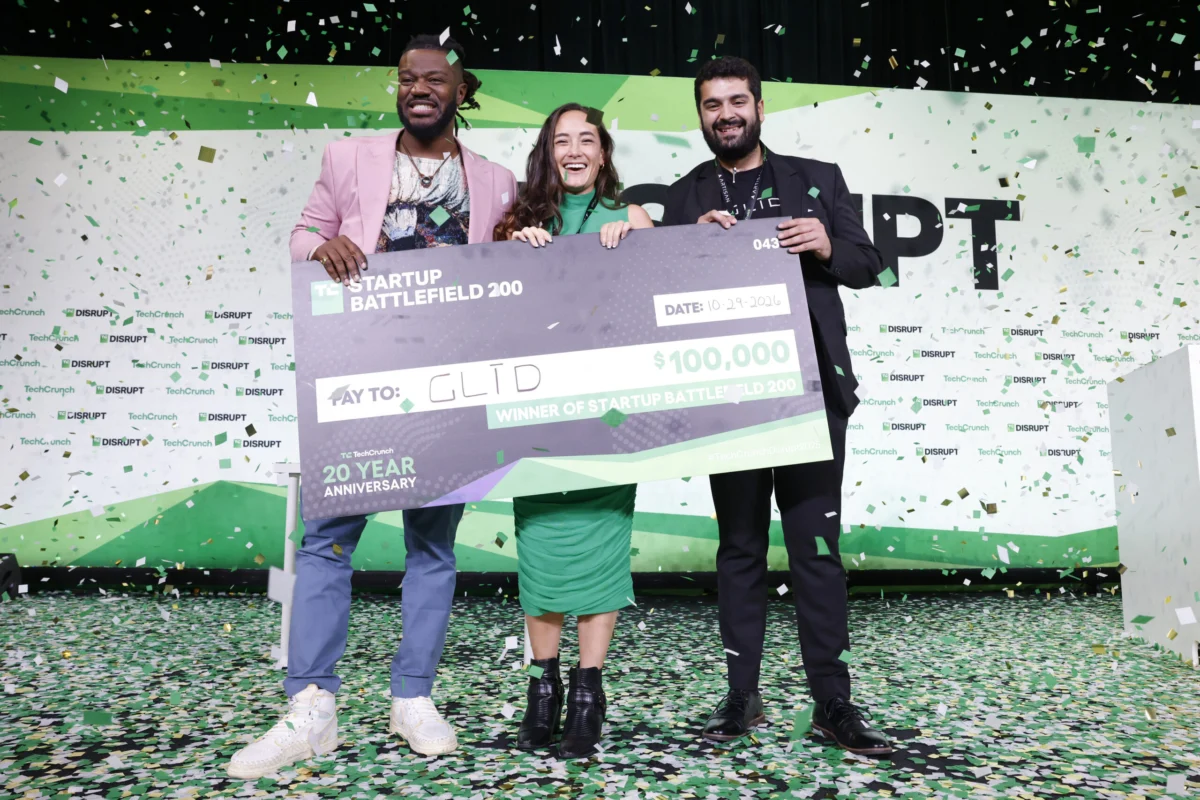
- The Golden Ticket: The grand winner secures an automatic, no-application-required entry into the "Startup Battlefield 200" at TechCrunch Disrupt in San Francisco this October. This is the ultimate prize—a guaranteed slot on the world’s most iconic startup stage, bypassing the thousands of applicants who compete for a spot every year.
The Economic Implications for the Australian Ecosystem
The return of Startup Battlefield to Sydney comes at a pivotal moment for the Australian economy. As the country looks to diversify away from its traditional reliance on commodities, the technology sector has emerged as the most viable engine for long-term growth.
Bridging the Pacific Gap
For years, the primary complaint from Australian founders was the lack of access to Silicon Valley-grade capital and mentorship. By bringing the Battlefield to Sydney, TechCrunch is effectively bringing the "valley" to the founders.
This event is not just for the eight finalists; it is a signal to the global VC community that the Australian pipeline is robust. When investors see a curated group of eight high-potential startups pitched in a high-pressure environment, it reduces the "discovery cost" for foreign capital. This, in turn, can lead to larger series rounds and more M&A activity for Australian firms.
The Role of Stripe as a Partner
The partnership with Stripe is a strategic masterstroke. As a global financial infrastructure company, Stripe provides the pipes through which the modern internet economy flows. By embedding themselves in the Sydney startup ecosystem, they are not only supporting the next generation of founders but are also positioning themselves as the primary financial layer for Australian companies looking to scale internationally.
A Message from the Frontlines: Isabelle Johannessen
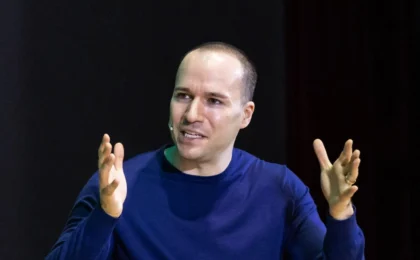
Behind every great competition is a curator who understands the nuance of the craft. Isabelle Johannessen, who leads Startup Battlefield at TechCrunch, is the architect behind the selection process. With a background in designing international acceleration programs across Japan, Korea, Italy, and Spain, Johannessen brings a cross-cultural perspective to her work.
"The next company that nobody has heard of yet is building something that will matter," Johannessen notes. Her role involves scouting founders across 99+ countries, a task that requires both a keen eye for disruptive innovation and an understanding of what makes a narrative "pitchable."
Johannessen’s methodology is rooted in a blend of strategic rigor and storytelling. Having trained founders for the Disrupt stage, she emphasizes that the winning pitch is rarely just about the technology; it is about the "why." She bridges the gap between the technical product and the emotional and economic necessity of the solution, helping founders craft a narrative that can capture the imagination of investors, even when the market is crowded.
The Countdown: Final Call for Applicants
The deadline for applications is July 6. For founders considering an application, the value proposition is clear:
- Zero Equity: Unlike many accelerators that demand a stake in your company for participation, TechCrunch takes no equity.
- Global Visibility: The exposure to TechCrunch’s readership—which includes almost every major VC and tech executive in the world—is an unparalleled marketing asset.
- The "Disrupt" Pipeline: A win in Sydney is a direct path to the world stage in San Francisco, providing a global launching pad that would otherwise take years to build.
Conclusion: The "What If" Factor
The history of Startup Battlefield is written in the stories of companies that were once obscure ideas. HealthMatch and FluroSat are not outliers; they are the standard. They prove that when you put the right founders in front of the right audience at the right time, the results are explosive.
As the tech world turns its eyes to Sydney this August, the message to Australian founders is simple: the opportunity to change the trajectory of your business is here. Whether it results in $85 million raised or the creation of a global industry leader, the journey begins with a single application.
The deadline is approaching, and the stage is set. The question is no longer "what if," but "are you ready?"
For founders seeking to apply, applications close on July 6. The event will take place in-person in Sydney, Australia, on August 19, 2026. Participation is free and no equity is taken from participating startups.