For as long as home cooks have been boiling water, they have been locked in a cold war with the humble egg. The task—peeling a hard-boiled egg—is deceptively simple, yet it remains one of the most polarizing and frustrating endeavors in the culinary world. It is a kitchen rite of passage that frequently ends in mangled whites, pockmarked surfaces, and the quiet resignation of someone who will have to present a less-than-perfect appetizer to their dinner guests.
However, after years of anecdotal advice, old wives’ tales, and conflicting internet tutorials, a definitive, evidence-based solution has emerged. By shifting our perspective from the boiling of the egg to the peeling of the egg, we can finally achieve the elusive, pristine finish that every chef craves.
The Anatomy of the Debate
The discourse surrounding hard-boiled eggs is vast and often contradictory. If you step into any culinary forum or break-room kitchen, you will be met with a deluge of "solutions." Some insist that adding a splash of vinegar to the boiling water is the key, while others swear by a pinch of baking soda to alter the pH levels of the egg white.
There are proponents of the "ice bath" school of thought, which mandates an immediate transfer from boiling water to an icy plunge to shock the egg, supposedly causing the contents to contract and pull away from the shell. Then there are the strategists: those who argue for using older eggs (which have a higher pH, making them easier to peel) versus those who insist on fresh ones. We have seen methods involving rolling the egg on the counter to shatter the shell, using specialized plastic "shaker" containers, and even the controversial "blow-out" method, where one blows the egg out of the shell with lung power.
Why is there so much disagreement? The answer lies in the complexity of the egg itself. Factors such as the freshness of the egg, the altitude at which it is cooked, the temperature of the water at the start of the boil, and the cooling process all play a role. Because there are so many variables, home cooks often attribute their success to the wrong step, leading to the perpetuation of ineffective myths.
The "Crack-and-Submerge" Method: A Controlled Study
To cut through the noise, the team at Tasting Table conducted a series of comparative experiments to see which methods actually delivered consistent results. The findings were clear: the most effective, repeatable, and low-effort technique is the "crack-and-submerge" method.
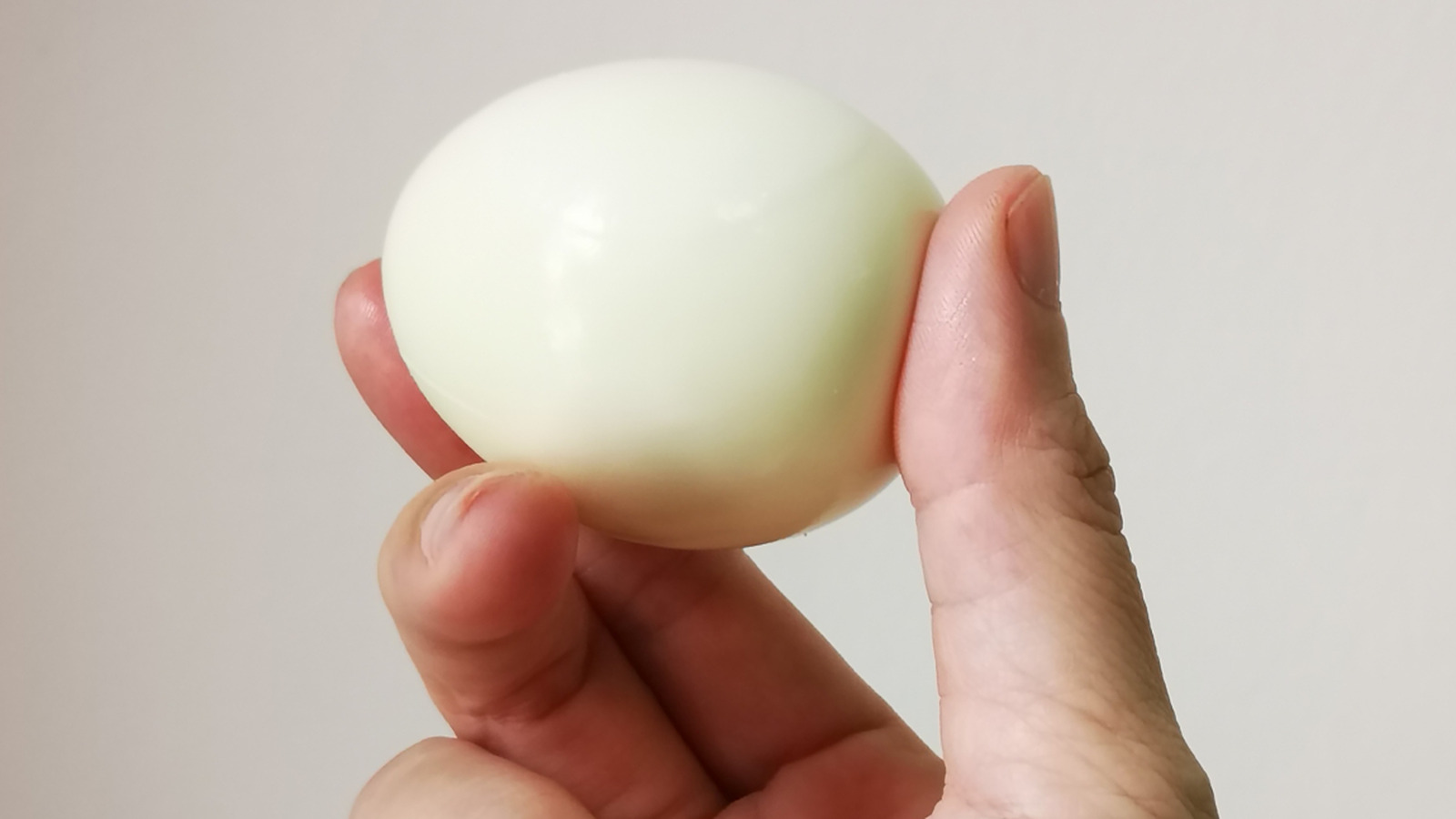
The process is remarkably straightforward:
- Prepare the Station: Once your eggs have finished cooking, prepare a bowl of cool, clean water.
- The Initial Crack: Using the bottom of the bowl as a firm surface, gently crack one end of the egg.
- The Submersion: Immediately place the cracked egg into the cool water.
- The Peel: Keeping the egg submerged, begin to peel away the shell.
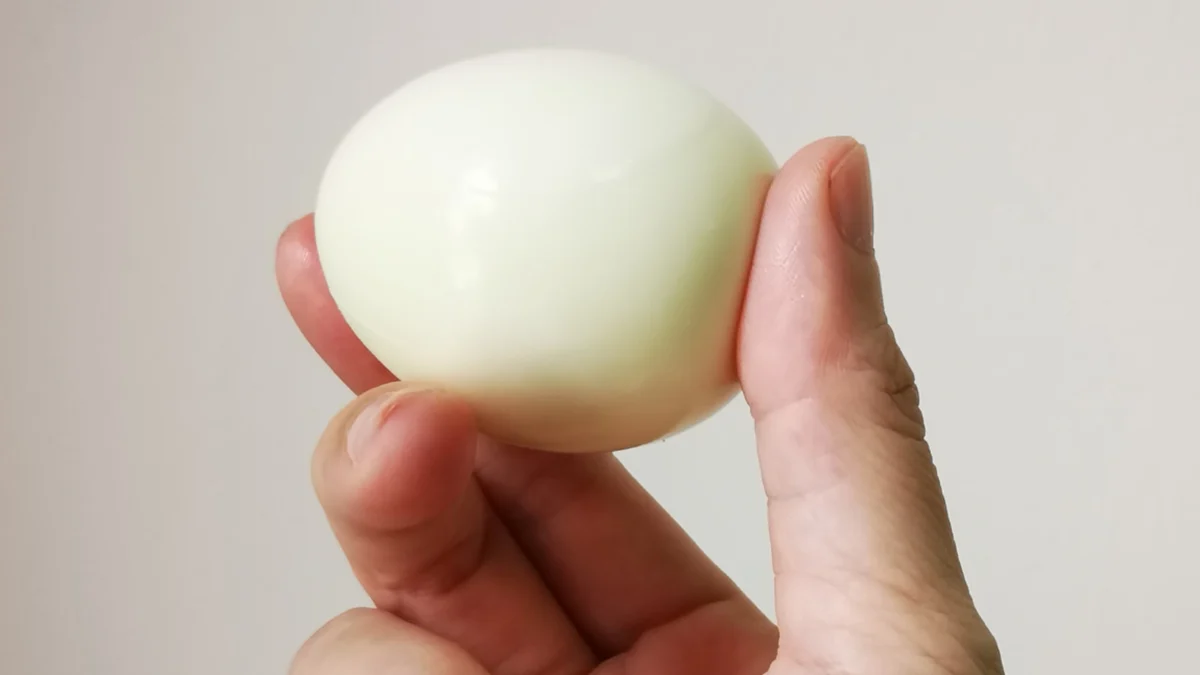
In our trials, this method consistently outperformed the "dry" peeling technique. The shell didn’t just come off; it sloughed away, leaving the egg white smooth and intact. There were no unsightly craters, no shredded whites, and, most importantly, no frustration.
The Science of Separation: Why It Works
To understand why this method succeeds where others fail, one must look at the structural biology of an egg. Between the hard, calcified shell and the cooked egg white sits a delicate membrane. This membrane is the key to a clean peel.
When you crack an egg and attempt to peel it in the air, you are fighting against the physical bond between that membrane and the white. However, when you crack the shell while the egg is submerged in water, the liquid serves as a lubricant and a mechanical agent.
The water enters the tiny fissures created by the crack. Because of the pressure differential, the water seeps between the shell and the membrane, effectively "lubricating" the gap. This layer of water physically separates the shell from the white, allowing you to peel back the shell in larger, more uniform pieces. It turns the process from a battle of friction into a fluid, frictionless slide.
Implications for Home and Professional Kitchens
This discovery has significant implications for anyone who prepares eggs in bulk. Whether you are a catering professional tasked with prepping six dozen deviled eggs for an event or a home cook trying to prepare a quick batch of protein-rich snacks for the week, the "crack-and-submerge" method offers a predictable outcome.
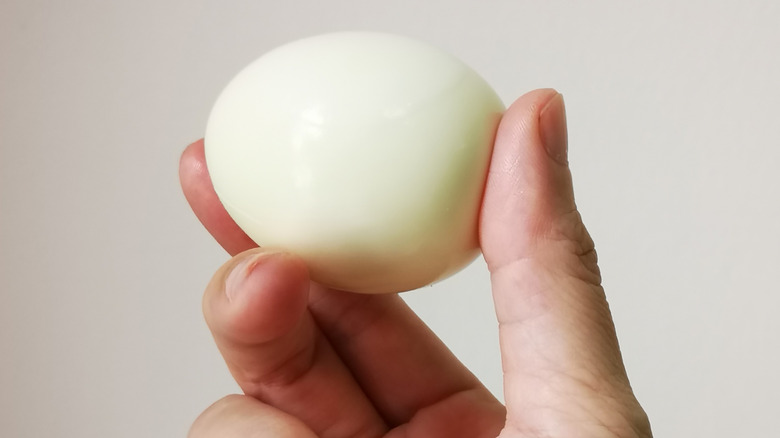
By removing the uncertainty from the process, we remove the "peel-anxiety" that often prevents people from experimenting with more complex egg recipes. Imagine a world where crafting a platter of beautifully presented, perfectly smooth deviled eggs is a source of joy rather than a source of stress. This is the promise of a refined, scientifically-backed technique.
Addressing the "Old Wives’ Tales"
It is important to address why so many other methods have gained traction. Many of the "hacks" mentioned earlier are not entirely wrong; they are simply incomplete.
- Vinegar and Baking Soda: These aim to influence the permeability of the shell. While they may have minor effects on the shell’s mineral structure, they do nothing to address the structural bond of the membrane, which is the primary cause of sticking.
- The Ice Bath: The ice bath is actually a useful tool, but not for the reasons people think. The rapid cooling does help stop the cooking process, preventing the dreaded green ring around the yolk, but it doesn’t guarantee a clean peel on its own. It is a useful adjunct to the crack-and-submerge method, but it is not a replacement for it.
- Altitude: At higher altitudes, the boiling point of water is lower, which changes the chemistry of how the proteins in the egg set. If you live at a high elevation, you have likely struggled more than the average person. This new method helps mitigate those environmental disadvantages by bypassing the shell-to-membrane bond entirely.
A Call for Simplicity
In an era where kitchen gadgets promise to revolutionize our cooking with complex, single-purpose tools—from egg timers that change color to specialized boiling baskets—there is a refreshing simplicity to the crack-and-submerge method.
It requires no additional equipment. You do not need to buy a special "peeling device" or a proprietary chemical additive. You need a bowl, some water, and an egg. It is a reminder that the best solutions in the kitchen are often found not by adding more complexity, but by understanding the basic physical laws at play.
Final Recommendations for the Perfect Peel
As we move forward, we suggest adopting this method as the standard protocol for your kitchen:
- Don’t overcomplicate the boil: Focus on your preferred cooking time to achieve the desired yolk consistency, but don’t obsess over additives like vinegar or salt.
- The Cooling Phase: Let the eggs sit in a cold water bath for at least 10 minutes to stabilize the structure.
- The Submersion is Non-Negotiable: Always move to a bowl of cool water before making your initial crack.
- Patience is a Virtue: Even with this superior technique, take your time. Allow the water to work its way under the membrane. If you see the shell catching, re-submerge the egg and let it sit for a few seconds to allow the water to seep further into the gaps.
By adopting these simple, evidence-based practices, you can effectively "future-proof" your kitchen against the frustration of the stubborn shell. The next time you find yourself staring down a bowl of freshly boiled eggs, remember: the battle has already been won. Simply reach for the water, crack, and enjoy the ease of a perfectly peeled egg. Your guests, and your future self, will thank you.