Antimicrobial resistance (AMR) is increasingly recognized by the World Health Organization as one of the top ten global public health threats facing humanity. Each year, between 1.1 million and 1.4 million lives are claimed by infections that no longer respond to standard medical treatment. For decades, the narrative surrounding this crisis has been laser-focused on the clinical and agricultural overuse of antibiotics. However, a groundbreaking study published in Frontiers in Microbiology suggests that the roots of the problem may extend far beyond the pharmacy shelf, implicating one of the world’s most pervasive agricultural chemicals: glyphosate.
The Glyphosate Paradox: A New Driver of Resistance
Glyphosate, the active ingredient in many herbicides, has been a cornerstone of industrial agriculture since its registration in 1974. While scientific scrutiny has previously focused on its potential carcinogenicity or its impact on pollinators like bees, this new research introduces a chilling dimension: the herbicide may be inadvertently selecting for "superbugs."
Dr. Daniela Centrón, a senior researcher at the Institute of Medical Microbiology and Parasitology in Buenos Aires, led a team that uncovered a disturbing correlation. Their findings suggest that the widespread application of glyphosate—often used in volumes that dwarf antibiotic usage in specific regions—is creating environmental conditions where bacteria that are already resistant to multiple antibiotics are granted a survival advantage. By inadvertently "weeding out" susceptible bacteria, the herbicide leaves behind only the most resilient, multidrug-resistant strains to proliferate.
A Chronology of Discovery
The path to this discovery began with a comprehensive multi-year study comparing bacterial strains across three distinct environments: protected wetlands, commercial feedlots, and clinical hospital settings.
2018–2020: The Sampling Phase
Researchers collected 68 bacterial strains from the sediment of a protected nature reserve in the Paraná delta, a pristine wetland region north of Buenos Aires. Despite the absence of direct herbicide application within the reserve, the area is surrounded by industrial farmland where glyphosate is the primary tool for weed control.
To provide a comparative baseline, the team obtained 19 bacterial strains from hospitals—many of which were confirmed to be multidrug-resistant—and 15 strains from agricultural feedlots and soil actively treated with herbicides.
The Testing Protocol
The research team subjected all 102 strains to a rigorous series of tests. They measured resistance to 16 common antibiotics, including heavy hitters like meropenem, ampicillin, and vancomycin. Crucially, they then measured the ability of these same bacteria to withstand varying concentrations of pure glyphosate and commercial glyphosate-based herbicides.
The Genetic "Family Tree"
By constructing a phylogenetic tree—a genetic map of the bacteria—the researchers made a startling discovery. The bacteria with the highest resistance to glyphosate were often closely related, regardless of whether they were plucked from a hospital ward or a wetland sediment. This suggested that the genetic mechanisms allowing a bacterium to survive a weedkiller might be inextricably linked to those that allow it to survive an antibiotic.
Supporting Data: When Hospital Superbugs Meet the Soil
The data from the hospital-derived strains was particularly sobering. The researchers found that 74% of the hospital samples were resistant to carbapenems—a class of "last-resort" antibiotics used only when other treatments fail.
Even more alarming was the observation that 100% of these hospital-derived, multidrug-resistant strains were also highly resistant to glyphosate. This creates a terrifying feedback loop: if these bacteria exit hospitals via untreated wastewater, they find a perfect, glyphosate-rich environment in agricultural soil where they can thrive, multiply, and potentially exchange genetic material with indigenous soil bacteria.
Sensitivity Across Genera
The study highlighted significant variance in how different bacterial species responded to the herbicide:
- Enterobacter species: These demonstrated the most robust tolerance, surviving concentrations of up to 80 milligrams per milliliter, positioning them as the most likely survivors in contaminated agricultural runoff.
- Bacillus species: Commonly found in healthy soil, these were significantly more fragile, with growth inhibited at concentrations as low as 2.5 milligrams per milliliter.
The findings suggest that glyphosate is fundamentally altering the composition of soil microbiomes, replacing diverse, beneficial bacteria with more resilient, potentially pathogenic species.
Official Responses and the Regulatory Landscape
The findings have ignited a firestorm of discussion regarding how chemical regulation is handled globally. Glyphosate has long occupied a contentious space in international law. While it remains a staple in professional and agricultural settings, the regulatory landscape is shifting.
The Changing Status of "Roundup"
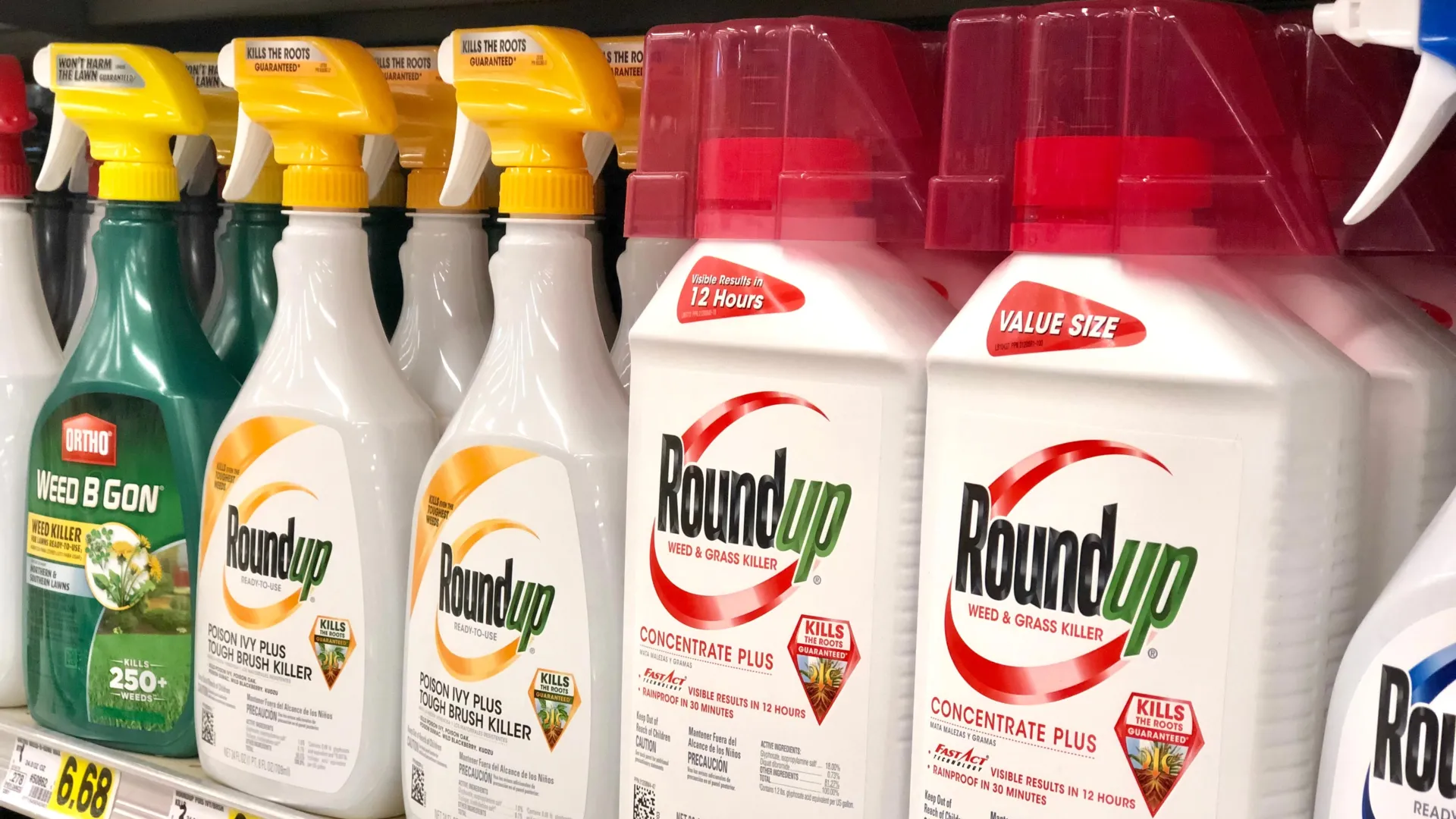
It is essential to distinguish between commercial and home-use products. Many consumer-grade products sold in hardware stores have been reformulated to exclude glyphosate, opting instead for ingredients like triclopyr or diquat. However, the agricultural sector remains heavily reliant on glyphosate-based formulations, which are applied on a massive scale.
International Policy Divergence
Several nations have already moved to restrict the chemical. France, Belgium, and the Netherlands have banned its use for household applications, and Germany has prohibited its use in public spaces. However, the current study suggests that these bans may only be scratching the surface if the environmental "cross-resistance" caused by industrial agricultural use remains unchecked.
Implications for Public Health and Future Policy
The implications of the Centrón study are profound. If the water cycle is indeed acting as a conduit for these "super-resistant" bacteria, the barrier between a farm and a hospital is effectively non-existent.
The Call for Co-Selection Testing
Dr. Centrón and her colleagues are now calling for a fundamental shift in how pesticides are vetted. They argue that regulatory bodies—such as the EPA in the United States or the EFSA in Europe—must mandate "co-selection testing." Under this proposed framework, any new herbicide would be required to undergo rigorous testing to ensure it does not inadvertently promote the development of antibiotic resistance before it is approved for market entry.
A New Warning Label
The researchers suggest that labels on agricultural chemicals should include clear warnings about the potential for environmental AMR. By acknowledging that herbicides can act as a bridge for the transmission of resistant genes from the soil to human clinical settings, policymakers could begin to implement more holistic strategies for disease prevention.
"In the environment, the use of glyphosate leads to the evolution of resistant bacteria in impacted soils, whereas the use of antibiotics favors their evolution in hospitals," notes coauthor Dr. Jochen A. Müller of the Karlsruhe Institute of Technology. "Bacteria carrying antibiotic resistance genes can spread and breed between those two niches in both directions."
Conclusion: The Need for an Ecological Approach to Medicine
The traditional view of AMR as a "medical problem" solvable through better antibiotic stewardship and new drug development is no longer sufficient. This research underscores an ecological reality: the health of the soil, the quality of our water, and the efficacy of our medicine are linked.
If the global community intends to win the war against superbugs, it must address the hidden environmental drivers of resistance. As we continue to saturate the earth with synthetic chemicals, we are inadvertently conducting a massive, uncontrolled experiment on bacterial evolution. The result, as this study demonstrates, may be a world where the very tools meant to increase food production are the same ones stripping us of our ability to fight infection. Moving forward, the integration of environmental science into public health policy is not merely an option—it is a necessity for survival in the post-antibiotic era.