For generations, the lakes, streams, and ponds of North America and Northern Europe have been cherished as clear, blue sanctuaries. Yet, frequent visitors have begun to notice a disquieting change: the water is looking less like a clear mountain stream and more like a steeped cup of tea. This phenomenon, known as "freshwater browning," is not merely an aesthetic shift. It is a fundamental transformation of aquatic chemistry that is altering the very composition of fish populations beneath the surface.
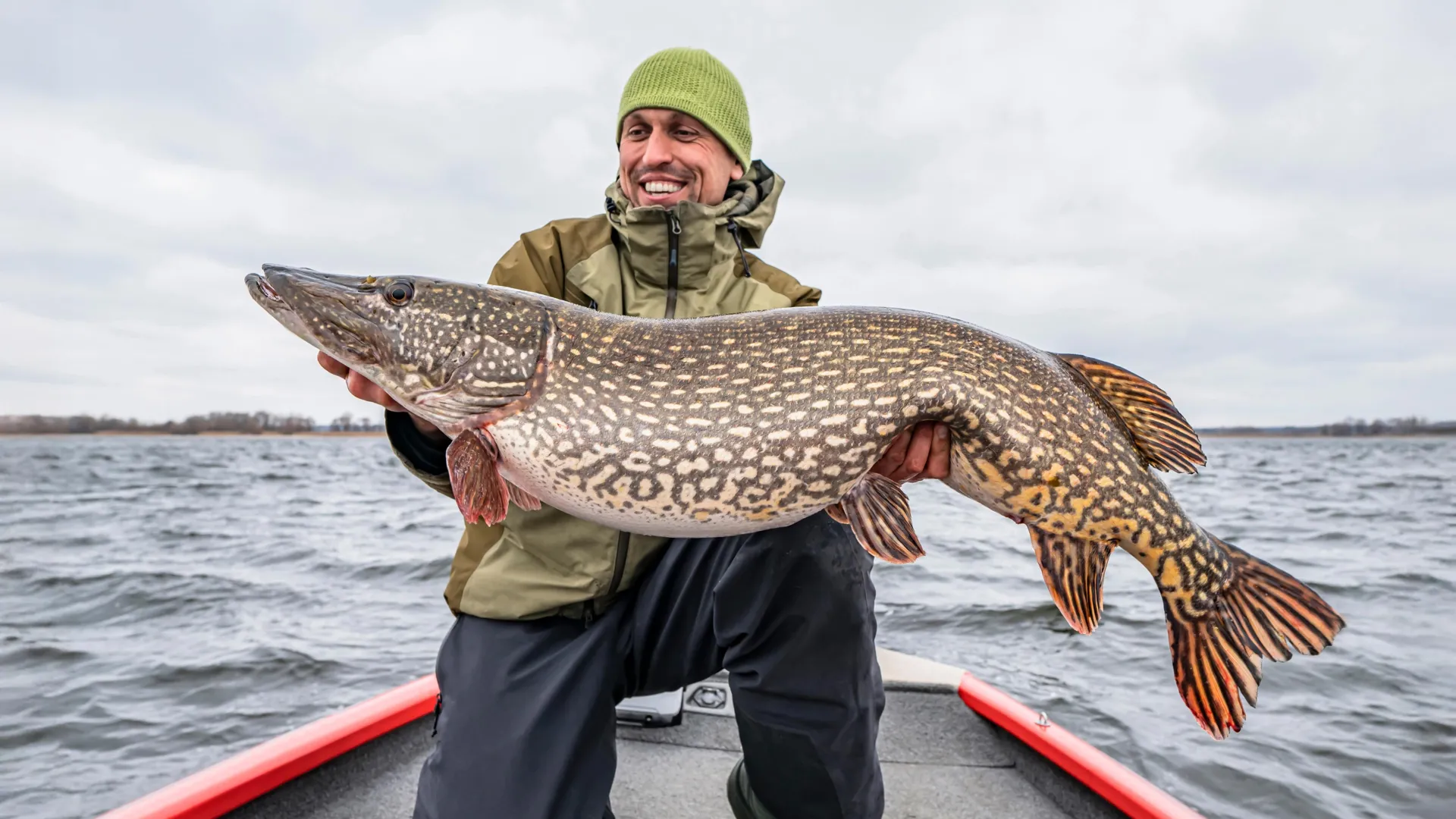
As researchers delve deeper into this environmental trend, the findings suggest a significant realignment of freshwater biodiversity. While anglers targeting species like trout, bass, and perch may find their favorite spots increasingly barren or difficult to fish, others—particularly those seeking pike and walleye—might find themselves surprised by a sudden bounty of trophy-sized catches.
Main Facts: The Tea-Stained Transformation
Freshwater browning refers to the increasing concentration of dissolved organic carbon (DOC) in lakes and rivers. This carbon, primarily composed of decomposed plant matter—leaves, roots, and peat—leaches into waterways from the surrounding soil. When these organic compounds enter the water column, they act much like tea leaves in hot water, tinting the environment a deep, brownish hue.
This process is not a local anomaly but a widespread trend spanning across temperate latitudes. The reduction in water clarity directly inhibits light penetration, fundamentally changing the "optical environment" of the lake. For fish, which rely heavily on visual cues for hunting, mating, and predator avoidance, this transition to a darker, more opaque world is a physiological challenge that many species are failing to navigate.
Chronology: A Multi-Decade Shift
The emergence of browning is a relatively recent environmental phenomenon that gained scientific traction over the last several decades.
- The Mid-20th Century: During the era of heavy industrialization, widespread acid rain caused by sulfur and nitrogen emissions from smokestacks suppressed the leaching of organic carbon into lakes. The acidic chemistry essentially acted as a "bleach," keeping water bodies clearer than they might have naturally been.
- The Late 20th Century (Post-1980s): As international environmental policies successfully reduced sulfur emissions to combat acid rain, the chemistry of the soil began to return to a more natural, less acidic state. Paradoxically, this ecological "recovery" from acid rain triggered an increase in the mobility of carbon, allowing more organic matter to flow from the land into the water.
- The 21st Century: Climate change has emerged as a primary accelerator. Increasing temperatures and more frequent, intense storm events have led to greater runoff from terrestrial environments, effectively washing more organic carbon into the aquatic systems. Today, browning is recognized as a dominant driver of ecological change in northern latitudes.
Supporting Data: The Biological Toll
A landmark study, recently published and synthesized by a large team of aquatic experts, has quantified the impact of this darkening on fish populations. By reviewing longitudinal data from over 800 lakes across North America and Europe, researchers have mapped the correlation between water color and species abundance.
The Visual Decline
In a study of 303 Canadian lakes, the data was stark: species that rely on acute vision to thrive—such as lake trout, lake whitefish, yellow perch, and various bass species—are seeing their populations dwindle. The research indicates that in darker waters, these fish grow more slowly. Reduced growth rates in individual fish often lead to a "bottleneck" effect, reducing the overall biomass and population density of the species in that body of water.
The Survival of the Adapted
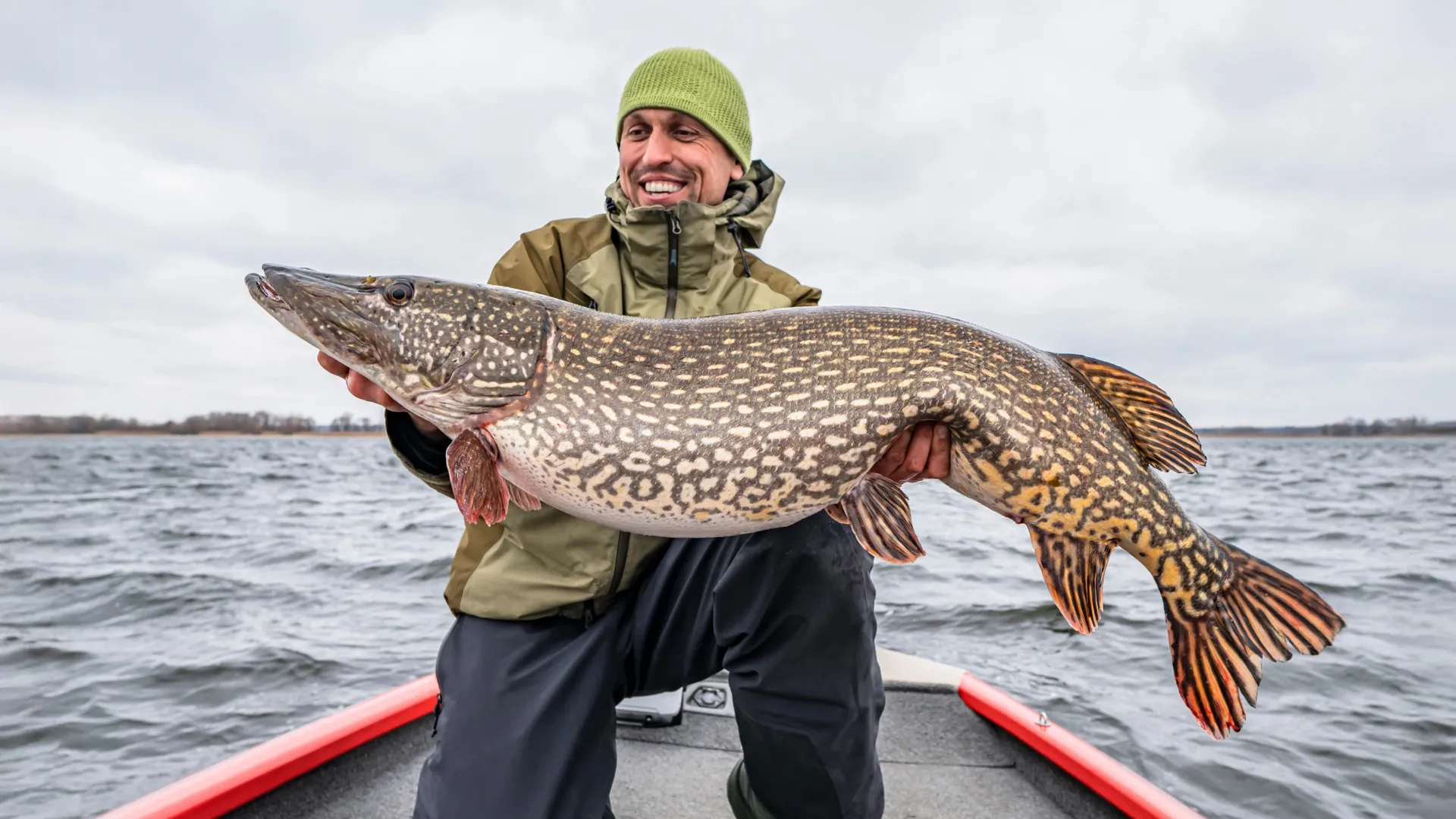
Conversely, nature is showing its resilience through evolutionary specialization. The study found that species like northern pike and walleye are actually thriving in these darker conditions.
- The Walleye Advantage: Walleye possess a specialized layer of tissue in the retina known as the tapetum lucidum. This anatomical feature reflects light back through the retina, significantly increasing the fish’s sensitivity in low-light, tea-colored water.
- The Pike Advantage: Northern pike utilize a highly developed "lateral-line" sensory system. This series of receptors running along the fish’s body detects minute vibrations, pressure changes, and movements in the water. For a predator like the pike, the loss of visibility is a minor inconvenience that they easily overcome by "feeling" their prey in the dark.
Official Responses and Ecological Implications
Environmental scientists and fisheries managers are currently navigating the implications of these findings. The primary concern is the potential for a "regime shift" in freshwater ecosystems. If browning continues at its current rate, the traditional hierarchy of fish species in northern lakes could be permanently reorganized.
Conservationists warn that the decline of salmonids (like trout) is particularly concerning, as these species often serve as "canaries in the coal mine" for water quality. While the browning process is partly a result of successful air-quality improvements, it highlights the complexity of environmental management: solving one problem (acid rain) has inadvertently accelerated another (browning).
Government agencies are now tasked with updating their stocking programs and harvest regulations. In many jurisdictions, stocking trout in lakes that have reached a critical threshold of browning may become a futile effort, leading to a shift in focus toward managing more "browning-tolerant" species.
Practical Implications for the Angler
For the recreational angler, the traditional approach to fishing must evolve alongside the water. If the environment has shifted, the tactics must follow suit.
Moving Beyond Sight
In clear water, anglers have long relied on visual triggers—brightly colored spoons, flashy spinners, and holographic lures. However, in a "tea-stained" lake, these visual lures are often rendered invisible to fish within a few feet.
Instead, the modern angler should consider the following:
- Vibration: Lures that create significant water displacement, such as deep-cupped spinnerbaits or wide-wobbling crankbaits, will trigger a fish’s lateral line system, allowing them to track the bait through the murk.
- Scent: The olfactory system of fish remains unaffected by water color. Using scented soft plastics or natural baits can provide the necessary stimulus for a fish to strike when it cannot see the lure clearly.
- Low-Frequency Sounds: Rattling lures can be exceptionally effective in darker water. The sound waves travel further than light in these environments, acting as a beacon for predatory fish like pike and walleye.
Conclusion: Adapting to a Changing World
Freshwater browning serves as a potent reminder of the interconnectedness of our planet’s systems. The carbon that travels from the soil to the stream is a direct reflection of changes in our climate and our historical industrial practices.
While the "golden age" of crystal-clear lakes may be fading in certain regions, it does not mean the death of the sport of fishing. It requires a deeper understanding of biology and a willingness to adapt. By studying the sensory systems of the fish we pursue and acknowledging the chemical changes occurring in our watersheds, we can better appreciate the complex, shifting nature of the ecosystems we inhabit. As the water darkens, our understanding must grow clearer—ensuring that we can continue to enjoy, protect, and respect these vital natural resources for generations to come.