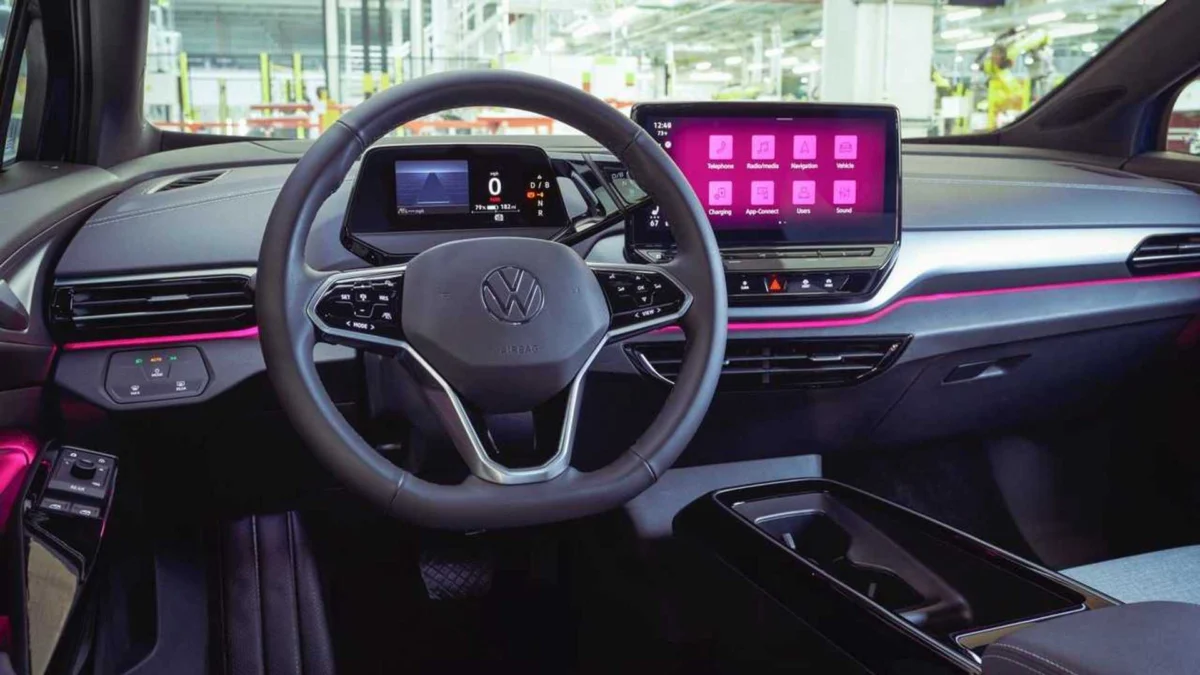
For years, the automotive industry has been locked in a high-stakes arms race to see who could digitize the cabin fastest. Screens grew larger, physical knobs were sacrificed at the altar of minimalism, and haptic sliders replaced the tactile satisfaction of a well-weighted dial. Among the most aggressive adopters of this philosophy was Volkswagen. However, the German giant has recently executed a dramatic about-face, confirming that the "all-touch" era is effectively over.
As Volkswagen rolls out its next generation of electric vehicles (EVs), including the 2026 ID.3 Neo and the upcoming ID. Cross, it is undoing its most controversial design experiment: the eradication of physical switchgear.
The Philosophy of the "Spaceship" Cabin
The story of how Volkswagen arrived at its touch-sensitive obsession is one of misplaced optimism and a misunderstanding of the early EV consumer. In the late 2010s, as the Volkswagen Group accelerated its pivot toward electrification, leadership felt that the interior experience needed to match the revolutionary nature of the drivetrain.
The logic was, at the time, seemingly sound: if you are changing how the car moves, you should change how the driver interacts with it. The cockpit was envisioned as a "digital lounge"—a minimalist space where traditional buttons were seen as archaic clutter. Andreas Krepp, Volkswagen’s Head of Quality Assurance, recently provided a candid look into this internal decision-making process in an interview with Automobilwoche.
"There was this idea: something new is beginning, so the controls must also change significantly and be particularly modern," Krepp explained. "We said, ‘Let’s install sliders instead of traditional rotary knobs. That’s the future.’"
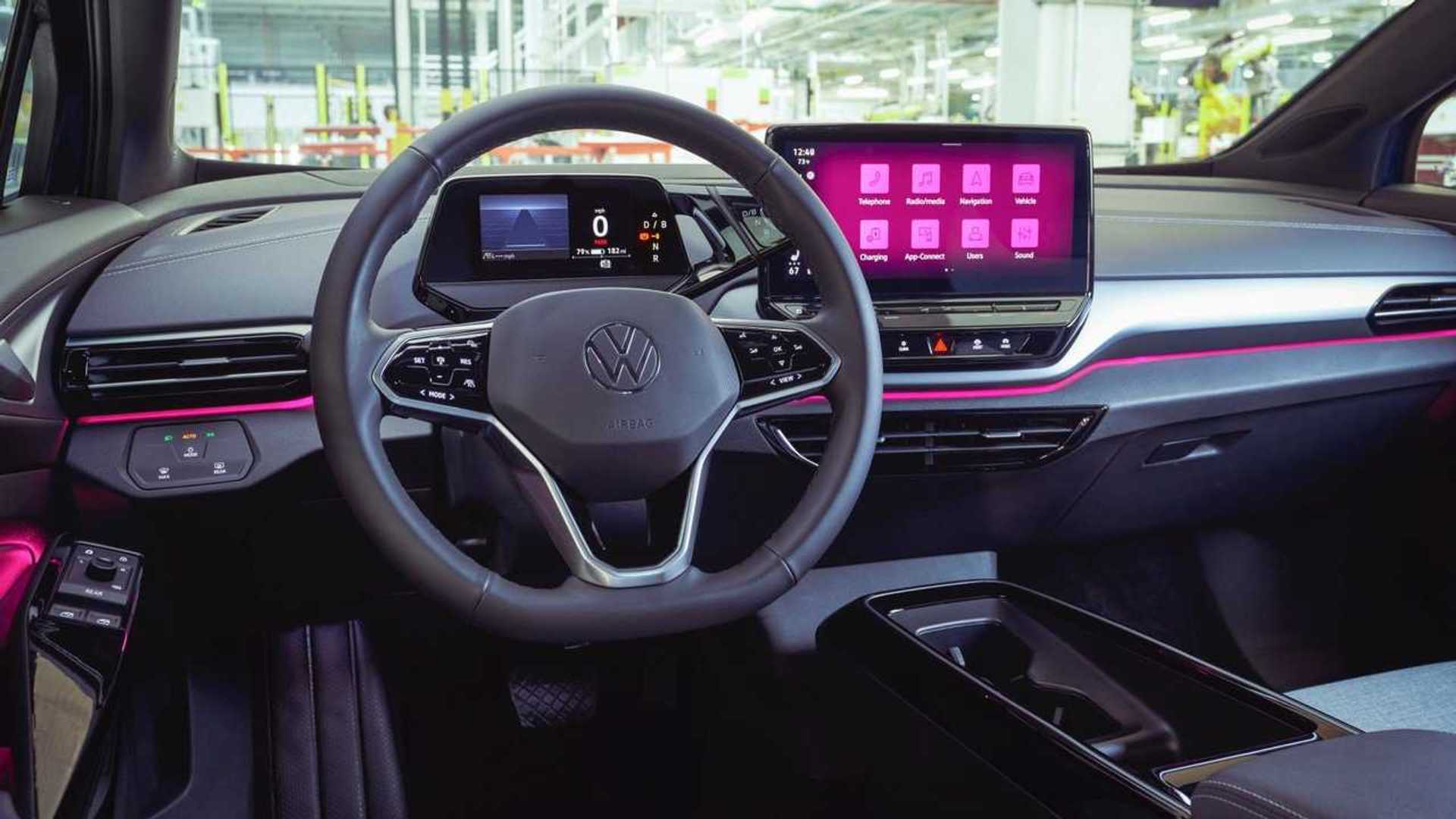
This "spaceship" design language prioritized aesthetics over ergonomics. By eliminating backlit temperature sliders and replacing steering wheel buttons with capacitive surfaces that were prone to accidental activation, Volkswagen inadvertently created a user experience that frustrated loyalists and newcomers alike.
A Chronology of the Disconnect
To understand the depth of this shift, one must look at the timeline of the ID series’ evolution.
- 2019-2020: The debut of the ID.3 marked the initial rollout of the "touch-everything" interior. The removal of window switches and the implementation of unlit haptic sliders for volume and climate control were heralded as "clean" design choices.
- 2021-2022: As these vehicles hit the mass market, the honeymoon phase ended. Customer feedback was swift and brutal. Owners complained that the lack of backlighting made night driving a dangerous distraction, and the capacitive steering wheel controls led to constant accidental volume adjustments.
- 2023-2024: Volkswagen CEO Thomas Schäfer publicly acknowledged the "damage" caused by these design choices, signaling a pivot back to more traditional, user-friendly layouts.
- 2025-2026: The launch of the ID.3 Neo and the ID. Cross represents the "correction phase." In these models, the hated sliders are gone, physical window switches have returned, and tactile steering wheel buttons are once again the standard.
The Data Gap: Innovating Without Guidance
Perhaps the most telling aspect of Krepp’s admission is the lack of empirical data that drove these changes. Volkswagen, like many other automakers during the initial EV boom, was flying blind.
"What seems obvious to you or me today may well be viewed quite differently at a certain point in time," Krepp admitted. "When there’s a lack of reliable customer data, a lot of things are simply tried out."
This "trial and error" approach turned the customer base into a testing ground for experimental ergonomics. The company assumed that EV buyers were "tech-first" early adopters who preferred a smartphone-like experience in their cars. Instead, they discovered that people buying electric vehicles were primarily seeking a different powertrain—not a total disruption of the driving interface.
As Krepp noted, "They don’t automatically want to buy a spaceship."
Why Tactile Controls Remain Superior
The debate over buttons versus screens is often framed as a "modern vs. old-fashioned" argument, but the reality is grounded in human factors engineering.
A physical volume knob provides "muscle memory" feedback. A driver can adjust the audio level or the fan speed without taking their eyes off the road. When you move these functions to a screen, you introduce "cognitive load"—the mental effort required to perform a task. If a driver has to look at a screen to ensure they have swiped a slider to the correct position, they are not looking at the road.
This is where the industry is currently at odds. While Mazda has argued that screens are safer than buttons by forcing drivers to remain focused on the task, the broader market trend—and the overwhelming feedback from consumer groups—suggests that physical inputs are essential for safety and ease of use.
Volkswagen’s shift is a tacit admission that while technology can enhance a vehicle, it should not hinder its basic operation. The return of the volume knob isn’t a retreat; it’s an evolution toward better, more intuitive design.
Implications for the Wider Industry
Volkswagen is not alone in this reckoning. The entire automotive sector is currently experiencing a "button renaissance." Mercedes-Benz has admitted to going "too far" with its removal of physical controls, and companies like Toyota and Audi are actively re-evaluating their interiors to strike a balance between digital connectivity and tactile convenience.
For the consumer, this is a victory. It confirms that manufacturers are finally listening to the people who drive their cars daily. The "clean" look of a screen-only dashboard may look impressive on a concept car brochure, but in the real world—where drivers are wearing gloves, dealing with glare, or navigating through traffic—the humble button remains the most efficient interface.
The Future: A Balanced Cabin
As Volkswagen moves forward, the strategy has shifted from "change for the sake of change" to "functional innovation."
The upcoming updated ID.4 and other core models in the pipeline, such as the new generation of the Golf and Passat, are expected to benefit from this new philosophy. By reintroducing physical switchgear, Volkswagen isn’t just fixing a mistake; it’s elevating the perceived quality of its cabins. Many critics have noted that a screen-heavy, button-less cabin can often look "cheap" once the high-resolution displays are turned off, revealing a sea of plastic. Real buttons, switches, and dials, when well-executed, provide an upscale, mechanical aesthetic that software alone cannot replicate.
Conclusion: The Lesson of the Slider
The irony of the touch-slider era is that it was intended to usher in the future, yet it ended up highlighting the value of the past. Volkswagen deserves credit for its transparency; it would have been easier to double down on their original vision. Instead, they have chosen to pivot, demonstrating a level of agility that is rarely seen in legacy automotive manufacturing.
For the rest of the industry, the lesson is clear: innovation is not synonymous with the removal of familiarity. The electric vehicle is a massive technological leap in terms of sustainability and performance, but the driver’s relationship with the car remains a human one.
As the saying goes, "Why fix what isn’t broken?" Volkswagen has learned that some things—like the tactile click of a button—are not bugs, but features. Moving forward, the most advanced cars won’t necessarily be the ones with the most screens, but the ones that understand that the best technology is that which disappears into the background, leaving the driver in total, intuitive control.