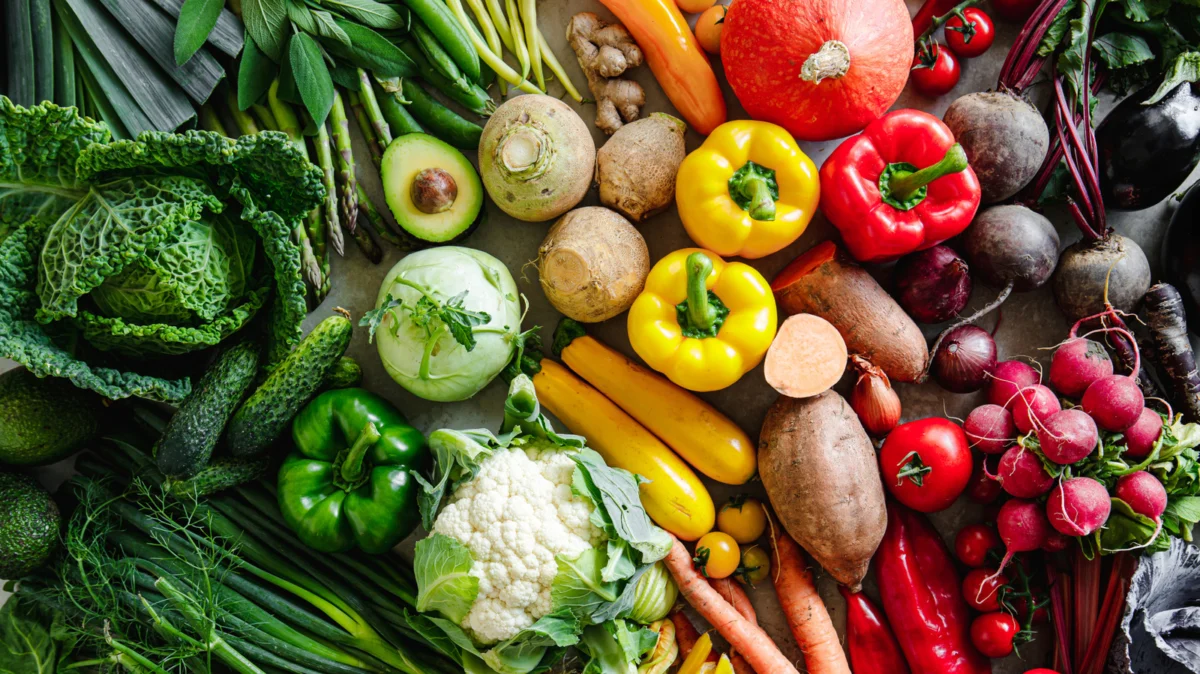
In an era of rising food inflation and a shifting culinary landscape, the American grocery basket is undergoing a quiet revolution. While health-conscious trends often spotlight kale, quinoa, or exotic superfoods, the data tells a far more grounded story. Since 2017, the undisputed champion of the produce aisle has been neither the aromatic onion nor the ever-reliable carrot. Instead, the humble potato has solidified its position as the best-selling vegetable in the United States.
Far from being a mere background player, the potato has emerged as the ultimate intersection of affordability, nutritional density, and unparalleled culinary versatility. As households navigate economic volatility, this starchy tuber has become a pillar of food security and creative cooking across the country.
The Main Facts: Defining the Champion
The potato (Solanum tuberosum) is botanically classified as a tuber—a thickened, underground stem that serves as a storage organ for the plant. Its rise to the top of the consumption charts is not a recent fluke; it is the culmination of decades of agricultural integration and dietary habit.
Despite persistent myths that characterize potatoes as "empty" carbohydrates, modern nutritional science paints a different picture. A medium-sized potato contains more potassium than a banana, a vital electrolyte for cardiovascular health and muscle function. Furthermore, when prepared properly, a single potato provides nearly 30% of the recommended daily intake of Vitamin C and a significant portion of Vitamin B6, which is essential for brain development and immune function.
The economic argument is equally compelling. In a retail climate where the price of specialty produce fluctuates wildly based on seasonality and supply chain issues, the potato remains remarkably stable. Its long shelf life—when stored in cool, dark environments—minimizes food waste, offering consumers a higher "return on investment" compared to delicate leafy greens that may wilt within days of purchase.
A Chronological Perspective: From Commodity to Cultural Icon
To understand the dominance of the potato, one must look at its trajectory in the American diet.
- The Early 20th Century: Potatoes were a staple crop for the working class, prized for their ability to sustain large families through the winter.
- The Post-War Era: The rise of frozen food technology in the mid-1900s introduced the convenience of pre-cut fries and hash browns, cementing the potato’s place in the fast-food industry.
- The 2000s: A brief period of "low-carb" dieting (such as the Atkins craze) threatened the potato’s reputation, leading to a temporary decline in consumption.
- 2017–Present: The "resilience era." As economic pressures mounted, consumers returned to the potato as a "recession-proof" food. Since 2017, industry data has consistently identified the potato as the highest-volume vegetable sold in U.S. grocery stores, a title it has held with growing margins.
Supporting Data: By the Numbers
Industry analysts note that the potato industry is a multibillion-dollar machine that accounts for a massive portion of U.S. agricultural output.
- Yield Efficiency: Potatoes produce more food energy per acre than almost any other crop, making them highly efficient for farmers and affordable for retailers.
- Waste Reduction: Because potatoes are durable, the shrinkage rate (the percentage of product that must be thrown away due to spoilage) in grocery stores is significantly lower than that of tomatoes, berries, or lettuce.
- The "Versatility Factor": Market surveys indicate that the average American household consumes potatoes in at least three distinct forms per week: fresh (for baking/boiling), frozen (for frying), and shelf-stable (dehydrated flakes). This multi-channel consumption ensures the potato remains at the top of the supply chain volume.
Culinary Implications: Beyond the Masher
The modern potato is a chameleon. Its mild flavor profile and unique starch content allow it to absorb the flavors of whatever it is cooked with, whether that be rich fats, spicy aromatics, or acidic sauces.
The Art of Preparation
While frying remains a popular method, the culinary community has been pivoting toward healthier preparation techniques. Scrubbing the skin—which contains the bulk of the potato’s fiber and several phytonutrients—is now a standard recommendation for home cooks. Boiling whole potatoes preserves their internal moisture and mineral content, while roasting them with olive oil creates a crisp exterior that rivals fried versions.
Repurposing Leftovers
One of the most significant roles the potato plays in the modern kitchen is as a "vessel." A baked potato is no longer just a side dish; it is a canvas. By topping a baked potato with leftover chili, shredded rotisserie chicken, or even sautéed greens, consumers can turn a low-cost starch into a nutritionally complete entree. This strategy is increasingly popular among budget-conscious families looking to reduce food waste.
Official Responses and Industry Outlook
Agricultural boards and nutritionists have largely endorsed the potato’s return to favor. The United States Potato Board and various nutritional advocates emphasize that the "problem" with potatoes has rarely been the tuber itself, but rather the heavy amounts of butter, sour cream, and salt often added to them.
"The potato is a nutrient-dense vegetable that is unfortunately caught in the crossfire of anti-carb marketing," notes a recent industry report. "When we look at the mineral content, the cost-per-calorie, and the ease of preparation, it is essentially a perfect food for the modern, busy household."
Furthermore, environmental scientists have noted that potatoes have a lower carbon footprint compared to many other staple crops, requiring less water and fewer inputs than some protein-heavy alternatives. As sustainability becomes a higher priority for the average shopper, the potato’s environmental efficiency is expected to keep it in the top spot for years to come.
Future Trends: What’s Next for the Tuber?
As we look toward the future, the potato is evolving. We are seeing a surge in interest for heritage and heirloom varieties—such as purple majesty or fingerling potatoes—that offer unique antioxidants and textures. Additionally, the rise of air-frying technology has revolutionized how people prepare potatoes at home, allowing for the "fried" experience with a fraction of the oil.
The potato is not just a food item; it is a cultural anchor. It is the common denominator in a potluck, the comfort food of choice during a recession, and the secret weapon of the home chef who knows that simplicity often yields the best results.
Summary of Key Advantages:
- Economic Resilience: Remains one of the most affordable sources of complex carbohydrates.
- Nutritional Value: A powerhouse of potassium, Vitamin C, and B6.
- Culinary Flexibility: Can be transformed into thousands of distinct dishes across global cuisines.
- Sustainability: Efficient to grow and resistant to the waste issues that plague more delicate produce.
In conclusion, while trends in the culinary world may come and go, the potato’s position as America’s best-selling vegetable is likely secure. It is a testament to the fact that when it comes to feeding a nation, reliability, nutrition, and versatility will always win the day. Whether it is mashed, fried, roasted, or stuffed, the potato is not just surviving the modern food landscape—it is defining it.