By International Affairs Desk
As Türkiye prepares to host the upcoming NATO summit in Ankara, scheduled for July 7–8, the international community has expressed profound alarm regarding a series of aggressive security measures implemented by the Turkish government. Rights advocacy groups, including Amnesty International and Human Rights Watch, have issued urgent calls for the reversal of a blanket ban on public demonstrations and the immediate release of scores of individuals detained in what critics describe as a "preemptive crackdown" on civil society.
The friction between the Ankara administration’s security-first approach and the preservation of fundamental human rights has reached a boiling point, casting a long shadow over the diplomatic event.
The Core Conflict: Security vs. Civil Liberties
The current crisis centers on the Ankara Governorate’s decision to impose a total prohibition on all protests, gatherings, and public assemblies leading up to the NATO summit. While the Turkish authorities maintain that these measures are essential to ensuring the safety of visiting heads of state and the integrity of the summit, human rights observers argue that the state is utilizing the high-profile event as a pretext to suppress dissent.
Amnesty International has characterized the blanket ban as "excessive" and a direct assault on the universal right to freedom of expression. According to the organization, the government’s invocation of "public order" has become a catch-all justification for silencing activists, academics, and legal professionals who might otherwise use the international spotlight to voice grievances against government policy.
Chronology of the Crackdown
The escalation of tension can be traced through a series of swift administrative and legal actions taken by Turkish authorities over the final week of June 2026.
- June 22: The Ankara Governorate issued an official directive announcing comprehensive security protocols for the summit. The declaration, grounded in vague references to public security, effectively criminalized any form of public protest in the capital.
- June 22–23: Security forces launched a series of coordinated operations across the city. By the end of this 48-hour window, the Ankara Chief Public Prosecutor’s office confirmed that 225 individuals had been taken into custody.
- June 23: Of those detained, 135 individuals were referred to local courts with formal requests for pretrial detention.
- June 25: Human Rights Watch (HRW) released a scathing report noting that the total number of arrests had reached at least 209, highlighting the systemic nature of the operation.
- June 26: Amnesty International joined the chorus of international condemnation, demanding that the Turkish government lift the protest ban and release all individuals detained solely for exercising their rights.
Official Justifications and the "Terrorism" Narrative
The Turkish government has defended its actions with a narrative centered on national security and counter-terrorism. In statements provided by the Ankara Chief Public Prosecutor’s office, the mass detentions were framed as necessary operations to "decipher and dismantle" activities planned by various militant organizations.
The Prosecutor’s office specifically linked the detained individuals to groups including ISIS and various clandestine leftist organizations. The government’s official position is that these groups intended to exploit the chaos of the NATO summit to incite violence, disrupt public order, and damage Türkiye’s international reputation.
"We are tasked with protecting the state and its guests," a government source noted. "The measures taken are not against the right to protest, but against those who hide behind the mask of activism to organize terrorist sabotage."
However, this rhetoric has been met with skepticism from human rights observers. Critics point out that among the detained are prominent human rights lawyers, academics, and activists—groups that the Turkish government has frequently targeted in the past under the same broad "anti-terror" legal framework.
Supporting Data and Human Rights Observations
The scope of the crackdown has alarmed international observers, who see a clear pattern of "rights-stripping" under the guise of security.
The Scope of Detentions
Human Rights Watch (HRW) has documented that the detainees include a wide cross-section of civil society. The arrests were not limited to individuals suspected of violent intent but included professionals engaged in advocacy. This breadth suggests that the Turkish state is seeking to preemptively remove any potential source of embarrassment or opposition before the international media arrives for the summit.
The "Chilling Effect"
Beyond the immediate loss of liberty for those arrested, the policy has created a "chilling effect" across the country. By effectively banning all public discourse, the government has ensured that any dissent against NATO policies—or Turkish domestic policy—remains invisible to the international delegates. Legal experts note that when a government uses such broad, indefinite, and blanket restrictions, it violates the principles of necessity and proportionality required by international human rights law.
Implications for the NATO Summit
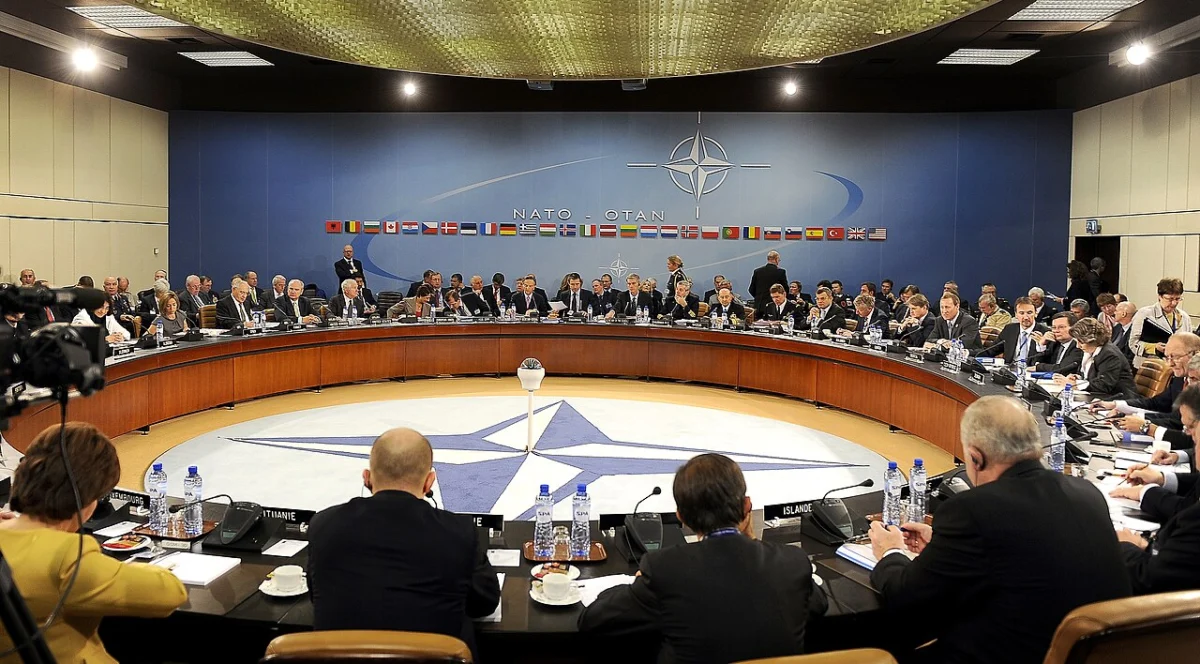
The situation presents a complex diplomatic challenge for the NATO alliance. The summit, intended to project a unified front among member states, is now burdened by the domestic conduct of the host nation.
The Paradox of Democracy
NATO, which describes itself as an alliance founded on the values of democracy, individual liberty, and the rule of law, now finds itself hosted by a government that is actively curtailing those very principles. This creates an uncomfortable reality for visiting delegations: how to engage in diplomatic discourse regarding the defense of democratic values while in a capital where the government has essentially suspended the right to dissent.
International Scrutiny
The scrutiny from NGOs is likely to dominate the periphery of the summit. If the Turkish government refuses to release the detainees or soften the protest ban, it risks becoming the primary story of the conference, overshadowing the strategic discussions on regional security, military cooperation, and geopolitical strategy that are intended to be the focus of the July 7–8 meetings.
A Call for International Intervention
The international community, particularly member states within the NATO alliance, faces mounting pressure to address these human rights violations. While state-level diplomacy often prioritizes security cooperation, the scale of the detentions in Ankara has pushed the issue into the realm of public accountability.
Amnesty International has explicitly urged the international community not to remain silent. "The NATO summit should be a venue for discussing the future of global security," the group stated. "It must not become an excuse for the host government to empty the streets of its own citizens and lock up those who dare to speak out."
The Road Ahead
As the summit date approaches, the situation remains fluid. The international human rights community is calling for:
- Immediate Access: Allowing international observers to monitor the legal proceedings of the 135 individuals referred for pretrial detention.
- Transparency: A full disclosure of the evidence linking detainees to specific terrorist activities, rather than relying on vague, broad-spectrum accusations.
- Restoration of Rights: The immediate lifting of the blanket protest ban to allow for peaceful expression, consistent with Türkiye’s international human rights obligations.
The coming days will be a litmus test for the Turkish government’s commitment to the democratic norms it claims to uphold. Whether Ankara chooses to de-escalate and release its citizens or continue its hardline stance will likely dictate the tone of the NATO summit and influence Türkiye’s standing among its Western allies for the foreseeable future.
Conclusion
The standoff in Ankara serves as a stark reminder of the fragile balance between national security and the fundamental freedoms that define an open society. As the world turns its gaze toward the Turkish capital for the NATO summit, the fate of the detainees and the status of public protest will serve as a definitive metric of the current political climate in Türkiye. The government’s attempt to project a facade of total control through mass detention may, ironically, have ensured that the summit is defined not by security, but by the urgent, suppressed voices of those it sought to silence.