Whether you are scouting for a historic gem in the heart of Austin, commissioning a mountain retreat in Bozeman, or considering a modern townhome development in Charlotte, the path to homeownership is rarely a straight line. Prospective buyers today face a fundamental fork in the road: should they invest in the proven character of an existing property, or step into the pristine, albeit complex, world of new construction?
While new homes are frequently marketed as the pinnacle of modern living—offering state-of-the-art energy efficiency, contemporary layouts, and the allure of a "clean slate"—they are not without their hidden hurdles. From unpredictable timelines to the "sticker shock" of luxury upgrades, the decision requires more than just a glance at a listing price. To help you navigate this high-stakes decision, we have consulted with leading builders and housing industry experts to provide a comprehensive breakdown of what every buyer should consider before signing on the dotted line.
The Core Facts: Understanding the New Construction Landscape
The decision between a new build and an existing home is fundamentally a trade-off between convenience of the present and potential of the future.
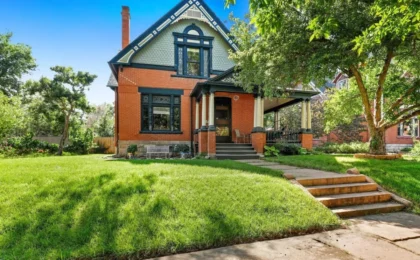
Existing homes often provide established communities with mature trees, proximity to city centers, and a sense of history. However, they frequently demand significant investment in repairs—roof replacements, outdated electrical systems, or inefficient insulation. Conversely, new construction represents an investment in modern building science. These homes are designed to meet current, rigorous energy codes, utilizing materials that minimize the carbon footprint and maximize long-term savings.
However, the "cost" of a new home extends beyond the mortgage. It includes the mental capital required to make dozens of design decisions, the financial risk of cost overruns, and the patience required to wait for a home to be built.
The Chronology of a Build: What to Expect
For those choosing to build from the ground up, the process is an odyssey that differs significantly from a standard real estate closing. Understanding this timeline is crucial to avoiding buyer’s remorse:
- The Planning and Pre-Approval Phase: Unlike buying an existing home, where you walk through a finished product, building begins with blueprints and budget caps. This stage is where your "must-haves" meet the reality of current interest rates and construction costs.
- Permitting and Site Prep: This is often the most frustrating phase for buyers. Depending on the municipality, obtaining permits can take weeks or months. This is also when the site is cleared, leveled, and foundations are poured.
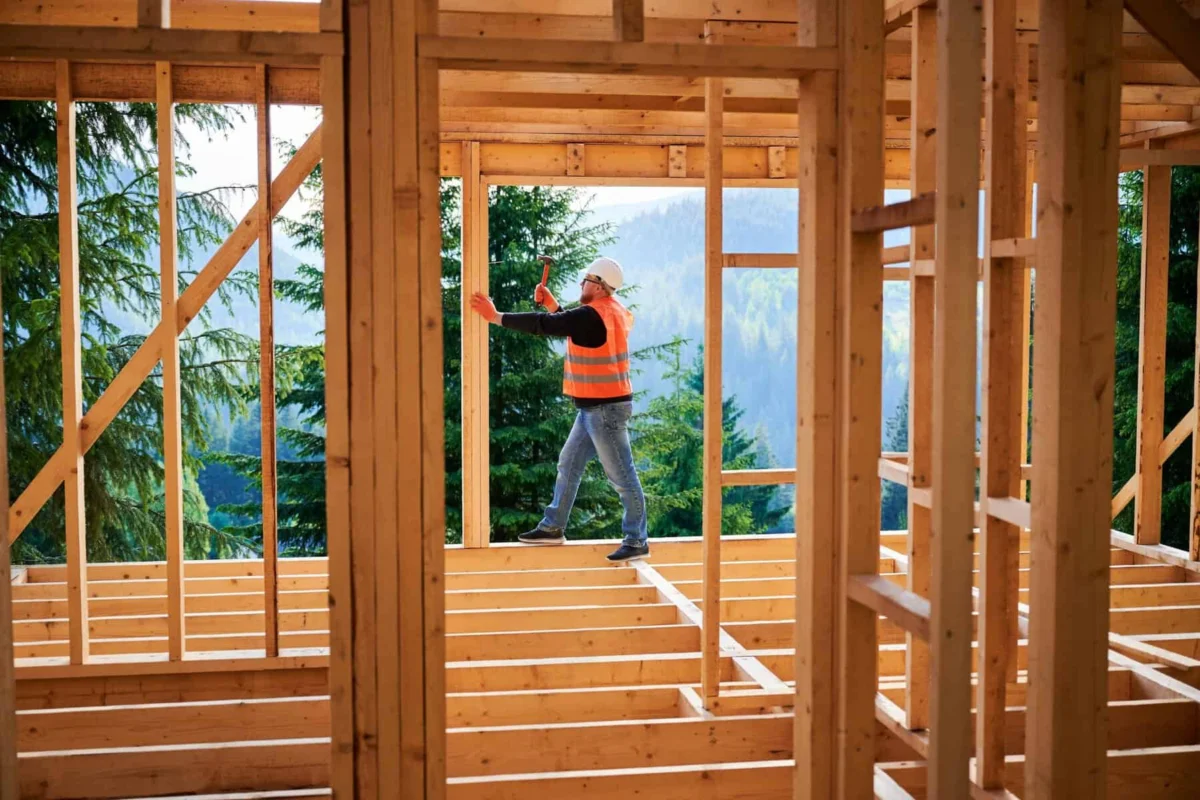
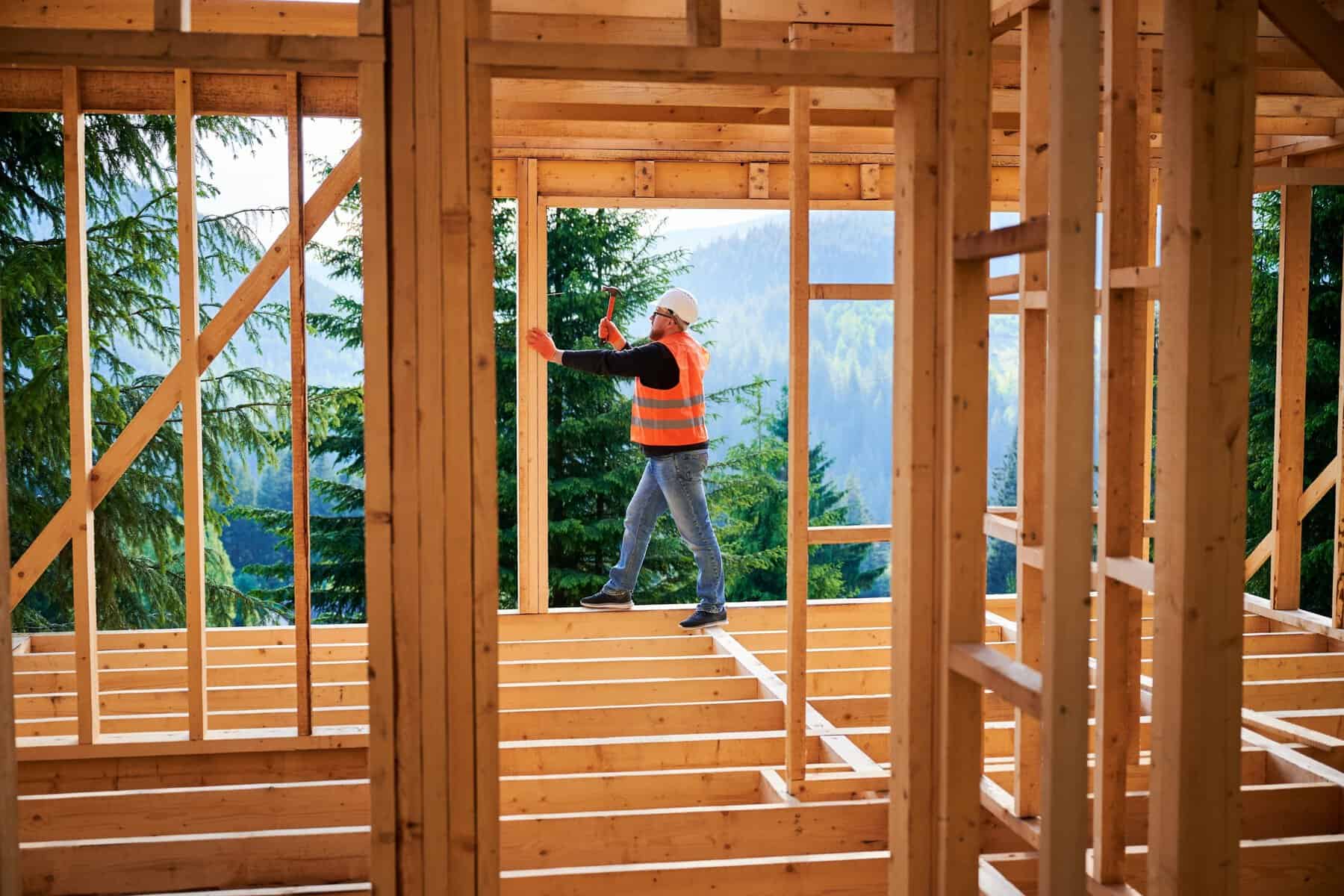
- The Framing and Systems Phase: Once the skeleton of the house rises, you begin to see your vision take shape. During this time, HVAC, plumbing, and electrical systems are installed.
- Interior Finishes: This is the most interactive phase for the buyer, involving the selection of flooring, cabinetry, lighting, and tile. It is also the phase most prone to delays if supply chains are disrupted.
- Final Inspection and Closing: Unlike existing homes, new builds undergo multiple inspections throughout the process. The final walk-through is your opportunity to ensure the builder has met all specifications.
Supporting Data: Why Energy Efficiency Matters
The financial argument for new construction often hinges on the "Cost of Ownership" (COO) rather than the "Purchase Price."
Industry data suggests that homes built within the last five years are significantly more energy-efficient than those built in the 1990s or earlier. According to building performance experts, modern HVAC systems, combined with advanced insulation and energy-efficient windows, can reduce monthly utility costs by 20% to 30%.
Consider the "Maintenance Gap": While an older home might require an immediate $15,000 investment to upgrade an aging furnace or replace a leaking roof, a new home is protected by a builder’s warranty. This shifts your budget from "emergency repairs" to "lifestyle improvements," allowing homeowners to allocate funds toward furniture or decor rather than critical maintenance.
Expert Insights: Perspectives from the Front Lines
We spoke with industry leaders to get their take on the nuances of the current market.
Ryan White, VP of Sales & Marketing at Advantage Homes, emphasizes the personalization factor. "A newly built home offers many advantages, including modern floor plans, energy-efficient features, lower maintenance costs, and the opportunity to personalize the floor plan, finishes, and design selections to fit your needs," he says. White notes that for families, the transition from compartmentalized older rooms to open-concept living spaces is often the deciding factor.
Kamal Hyder, CEO of Breakthrough Builders, points to the regulatory environment as a key benefit. "Structural and energy codes, particularly in regions like California, are updated every three years. Newly built homes are forced to conform to the absolute latest safety and efficiency standards," Hyder explains. He adds that while these homes provide superior peace of mind, buyers must be aware of the "soft costs" of development, such as potential permitting delays.
Nick Beuke, Owner of Texas Living Homes, highlights the emotional value of a custom build. "Buying a newly built custom home gives you the chance to create a space that truly feels like yours," Beuke notes. "It’s about creating a home designed around the way you and your loved ones live, gather, and grow."
The Hidden Costs: What Builders Don’t Always Highlight
While the pros are compelling, the "cons" can be substantial if not planned for.
1. The Upgrade Trap
Many builders entice buyers with an attractive "base price." However, this price often reflects builder-grade materials. Upgrading to hardwood floors, high-end stone countertops, or professional-grade appliances can add tens of thousands to the final price tag.
2. The Development Lag
Buying in a new community often means living in a construction zone for the first two years. You may find that your street is not yet fully paved, or that the promised park or community center is still just a dirt lot. The curb appeal of a new neighborhood takes time to "mature" as landscaping fills in.
3. Decision Fatigue
Building a custom home is not a passive activity. It involves a massive amount of decision-making. If you are a buyer who prefers a "turn-key" experience, the process of selecting faucets, light fixtures, and paint colors for every square inch of a home can become overwhelming.
Strategic Implications for Your Future
Ultimately, the choice comes down to your personal risk tolerance and long-term goals.
Nancy Greenwald of the Construction Institute provides a crucial framework for this decision. "The purchase price is only one factor in the decision," she notes. "Equally important are the long-term costs of ownership, including maintenance, repairs, and energy consumption." Greenwald advises buyers to look at the "total cost of occupancy" over a ten-year horizon.
Checklist for Prospective Buyers:
- The "Stay" Horizon: If you plan to stay in your home for 10+ years, the energy savings and low maintenance of a new build generally outweigh the upfront costs.
- Renovation Tolerance: If you lack the time or desire to manage contractors, avoid the "fixer-upper" existing home and stick to a new build or a move-in-ready property.
- Location vs. Condition: Are you willing to sacrifice a shorter commute for a brand-new home in a developing suburb? This is often the hardest trade-off for urban professionals.
- Financial Cushion: Always set aside a 5-10% buffer in your budget for the "upgrade creep" that inevitably happens during the building process.
Conclusion
Whether you choose the character of a historic home or the precision of a new build, there is no "right" answer—only the right answer for your life. New construction offers a level of customization and efficiency that is difficult to replicate in the resale market, but it demands patience and a keen eye for detail. By focusing on the total cost of ownership and your own tolerance for the building process, you can ensure that your next house is not just a building, but a home that serves your needs for years to come.