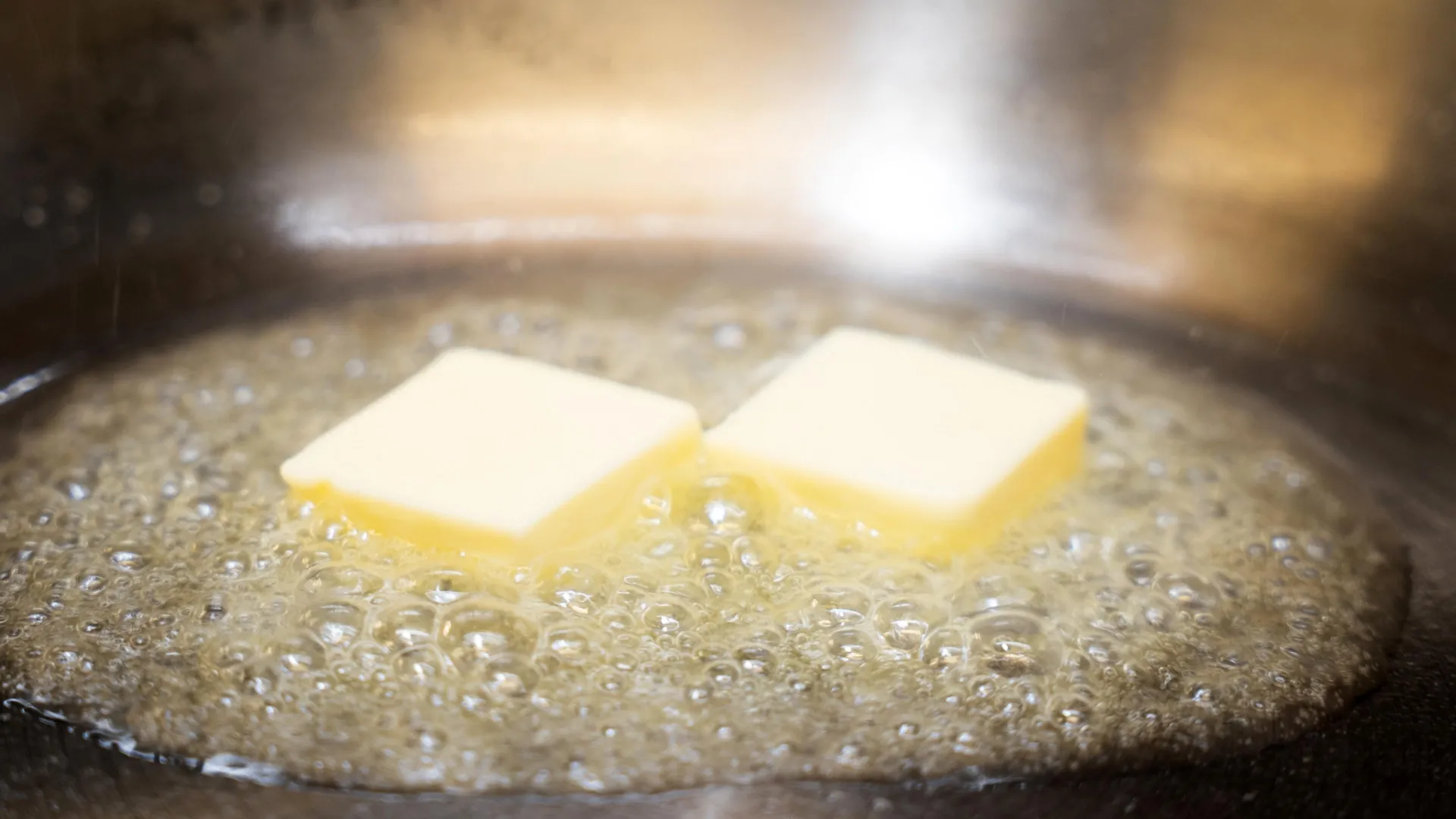
For generations, the kitchen has been a battleground of fats. Whether it is the golden, rich smear of butter on a warm piece of toast or the convenient, spreadable nature of margarine, these two kitchen staples have fueled our culinary traditions. But what exactly distinguishes the two? Beyond the marketing labels and the nostalgic associations of home-cooked meals, there lies a sophisticated world of food science—a discipline that examines how subtle molecular arrangements translate into the textures, flavors, and performance characteristics we rely on in our daily cooking.
The Chemistry of Fat: A Molecular Overview
At the heart of both butter and margarine lies a shared identity: they are emulsions. In food science, an emulsion is defined as a mixture of tiny water droplets suspended throughout a continuous fat matrix. This matrix is composed primarily of triglycerides—the most common form of dietary fat.
To understand why butter and margarine behave differently, one must look at the fatty acids that constitute these triglycerides. Imagine a long chain of carbon atoms, each flanked by hydrogen atoms. The backbone of the molecule is a three-carbon glycerol structure. While the backbone remains consistent, the fatty acids themselves can vary in length and structure.
In butter, these fatty acids are predominantly saturated. Because saturated fats lack double bonds between their carbon atoms, they possess a straight, linear shape. This allows them to stack neatly and compactly, contributing to butter’s firm, crystalline structure at room temperature. Conversely, margarine is typically derived from plant-based oils. These oils are rich in unsaturated fatty acids, which contain double bonds. These bonds create "kinks" in the molecular chain, preventing the neat, compact stacking seen in butter. This molecular irregularity is precisely why margarine often has a different melting point and texture than its dairy-based counterpart.
A Chronological Evolution of Fats
The story of butter is as old as civilization itself, rooted in the ancient practice of churning cream to rupture fat globules. When cream is agitated, the protective membranes of these globules break, causing the fat to coalesce into semi-solid grains, eventually separating from the watery buttermilk.
Margarine, by contrast, is a product of the industrial revolution. Initially developed in the 19th century as a lower-cost alternative to butter, margarine has evolved significantly. Early iterations often relied on partial hydrogenation—a process that unfortunately created trans fats. Today, however, the industry has largely pivoted toward interesterification. This chemical process rearranges the fatty acids on the glycerol backbone without introducing the harmful trans fats that were common in older formulations. This evolution reflects a broader shift in food science: moving away from methods associated with cardiovascular risks while maintaining the functional stability that consumers expect from solid fats.
Supporting Data: Composition and Standardization
Both butter and margarine must, by law in many jurisdictions, be at least 80% fat. However, the remaining 20% reveals a distinct divide in composition.
- Butter Composition: Typically consists of 80% to 85% fat, with roughly 16% water. The remaining 1-4% is a complex blend of vitamins, minerals, lactose, and milk proteins.
- Margarine Composition: While also meeting the 80% fat threshold, margarine is composed of plant oils. To mimic the sensory profile of butter, manufacturers often add synthetic beta-carotene (the same pigment found in grass that gives butter its natural yellow hue) and flavoring agents like diacetyl, which provides the quintessential "buttery" aroma.
The regulatory environment is equally distinct. Butter is governed by some of the oldest food standards in the United States, which dictate exactly what can be labeled as "butter." These strict guidelines ensure that when a consumer purchases a block of butter, they are receiving a product with a defined biological and chemical profile. Margarine, meanwhile, is often subject to less rigorous labeling requirements, particularly regarding whether the oils have undergone interesterification.
The Functional Divide: Why It Matters in the Kitchen
The chemical differences between butter and margarine are not merely academic; they profoundly influence culinary outcomes.
The Maillard Reaction and Browning
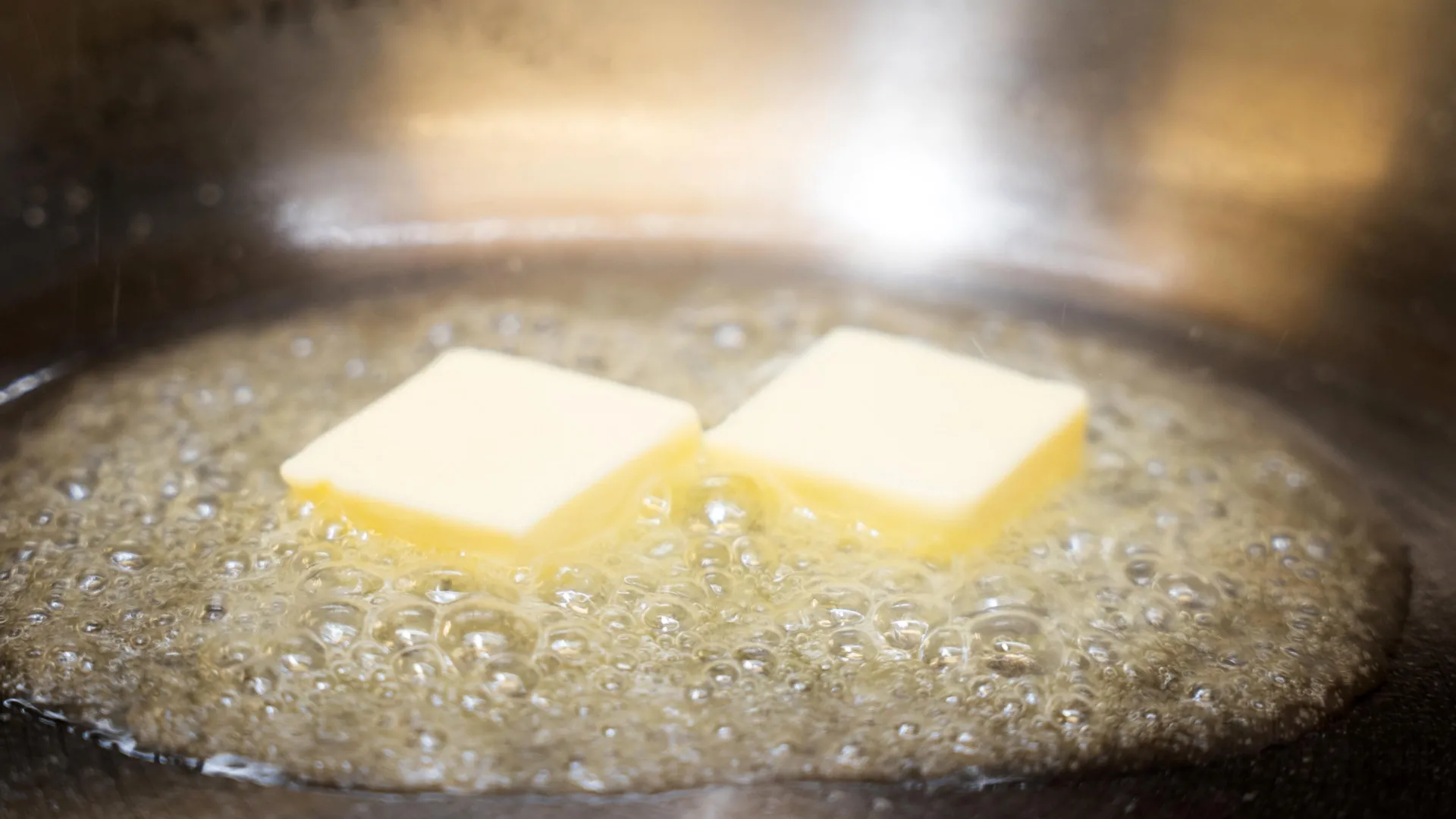
When butter is heated, the inherent milk proteins and lactose undergo the Maillard reaction—a chemical process that produces a rich, brown color and a nutty, caramelized flavor. Because margarine lacks these dairy-derived components, it cannot achieve the same level of browning or aromatic depth. For a chef looking to create a classic brown butter sauce or a deep-crusted pastry, margarine is a poor substitute.
Steam and Texture
In baking, butter’s unique crystalline structure allows it to trap air efficiently when creamed with sugar, resulting in lighter, more porous baked goods. Furthermore, the water content in butter acts as a leavening agent; when exposed to high oven temperatures, this water turns to steam, separating layers of dough to create the signature flake of a croissant or a pie crust. While some margarines are formulated to mimic this, their inconsistent water ratios often lead to inferior results in delicate pastries.
Shelf Stability and Melting Points
Margarine shines in its consistency. Because the interesterification process allows for a precise, engineered melting point, margarine remains stable over a wider range of temperatures. This makes it an ideal choice for spreadable products. Additionally, the lack of dairy proteins gives margarine a significantly longer shelf life, making it a reliable staple for households that do not bake frequently.
Implications for Health and Diet
The debate between butter and margarine is often framed as a health conflict. Butter, an animal product, is high in saturated fat and cholesterol. Margarine, as an ultra-processed food, contains plant-based fats but often relies on additives, emulsifiers, and preservatives to maintain its structure and flavor.
The modern nutritional consensus suggests that neither is a "superfood." Butter provides a source of natural, unrefined fat, while margarine offers a way to reduce intake of saturated fats. The primary health implication lies in the degree of processing. Because margarine is industrially modified to achieve its spreadable, solid state, it falls into the category of ultra-processed foods. For the health-conscious consumer, the choice often depends on individual dietary needs, such as managing cholesterol levels or avoiding dairy proteins.
Professional Perspectives on Culinary Choice
As a food scientist, I often emphasize that "interchangeable" does not mean "identical." While a recipe might technically function using either fat, the final sensory experience will vary.
If you are baking a delicate financier or a classic shortbread, the proteins and butterfat of real butter are chemically necessary to achieve the desired texture and flavor profile. However, if you are looking for a stable fat for a morning spread or a simple sauté, the controlled melting point and consistency of margarine offer practical advantages.
Ultimately, understanding the science behind the spread empowers the home cook to make informed decisions. By looking past the branding and understanding the triglyceride structures, the water-to-fat ratios, and the role of lactose in the Maillard reaction, we can better appreciate why these two fats—so similar in their emulsions—behave so differently in the heat of the pan. Whether you prefer the rustic, complex nature of cultured butter or the engineered precision of modern margarine, you are participating in a long-standing dialogue between chemistry and culinary art.