The wait is nearly over. On June 21, 2026, the embers of the Targaryen civil war will erupt into a wildfire that promises to reshape the landscape of Westeros. After a second season that left many viewers feeling marooned in a sea of political posturing and stalled momentum, House of the Dragon is set to return with the most anticipated sequence in the franchise’s history: The Battle of the Gullet.
For those who have followed George R.R. Martin’s Fire & Blood, this moment is not merely a battle; it is a turning point. It is the bloodiest naval engagement in the history of the Seven Kingdoms, a collision of dragon fire and maritime might that serves as the definitive payoff for the narrative threads woven throughout the show’s inaugural seasons.
The Chronology of Conflict: From Rook’s Rest to the Gullet
To understand the weight of the coming conflict, one must look at the path of destruction that led us here. The escalation of the "Dance of the Dragons" began with the tragic death of Prince Lucerys Velaryon at the fangs of Vhagar, a moment that shattered the fragile peace between the Blacks and the Greens.
Throughout the subsequent months, the conflict devolved into a series of fractured, albeit significant, skirmishes. The Battle of Rook’s Rest stands as the most notable casualty of this period, where King Aegon II was left maimed by his own brother, Aemond, and his dragon, Sunfyre, was dealt a crippling blow. This betrayal forced a shift in the power structure of King’s Landing, with Aemond Targaryen assuming the mantle of Prince Regent—a role he has wielded with volatile, short-sighted aggression.
Meanwhile, across the Narrow Sea and in the haunted halls of Harrenhal, Prince Daemon Targaryen’s journey proved to be the season’s most divisive element. Haunted by visions and the weight of ancestral guilt, Daemon’s arc—though rich in character development—left audiences clamoring for the kinetic, visceral warfare that defines the Game of Thrones universe. As of the Season 2 finale, the board is finally set: the armies are mustered, the dragon riders are bonded, and the fleets are positioned. The period of cold maneuvers has ended.
The Battle of the Gullet: A Tactical Overview
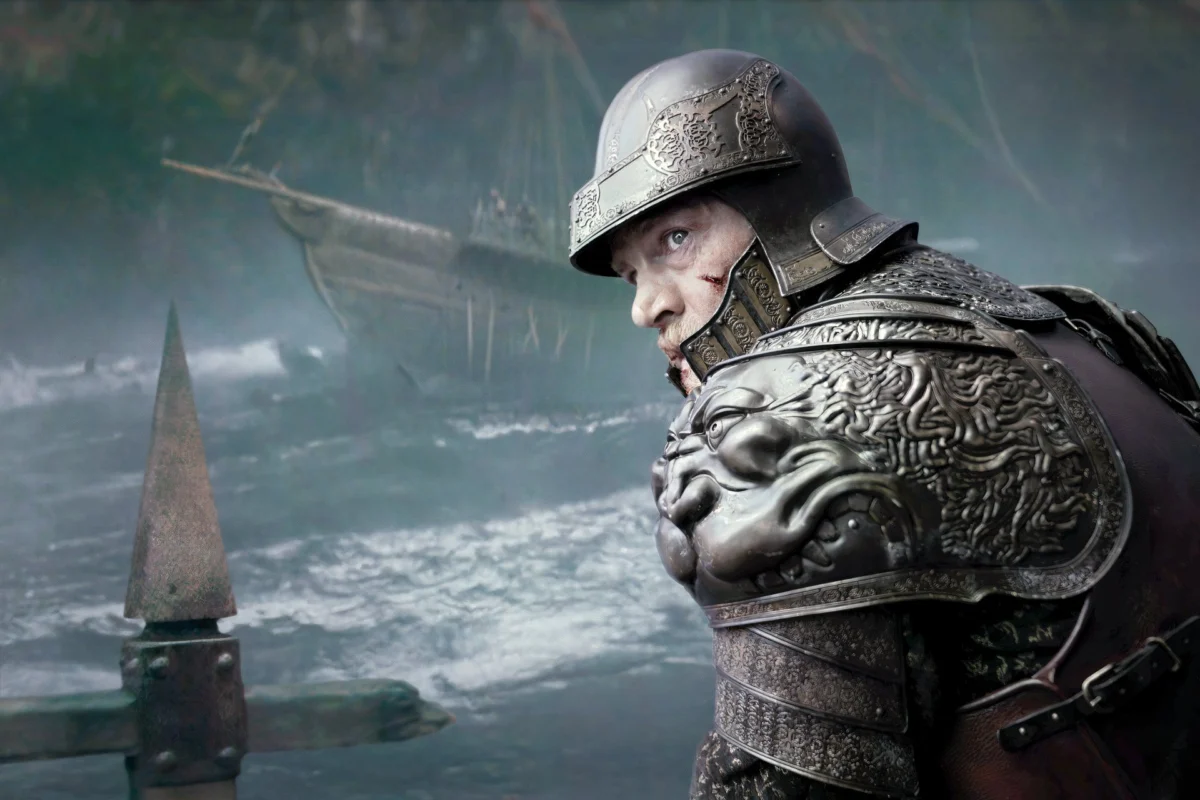
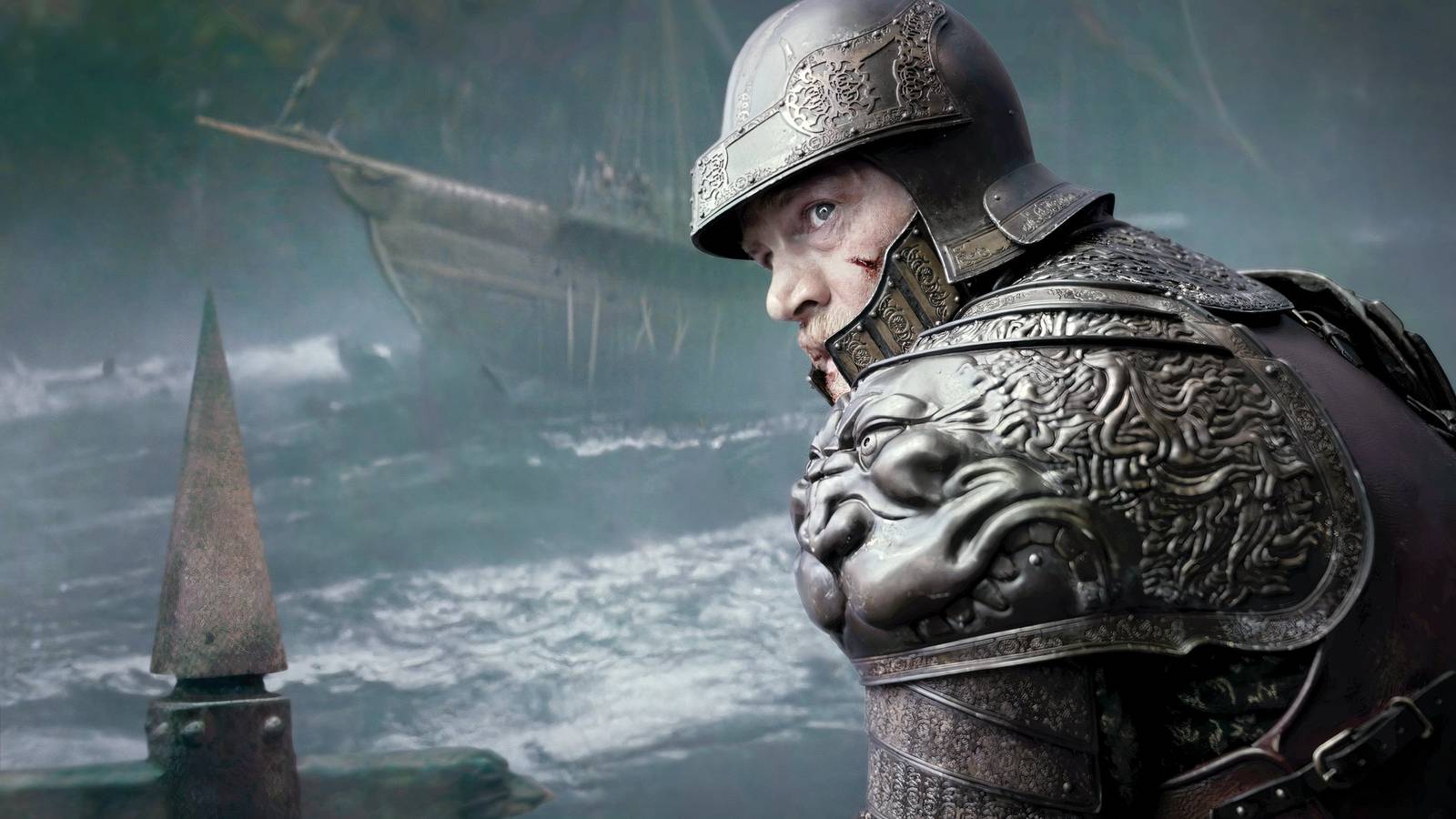
The Battle of the Gullet is, by all accounts, the "big one." In the source material, this confrontation occurs when the Triarchy—a confederation of the Free Cities of Lys, Myr, and Tyrosh—is contracted by the Greens to break the naval blockade of King’s Landing currently maintained by House Velaryon.
The Scale of Destruction
Unlike previous battles, which focused on single-dragon duels or small-scale skirmishes, the Battle of the Gullet represents a massive, multi-front war. It involves:
- The Velaryon Fleet: The most formidable maritime power in the world, currently guarding the Gullet and choking the capital’s supply lines.
- The Triarchy Armada: A massive, desperate fleet bolstered by the promise of gold and the desire to curb Targaryen dominance.
- The Dragon Riders: The Blacks, having spent the latter half of Season 2 recruiting "dragonseeds" and unconventional riders, will deploy their new assets. The strategic integration of these riders into a naval engagement is a tactical evolution never before seen on screen.
For the production team at HBO, this represents a technical watershed. Creating a believable interaction between massive warships and airborne predators requires a level of CGI integration and practical effects coordination that pushes the boundaries of modern television.

Why Season 2’s "Slow Burn" Was a Necessary Evil
The criticism leveled against Season 2 is well-documented: the narrative felt static, and the finale left many feeling that the "big battle" had been withheld. However, from a structural standpoint, this "slow burn" served a specific, albeit frustrating, purpose.
By dedicating time to the internal fracturing of Team Green and the psychological transformation of Daemon, the series grounded the spectacle in character motivation. We aren’t just watching soldiers die; we are watching the collapse of a family. The disappointment of the Season 2 finale is not necessarily a failure of quality, but a failure of pacing. The showrunners, Ryan Condal and the writing team, have essentially spent sixteen episodes building the pressure cooker. With the premiere of Season 3, the lid is finally coming off.
Implications for the Future of Westeros
The fallout from the Battle of the Gullet will be irreversible. Historians of Westeros (within the lore) mark this event as the moment the Dance of the Dragons transitioned from a political dispute into a war of total annihilation.
- Shift in Power: The outcome of the naval engagement will determine which faction controls the supply lines to King’s Landing. A defeat for the Blacks would mean starvation for the capital and a potential loss of legitimacy for Queen Rhaenyra.
- Dragon Attrition: History books tell us that the Battle of the Gullet is where dragons will fall in numbers that have not been seen since the Doom of Valyria. This is the beginning of the end for the supremacy of the Targaryen mounts.
- The Rise of the Smallfolk: As the war reaches its zenith, the perspective of the common people becomes increasingly central. The death and destruction wrought by dragon fire will inevitably turn the smallfolk against their masters, a theme that will likely dominate the latter half of the series.
Official Responses and Production Insights
While HBO has kept the specifics of Season 3 under tight wraps, behind-the-scenes reports suggest a pivot toward more "kinetic, ground-level storytelling." Director and executive producer commentary has hinted that the "politics of the small council" will take a backseat to the "politics of the battlefield."
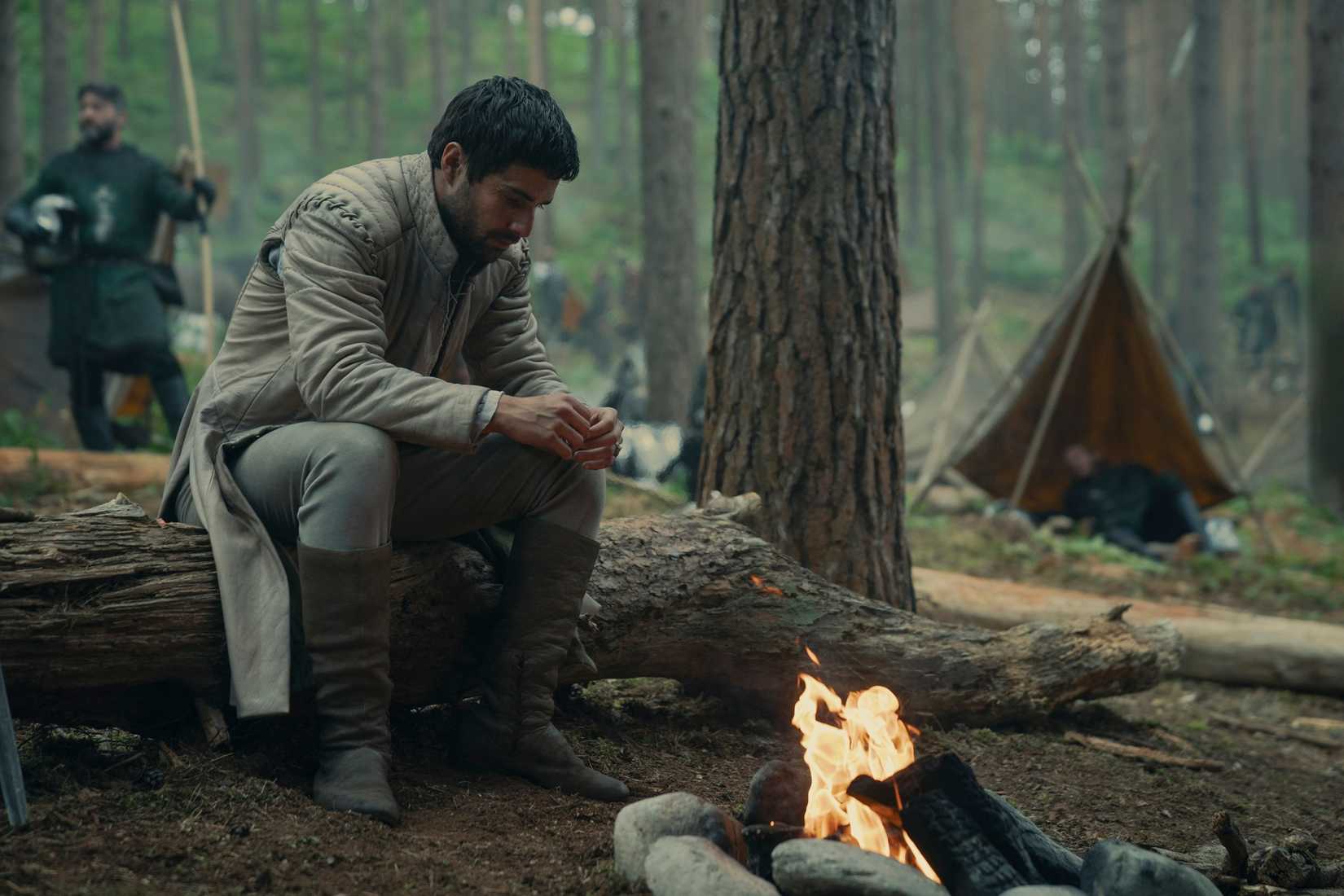
"We wanted to ensure that when the dragons finally clashed in the Gullet, it felt earned," one production insider noted. "You can’t have the tragedy of the Dance without the full realization of what these weapons of mass destruction can do to a fleet. Season 3 is about consequences."
How to Prepare for the Premiere
As the countdown to June 21, 2026, continues, the anticipation is palpable. For viewers looking to refresh their memory:
- Streaming Access: House of the Dragon will remain exclusive to the Max platform. With an eight-episode order for Season 3, fans can expect a weekly release schedule concluding on August 9.
- The Subscription Landscape: For those currently off the grid, HBO Max offers tiered access. The ad-supported tier remains the most economical at $10.99 per month, while the ad-free premium experience is priced at $18.49. Bundling options with Disney+ and Hulu are also available, providing a cost-effective route for the summer viewing season.
Conclusion: The Payoff We Were Promised
Television history is littered with shows that built toward a crescendo only to falter at the climax. House of the Dragon faces a critical moment of truth. By delivering the Battle of the Gullet early in the third season, the series is signaling that it understands its audience’s demand for both gravitas and spectacle.
The "Dance" is no longer a dance—it is a slaughter. And as the bells of the Gullet begin to toll, the audience is reminded of why we fell in love with this world in the first place: the tragic, beautiful, and devastating cost of power. Whether the result brings us closer to the Iron Throne or leads us into the ash-strewn ruins of a fallen dynasty, one thing is certain: we are about to witness the most significant television event of the decade. Prepare your dragons; the war has finally arrived.