
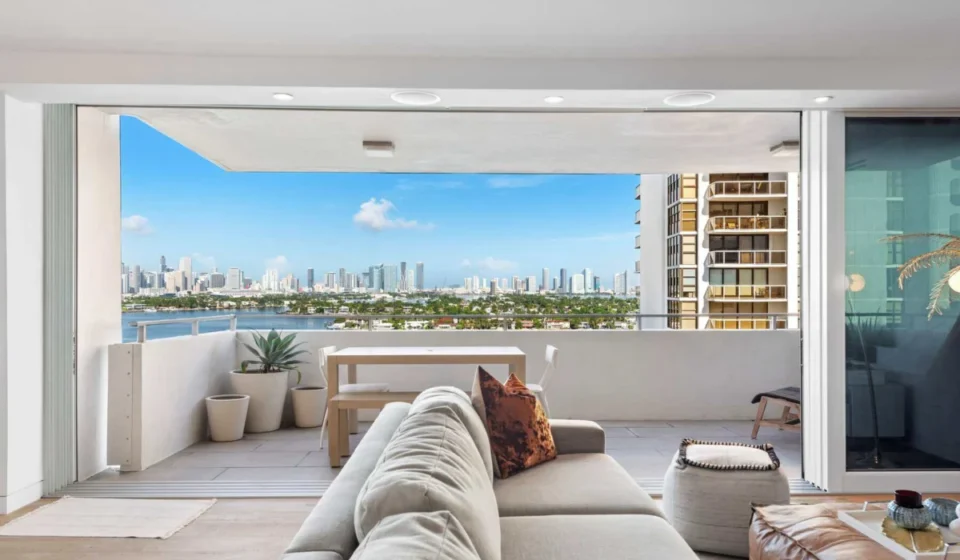

Luxury is a fluid concept, shifting in definition with every generation and every city. Yet, as the rental market matures across the United States—from the high-rise condos of Miami to the tech-centric corridors of Seattle—a clear consensus has emerged among developers and property managers. The modern luxury apartment is no longer just about granite countertops or stainless steel appliances; it is a holistic ecosystem designed to reduce the friction of daily life while elevating the resident’s sense of well-being.
To understand what truly constitutes a "luxury" rental in the current landscape, we must look beyond the glossy marketing brochures and analyze the intersection of architectural design, operational excellence, and location strategy.
The Evolution of High-End Living: A Chronology of Amenities
The definition of luxury has undergone a radical transformation over the last three decades. In the 1990s and early 2000s, luxury was synonymous with size and traditional opulence—think crown molding, deep-pile carpets, and excessive square footage.
As urban density increased, the focus shifted toward "community-wide" luxury. The mid-2000s introduced the era of the "resort-style" apartment, where the emphasis moved from the interior of the unit to the common areas: massive swimming pools, business centers, and fitness rooms.
Today, we have entered the "frictionless" era. Post-pandemic shifts in work habits and a heightened focus on mental health have pushed developers to prioritize efficiency, sustainability, and human-centric service. Modern luxury is now defined by features that reclaim time for the resident, such as smart home integration, doorstep delivery management, and biophilic design that bridges the gap between urban living and nature.
1. Architectural Integrity and High-End Finishes
The first impression of a luxury unit remains rooted in the quality of its materials. However, current trends favor durability and timeless aesthetics over ostentatious displays.
Steve Welty, CEO of Good Life Property Management in San Diego, CA, notes that the distinction between "ordinary" and "upscale" lies in the thoughtful curation of materials. "What elevates an apartment from ordinary to upscale is the combination of high-end finishes like quartz countertops, wide-plank flooring, shaker cabinets, and recessed lighting," Welty explains.
These details are not merely decorative. According to Welty, they serve a functional purpose in the leasing market. "For renters, these touches signal that a home has been thoughtfully cared for, and they will be too," he adds. By investing in premium finishes, property managers often find that units lease faster and command higher price points, as the tangible sense of quality creates an immediate psychological connection for the prospective tenant.
2. Spatial Dynamics: Open Floor Plans and Verticality
Architecture is the canvas upon which the luxury lifestyle is painted. An open floor plan, when executed with high ceilings, can transform a standard apartment into a sophisticated urban sanctuary.
"One key feature that makes an apartment feel more expansive, inviting, and luxurious is an open floor plan paired with tall ceilings," says Kayla Beller, VP of Project Management at Metonic. "Soaring ceilings make spaces feel twice as big, maximizing every square foot and creating an airy openness that residents love coming home to."
This design approach is particularly vital in city centers where square footage comes at a premium. By removing visual barriers and drawing the eye upward, developers can create a sense of grandeur that mitigates the "boxed-in" feeling often associated with high-density housing.
3. The "Frictionless" Life: Convenience-Focused Technology
Perhaps the most significant shift in the definition of luxury is the removal of daily inconveniences. As the team at Structure Properties in San Francisco, CA, suggests, "True luxury in an apartment isn’t a single finish; it’s friction removed from daily life."
In an age of rapid-delivery services and remote work, convenience is the ultimate currency. Modern luxury buildings now prioritize:
- Smart Access: Keyless entry systems that allow for secure, remote guest access and package delivery.
- Operational Excellence: Responsive maintenance portals that track work orders in real-time, ensuring that issues are resolved with minimal resident intervention.
- Integrated Logistics: Dedicated cold-storage rooms for grocery deliveries and secure parcel lockers that eliminate the need for manual package sorting.
"Smart locks, responsive maintenance, and seamless package handling make a home feel effortless in a way granite countertops never will," the Structure Properties team emphasizes.
4. The Human Element: Exceptional Service as an Amenity
While technology handles the mechanics of living, the human element defines the atmosphere. Luxury, at its peak, is a feeling of belonging.
"To us, luxury living is about much more than beautiful apartments and premium amenities. It is about creating an exceptional experience where residents feel valued, supported, and truly at home," explains the team at Chateau La Jolla in San Diego.
This philosophy represents a pivot toward "hospitality-style" management. In a luxury community, the property management team acts more like hotel concierge staff. They are not merely collecting rent; they are curating community events, facilitating networking opportunities, and providing personalized service that acknowledges the individual needs of each resident.
5. Indoor-Outdoor Living: The New Backyard
The demand for private outdoor space has skyrocketed, particularly as renters seek to replicate the benefits of single-family home living without the burden of maintenance.
Kassie Inness, President of Metonic, notes that the integration of indoor and outdoor spaces is now a primary driver for prospective renters. "The ultimate luxury feature is seamless indoor-outdoor living. In our build-to-rent communities, private outdoor spaces give families and pet owners the backyard feeling of a single-family home alongside the maintenance-free convenience of a premium rental community."
This trend is also reflected in the increased popularity of rooftop gardens, private balconies, and "pocket parks" within apartment complexes, providing a necessary respite from the urban concrete environment.
6. Environmental and Situational Factors
Beyond the walls of the unit, two factors remain non-negotiable in the luxury segment: light and location.
Abundant Natural Light
Natural light is an architectural luxury that cannot be "added" later. Luxury developers invest heavily in building orientation and the installation of floor-to-ceiling windows. This maximizes the visual connection to the city while reducing the need for artificial lighting, which is both energy-efficient and mood-enhancing for the tenant.
Premium Location and Walkability
Luxury is proximity. The most desirable apartments are situated in neighborhoods where the "15-minute city" concept is a reality—where coffee shops, transit hubs, parks, and grocery stores are within a short walk. For many, the ability to forgo a car or reduce daily commuting stress is a primary reason for choosing a high-end, urban apartment over a suburban home.
Scenic Views
The "view" remains the hallmark of the penthouse and the high-end corner unit. Whether it is a mountain range, a city skyline, or a waterfront, these vistas do more than look good—they provide a sense of place and tranquility that is highly valued in the luxury market.
Is Luxury Living Right for You?
While the benefits are clear, luxury living is not a one-size-fits-all solution. Before committing to a premium rental, residents should evaluate their daily habits against the costs.
Questions to ask before signing a lease:
- Do I use the amenities? If you never use the pool, gym, or coworking space, you are essentially subsidizing them for others.
- Does the service match my lifestyle? If you travel frequently, a building with high-security package management and a concierge is worth every penny. If you are a homebody, the focus should shift to the quality of the interior space.
- What is the "true" cost of the location? Factor in the savings from reduced transportation costs or the value of the time saved by being in a walkable neighborhood.
Final Thoughts: The Future of High-End Rentals
Ultimately, the definition of a luxury apartment has moved beyond premium aesthetics and expensive marble. It is a synthesis of design, convenience, and community that addresses the complexities of modern existence.
True luxury is found in the absence of stress. It is in the ease of a smart lock, the clarity of a bright living room, the efficiency of a responsive management team, and the connectivity of a well-planned neighborhood. As the rental market continues to evolve, the most successful buildings will be those that continue to find new ways to remove friction from the lives of their residents, proving that the ultimate luxury is, and always will be, time.